

Learning that respects physics
Physics-informed networks, neural operators and reduced-order models now learn whole fields, not single numbers, with the governing equations built into how they are trained.
No pages match that search.
OLTRION is an engineering simulation company building a SaaS platform where finite element analysis, computational fluid dynamics and machine learning work as one system. We help industrial teams explore far more of the design space, and commit to the design the physics actually supports.
Once in the physics: how it carries load, sheds heat and meets the flow. And once in a decision: which version gets built. For decades, the distance between those two moments has been set by how long a high-fidelity simulation takes, so engineers study a few designs carefully when they would rather study many.
OLTRION exists to close that distance. We are simulation engineers across structures, fluids and electromagnetics, working beside machine-learning, numerical-computing and software developers, as one team. Together we are building the tools we always wanted: simulation that keeps its rigour, and becomes fast enough to ask every question worth asking.
Our ambition is simple to state and hard to build: make high-fidelity physics fast enough to sit inside every design decision.
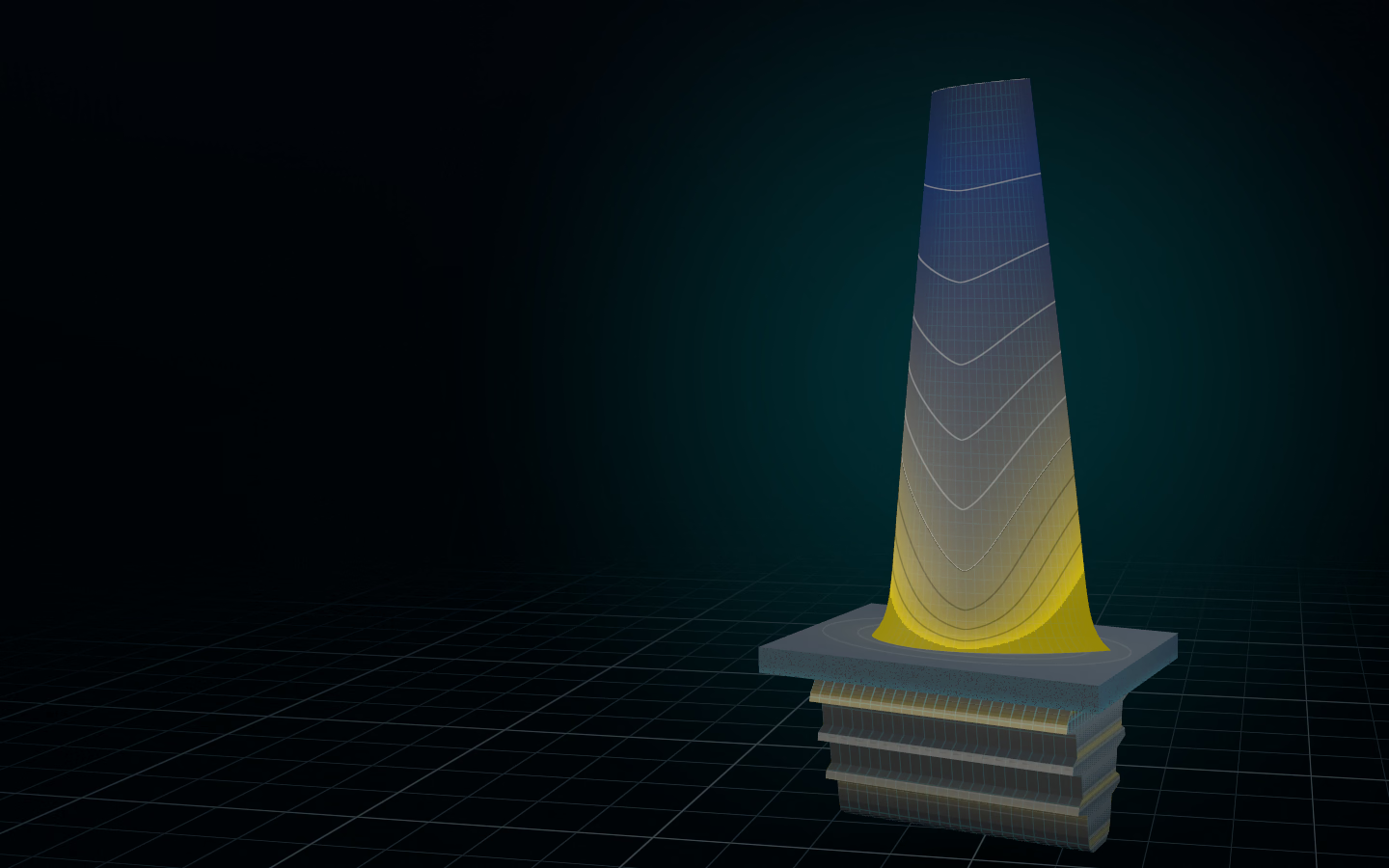
A validated FEA or CFD solve can take hours, or days. So design programmes ration them: a handful of evaluations, a best guess between them, and a decision made on less evidence than the product deserves. The better design is often in the part of the space nobody had time to look at.
Conventional loop. A few high-fidelity solves; the best of them sits in a local basin.
Physics-AI loop. The same solves train a surrogate that searches the whole space; the winner is confirmed at full fidelity.
Physics-informed networks, neural operators and reduced-order models now learn whole fields, not single numbers, with the governing equations built into how they are trained.
Cloud HPC and GPUs mean a design study no longer waits for a free cluster: solving and training scale with the question being asked.
Every validated solve produces rich field data that is usually archived and forgotten. Captured and structured, it is exactly what teaches the next model.
Each shift matters on its own. Together they let simulation move from checking a design to helping create one. That is the system we are building.
The OLTRION platform is a SaaS environment that unites validated solvers, structured simulation data and physics-aware AI. Each layer stands on the one beneath it, so speed never comes at the cost of traceability.
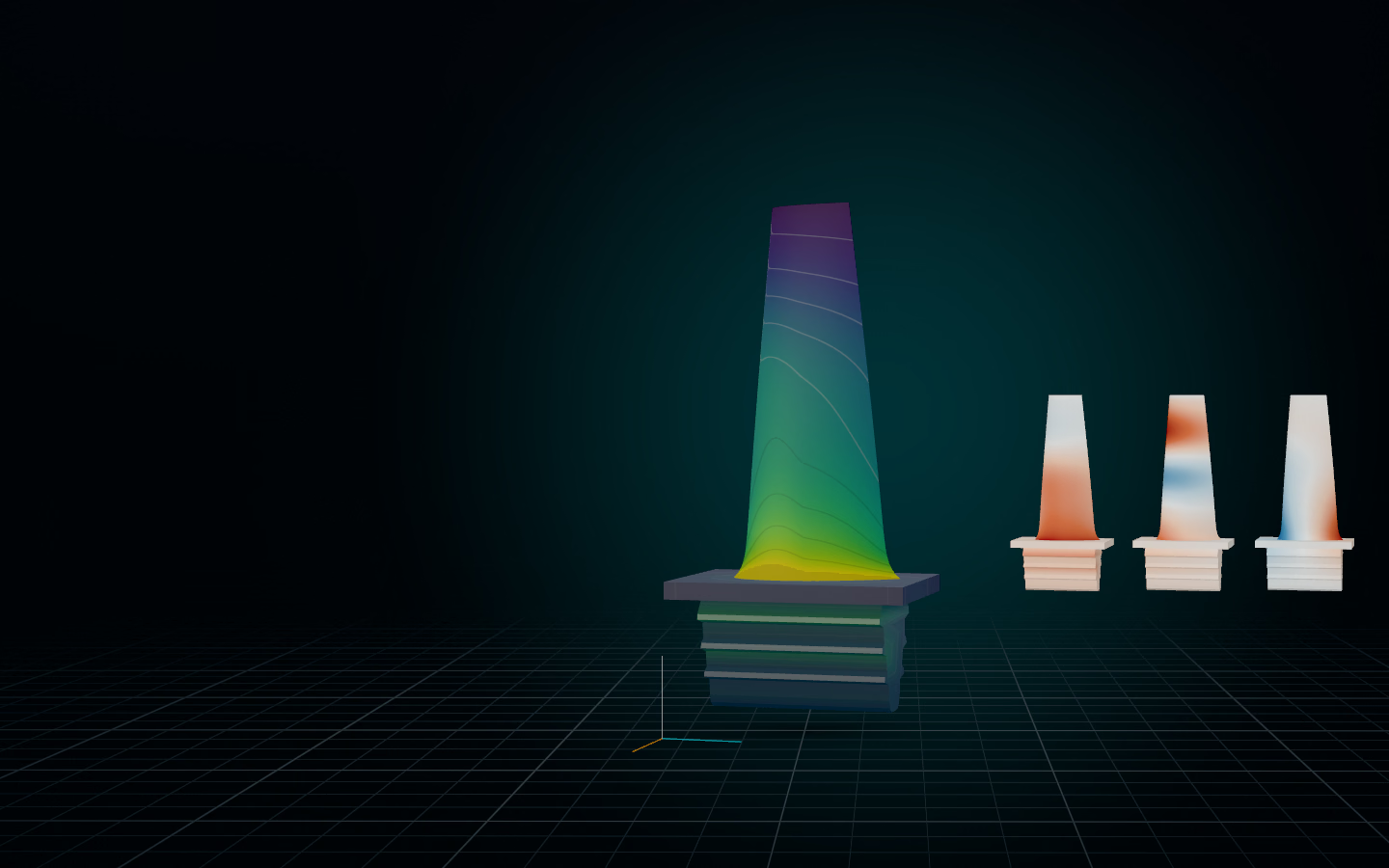
In development. The methods in every layer are the ones we already apply in engineering work. The platform brings them together as one service, so a team can reach them without building the stack itself.
We build every fast answer to carry its evidence: what the model was trained on, how far the question is from validated data, and how confident the answer is. When a design moves outside what a model has learned, it says so, and the question goes back to the full solver.
We work on real industrial problems, from consulting studies to custom software. Each one sharpens the platform: its workflows, its validation checks, and the know-how of what makes a model trustworthy. Each improvement to the platform makes the next project faster and deeper.
A client's data, and the models trained on it, stay the client's. What compounds is how well we build them.
From a first linear check to a coupled, uncertain, system-level question, we scope the problem at the level the decision needs. What stays the same at every level: a model you can inspect, and a plain statement of what its result can and cannot support.
Durability & Fatigue LifeComposite MaterialsThermal Analysis
Crash Test SimulationBlast, Explosion & FireReacting Flows & Combustion
Fluid Structure Interaction (FSI)Electromagnetic MultiphysicsPlasma Simulation
MultiObjective Design of TurbomachineryIntegrated AI & Machine Learning with CFD & FEA Simulation
Structures, fluids and fields rarely stay in their own lane in a real product. Neither do we.
We start from the governing equations and the decision a result has to support. The tool follows, and so does where AI earns a place.
No model, AI or otherwise, is relied on until it has been checked against full-order results or test data.
Assumptions, mesh, boundary conditions, training data and error are open to inspection. Nothing is a black box.
We say plainly what a result cannot support. It is often the most useful sentence in a report.
Client geometry, data and the models trained on them belong to the client. What we carry forward is know-how, never your data.
Documented, repeatable methods your own engineers can run, extend and teach after we hand over.
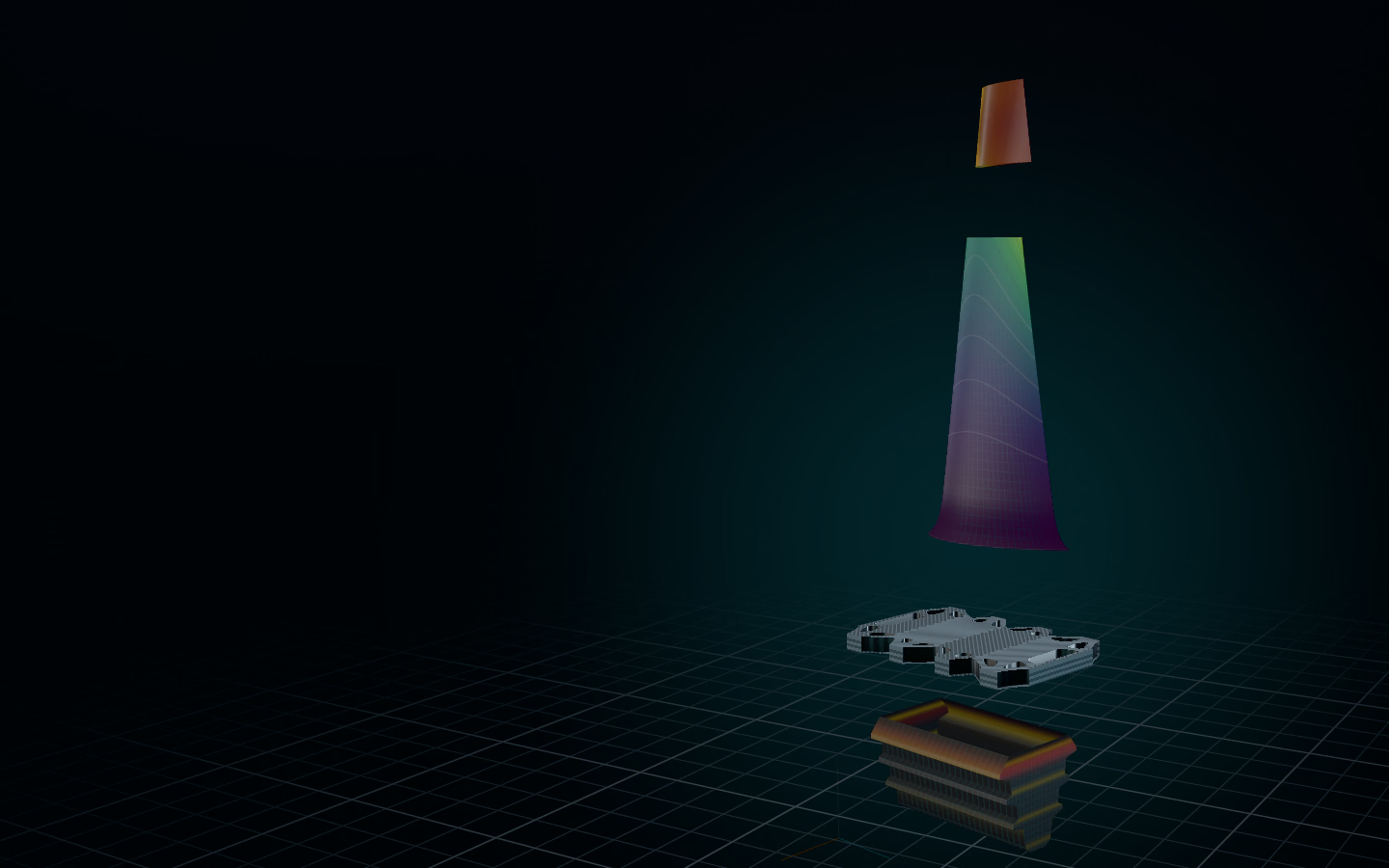
A crash analyst notices what a CFD engineer misses; a machine-learning developer asks the question a solver specialist stopped asking. Put them on one problem and the answer gets better. That is how we are built, and how we hire: for the way someone thinks about a problem, from every background.
The next generation of aircraft, vehicles, energy systems and medical devices will be designed with physics AI. We intend to be the platform it is designed on.
FEA, CFD and electromagnetic studies for industrial teams, with surrogates, reduced-order models and physics-informed ML built into the workflow wherever they shorten it.
Physics-AI workflows as a service: from geometry to a validated surrogate the whole team can use, with the evidence attached to every answer.
Engineers asking the physics as often as they ask a question, across structures, fluids and fields, and every answer carrying its evidence.
A direction, not a set of dated promises.
Tell us the geometry, the physics and the decision it has to support. We agree the model, the method and the evidence before anything is run.
Start a conversationSimulation engineers and developers in AI/ML, numerical computation, software and DevOps, building one system together.
See careersResearch groups, industrial pilot partners and strategic partners who want a hand in how engineering simulation is done next.
Partner with usAn engineer reads every enquiry and replies personally.
Talk to an engineer