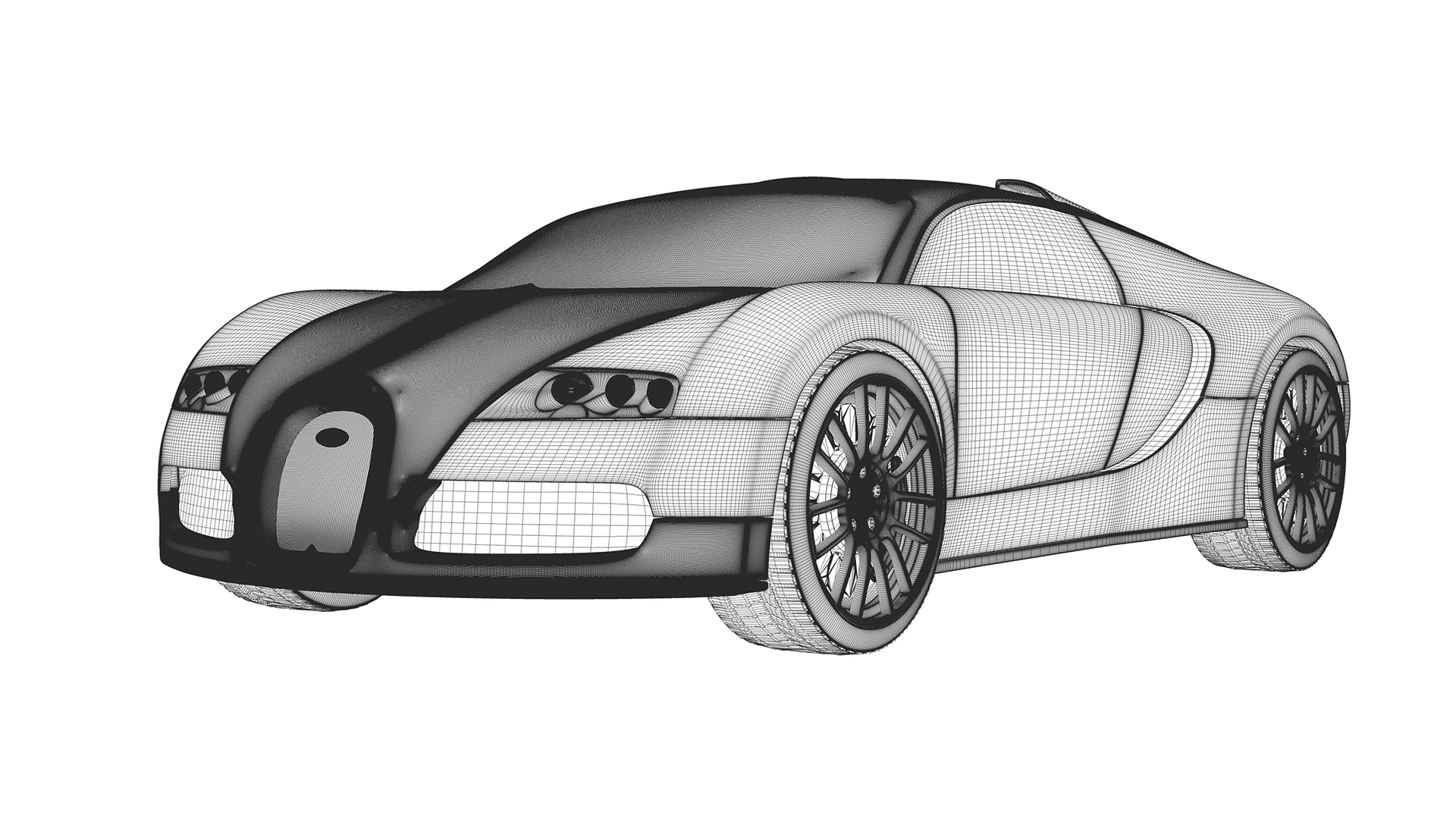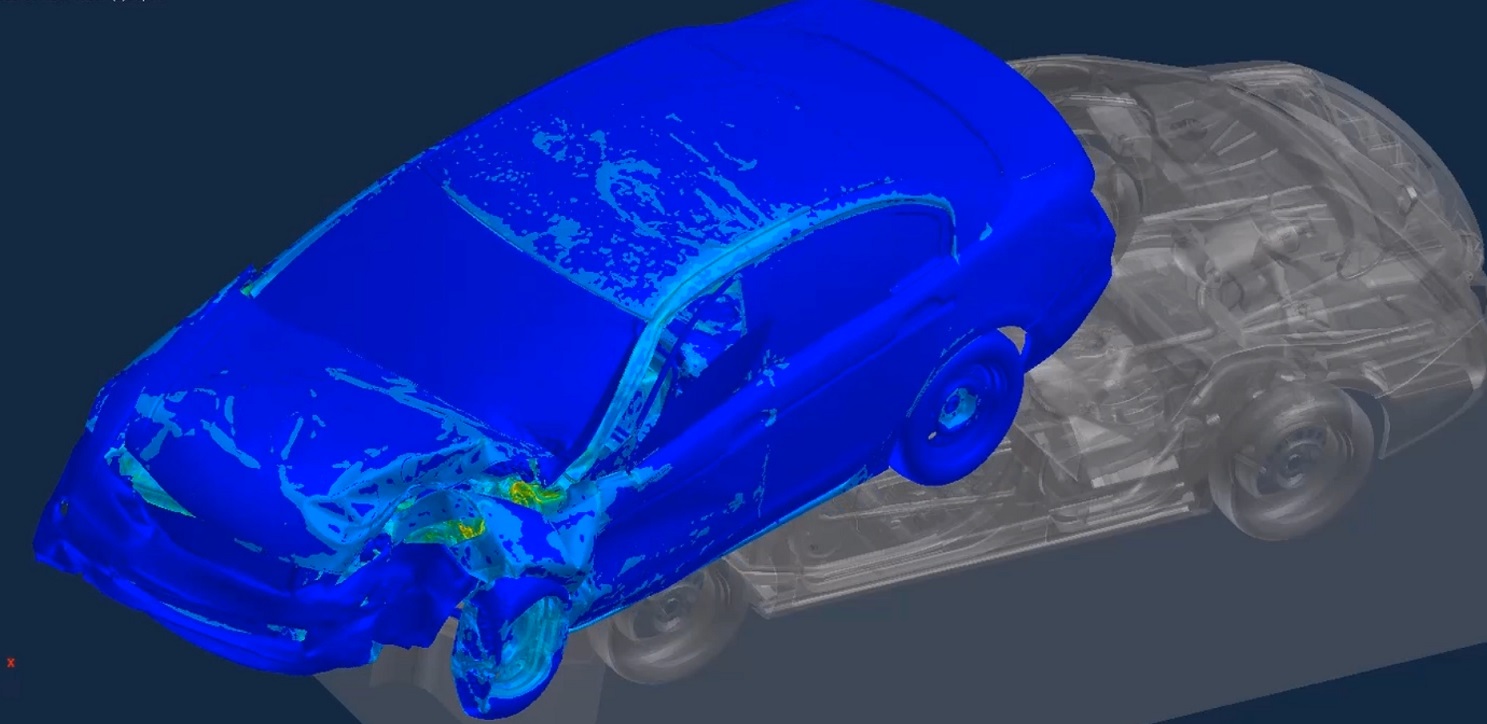
Crash testing and crashworthiness are critical aspects of automotive safety engineering. Crash testing involves deliberately crashing a vehicle under controlled conditions in order to evaluate its safety performance in the event of a collision. Crashworthiness, on the other hand, refers to the ability of a vehicle to protect its occupants in the event of a crash. LS-DYNA is a widely …
Read the full brief →
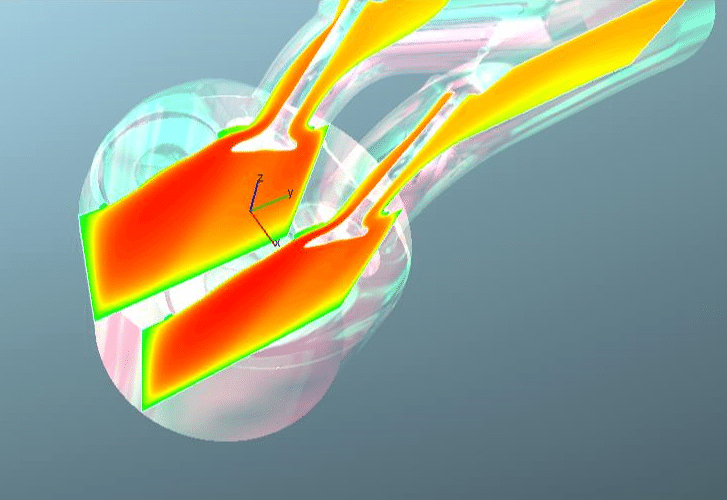
CFD Simulation for Internal Combustion Engines CFD simulation is a powerful tool in the automotive industry for predicting and analyzing flow, combustion, and emission characteristics of internal combustion engines (ICEs). It allows engineers to optimize the design of engines and their components, as well as develop strategies for reducing emissions and improving fuel efficiency. One of the key advantages of …
Read the full brief →
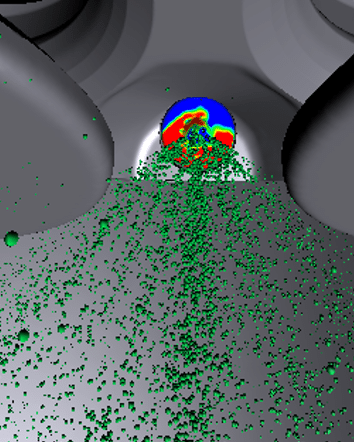
To develop and optimize injection nozzles, a combination of advanced CFD tools such as Ansys Fluent, Siemens Star-ccm+ and AVL Fire is typically used. This includes a one-dimensional model of the entire fuel injection system, from the fuel tank to the injector, as well as a 3D CFD solver to focus on the fluid flow inside the injection nozzle itself. …
Read the full brief →
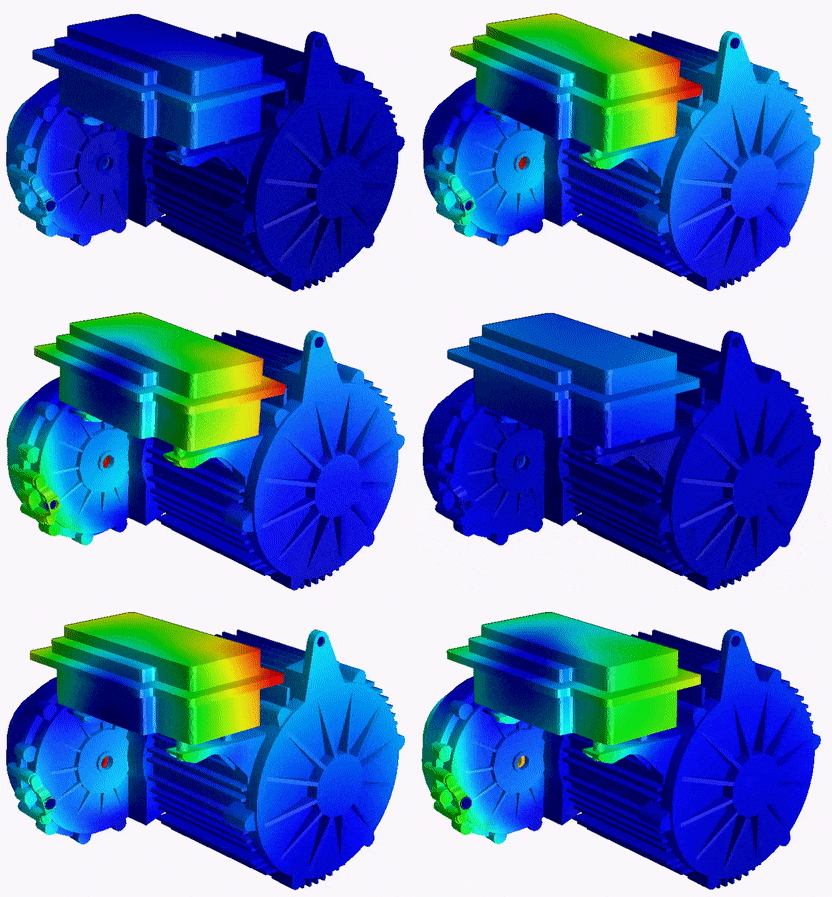
The development of fuel-efficient internal combustion engines in response to global demand for more eco-friendly vehicles has had an impact on the noise, vibration, and harshness (NVH) and acoustic behavior of vehicles. As automotive OEMs and suppliers work to improve fuel economy and reduce emissions, they must also address the NVH and acoustic challenges that arise as a result. NVH …
Read the full brief →
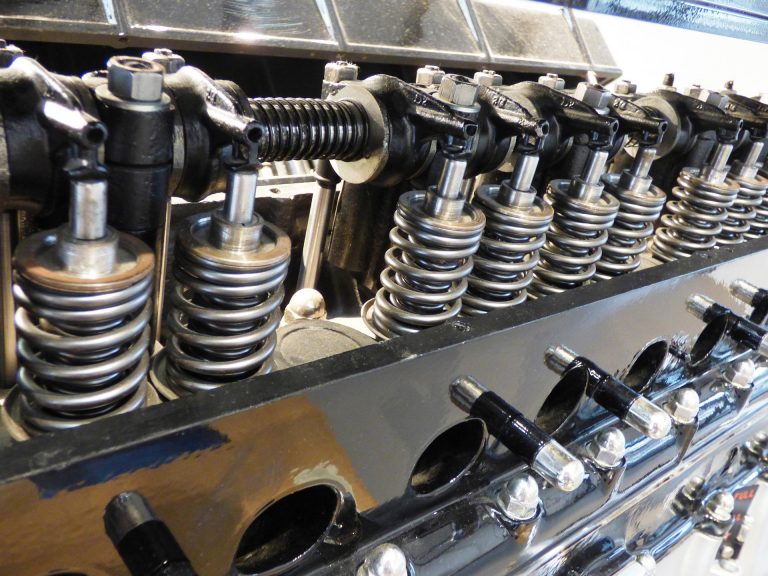
Powertrain engineering encompasses a wide range of technologies and processes, from diesel engines to electric drives, from alternative fuels to control, from transmissions to batteries. Powertrain engineers work with advanced software tools and simulation techniques to optimize powertrain performance and efficiency, reduce emissions, and improve reliability. Key areas of focus in powertrain engineering include: ▶ Engine design and optimization: Powertrain …
Read the full brief →
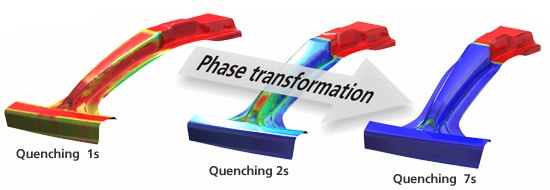
FEA simulations can predict local temperature gradients, the overall cooling history, and the resulting material properties after quenching. This information can be used to optimize the quenching parameters, such as cooling rate, quenching medium, and immersion time, to achieve the desired material properties while minimizing the risk of distortion or cracking. To accurately simulate the quenching process, it is important …
Read the full brief →
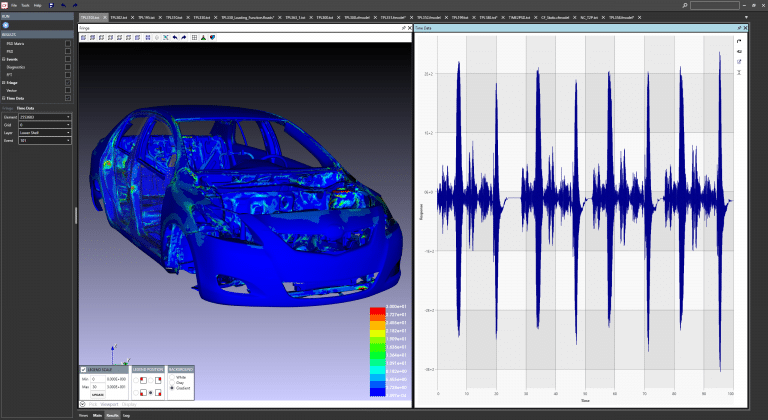
The strength analysis involves evaluating the structural integrity of components and systems, using techniques such as finite element analysis (FEA), to predict the stresses and deformations in the structure. This information is used to determine the safe working stresses and deformation limits for the component, ensuring that it can perform its intended function without failure. Durability analysis involves evaluating the …
Read the full brief →
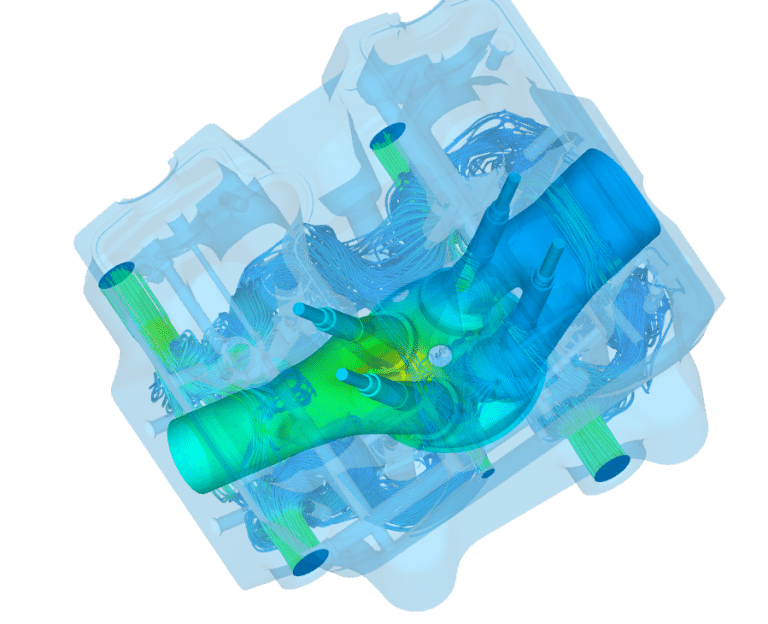
Finite element and CFD simulation tools can be used to model and analyze the thermal behavior of various components such as engines, batteries, and power electronics. These simulations can help to identify potential hot spots and optimize cooling systems to ensure components operate within safe temperature limits. They can also be used to investigate energy recovery and thermal management strategies …
Read the full brief →
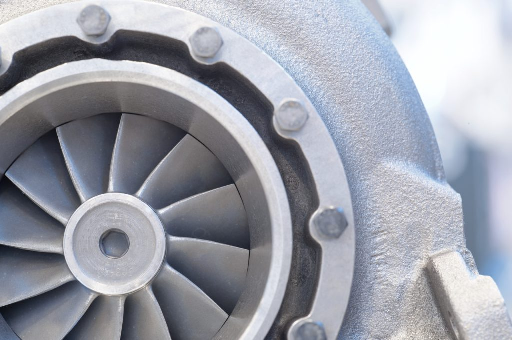
To achieve the desired level of engine performance and reduce pollutant formation, turbocharging simulation is an essential part of the design process. Turbocharging simulation involves using advanced computational fluid dynamics (CFD) tools to model the flow of air through the turbocharger and engine intake system. The simulation predicts the pressure and temperature distribution, velocity profiles, and other important parameters that …
Read the full brief →