

Finite Element Thermal Analysis
Passenger Thermal Comfort
Heat Transfer and Thermal Analysis: Fluid-Structure Interaction with Coupled CFD and Finite Element Based Simulation

The thermal and acoustic comfort of passengers is a critical design criterion for the air-conditioning and customization of a cabin. Engineers must ensure that the cabin provides a comfortable environment for passengers, which includes maintaining appropriate temperatures, humidity levels, and noise levels.
To achieve this, engineers typically conduct costly and time-consuming test series with specifically built cabin mock-ups to obtain information about the expected passengers' sensation of comfort in the design process. These tests can include measurements of temperature, humidity, and noise levels, as well as subjective evaluations of passenger comfort.
However, to reduce the time and cost associated with physical testing, our engineers use simulation tools such as CFD and FEA to analyze the performance of HVAC components, fans, blowers, and air channels in the cabin. These simulations can provide information on airflow patterns, temperature distribution, and noise levels, allowing engineers to optimize the design of the air-conditioning system and cabin layout for maximum thermal and acoustic comfort.
The wider discipline
Thermal Analysis
The effects of heat and thermal management of structures is more and more critical as performance limits are pushed further by the need to have lighter, smaller and more efficient designs. Convection, radiation and conduction loads are obvious, but the need to include the effect of power losses and thermal energy from friction and external sources such as pipe flows means that analysts need to have more tools at their disposal to simulate thermal models accurately.
To accurately simulate thermal models and manage heat effectively, analysts must have access to …
To accurately simulate thermal models and manage heat effectively, analysts must have access to …
More in Thermal Analysis
View the section →
Capabilities that sit beside this one
 Stress Relief Heat Treatment
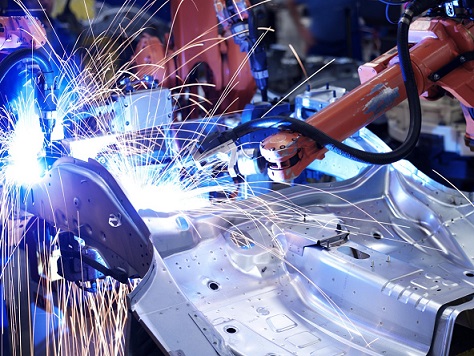
Stress relieving is a heat treatment process that reduces residual stresses in an assembly after welding. This process is important because residual …
Open capability
 Thermal Management in Buildings: HVAC and Climate Control
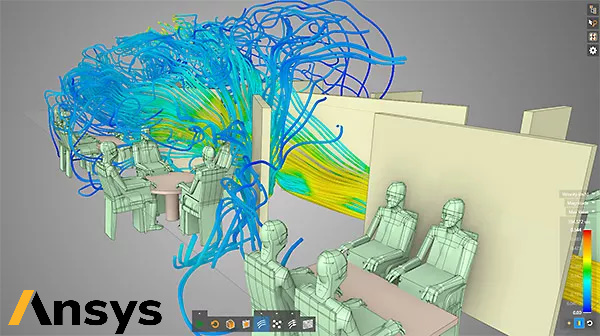
Thermal management is crucial in the design of buildings, as it affects the comfort of occupants and the energy efficiency of the …
Open capability
 Thermal Stress Simulation
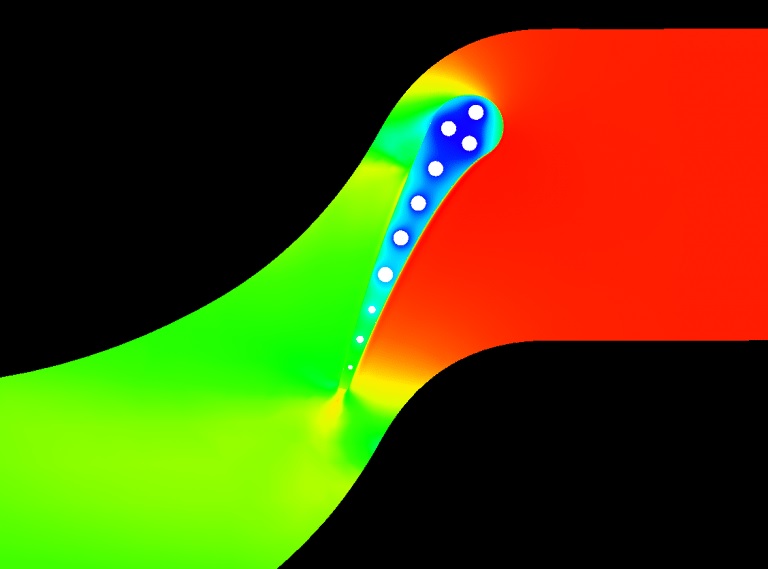
Thermal expansion is a common phenomenon that can lead to high levels of thermal stress, which can have both positive and negative …
Open capability
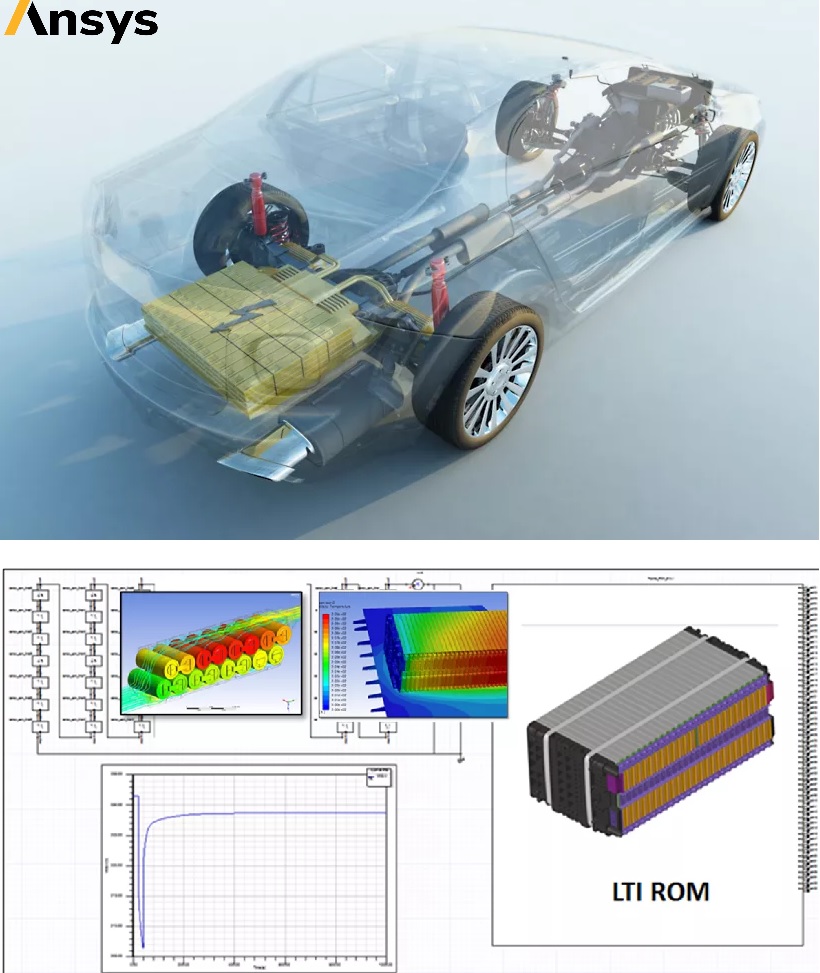 Vehicle Thermal Management Simulation
Extending from steady-state to transient simulation is essential in investigating the real conditions of vehicle driving cycles. This enables engineers to accurately …
Open capability
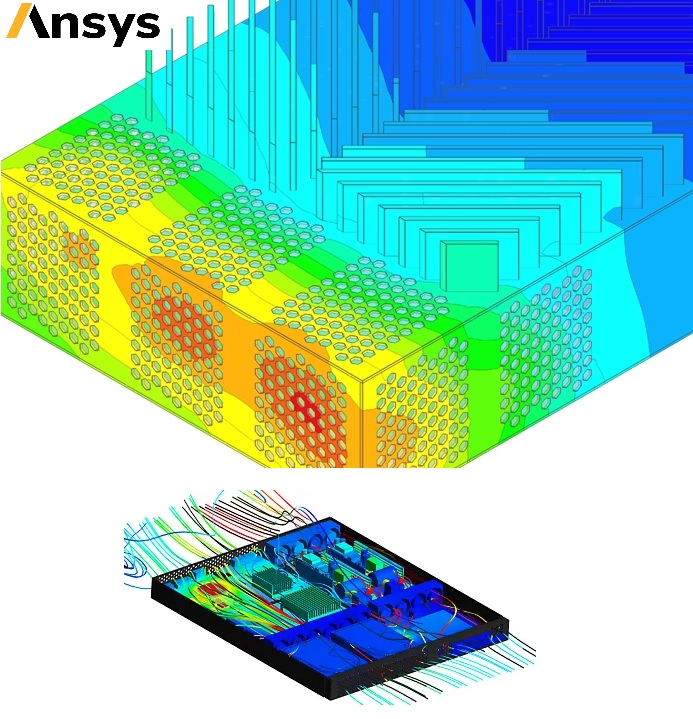 Electronic Systems Cooling & Heating
In the design phase of electronic devices, CFD and FEA based heat transfer software can be used to analyze the cooling capacity …
Open capability
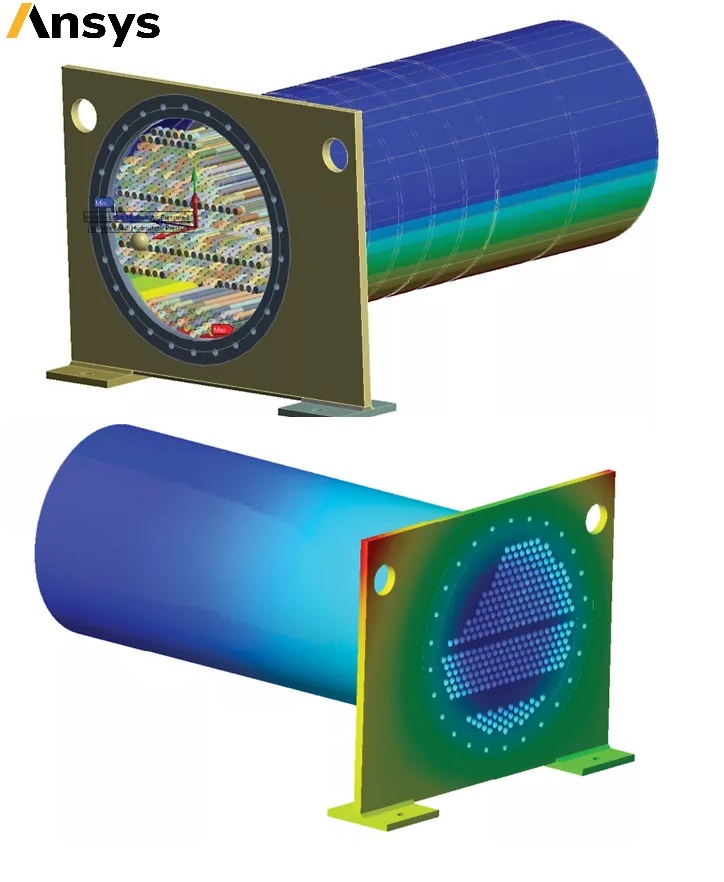 Heat Exchangers
Heat exchangers are involved in a variety of application areas, such as water treatment, resource refinery, nuclear power, food and beverage production, …
Open capability
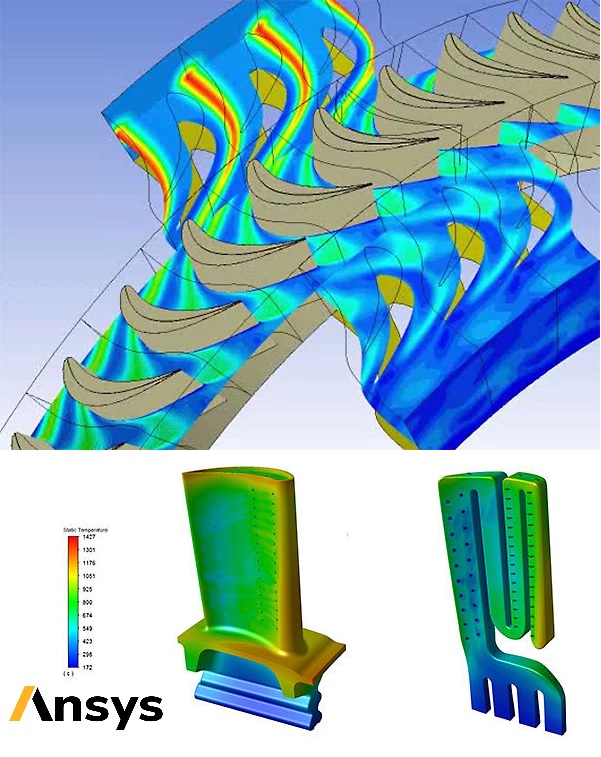 Heat Transfer Simulations for Turbomachinery Systems
Most machines, especially those that operate under high-heat conditions such as turbines, boilers, and combustors, require strict control of thermal stresses and …
Open capability
Across Finite Element
Other Simulation Area
Acoustics and Vibration
NVH for Hybrid & Electric Vehicles
Our engineers provide solutions to optimize electric motor noise behavior while leaving electromagnetic performance unchanged. This involves analyzing …
Additive Manufacturing
Plastics & Reinforced Polymers
Advanced additive manufacturing simulation platforms such as MSC Digimat, Ansys, and Abaqus are powerful tools that can be …
Blast, Explosion & Fire
What is the best numerical method for blast, explosion and fire simulation?
The choice of the best numerical model for blast, explosion and fire simulation depends on various factors such …
Composite Materials
Discontinuous Fiber Composites
Discontinuous fiber composites (DFC) are a type of composite material that are made by compressing pre-impregnated fiber chips, …
Crash Test Simulation
School Bus Crashworthiness
School buses are unique vehicles designed to carry children, and they require special safety features to ensure that …
Durability & Fatigue Life
Fatigue Analysis of Welded Structures
It is crucial to evaluate the fatigue behavior of welded joints as they are often critical components in …
Metal Forming Simulation
Roll Forming & Ring Rolling
Rolling processes are used in all areas of forming technology, both in hot forging and cold forming, and …
Multibody Dynamics
Robots Dynamics & Performance Assessment
Robots have become an increasingly important part of modern manufacturing and industrial processes. To design and optimize robot …
Welding Simulation
Pressure Welding
Pressure welding is a group of joining processes that use heat and pressure to join components together. These …
VTOL, eVTOL & UAM
Aeroacoustics Wind Tunnel Testing
The airframe noise generated by landing gear, flaps, slats, and other high-lift devices is a major contributor to …
Working on passenger thermal comfort?
Tell us the geometry, the physics and the decision it has to support.
Talk to an engineer