

Finite Element Composite Materials
Discontinuous Fiber Composites
FEA Based Composite Material Design and Optimization: Fatigue, Fracture, Impact, Crash, Acoustics and Vibration with Abaqus, Ansys and LS-DYNA
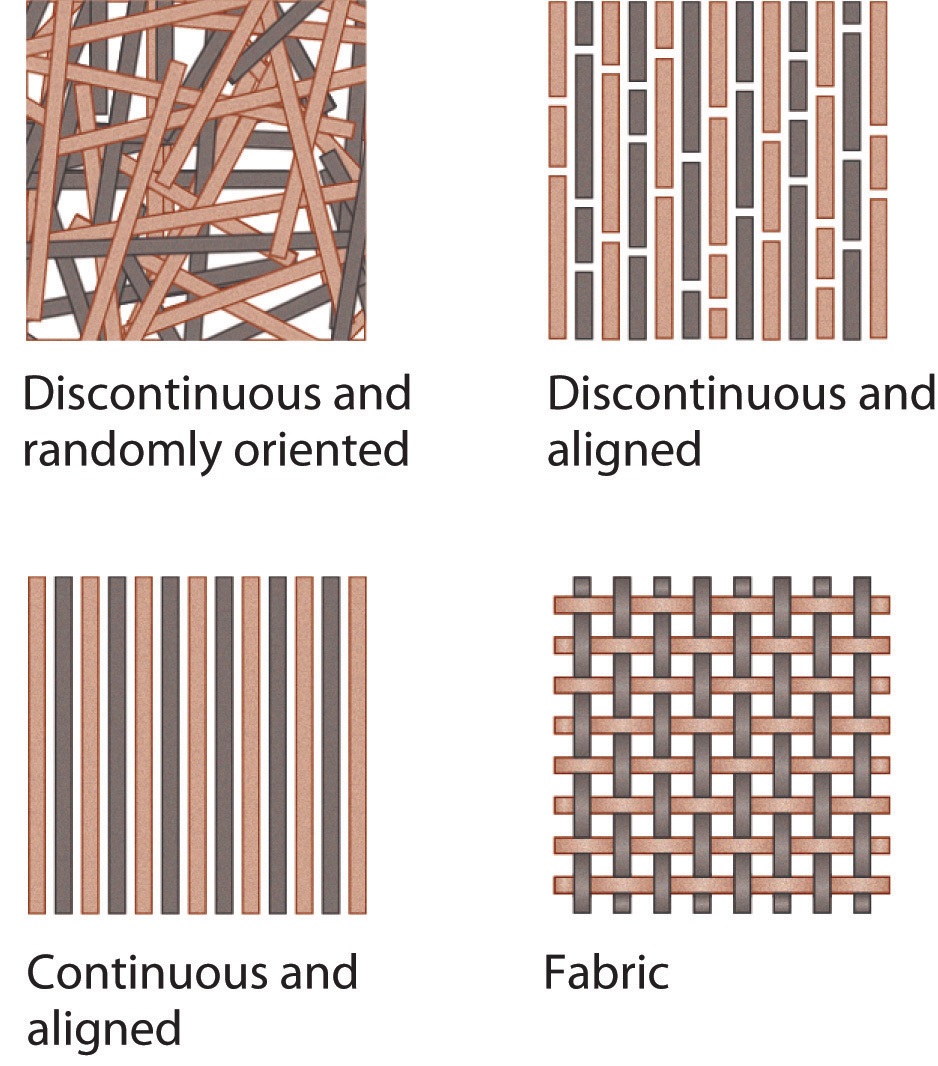
Discontinuous fiber composites (DFC) are a type of composite material that are made by compressing pre-impregnated fiber chips, or prepreg chips, which consist of unidirectional fibers and a matrix material. These chips are typically arranged in a specific orientation and then compressed under high pressure and temperature to form the final composite part.
One potential issue with the manufacturing process for DFCs is the occurrence of cracks between the chips. This can happen when the curing cycle is not well monitored, as thermal stresses can build up between adjacent chips when they are heated to the curing temperature. These thermal stresses can cause the matrix material to crack or fracture, resulting in gaps or voids between the chips in the final composite part.
To prevent this issue, it is important to carefully monitor and control the curing cycle, including the temperature and pressure applied during the compression molding process. Additionally, the use of thermoplastic matrices instead of thermoset matrices may also help to reduce the occurrence of cracks, as thermoplastics typically have better toughness and can better handle the thermal stresses generated during the curing process.
The wider discipline
Composite Materials
Composite material modeling Consultant, Training and Simulation services of OLTRION cover wide range of industry using advanced FEA Technology for design, ultimate failure, fatigue, fracture, impact, crash, environmental degradation, acoustics and multiphysics simulations with sophisticated FEA solvers such as Abaqus, Ansys, LS-DYNA, RADIOSS and COMSOL.
More in Composite Materials
View the section →
Capabilities that sit beside this one
 Hard Metal
Hard metals, also known as cemented carbides, are composite materials that are made up of a metal matrix and a hard ceramic …
Open capability
 Plastic materials
Designing plastic materials reinforced with glass and/or carbon fibers is a complex process that requires consideration of many factors, including the properties …
Open capability
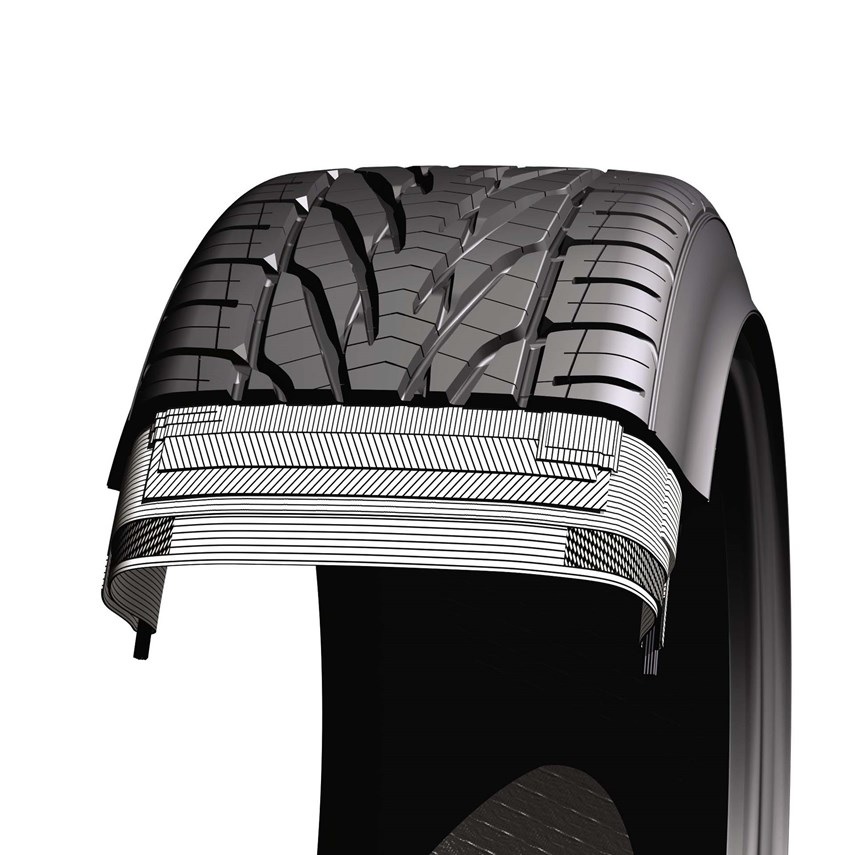 Rubber Matrix Composite
Rubber-based components, such as tires, anti-vibration systems, seals, and hoses, rely on the properties of the rubber matrix to perform their intended …
Open capability
 Unidirectional composites (UD)
 are a type of composite material that consist of fibers arranged in a single direction within a matrix material. …
Open capability
 Woven fabric composites
Advanced FEA tools are essential for material investigations and are used to simulate the behavior of materials under various loading conditions. An …
Open capability
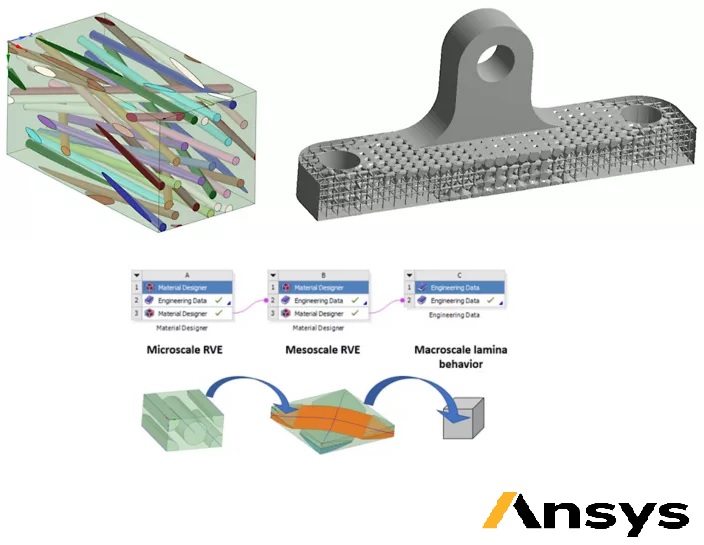 Composite modeling approach in numerical computation
Key composite modeling approaches: ▶ Cohesive zone models (CZMs): CZMs are commonly used to model the initiation and propagation of cracks and …
Open capability
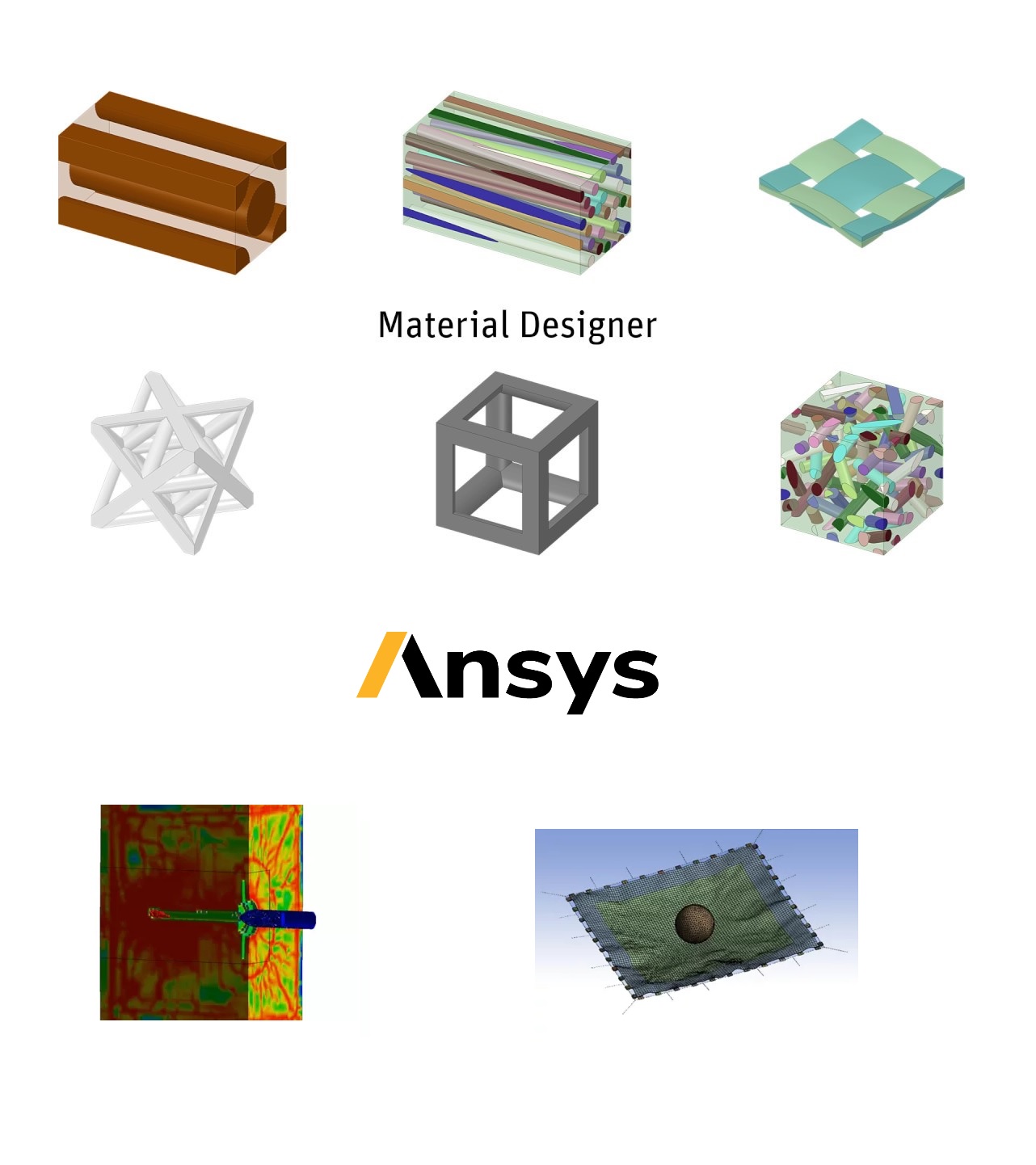 High-rate loading conditions: Impact, Crash, Blast and Explosion
Composite materials can exhibit complex behavior under high-rate loading conditions, including fracture, damage, and delamination. High-rate loading conditions refer to situations where …
Open capability
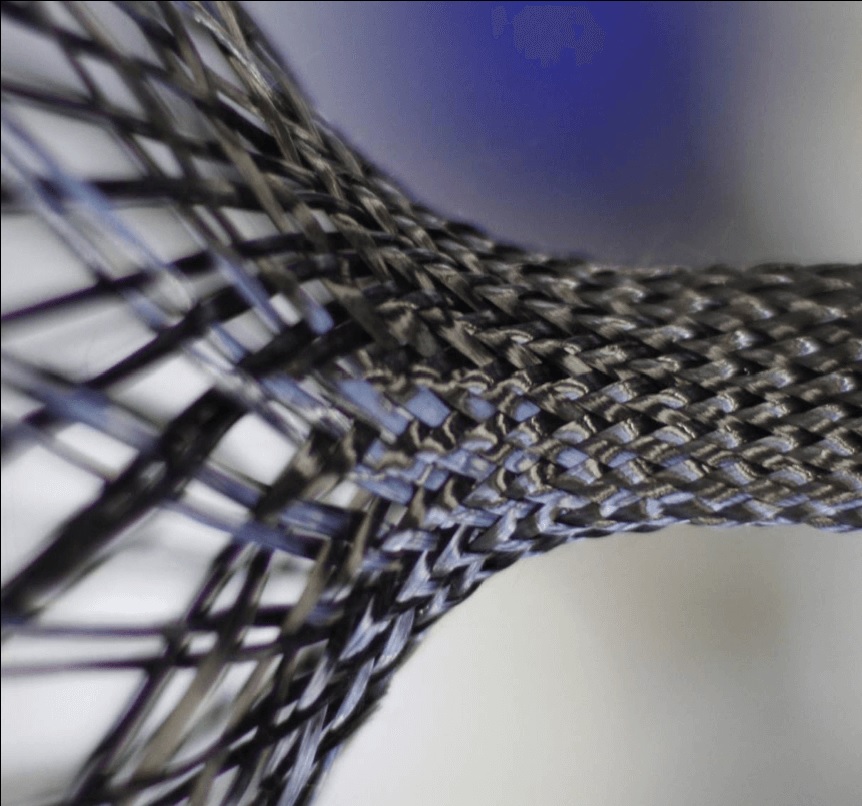 Braided Composites
Braided composites are a type of composite material that is made by braiding continuous fibers around a mandrel to create a preform, …
Open capability
Across Finite Element
Other Simulation Area
Acoustics and Vibration
NVH for Hybrid & Electric Vehicles
Our engineers provide solutions to optimize electric motor noise behavior while leaving electromagnetic performance unchanged. This involves analyzing …
Additive Manufacturing
Plastics & Reinforced Polymers
Advanced additive manufacturing simulation platforms such as MSC Digimat, Ansys, and Abaqus are powerful tools that can be …
Blast, Explosion & Fire
What is the best numerical method for blast, explosion and fire simulation?
The choice of the best numerical model for blast, explosion and fire simulation depends on various factors such …
Crash Test Simulation
School Bus Crashworthiness
School buses are unique vehicles designed to carry children, and they require special safety features to ensure that …
Durability & Fatigue Life
Fatigue Analysis of Welded Structures
It is crucial to evaluate the fatigue behavior of welded joints as they are often critical components in …
Metal Forming Simulation
Roll Forming & Ring Rolling
Rolling processes are used in all areas of forming technology, both in hot forging and cold forming, and …
Multibody Dynamics
Robots Dynamics & Performance Assessment
Robots have become an increasingly important part of modern manufacturing and industrial processes. To design and optimize robot …
Thermal Analysis
Passenger Thermal Comfort
The thermal and acoustic comfort of passengers is a critical design criterion for the air-conditioning and customization of …
Welding Simulation
Pressure Welding
Pressure welding is a group of joining processes that use heat and pressure to join components together. These …
VTOL, eVTOL & UAM
Aeroacoustics Wind Tunnel Testing
The airframe noise generated by landing gear, flaps, slats, and other high-lift devices is a major contributor to …
Working on discontinuous fiber composites?
Tell us the geometry, the physics and the decision it has to support.
Talk to an engineer