

Finite Element Welding Simulation
Pressure Welding
FEA (Finite Element) Welding Simulation: RSW (Resistance Spot Welding), FSW (Friction Stir Welding), Pressure Welding, Arc, Electron and Laser Beam Welding
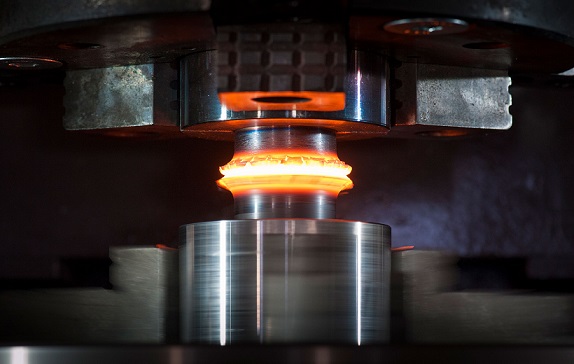
Pressure welding is a group of joining processes that use heat and pressure to join components together. These processes can be categorized into two main groups: resistance welding and friction welding.
Resistance welding involves passing an electrical current through the components being joined, which generates heat at the interface and melts the materials together. The two most common types of resistance welding are spot welding and seam welding. In spot welding, a small area of the components is heated and fused together, while in seam welding, a continuous seam is created along the length of the components.
Friction welding involves rubbing two components together at high speed to generate heat, which melts the materials and creates a bond between them. The two most common types of friction welding are rotary friction welding and linear friction welding. In rotary friction welding, one component is rotated against another component until they heat up and bond together. In linear friction welding, the components are moved back and forth against each other until they bond together.
The wider discipline
Welding Simulation
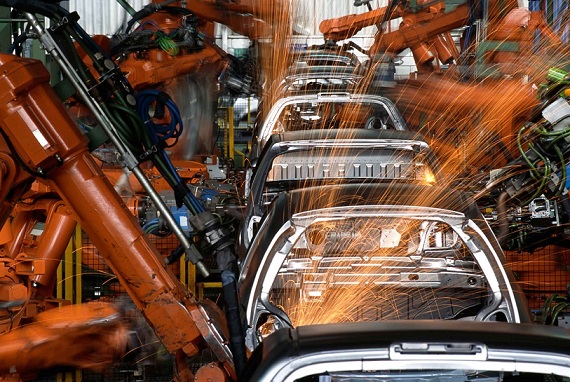
OLTRION engineers simulate the Welding with innovative CAE and virtual prototyping available in the non-linear structural codes such as LS-DYNA, Ansys and ABAQUS. The Finite element analysis of welding include Arc Welding, laser Beam Welding, RSW, FSW and transfer the results of welding simulation for next simulation like NVH, Crash test, Tension, Compression and shear test and fatigue simulation.
More in Welding Simulation
View the section →
Capabilities that sit beside this one
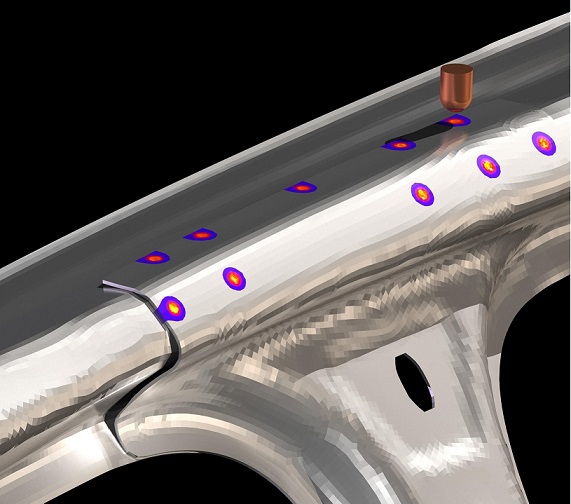 Resistance Spot Welding
 (RSW) is a pressure welding process used to join two metal sheets together. In RSW, copper electrode welding guns …
Open capability
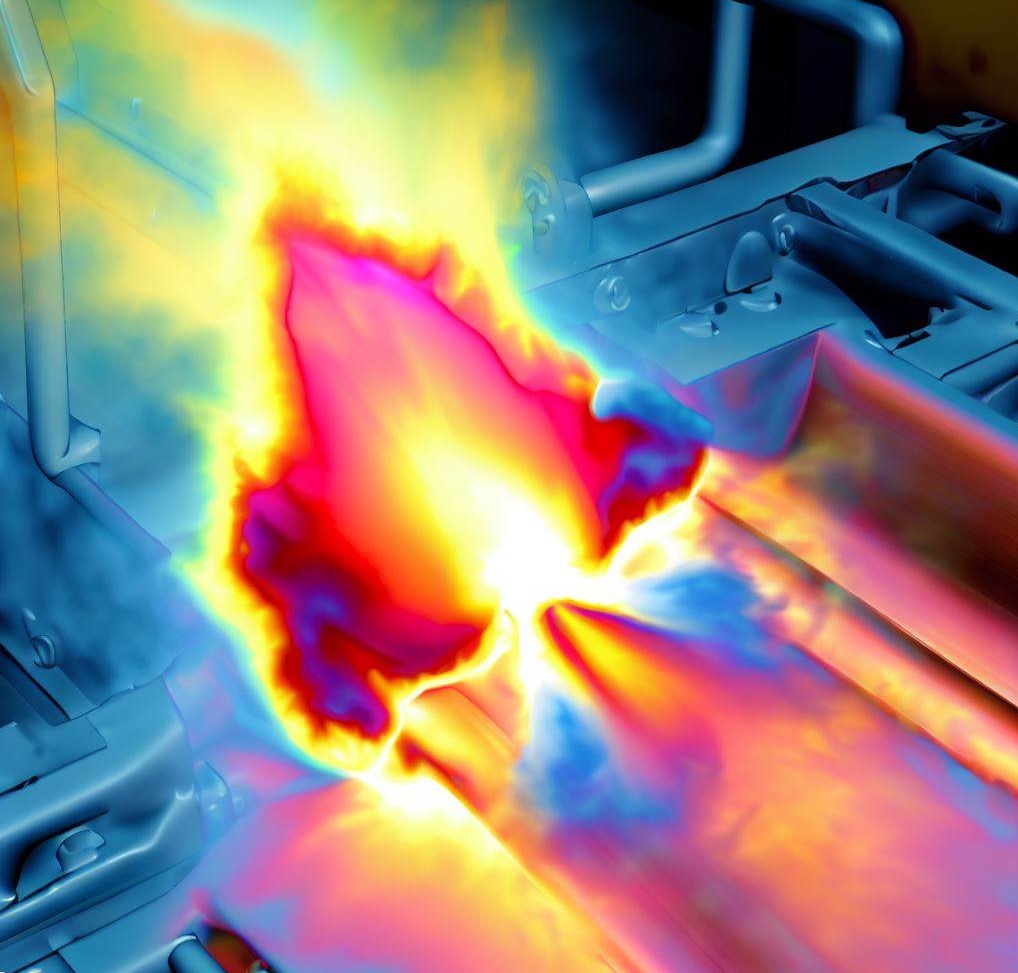 Welding Stress Relief Heat Treatment
Stress relieving is a heat treatment process that is commonly used after welding to reduce residual stresses in the assembly. The process …
Open capability
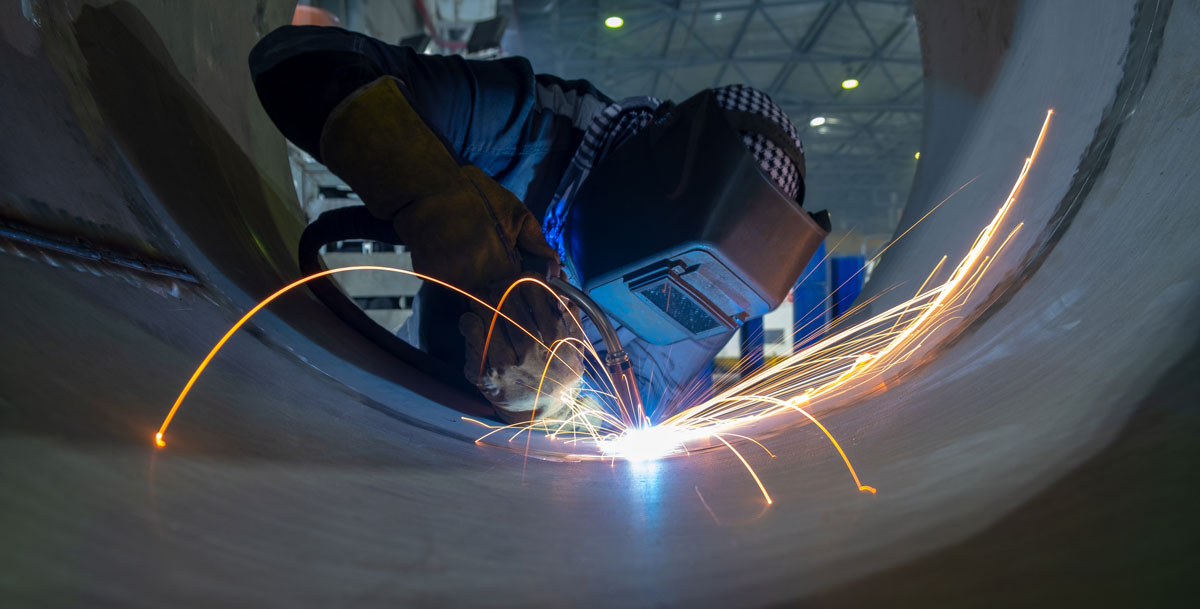 Arc Welding
Arc welding processes, such as SMAW, GMAW (MIG), GTAW (TIG), SAW, and others, are widely used in various industries due to their …
Open capability
 Finite Element Simulation of Brazing
Brazing is a thermal joining process that uses a melted filler material to connect metal components. The filler material typically has a …
Open capability
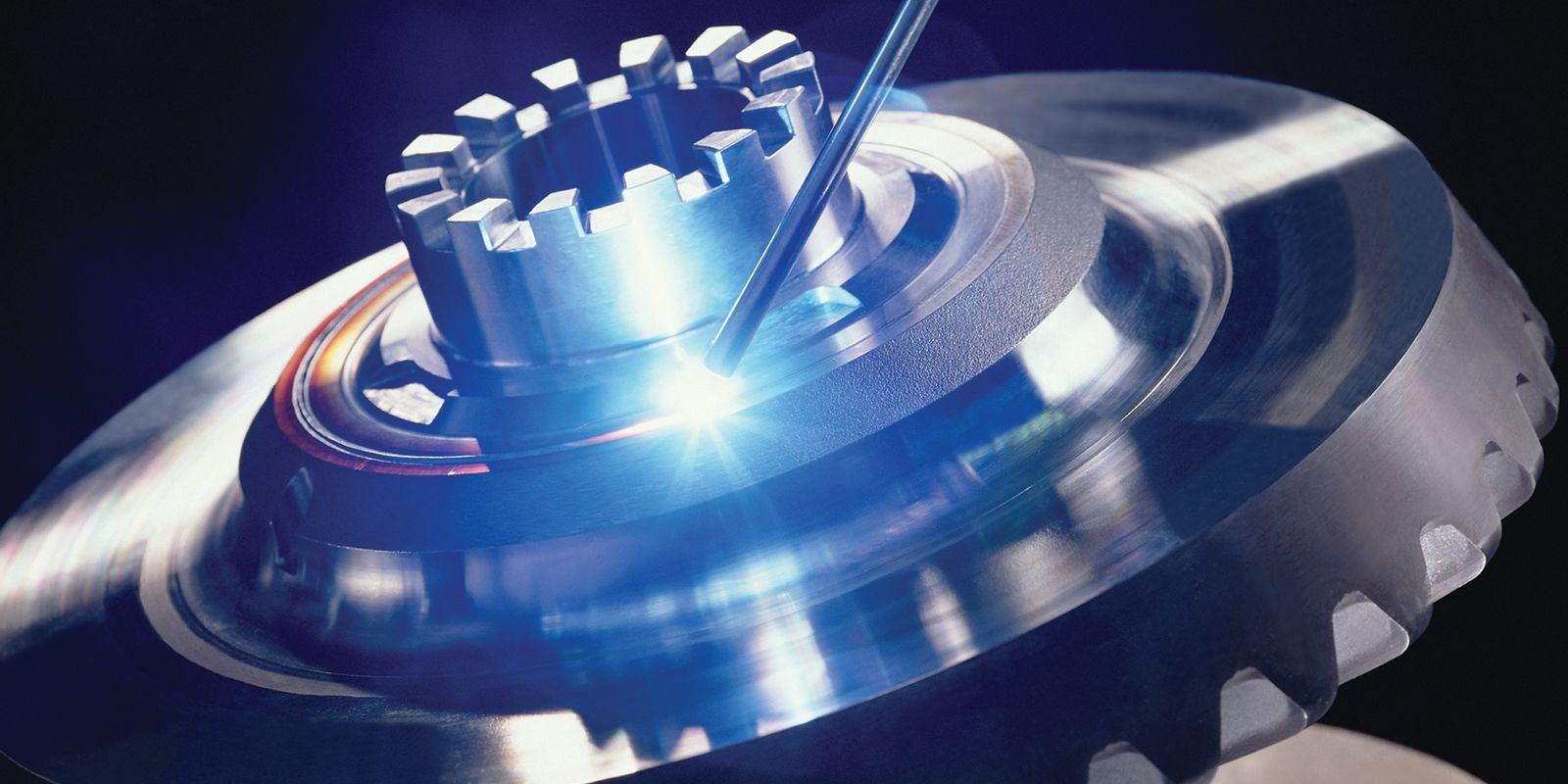 Laser and Electron Beam Welding FEA Simulation
Laser beam welding is a process that uses a high-energy laser beam to heat and weld metal components together. The laser beam …
Open capability
Across Finite Element
Other Simulation Area
Acoustics and Vibration
NVH for Hybrid & Electric Vehicles
Our engineers provide solutions to optimize electric motor noise behavior while leaving electromagnetic performance unchanged. This involves analyzing …
Additive Manufacturing
Plastics & Reinforced Polymers
Advanced additive manufacturing simulation platforms such as MSC Digimat, Ansys, and Abaqus are powerful tools that can be …
Blast, Explosion & Fire
What is the best numerical method for blast, explosion and fire simulation?
The choice of the best numerical model for blast, explosion and fire simulation depends on various factors such …
Composite Materials
Discontinuous Fiber Composites
Discontinuous fiber composites (DFC) are a type of composite material that are made by compressing pre-impregnated fiber chips, …
Crash Test Simulation
School Bus Crashworthiness
School buses are unique vehicles designed to carry children, and they require special safety features to ensure that …
Durability & Fatigue Life
Fatigue Analysis of Welded Structures
It is crucial to evaluate the fatigue behavior of welded joints as they are often critical components in …
Metal Forming Simulation
Roll Forming & Ring Rolling
Rolling processes are used in all areas of forming technology, both in hot forging and cold forming, and …
Multibody Dynamics
Robots Dynamics & Performance Assessment
Robots have become an increasingly important part of modern manufacturing and industrial processes. To design and optimize robot …
Thermal Analysis
Passenger Thermal Comfort
The thermal and acoustic comfort of passengers is a critical design criterion for the air-conditioning and customization of …
VTOL, eVTOL & UAM
Aeroacoustics Wind Tunnel Testing
The airframe noise generated by landing gear, flaps, slats, and other high-lift devices is a major contributor to …
Working on pressure welding?
Tell us the geometry, the physics and the decision it has to support.
Talk to an engineer