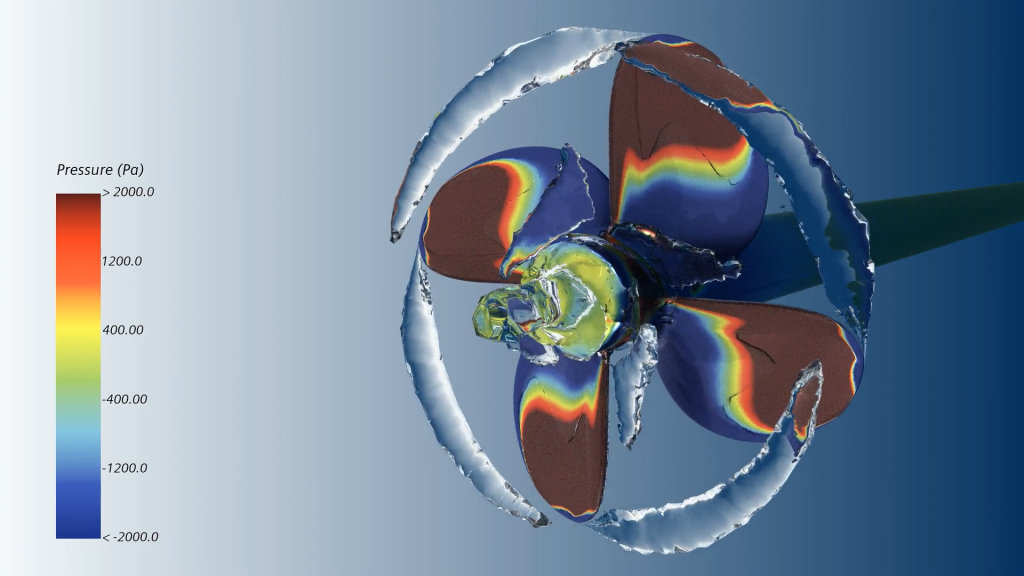
From the design and manufacture of small recreational craft to large oil tankers, using FEA- and CFD-based simulation, OLTRION assists shipbuilders and boat designers to develop higher-performing, safer and lower-cost vessels. Through the application of simulation technology and consulting services, OLTRION helps the marine and shipbuilding industry solve complex engineering challenges and mitigate environmental risks associated with seagoing loads including …
Read the full brief →
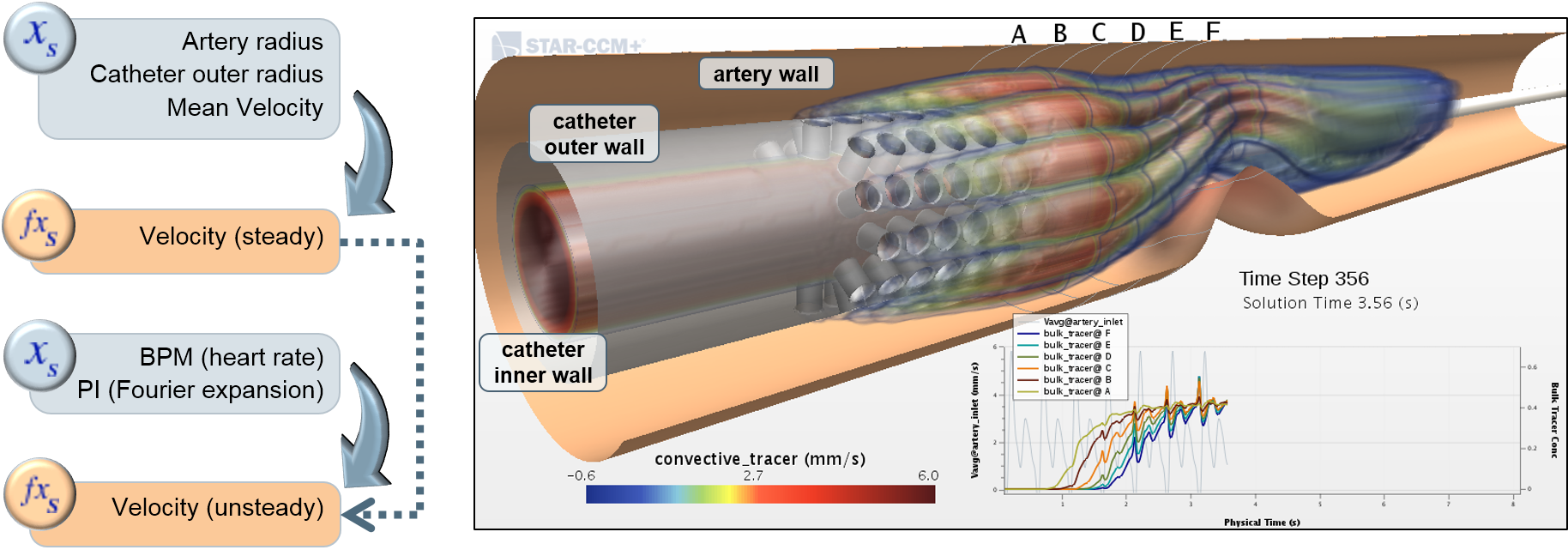
FEA- and CFD-based simulation design and analysis is playing an increasingly significant role in the development of medical devices, saving development costs by optimizing device performance and reliability, reducing benchtop tests and clinical trials, and helping to speed the regulatory approval process. Developing increasingly complex medical devices requires increasingly capable tools for simulation and testing. Our deep portfolio of simulation …
Read the full brief →
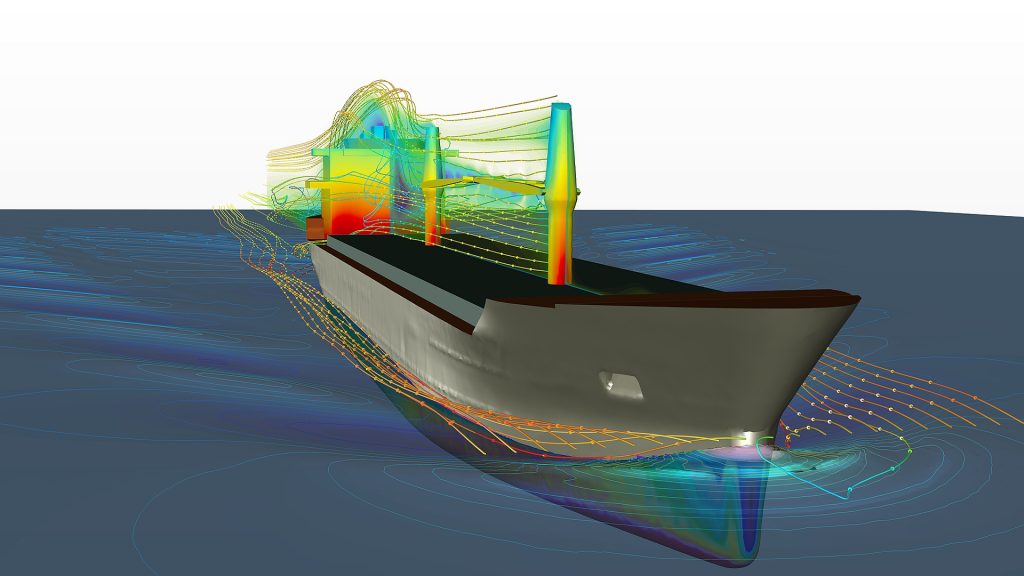
Hydrodynamics is a common application of CFD and a main core of OLTRION expertise. CFD allows the steady-state and transient hydrodynamics of hydrofoils, submersible vehicles, propellers, impellers, marine structures and marine plant to be computed with extremely high levels of accuracy. System properties such as mass flow rates and pressure drops and fluid dynamic forces such as lift, drag and …
Read the full brief →
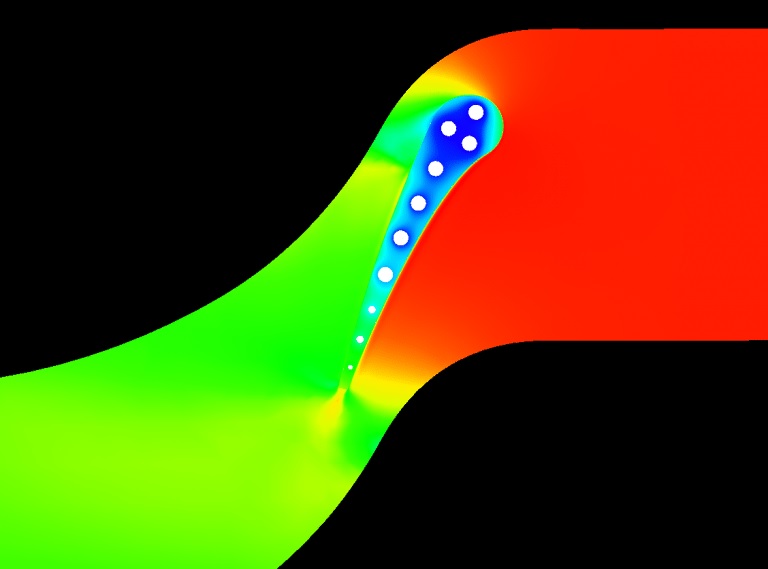
Solving thermal problems with CHT limits the engineer to the physical models that are contained within the CFD solver. More complex problems, such as those involving multimaterial structures or more accurate heat transfer coefficient (HTC) boundary conditions, can be solved by linking the CFD solver to a structural solver. Transferring solid temperature fields from CFD CHT simulations to a structural …
Read the full brief →
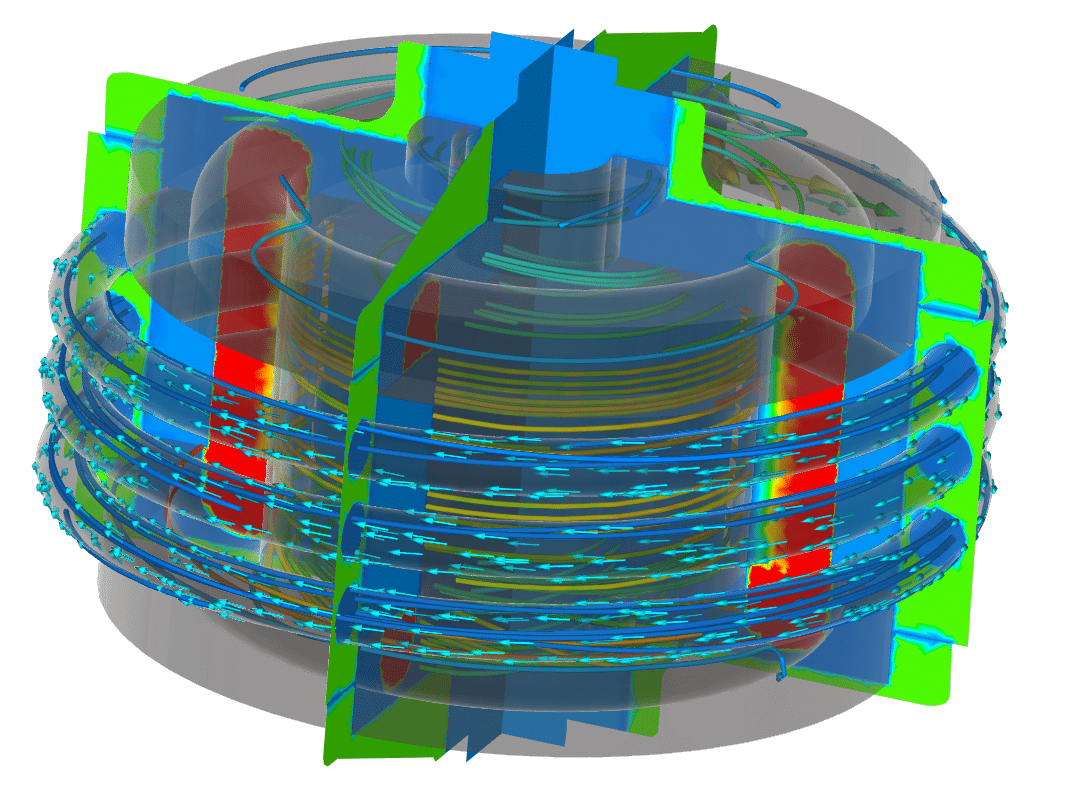
Simulating the thermal performance of a product early in the design phase can save large amounts of time and money by getting the design of the early prototypes right from a thermal management standpoint, thus reducing the need for additional prototypes that might otherwise be required to diagnose and correct thermal issues. Simple computational fluid dynamics (CFD) software can be …
Read the full brief →
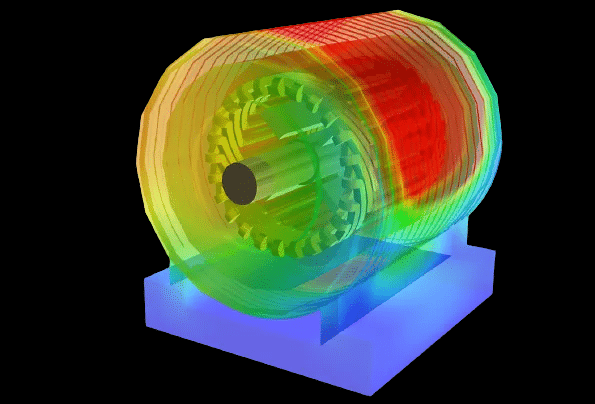
Applications such as leakage paths and thin film flows where thermal-stress induced structural deformation affects fluid flow present an even more difficult simulation challenge. These applications can be simulated with two-way coupled CFD and structural thermal simulation. With this approach, the fluid flow solution is applied to the structure and the deformation of the structure is in turn applied to …
Read the full brief →