

Industries Marine & Shipbuilding
Hydrodynamic Performance of Ship Hull
FEA & CFD based Design and Optimization for Marine and Shipbuilding Industry
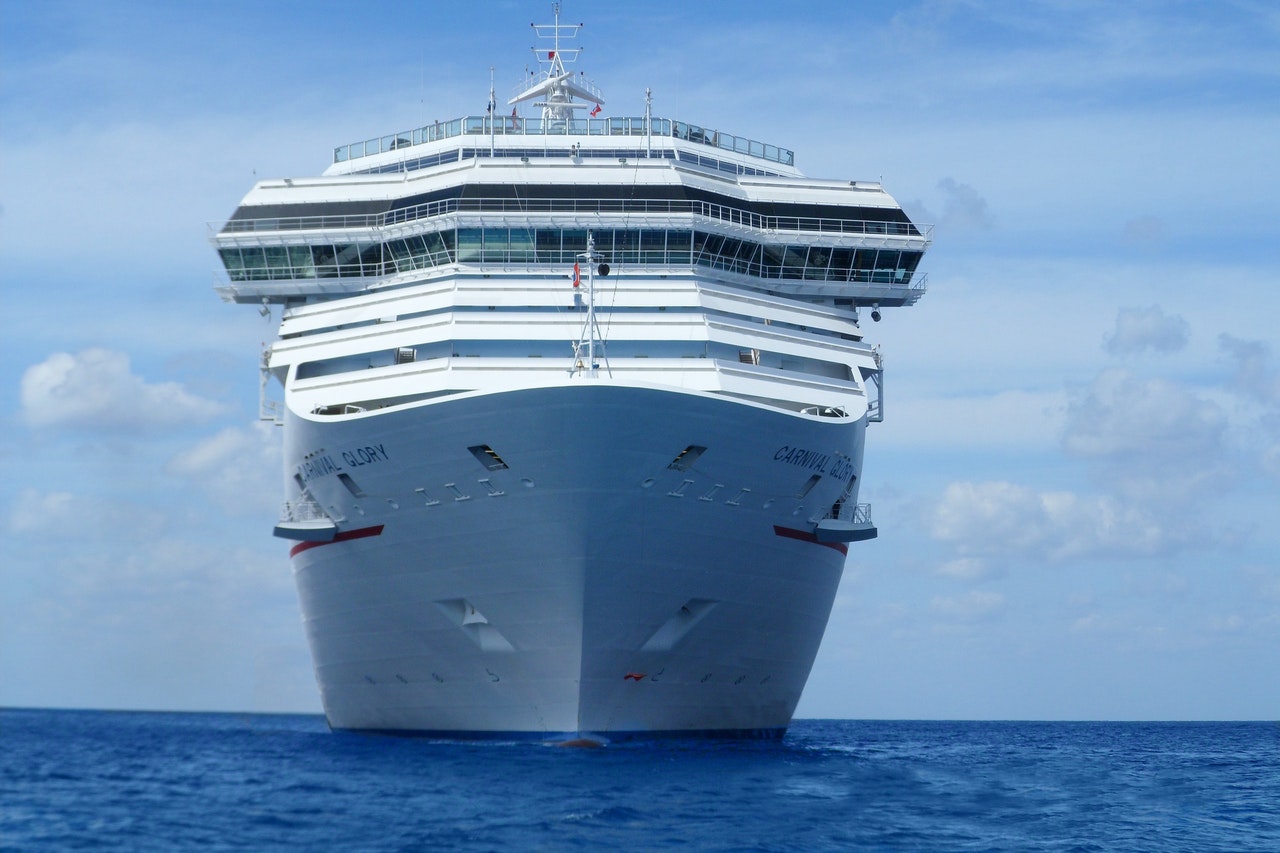
The hull design can significantly impact a vessel's speed, stability, fuel consumption, and overall operating costs. Traditionally, vessels have been optimized for a single operating condition, such as the contract speed at design draft. However, with the help of advanced computational fluid dynamics (CFD) tools and modern computers, it is now possible to optimize a vessel's hull design for a range of operating conditions.
CFD allows engineers to model and simulate the flow of water around the hull of a vessel under different conditions, such as varying vessel speeds, drafts, and trims. By analyzing the results of these simulations, engineers can identify areas of the hull design that may be causing drag or turbulence, and make modifications to improve the overall hydrodynamic performance.
By optimizing the hull design for lower resistance at slow speeds, vessels can achieve greater fuel efficiency when operating in port or in calm waters. Conversely, optimizing for higher speeds can improve a vessel's performance in open seas or in rough weather conditions.
In addition to optimizing the hull design for different operating conditions, CFD can also be used to analyze the impact of different design features, such as bulbous bows or stern flaps, on the vessel's hydrodynamic performance.
The wider discipline
Marine & Shipbuilding
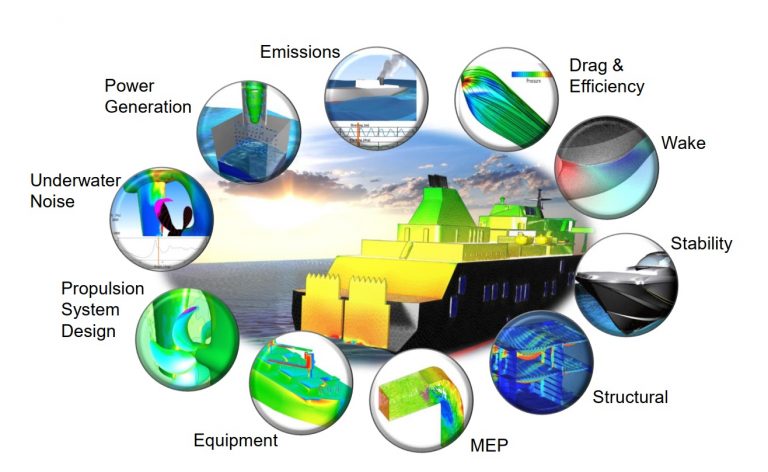
Finite Element Analysis (FEA) and Computational Fluid Dynamics (CFD) are widely used in the marine and shipbuilding industry to optimize the design of ships and boats.
One application of FEA in shipbuilding is to analyze the structural integrity of the vessel under various loading conditions. This can include analyzing the stresses and strains on the hull, the performance of the propulsion system, and the behavior of the vessel in waves and other environmental conditions.
CFD simulations, on the other hand, can be used to analyze the fluid dynamics around the …
More in Marine & Shipbuilding
View the section →
Capabilities that sit beside this one
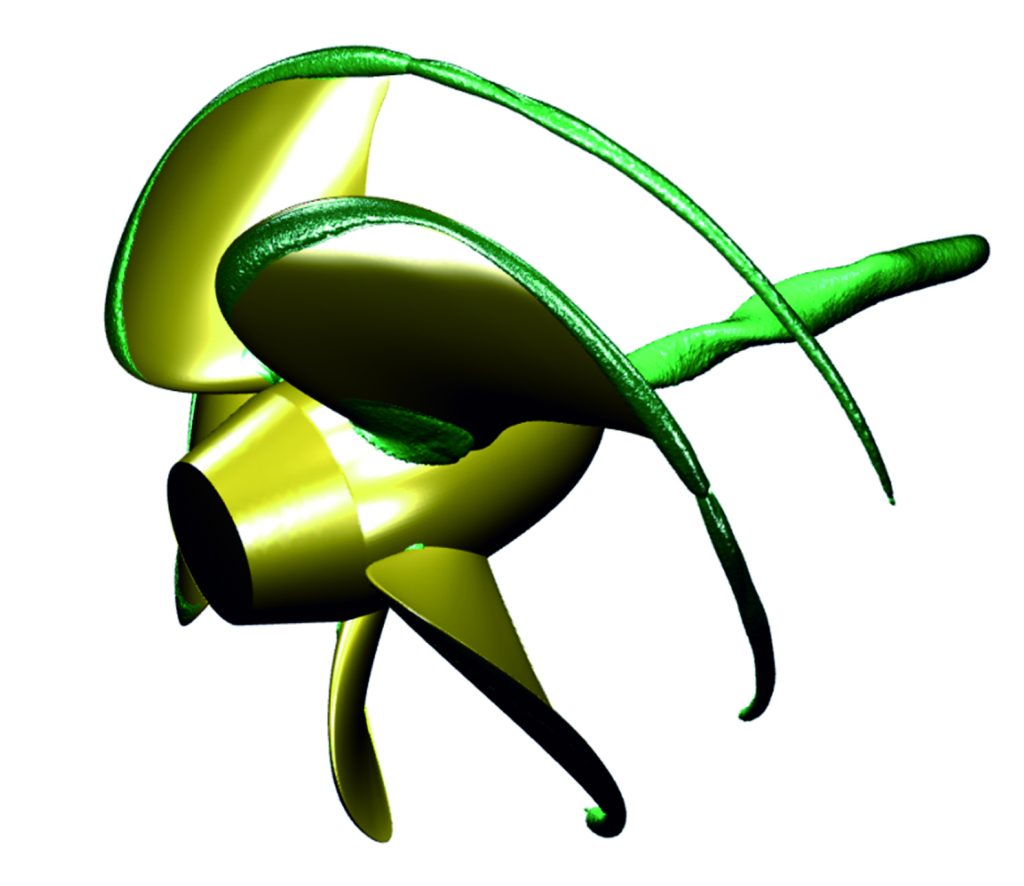 Propulsion Systems and Cavitation
Propulsion systems are a critical component of marine and shipbuilding industry. The propulsion system is responsible for providing the necessary power to …
Open capability
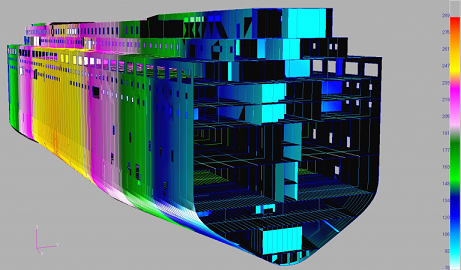 Structural Dynamics Integrity
Structural-borne noise and vibration need to be minimized for passenger comfort and reduced environmental impact. Our full suite of vibro-acoustics simulation, and …
Open capability
 HVAC Design
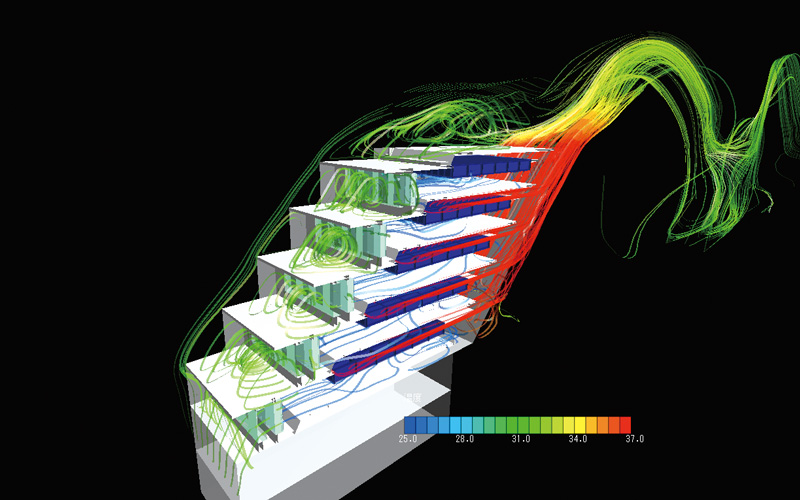
HVAC (Heating, Ventilation, and Air Conditioning) systems are an essential component of marine and shipbuilding projects, providing climate control and ventilation for …
Open capability
Across Industries
Other Simulation Area
Aerospace & Defense
Composites Design
Composite materials are widely used in the Aerospace and Defense industry for their high strength-to-weight ratio, durability, and …
Automotive Engineering
Flow, Combustion and Emission
CFD Simulation for Internal Combustion Engines CFD simulation is a powerful tool in the automotive industry for predicting …
Chemical Processing
Heat Transfer-Equipment
OLTRION engineering simulation for heat transfer solutions help clients to gain critical insight, and select the right design …
Civil Engineering
Dam Analysis
Dam analysis is a critical area of expertise within civil engineering, as the stability and safety of dams …
Energy & Power Industry
Hydropower, Solar Power & Biomass
Simulation and Optimization of Renewable Energy Systems Key aspects of renewable energy system simulation: ▶ Hydropower simulation: Hydropower …
Industrial Equipment & Rotating Machinery
Failure analysis
Failure analysis is a critical process that involves investigating and determining the root cause of a component or …
Medical & Biomedical Devices
Finite Element Modeling for Craniomaxillofacial and Plastic Surgery
Here at OLTRION, our engineers can develop finite element models of both craniomaxillofacial and plastic surgery reconstructive procedures. …
Seat Design
Meat-to-metal simulation
Meat-to-metal simulation is a method that evaluates the contact between the occupant’s body and the seat structure, taking …
Working on hydrodynamic performance of ship hull?
Tell us the geometry, the physics and the decision it has to support.
Talk to an engineer