

Industries Seat Design
Seat Dynamic Comfort Design
Aircraft and Automotive Seat Design: Finite Element and CFD Simulation for Static & Dynamic Comfort, Whiplash, Acoustic & Thermal Comfort, Vibration, and Crash Test
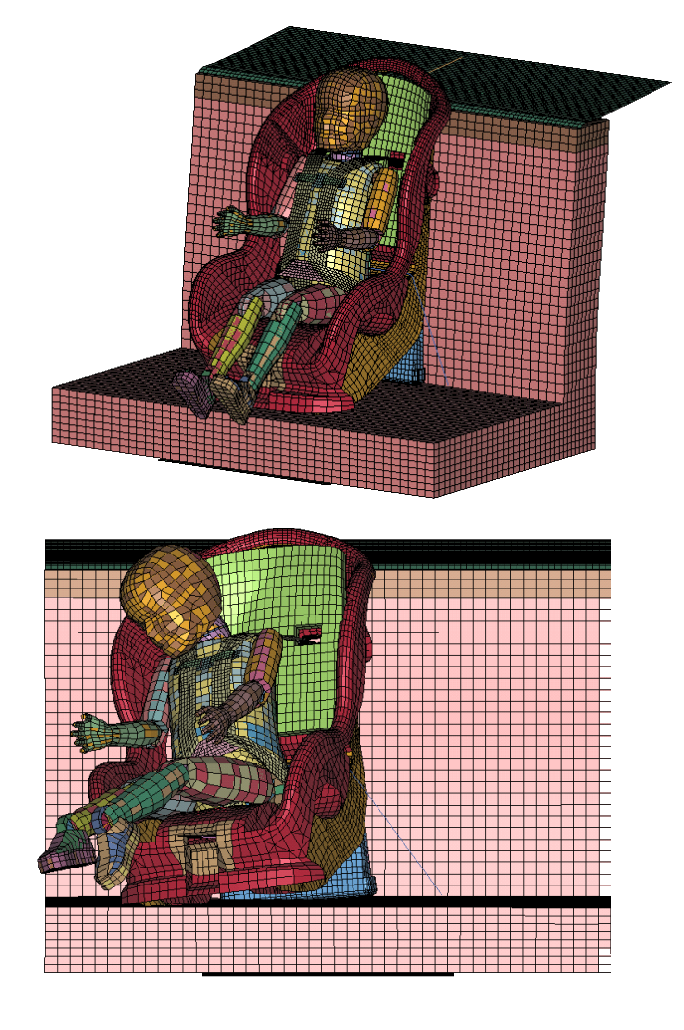
The dynamic comfort design of a car seat is crucial in ensuring the comfort of the occupant and reducing driving fatigue. It involves optimizing the seat’s dynamic characteristics to isolate sensitive vibrations that may cause discomfort and fatigue in the occupant.
The primary source of vibration that affects driving fatigue is the random vibration of the vehicle and the mechanical vibration caused by uneven roads during driving. The driver experiences linear vibrations in the longitudinal, lateral, and vertical directions, as well as angular vibrations in these three directions. Vibration is transmitted to the buttocks and back of the human body through the seat, causing systemic vibration.
To improve dynamic comfort design, the following functions can be achieved using finite element simulation tools such as Ansys LS-DYNA, Simulia Abaqus, ESI Pam-Crash and Altair RADIOSS:
- ▶ Reduce the seat resonance frequency to minimize high-frequency areas most influential to the human body.
- ▶ Reduce vibration transmission rate during resonance to lessen impact below the spring.
- ▶ Minimize vibration transmission around the occupant at 10 Hz to reduce resonance influence and seat-back high-frequency vibration.
- ▶ Consider the road surface, tire, suspension, and seat–occupant as a complete dynamic system to reduce fatigue under varying road inputs.
- ▶ Optimize the seat’s dynamic characteristics to minimize energy input into the body, reduce response in sensitive frequency regions, and lower RMS acceleration transmitted.
The use of high-quality materials with excellent shock-absorbing properties, active vibration control technology, ergonomic seat shape design, and consideration of psychological comfort factors can further enhance dynamic comfort.
Seat dynamic comfort design is not only about comfort but also safety. It meets all federal regulations and crash-safety standards for automotive seats, and includes features such as side airbags, pretensioned seat belts with force limiters, and headrests that prevent whiplash injuries. Simulation results are reported according to ISO 2631 (Mechanical vibration and shock — Evaluation of human exposure to whole-body vibration).
Seat Design
Finite Element and CFD-based design can help ensure the right occupant …
Capabilities that sit beside this one
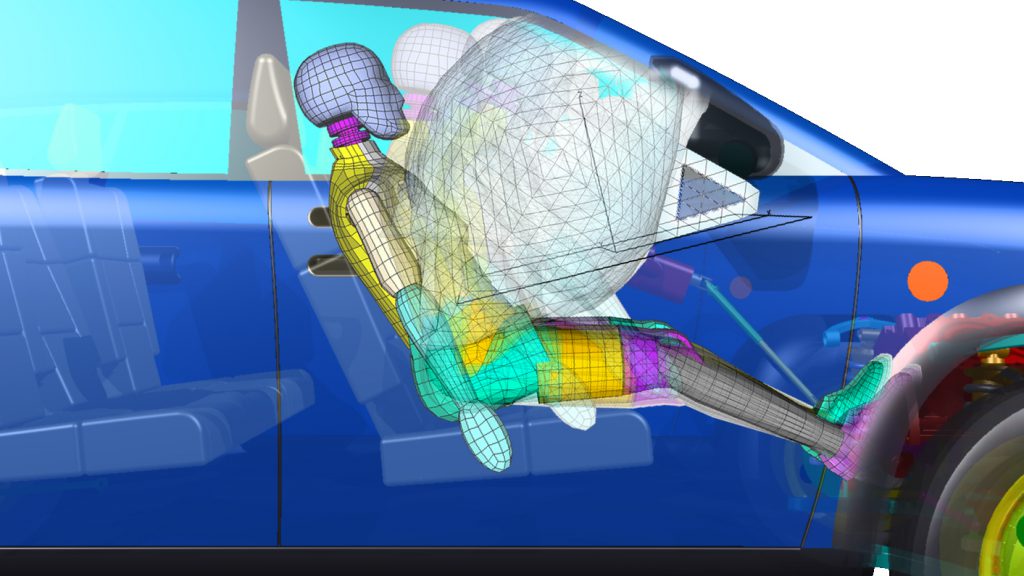 Meat-to-metal simulation
 is a method that evaluates the contact between the occupant’s body and the seat structure, taking into account the deformation …
Open capability
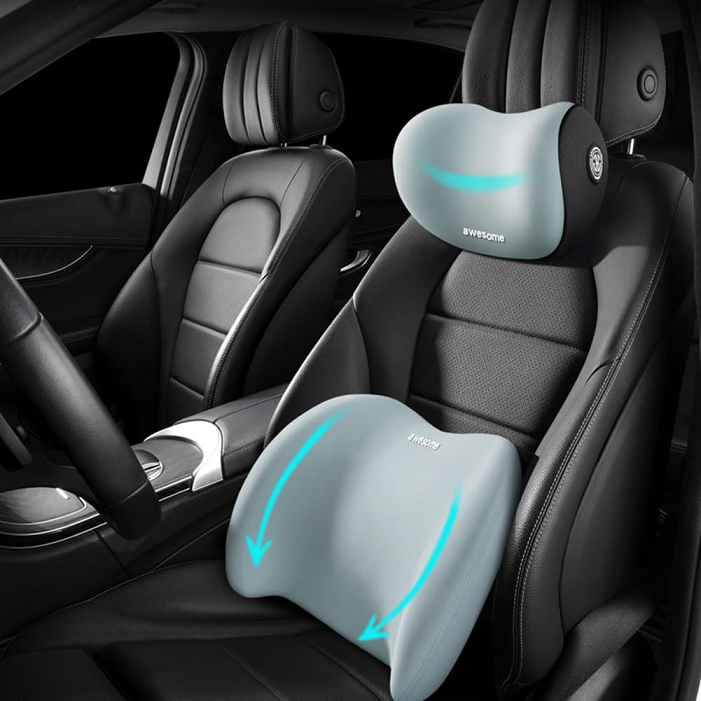 Lumbar support for Car Seat
Lumbar support is an important feature in automotive seating, as it can help reduce lower back pain and fatigue for occupants. Finite …
Open capability
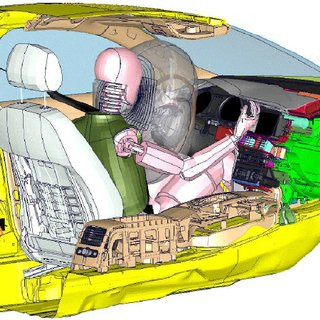 FEA Simulation for Seat Softness and Hardness Prediction
Our engineering team’s finite element simulation expertise allows us to test the softness and hardness of the seat, helping optimize the design …
Open capability
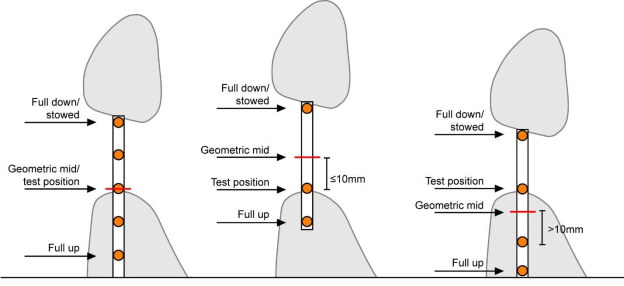 FMVSS 202a: Head Restraints – Methodology and Equipment for the Static and Dynamic Test
In the proposed FMVSS No. 202a, manufacturers were given the option of meeting either of two sets of requirements. The first set …
Open capability
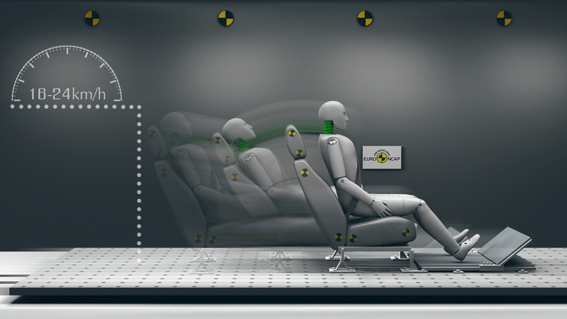 Japan NCAP, Euro NCAP and China NCAP Regulation for Seat Whiplash Assessment
Although whiplash injuries can occur in any kind of crash, an occupant’s chances of sustaining this type of injury are greatest in …
Open capability
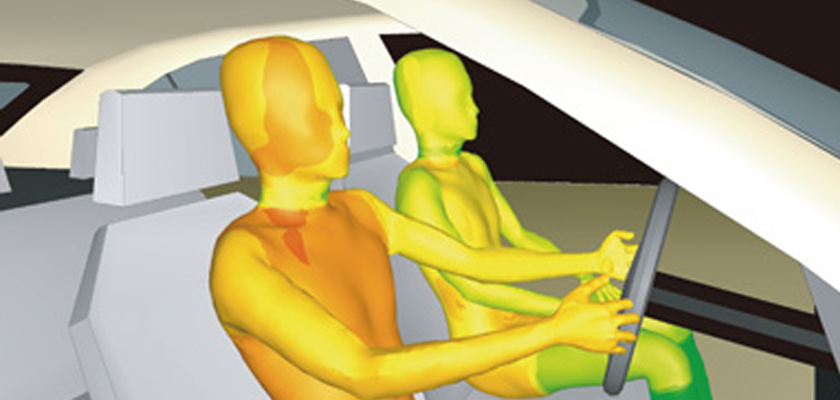 Seat Thermal Comfort Design with CFD and FEA (Finite Element) Simulation
Heated and Cooled Seat Thermal Comfort Simulation Heated and cooled seats are no longer exclusive to luxury cars, as more carmakers offer …
Open capability
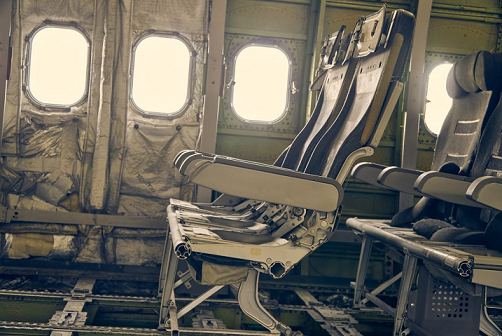 Aerospace Seat Design: Federal Aviation Administration (FAA) and European Aviation Safety Agency (EASA)
Aerospace Seat Design Regulations: FAA and EASA In the United States, the Federal Aviation Administration (FAA) sets the standards for aerospace seat …
Open capability
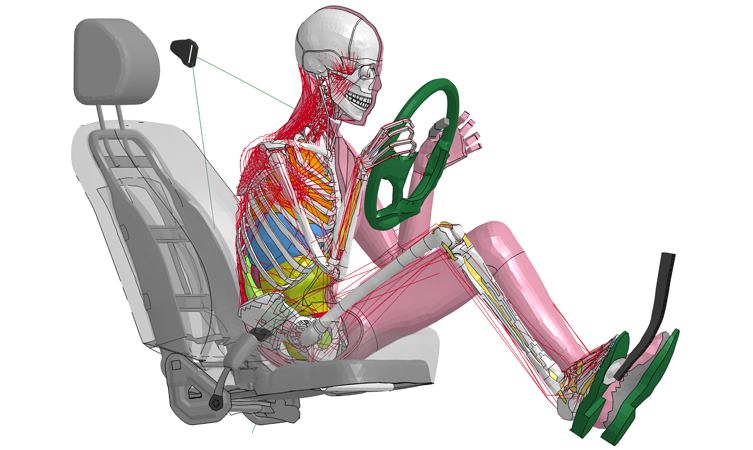 Dummies for Crash Test Simulation
Crash Test Dummies & Human Models Frontal Impact Dummies Hybrid II (50th percentile) rigid dummy for aeronautics applications Express Hybrid III 50th …
Open capability
Other Simulation Area
Working on seat dynamic comfort design?
Tell us the geometry, the physics and the decision it has to support.
Talk to an engineer