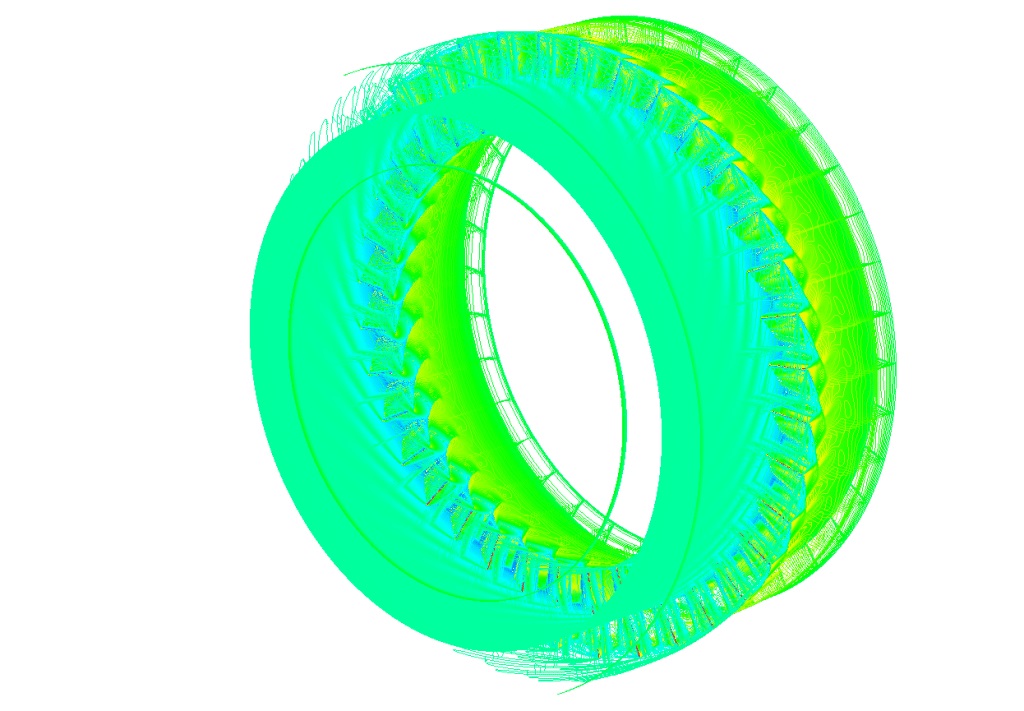
Aerodynamic noise is a type of noise that is generated by the motion of fluids, around objects. Examples of aerodynamic noise include wind noise around buildings or vehicles, and noise generated by aircraft engines. To predict aerodynamic noise, simulations can be performed using computational fluid dynamics (CFD) software. Specifically, Large Eddy Simulation (LES) can be used to model turbulent flows, …
Read the full brief →
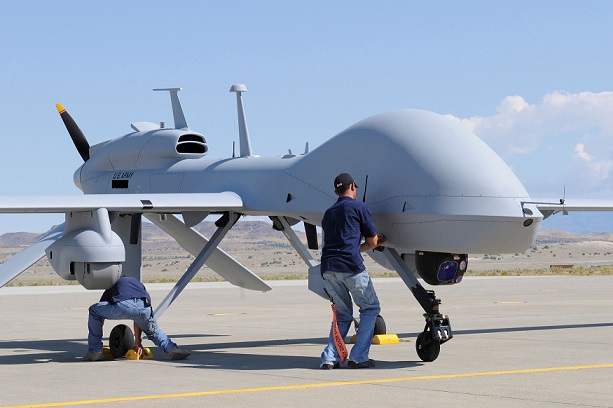
Aerodynamic simulation is a crucial tool in the design and optimization of drones. By simulating the flow around the drone and analyzing the resulting forces and coefficients, designers can gain insights into how to improve the aerodynamic performance of the drone and reduce drag. Some of the key objectives of drone aerodynamic simulation include accurately predicting aerodynamic forces, such as …
Read the full brief →
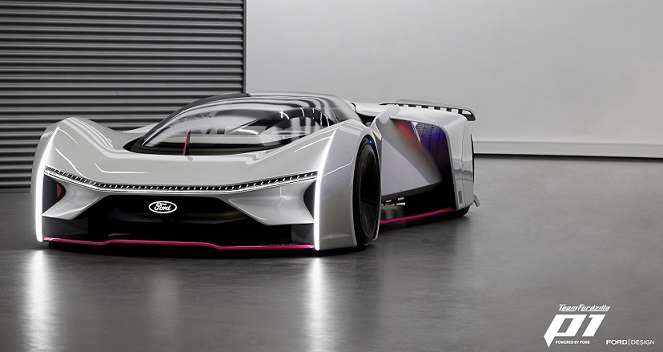
We provide Engineering Analysis of fluid flow over a body, wing or component with Star-ccm+ and Ansys Fluent. We can work from a drawing, CAD file or can scan the geometry of your car or component. A standard analysis includes a report including the following information: Drag Force, Down Force, Drag Coefficient, Pressure Coefficient, Pressure Contour Plot, Velocity Contour and …
Read the full brief →
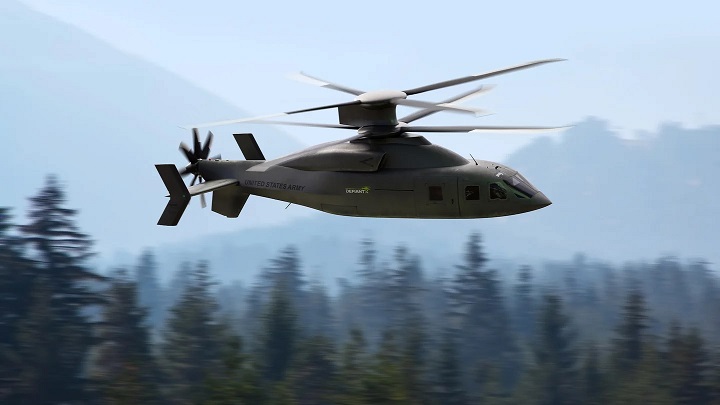
the aerodynamics of helicopter rotors can be quite complex and challenging to simulate accurately. Blade vortex interactions, in particular, can cause significant fluctuations in the lift and drag forces on the rotor blades, which can lead to vibration and noise. To simulate the aerodynamics of helicopter rotors, we typically use computational fluid dynamics (CFD) software such as Star-CCM+ or ANSYS …
Read the full brief →

With deep Knowledge in FEA and CFD and combining or coupling different CAE tools for real world simulation such as Ansys Fluent, Siemens Star-ccm+, Abaqus and Nastran, OLTRION engineering team can handle any aerodynamic problem include wind turbine, Wind Farm design and wind effect. In addition to aerodynamic simulation, it is also important to consider the acoustic noise generated by …
Read the full brief →