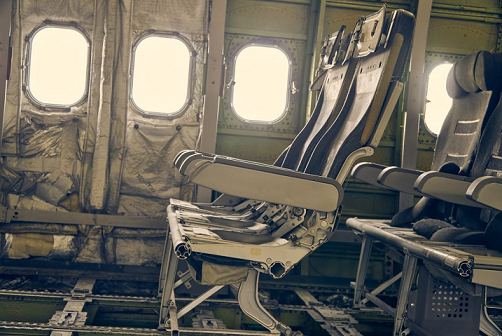
Aerospace Seat Design Regulations: FAA and EASA In the United States, the Federal Aviation Administration (FAA) sets the standards for aerospace seat design regulations through its Technical Standard Orders (TSOs) and Federal Aviation Regulations (FARs). By using FEA according to FAA , our engineers can simulate the structural behavior of an aircraft seat and predict its response to various loading …
Read the full brief →
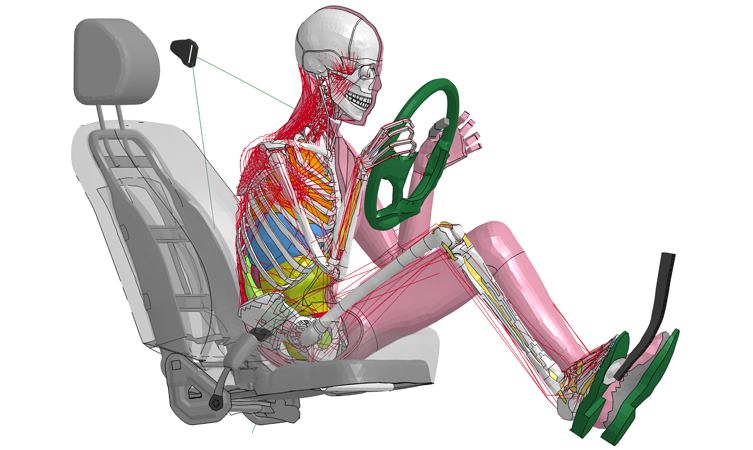
Crash Test Dummies & Human Models Frontal Impact Dummies Hybrid II (50th percentile) rigid dummy for aeronautics applications Express Hybrid III 50th & 5th percentile dummies Hybrid III 50th, 95th & 5th percentile dummies Side Impact Dummies ES2 & ES2-re FTSS SID-IIs SBL C & D US SID SIDHIII WorldSID 50% WorldSID 5% Rear Impact Dummy BIORID IIg Child Dummies …
Read the full brief →
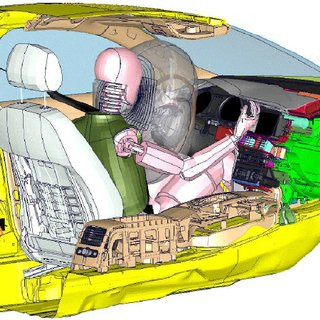
Our engineering team’s finite element simulation expertise allows us to test the softness and hardness of the seat, helping optimize the design and ensure maximum passenger comfort. Our process incorporates international standards, such as SAE J2896 (Motor Vehicle Seat Comfort Performance Measures J2896), to cover all aspects of design and simulation according to global requirements. Additionally, our numerical simulation procedures …
Read the full brief →
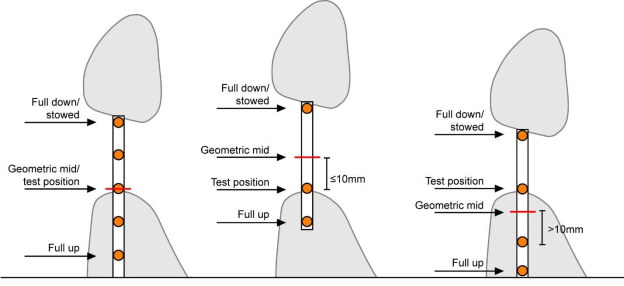
In the proposed FMVSS No. 202a, manufacturers were given the option of meeting either of two sets of requirements. The first set was a comprehensive group of dimension and strength requirements, compliance with which is measured statically. The second set was made of requirements that would have to be met in a dynamic test. NHTSA (National Highway Traffic Safety Administration) …
Read the full brief →
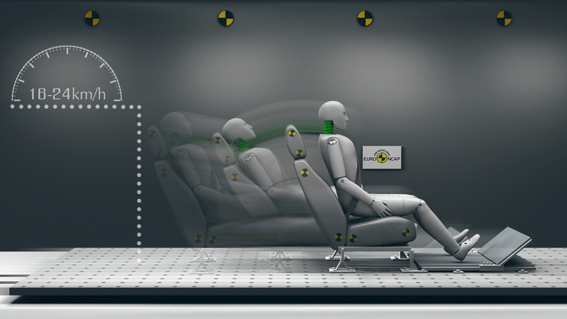
Although whiplash injuries can occur in any kind of crash, an occupant’s chances of sustaining this type of injury are greatest in rear-end collisions. When a vehicle is struck from behind, typically several things occur in quick succession to an occupant of that vehicle. First, from the occupant’s frame of reference, the back of the seat moves forward into his …
Read the full brief →
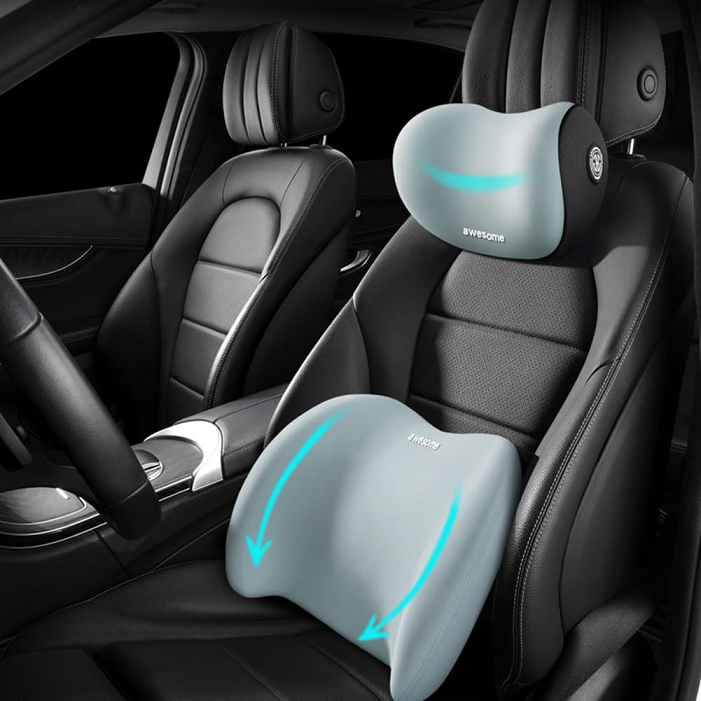
Lumbar support is an important feature in automotive seating, as it can help reduce lower back pain and fatigue for occupants. Finite element simulation allows our engineers to integrate mechanical or pneumatic lumbar support into virtual seat prototypes and analyze the effects on occupant comfort and posture. Special purpose dummies and human models, can be used to simulate the effects …
Read the full brief →
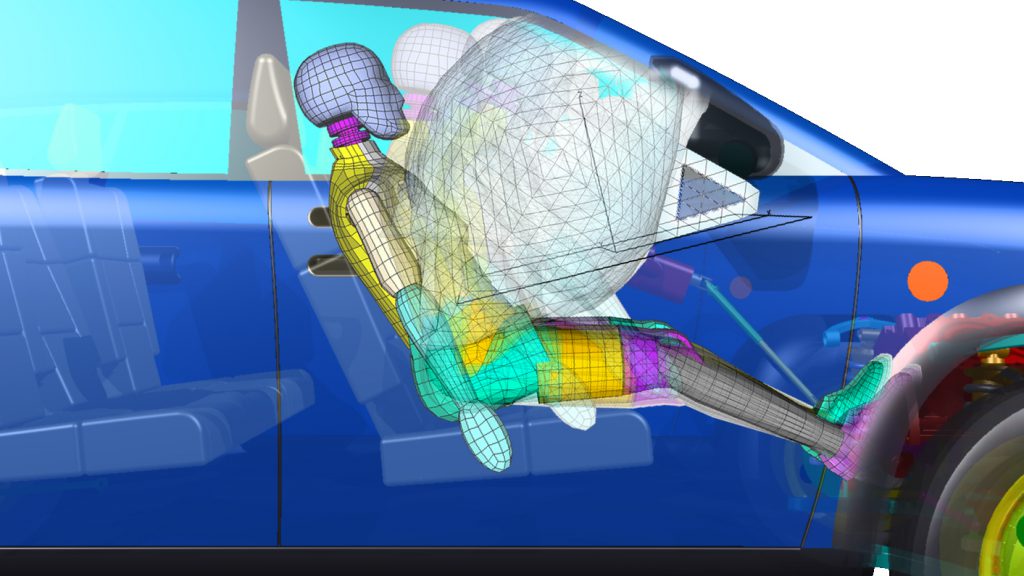
Meat-to-metal simulation is a method that evaluates the contact between the occupant’s body and the seat structure, taking into account the deformation of the foam and the stiffness of the seat structure. This analysis allows engineers to predict the comfort and durability of the seat, and optimize the design to reduce pressure points and improve overall comfort. Meat-to-metal simulation is …
Read the full brief →
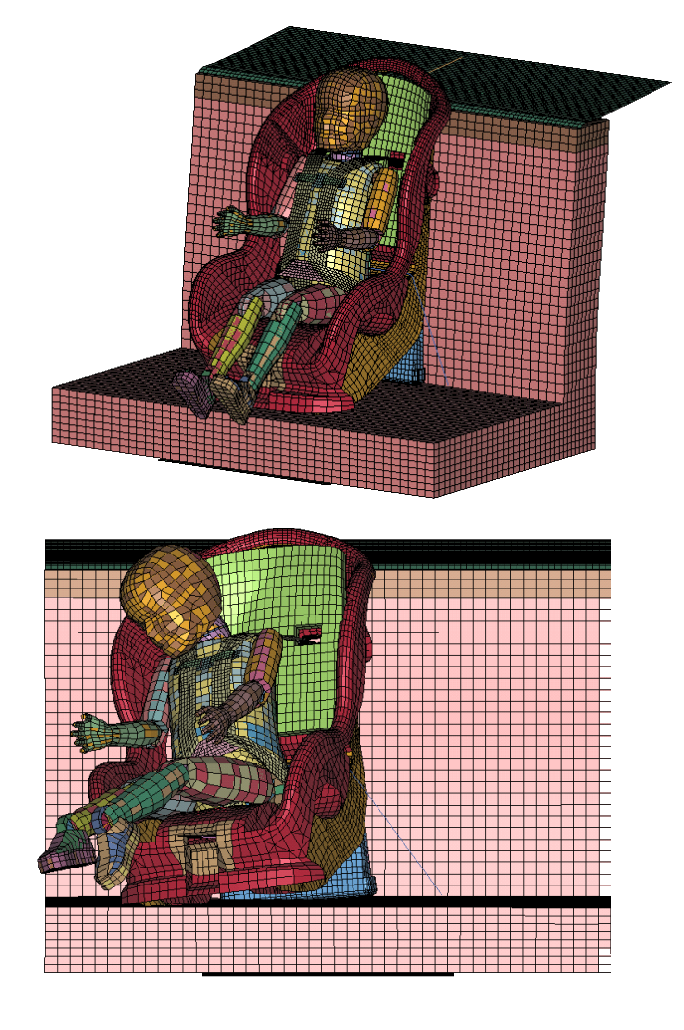
The dynamic comfort design of a car seat is crucial in ensuring the comfort of the occupant and reducing driving fatigue. It involves optimizing the seat’s dynamic characteristics to isolate sensitive vibrations that may cause discomfort and fatigue in the occupant. The primary source of vibration that affects driving fatigue is the random vibration of the vehicle and the mechanical …
Read the full brief →
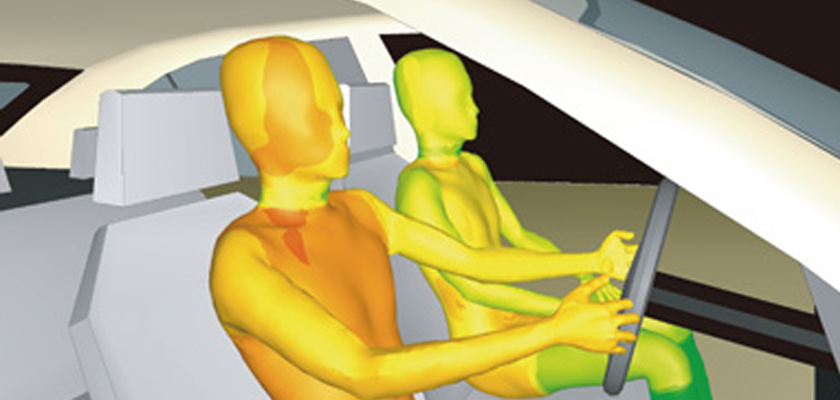
Heated and Cooled Seat Thermal Comfort Simulation Heated and cooled seats are no longer exclusive to luxury cars, as more carmakers offer them for their midrange models. However, designing and optimizing such seats to enhance the occupant’s thermal comfort is a complex process. It involves considering the interactions among the occupant, the seat cover, the cushion foam, and the heating …
Read the full brief →