

Industries Aerospace & Defense
Engine Simulation in Aerospace industry
Advanced Multiphysics Simulation: AI-Integrated CFD & FEA for Aerospace & Defense
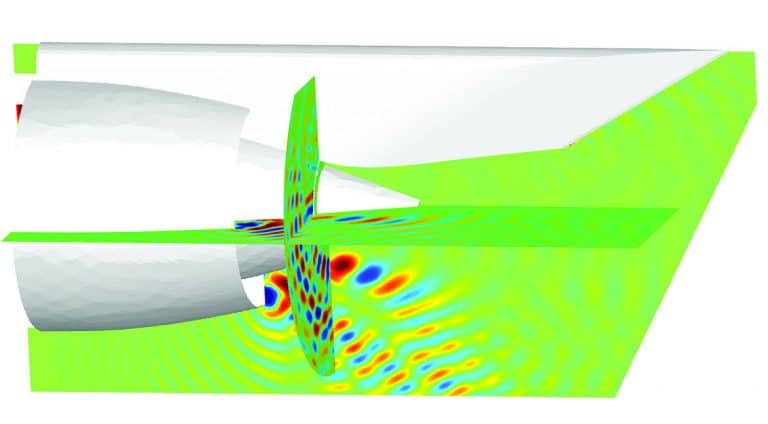
The design and analysis of aircraft engines is a critical area of focus in the Aerospace and Defense industry, as engines play a key role in reducing fuel consumption, CO2 emissions, and noise levels, while also minimizing maintenance costs.
Engine simulations are an essential tool for engineers to optimize the design and performance of aircraft engines. These simulations use a combination of analytical and computational methods to model the behavior of engines under different operating conditions and loads.
One of the key advantages of engine simulations is the ability to analyze multiple domains and engineering challenges simultaneously. For example, simulations can be used to optimize the design of the engine components, such as the combustion chamber, turbine, and compressor, while also analyzing the heat transfer, fluid dynamics, and structural integrity of the engine.
Engine simulations can also be used to optimize the operation of the engine, such as the fuel injection timing and rate, to improve efficiency and reduce emissions. This can help to meet regulatory constraints on noise and emissions while also reducing operating costs.
Furthermore, engine simulations can be used to analyze the performance of the engine under different operating conditions, such as high altitude or extreme temperatures. This can help to ensure the reliability and safety of the engine in all operating environments.
Aerospace & Defense
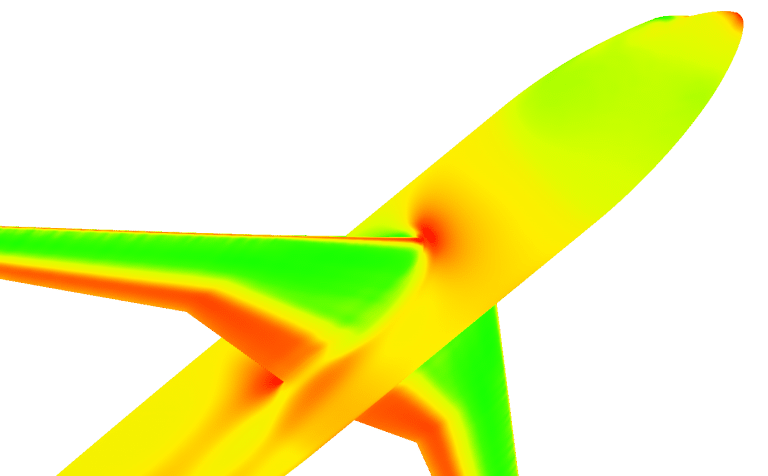
In the Aerospace and Defense industry, CFD is used to analyze the aerodynamics of aircraft, missiles, and rockets, as well as the thermal behavior of engine components. CFD helps engineers optimize the design of the airframe, wings, and propulsion system to …
Capabilities that sit beside this one
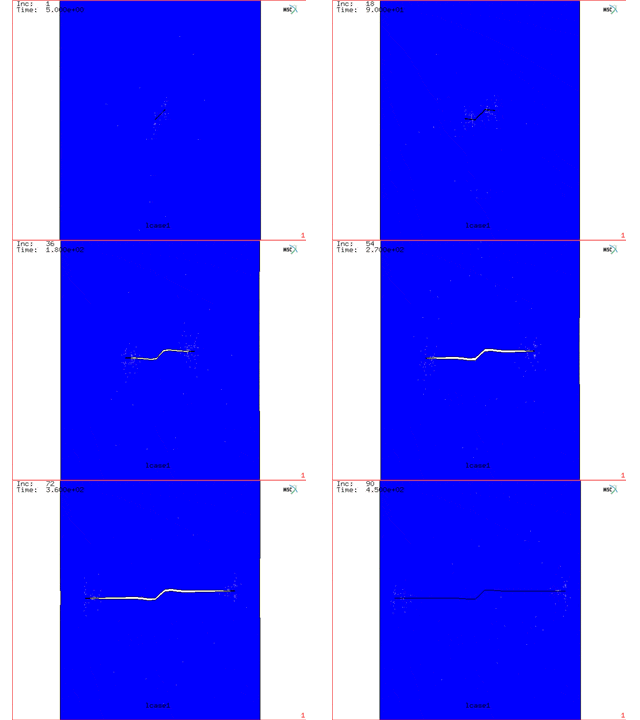 Fracture Simulation
 in Aerospace and Defense Fracture simulation is an important area of focus in the Aerospace and Defense industry, as it …
Open capability
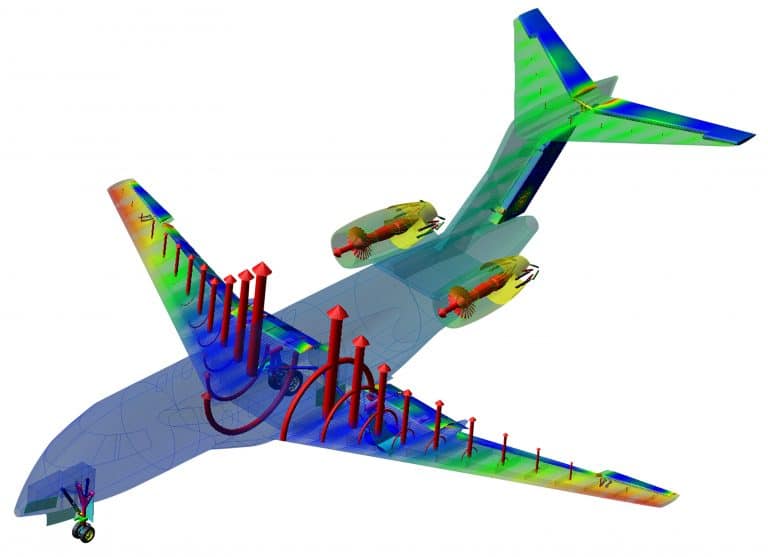 Structural Dynamics
The dynamic response of structures can be affected by a range of factors, including fluid-structure interactions, vibrations, and impact loads. Computational fluid …
Open capability
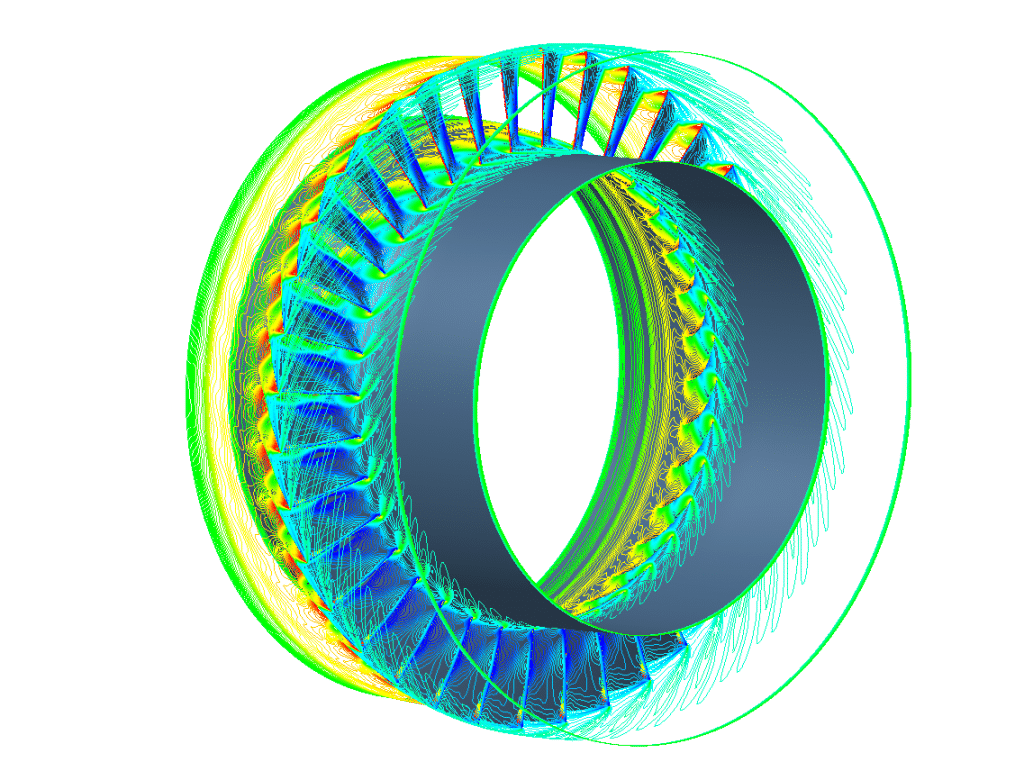 Turbomachinery
The combination of CFD and finite element simulations allows engineers to study the fluid-structure interactions in turbomachinery components, taking into account factors …
Open capability
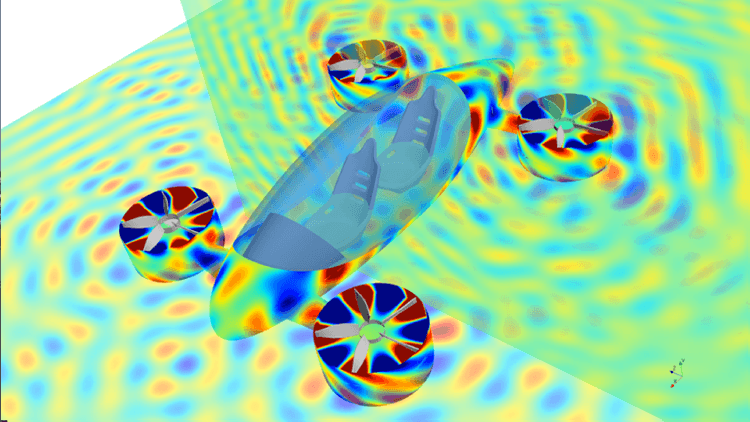 VTOL, e-VTOL and UAM - Urban Air Mobility
Finite Element & CFD based-Design Optimization is a key aspect in the development of Vertical Take-Off and Landing (VTOL), Electric Vertical Take-Off …
Open capability
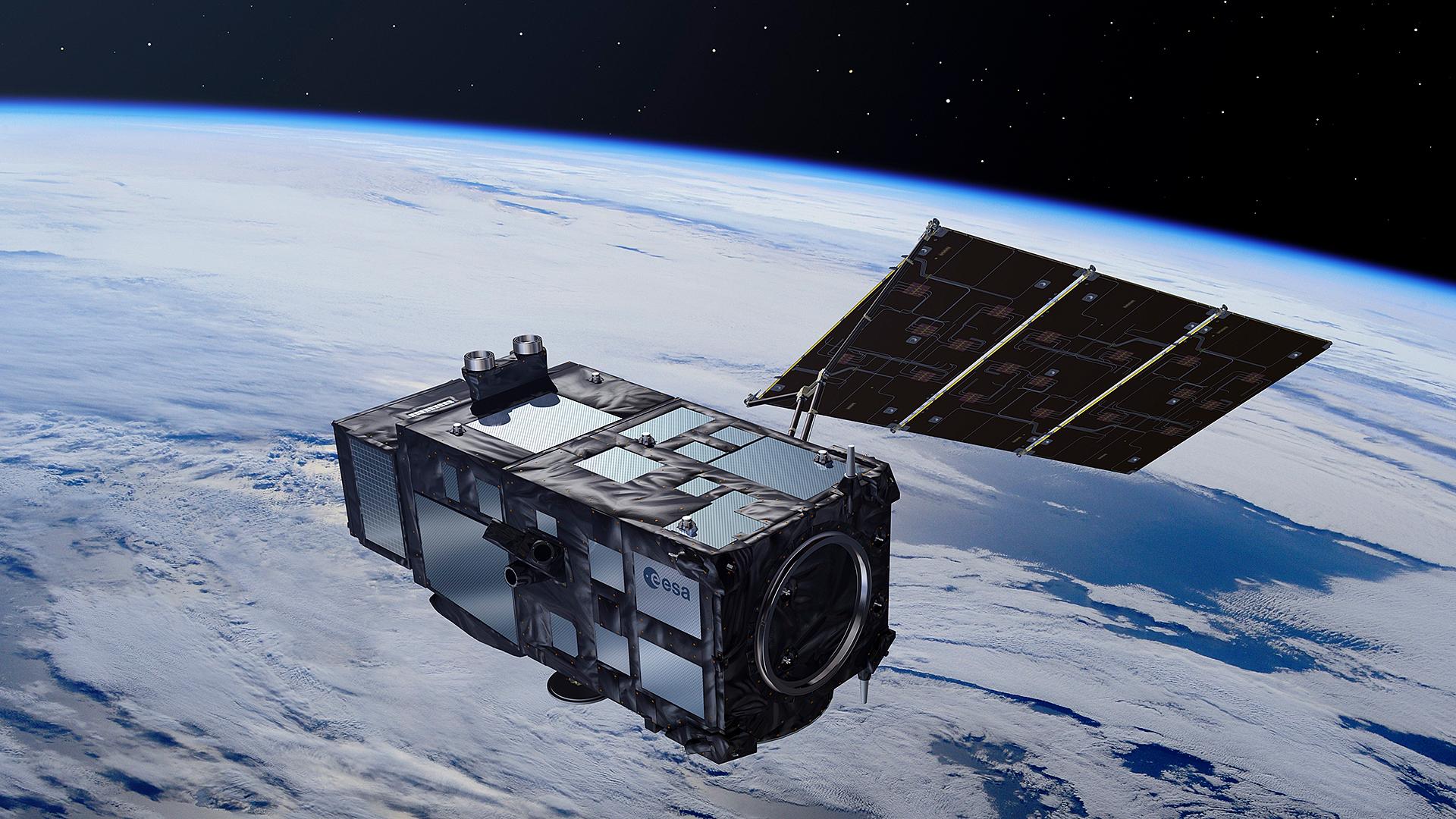 Model-based spacecraft safety and mission assurance
 is a systematic approach to ensuring the safety and reliability of a spacecraft mission using modeling …
Open capability
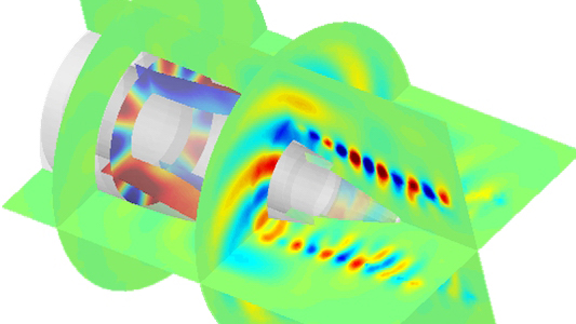 AeroAcoustics and VibroAcoustics
FEA and CFD simulations can be used in Aeroacoustics and Vibroacoustics to analyze the noise and vibration characteristics of aircraft and aerospace …
Open capability
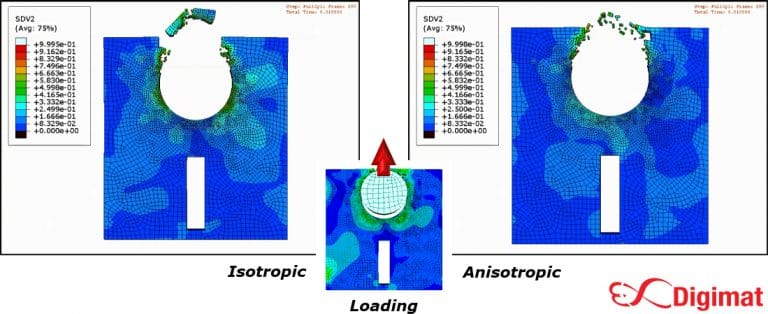 Composites Design
Composite materials are widely used in the Aerospace and Defense industry for their high strength-to-weight ratio, durability, and resistance to fatigue and …
Open capability
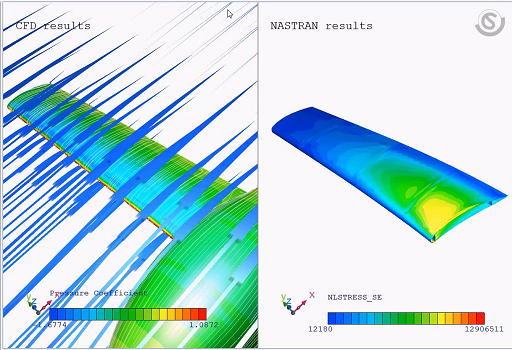 CFD Simulations for Drone Design and Analysis
CFD simulations are an essential tool in the design and analysis of drones in the Aerospace and Defense industry. CFD simulations can …
Open capability
Other Simulation Area
Working on engine simulation in aerospace industry?
Tell us the geometry, the physics and the decision it has to support.
Talk to an engineer