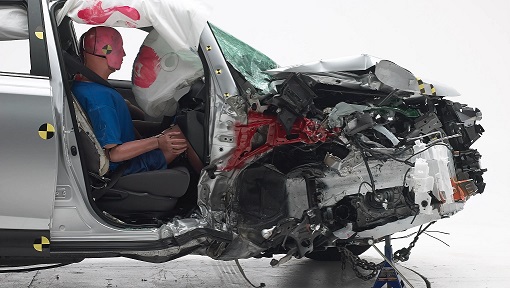
Key crash test scenarios: ▶ Frontal Impact: In this type of crash test, a car is propelled into a barrier at a specified speed to assess how well it can protect occupants in the event of a head-on collision. The test measures the deceleration of the car and the impact on the driver and passenger dummies. ▶ Side Impact: In …
Read the full brief →
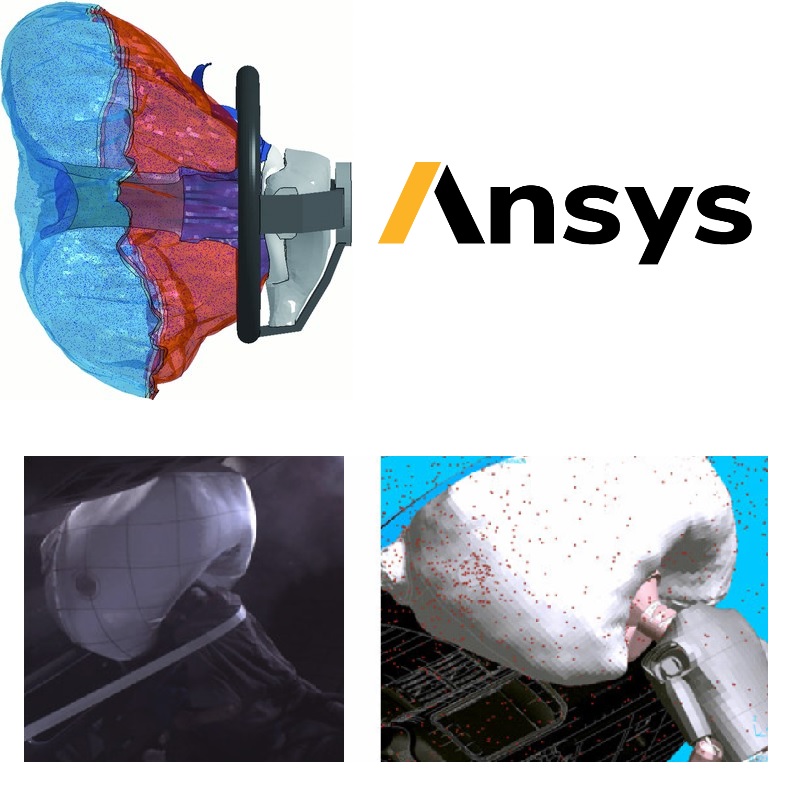
Airbags are an important safety feature in automobiles that can help reduce the risk of injury or death in a crash. They work by inflating rapidly in the event of a collision, cushioning the occupants of the vehicle and preventing them from striking hard surfaces in the car interior. The effectiveness of airbags in crash tests and crashworthiness is measured …
Read the full brief →
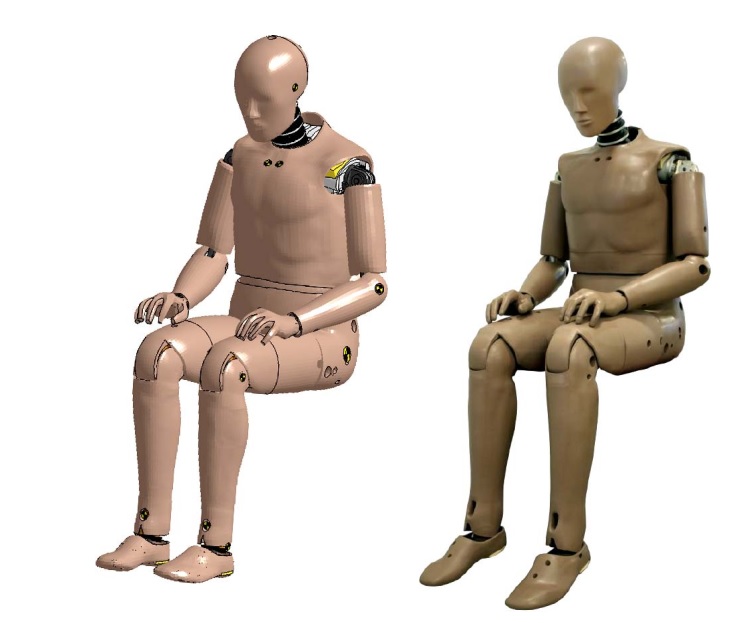
Dummies, also known as anthropomorphic test devices (ATDs), are essential tools for conducting crash test Finite Element simulations to evaluate the safety of vehicles and other transportation systems. These dummies are designed to simulate the human body's response to a crash and collect data on the forces, accelerations, and other variables experienced by the body during impact. Crash test dummies …
Read the full brief →
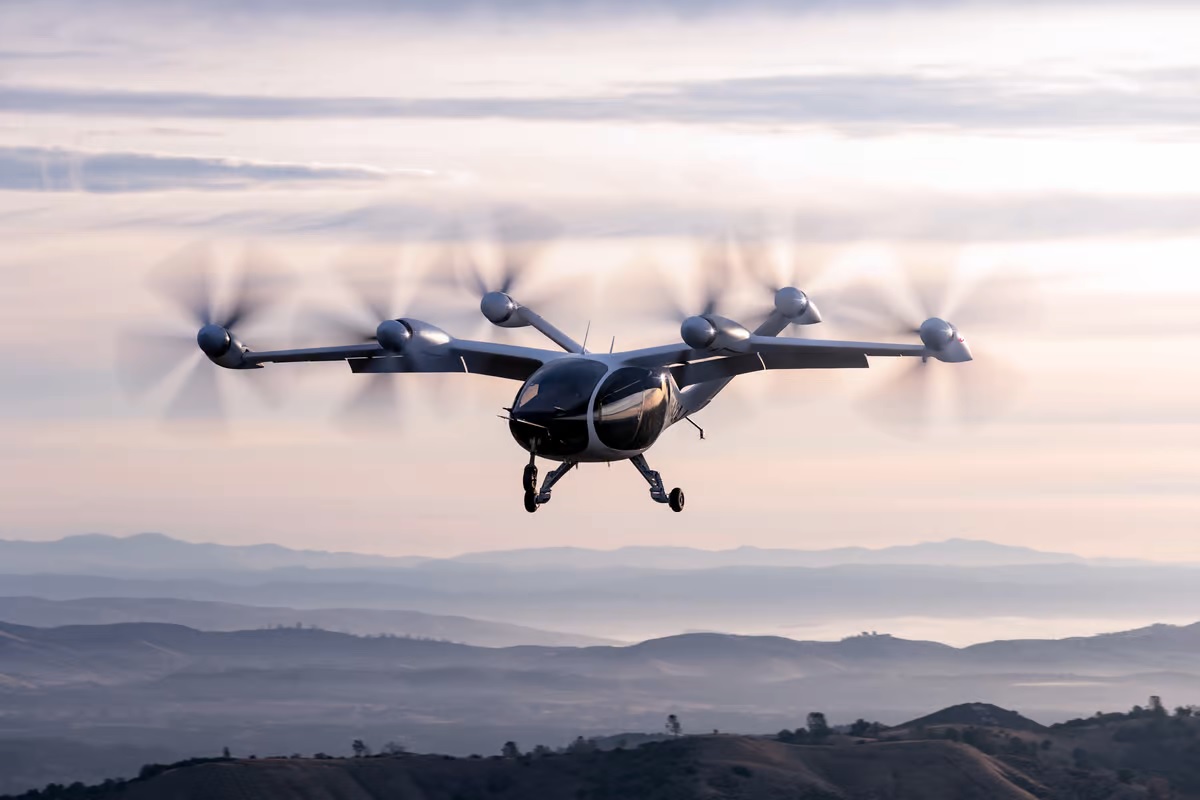
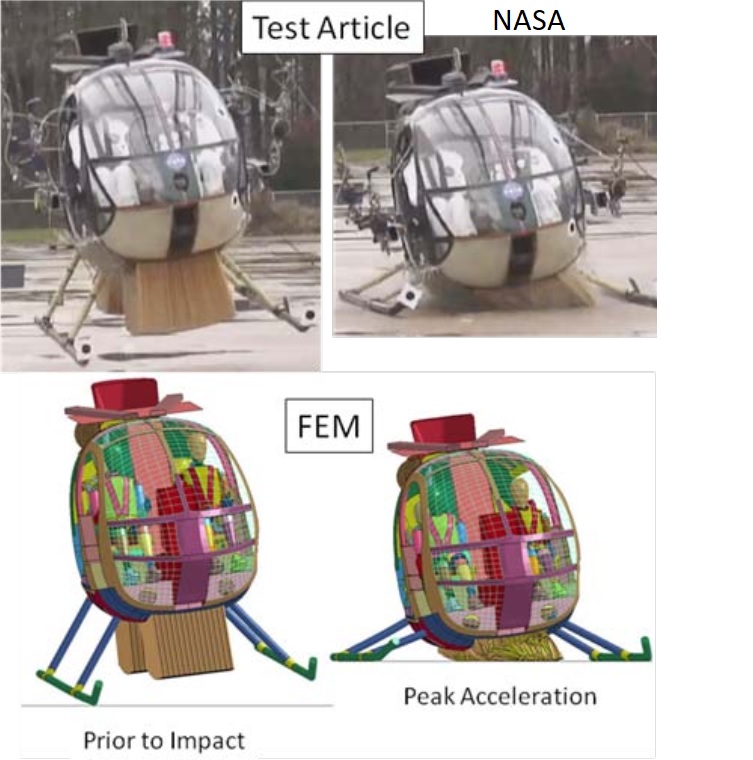
The crashworthiness design of eVTOLs aircraft is critical to ensure the safety of passengers and crew in the event of a crash or emergency landing. The design must consider various factors such as the type and location of crash energy absorption systems, crashworthy seating and restraint systems, and the structural integrity of the airframe and landing gear. eVTOL manufacturers need …
Read the full brief →
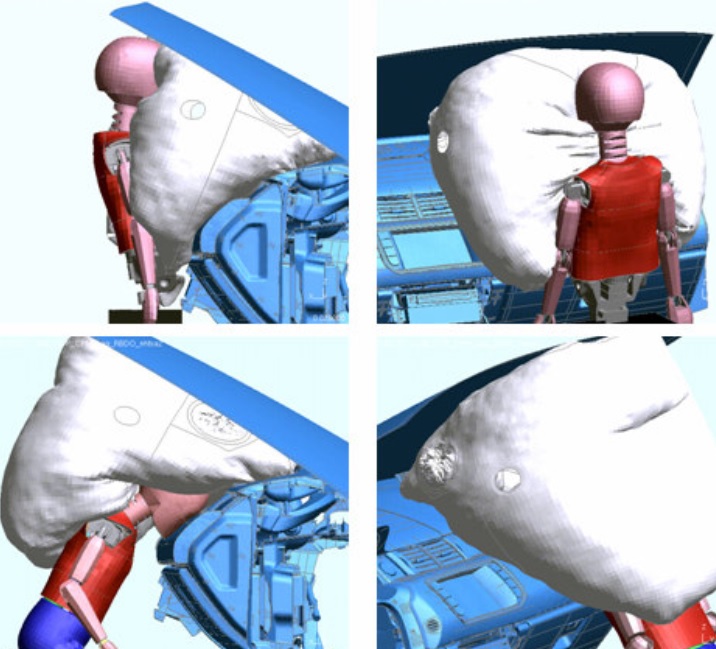
Occupant Restraint Systems (ORS) are an essential component of automobile safety. They are designed to keep the occupants of a vehicle safe in the event of an accident. These systems work by restraining the occupants of the vehicle and reducing the forces experienced during a collision. In Europe, the Euro NCAP (European New Car Assessment Programme) requires all new cars …
Read the full brief →
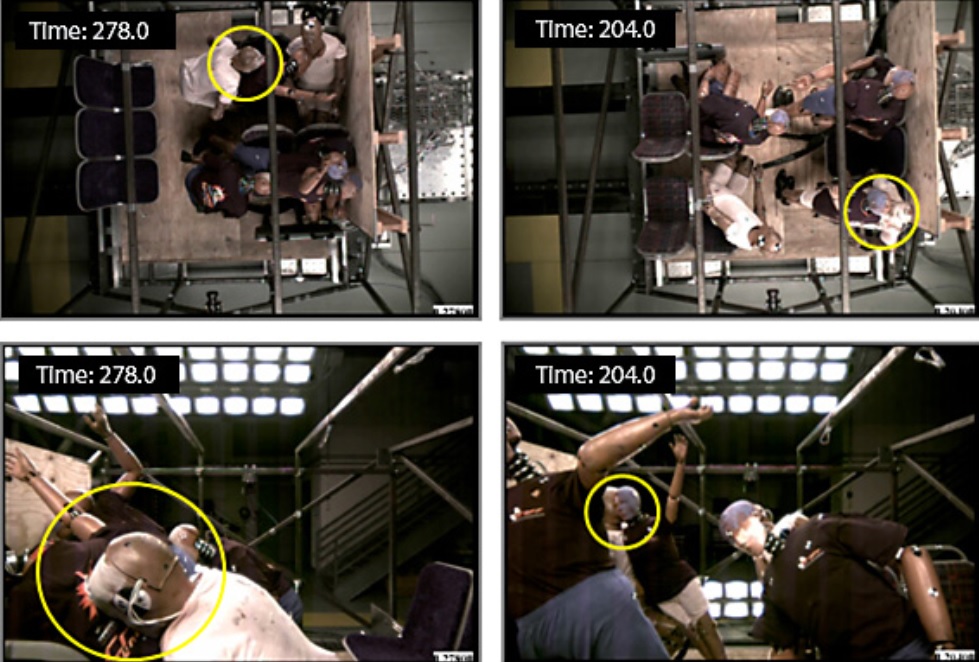
School buses are unique vehicles designed to carry children, and they require special safety features to ensure that passengers are protected in the event of a crash. In the United States, the National Highway Traffic Safety Administration (NHTSA) is responsible for setting safety standards for school buses. NHTSA’s safety standards require school buses to meet specific requirements for structural strength, …
Read the full brief →
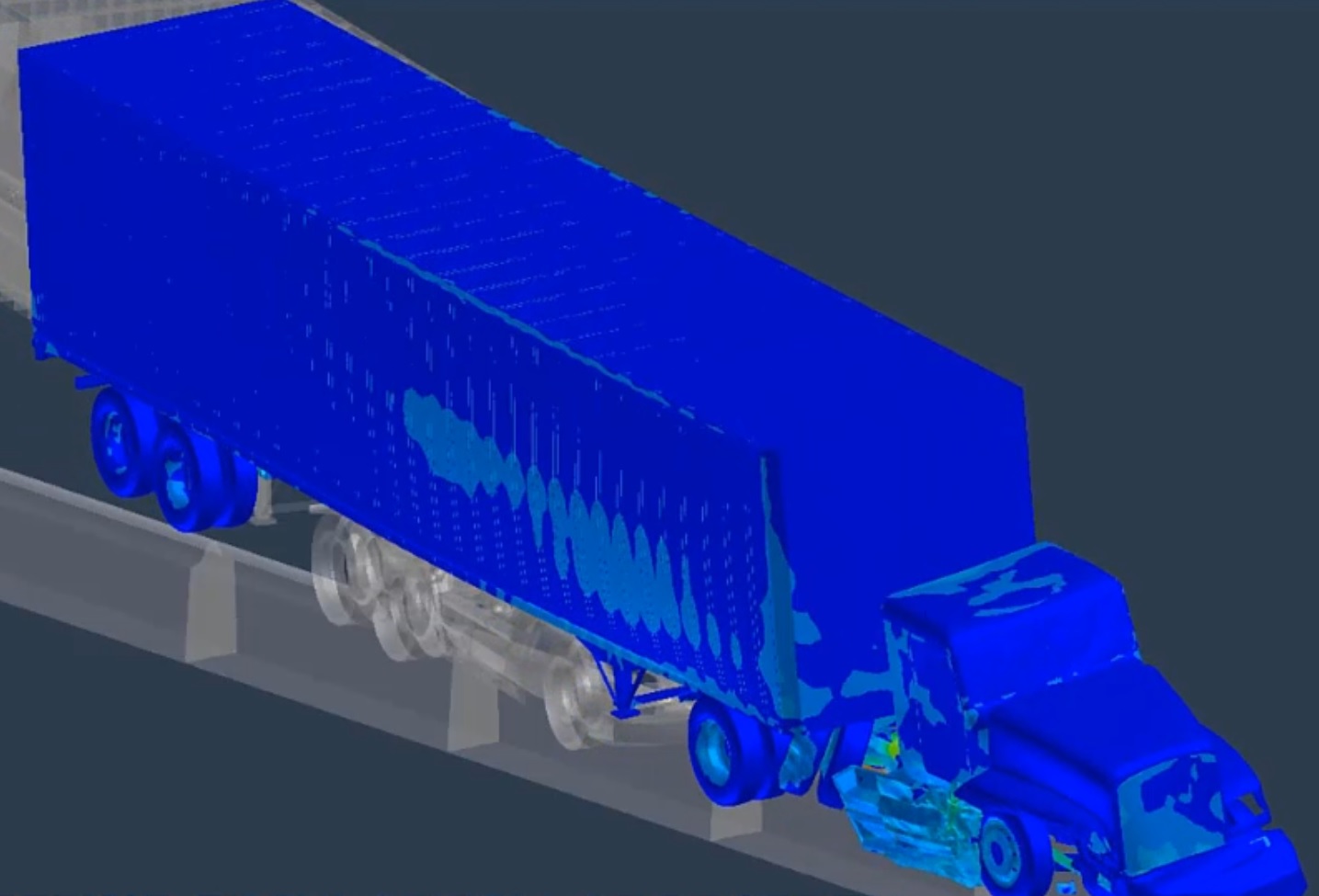
The small overlap or oblique crash test is a type of crash test that is designed to simulate a vehicle hitting a solid object such as a tree, utility pole, or another vehicle at an angle. In this type of crash test, the vehicle is propelled at a speed of 40 miles per hour and strikes a barrier that is …
Read the full brief →
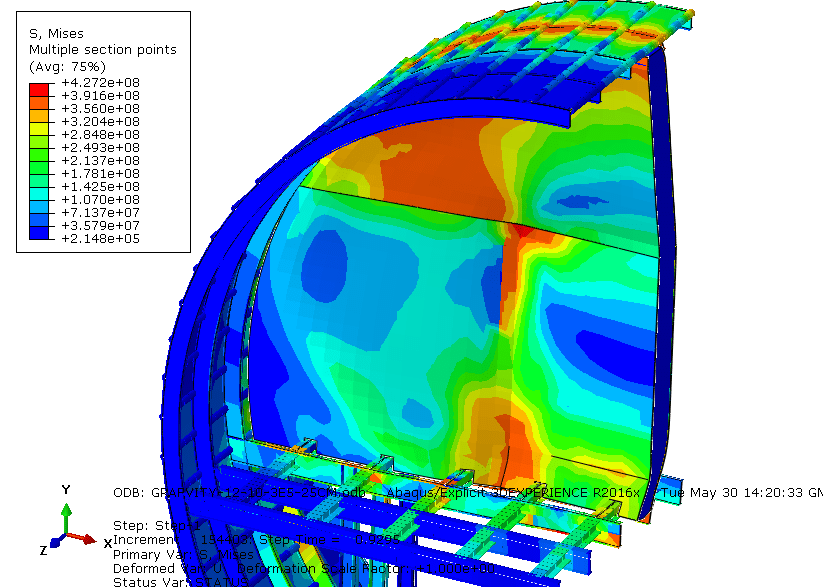
eVTOLs, or electric vertical takeoff and landing aircraft, are a new category of aircraft that are being developed for urban air mobility. Because these aircraft will be flying over urban areas and potentially transporting passengers, their crashworthiness is of utmost importance. One critical aspect of crashworthiness design for eVTOLs is the landing gear. The landing gear should be designed to …
Read the full brief →