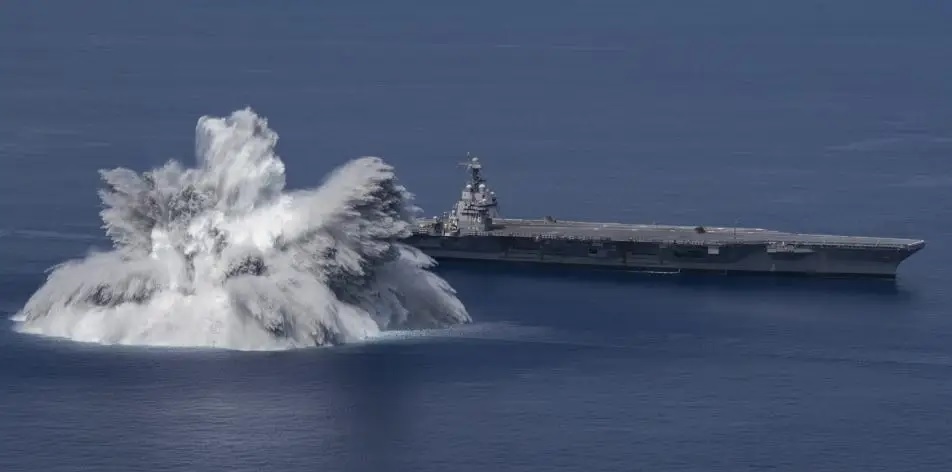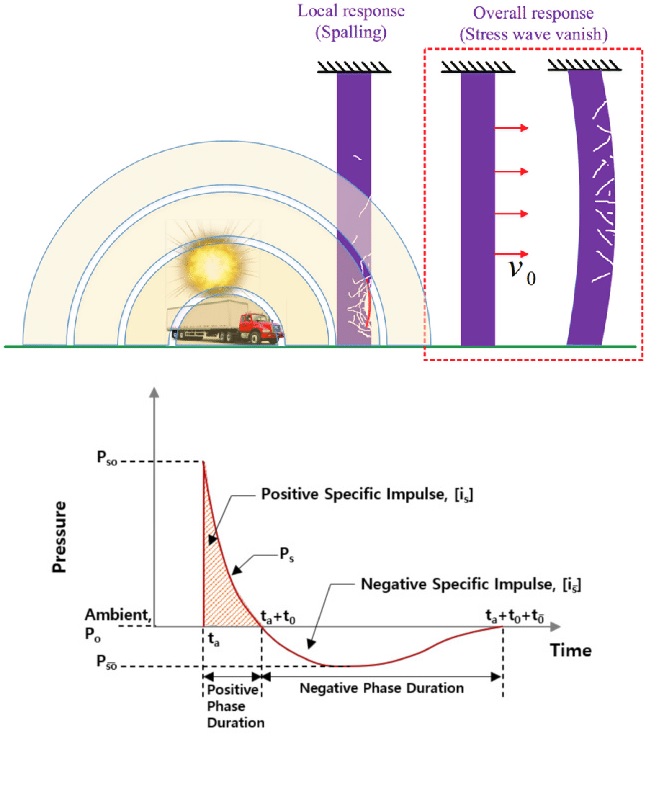
Designing structures to withstand blast and explosion loads requires a rigorous and systematic approach. Key steps in the design procedure for blast and explosion analysis: ▶ Hazard analysis: This involves identifying the potential sources of blast and explosion loads and assessing the likelihood and consequences of these events. This analysis includes a review of historical data, analysis of the site-specific …
Read the full brief →
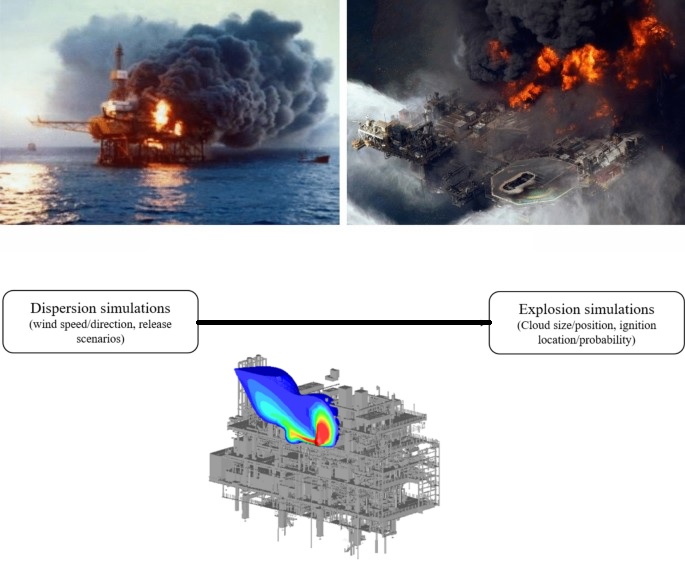
Applications of blast and explosion simulation: ▶ Explosion Modeling: Numerical simulation can be used to model the behavior of explosions in chemical and pharmaceutical plants. ▶ Risk Assessment: Numerical simulation can be used to evaluate the risk of explosions in chemical and petrochemical plants. ▶ Explosion Protection: Numerical simulation can be used to design and evaluate the effectiveness of explosion …
Read the full brief →
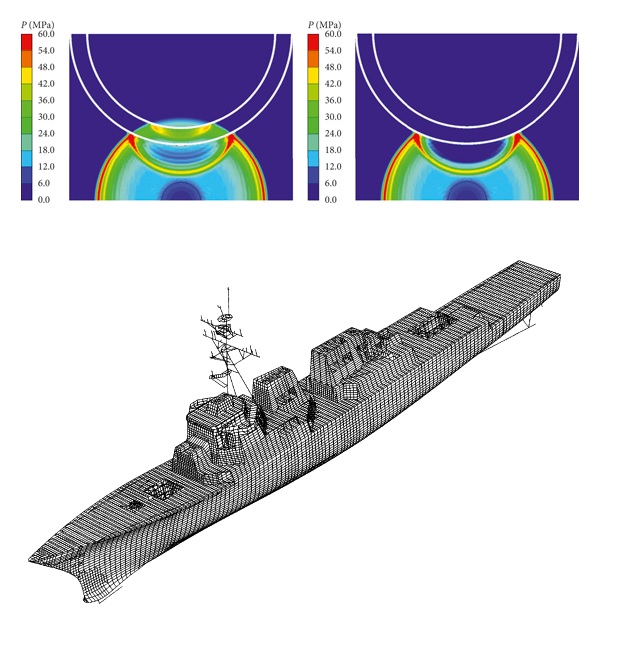
Applications of blast and explosion simulation: ▶ Armor optimization: Blast and explosion simulation using FEA can be used to optimize the design of armor for military vehicles and equipment. FEA simulations can predict the stresses and deformation that armor will undergo during an explosion, allowing for the optimization of material choice and thickness to improve protection while minimizing weight. ▶ …
Read the full brief →
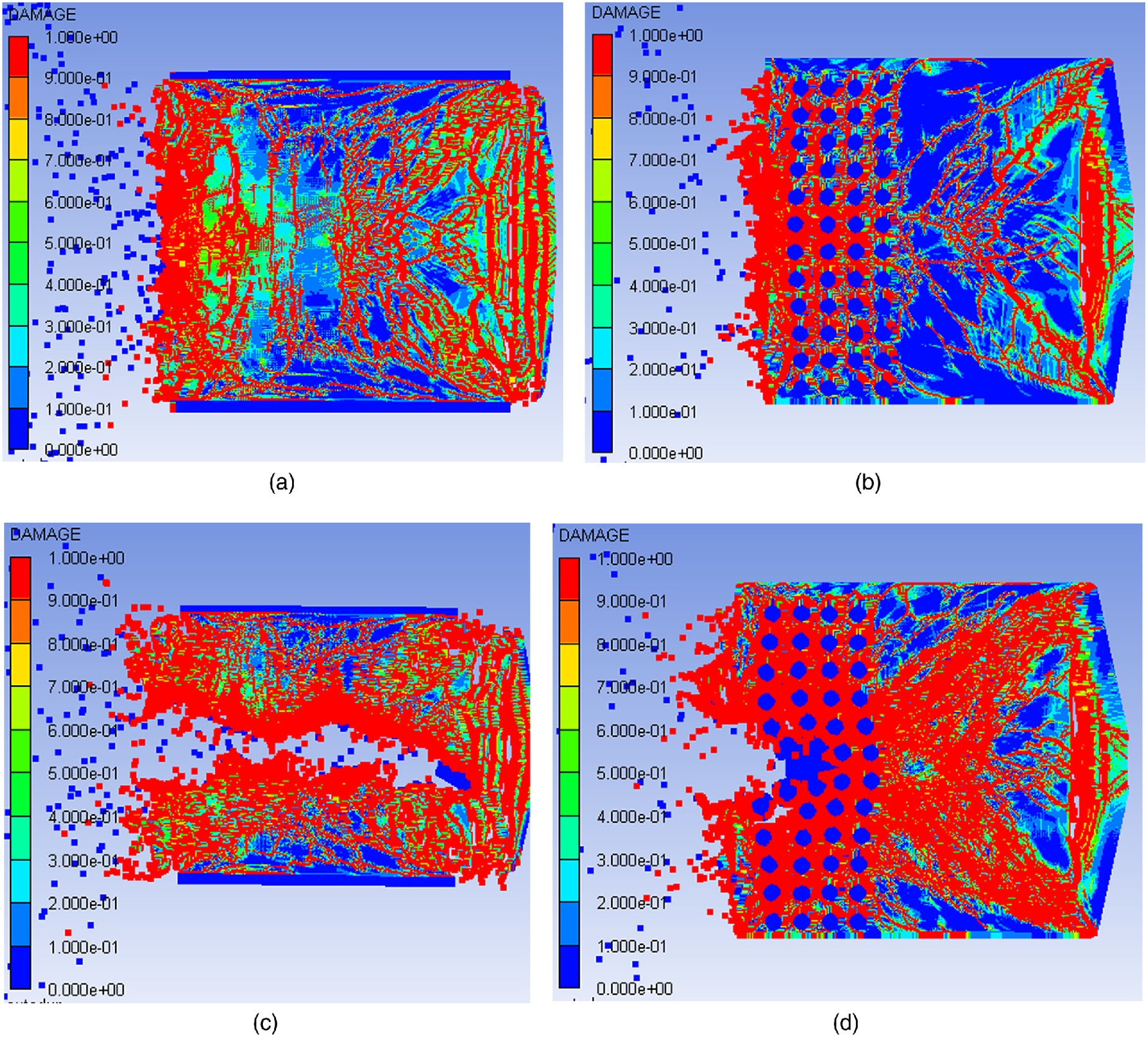
The choice of the best numerical model for blast, explosion and fire simulation depends on various factors such as the type of explosion, the size and shape of the structure being analyzed, and the level of accuracy required. Commonly used numerical models: ▶ Arbitrary Lagrangian-Eulerian (ALE) method: This method is a combination of the Lagrangian and Eulerian methods in finite …
Read the full brief →
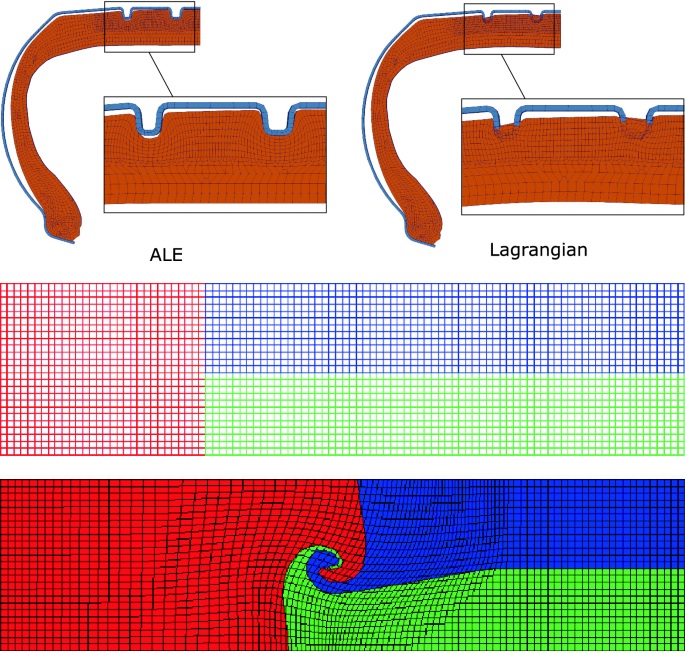
The Arbitrary Lagrangian-Eulerian (ALE) method is a numerical technique that combines the advantages of both the Lagrangian and Eulerian methods to solve problems involving fluid-structure interactions, such as blast and explosion simulations. The ALE method is particularly useful for modeling the interaction between the fluid and the structure during a blast or explosion event. In ALE, the computational domain is …
Read the full brief →
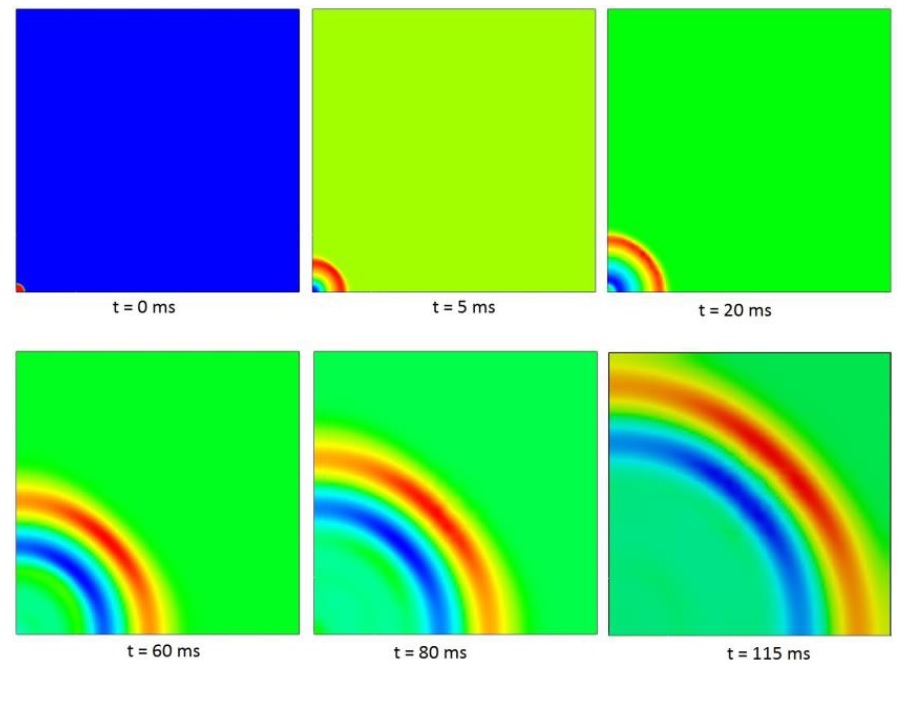
There are several engineering simulation software packages that can be used for blast and explosion simulations. These packages can capture high-speed impact events, simulate fluid-structure interactions, and can model air blast, underwater explosion, and fragmentation. Key simulation software packages: ▶ LS-DYNA: This is a general-purpose finite element software that can be used for a wide range of simulations, including blast …
Read the full brief →