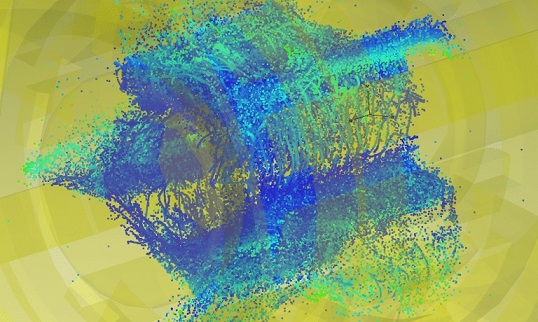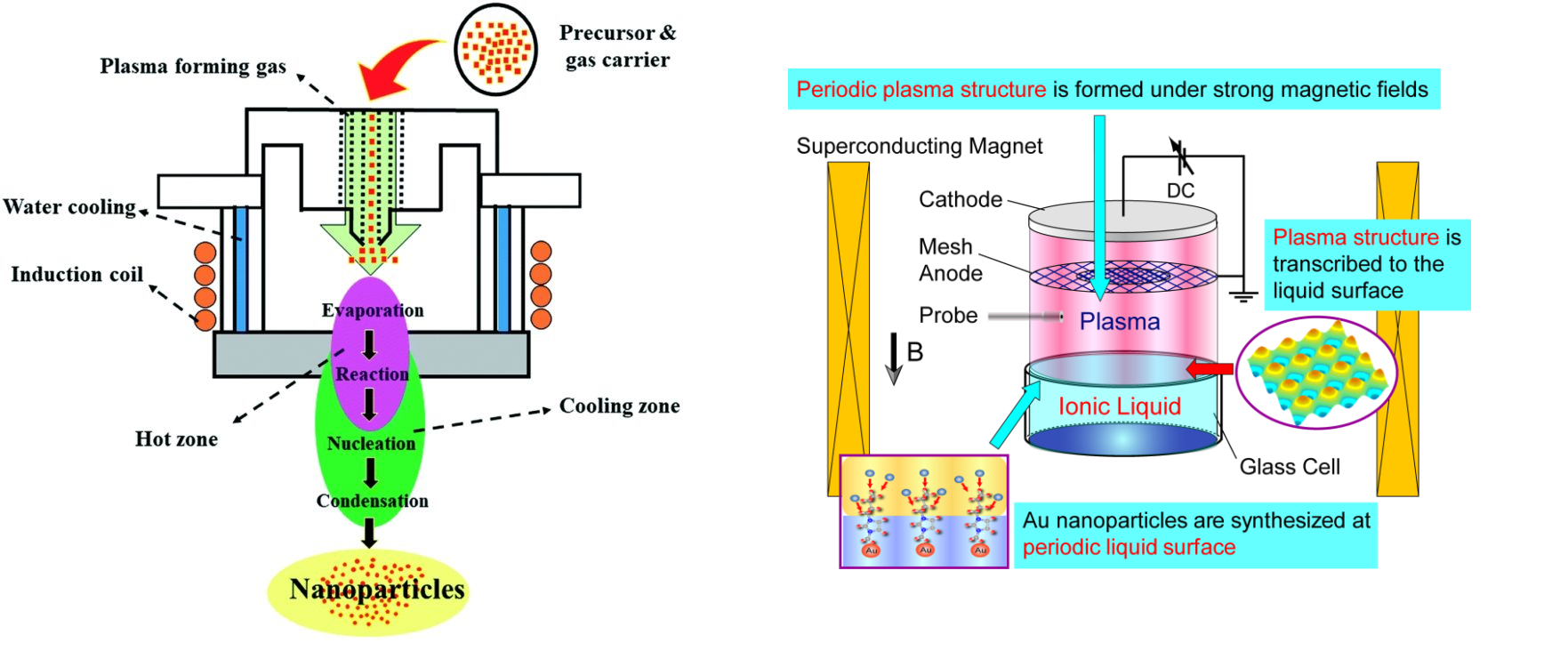
Plasma-based chemical processes are characterized by solvent-less (dry), high-purity, and low-temperature conditions that enable damage-free device fabrication. plasma tools are now essential to the large-scale manufacturing of microelectronic devices. Nanoparticles form the basis of many novel materials. A core competence at the Plasma-Dynamics is the synthesis of such particles in gas-phase flow reactors. The modeling and simulation of particle-laden, chemically …
Read the full brief →
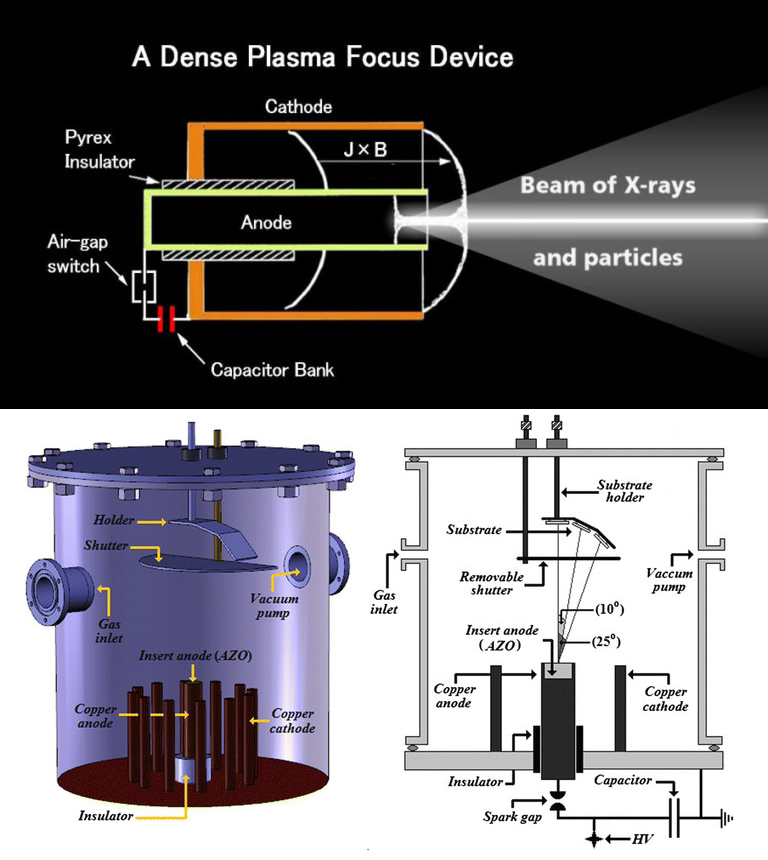
A dense plasma focus (DPF) is a plasma machine that produces, by electromagnetic acceleration and compression, short-lived plasma that is so hot and dense that it becomes a copious multi-radiation source. The DPF device has always been in the company of several alternative magnetic fusion devices as it produces intense fusion neutrons. Several experiments conducted on many different DPF devices …
Read the full brief →
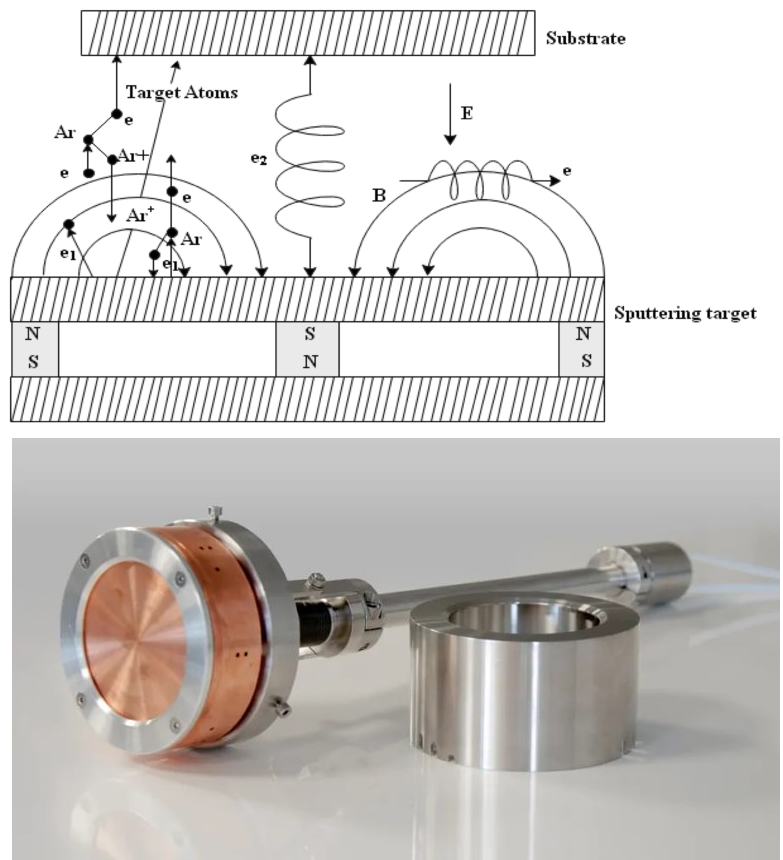
Magnetron sputtering deposition is a fast technique for applying a thin layer of inorganic materials on a substrate. Magnetron sputtering is the collision process between incident particles and targets. Since high-speed sputtering is performed at a low pressure, it is necessary to effectively increase the ionization rate of the gas. The incident particle undergoes a complex scattering process in the …
Read the full brief →
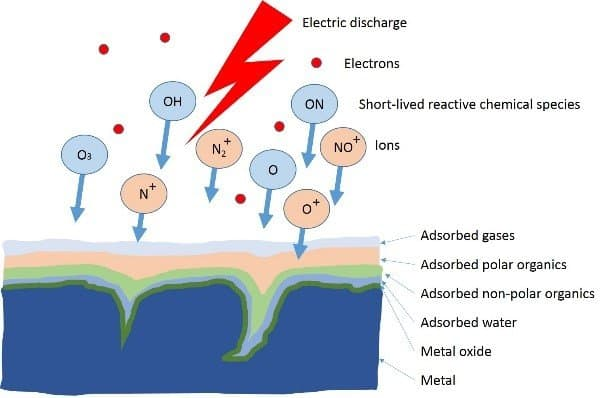
The operational cost of using plasma cleaning systems are low, while providing the highest quality in cleaning surfaces. Another benefit of using a plasma cleaning system is that it eliminates the need to use chemical solvents. Ultra fine cleaning of surfaces with cold atmospheric pressure plasmas is a process of removing organic, inorganic and microbial surface contaminants, as well as …
Read the full brief →
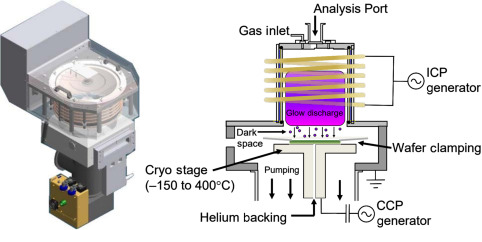
Plasma etching is an essential tool in today's world, enabling many of the technologies we take for granted. The chemical nature of a process gas dictates how its plasma reacts with the surface of a material and therefore the effectiveness of plasma etching. For instance, tetrachloromethane (CCl4) etches silicon and aluminium effectively but the plasma etching of silicon dioxide and …
Read the full brief →
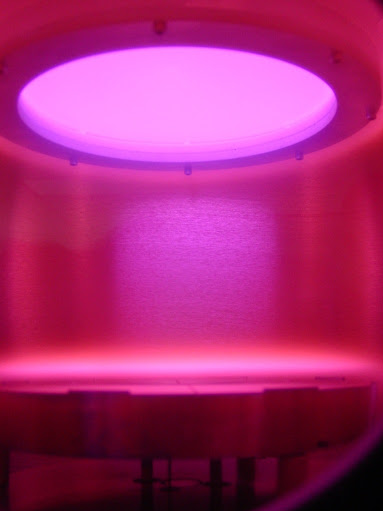
Plasma-enhanced chemical vapor deposition coating: Plasma-enhanced chemical vapor deposition (PECVD) is a thin-film deposition technique that allows for tunable control over the chemical composition of a thin film. The films typically deposited using PECVD are silicon nitride (SixNy), silicon dioxide (SiO2), silicon oxy-nitride (SiOxNy), silicon carbide (SiC), and amorphous silicon (α-Si). Silane (SiH4), the silicon source gas, is combined with …
Read the full brief →
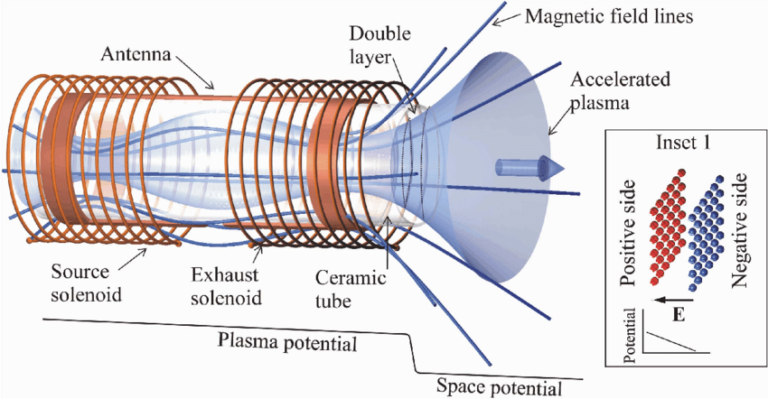
Electric propulsion technology, called Hall effect or stationary plasma thrusters, offers a significant weight reduction compared with traditional chemical propulsion systems. In Plasma Thrusters that special type of Electric thrusters, a stream of electrons bombards, generating a plasma that is accelerated to produce very high specific impulse for applications in the vacuum of space where less absolute power is needed. …
Read the full brief →
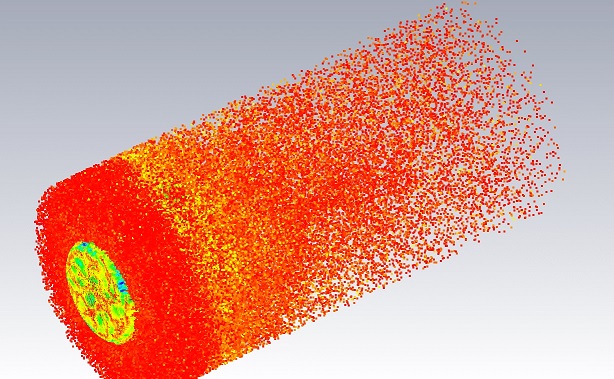
We provide consulting services for the modeling and simulation of plasma and other flow systems. we combine expertise in physics, Numerical computing, big data processing, automation, and management. Our people are truly motivated experts, passionate about science. Our consulting services utilize our specialized domain expertise in plasma, reactive flows and surface chemistry mechanism development and integration with multi-dimensional flow and …
Read the full brief →
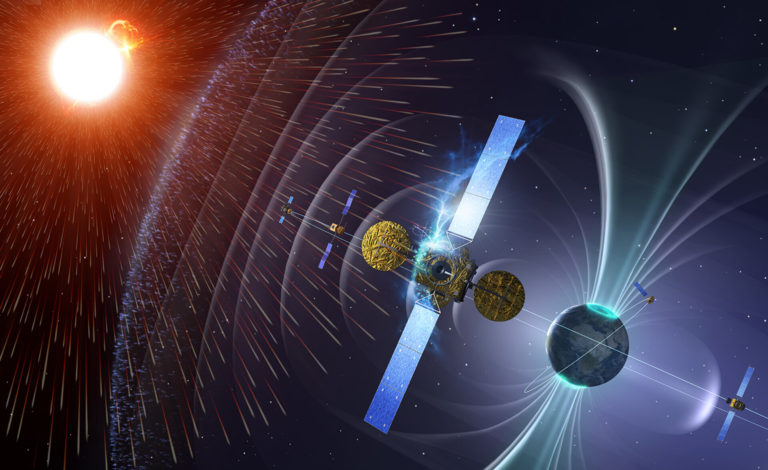
Traditional methods for protecting spacecraft and occupants from harmful radiation in the form of energetic particles from solar and galatic sources involve some configuration of a massive material shield to absorb the energy of incoming particles. Designing a magnetic shield that is strong enough to deflect GCR particles but weak enough to not harm astronauts is a challenge. Investigating possible …
Read the full brief →
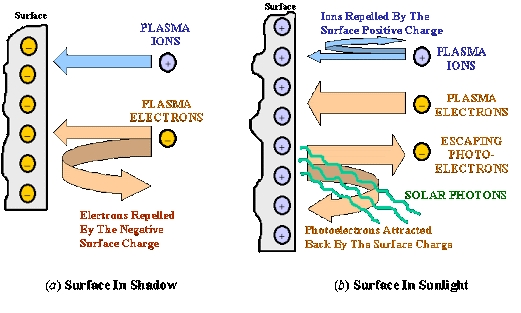
Spacecraft charging includes both surface charging and internal dielectric charging. The absolute charging of spacecraft surfaces is not generally detrimental; rather it is the possible discharge effects which can disrupt satellite operations. Most of the undesired effects of both charging types are due to the discharge arcing, and include physical materials damage and electromagnetic interference generation. The buildup of large …
Read the full brief →