

Finite Element Composite Materials
High-rate loading conditions: Impact, Crash, Blast and Explosion
FEA Based Composite Material Design and Optimization: Fatigue, Fracture, Impact, Crash, Acoustics and Vibration with Abaqus, Ansys and LS-DYNA
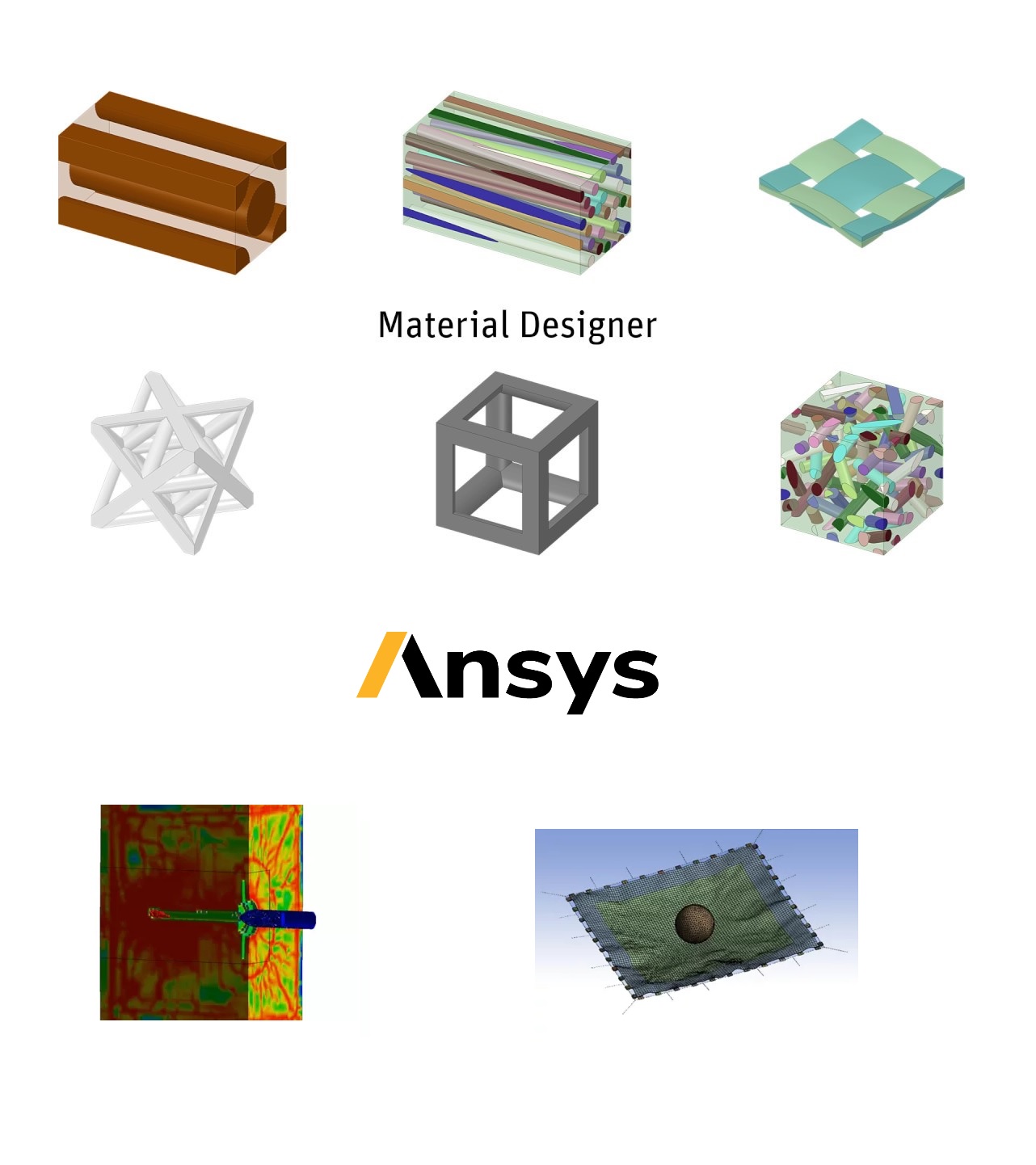
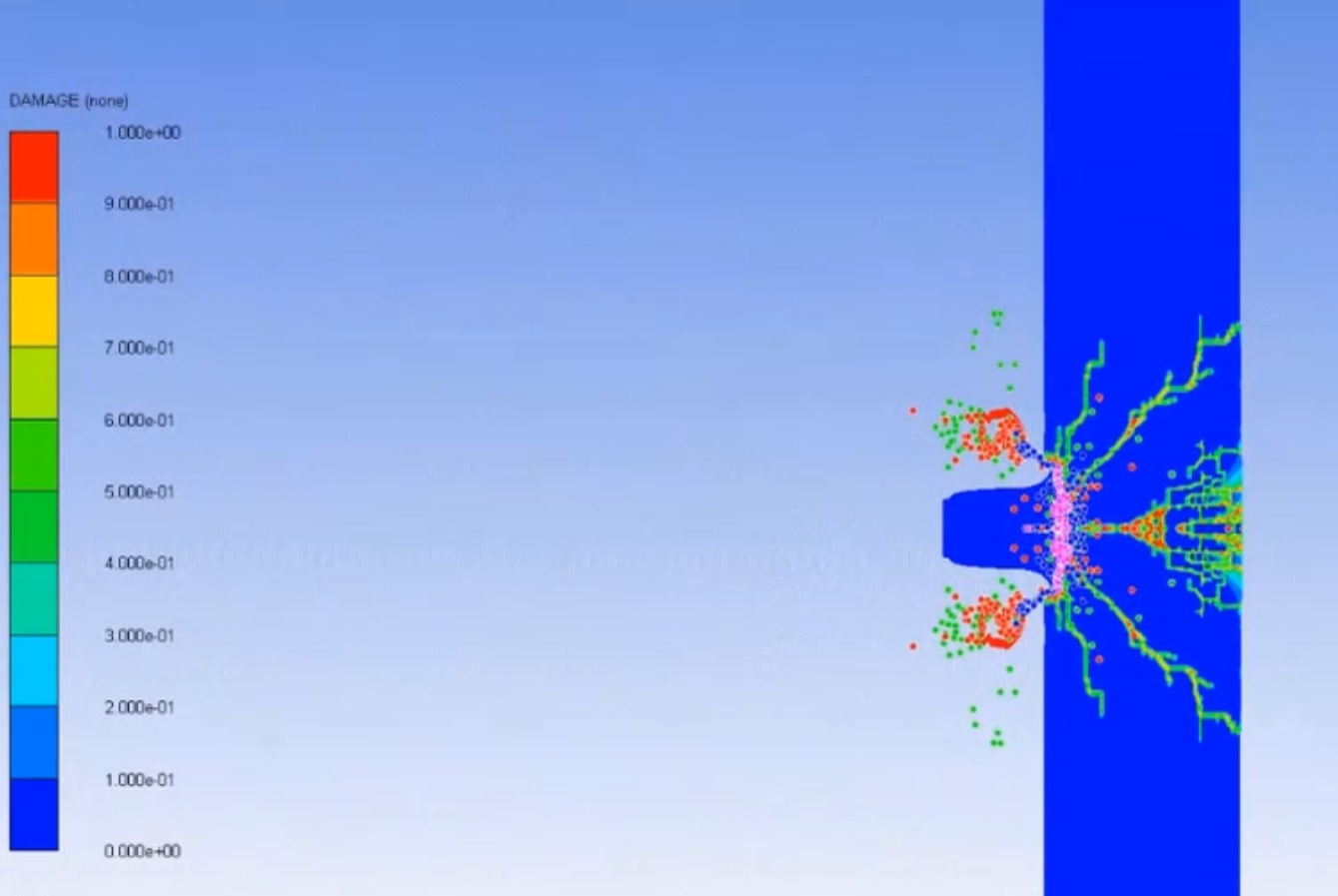
Composite materials can exhibit complex behavior under high-rate loading conditions, including fracture, damage, and delamination. High-rate loading conditions refer to situations where the loading rate is very rapid, such as in impact or blast loading scenarios.
In these situations, the material experiences significant dynamic effects that can cause different types of damage, such as matrix cracking, fiber breakage, and delamination. The dynamic effects can also cause the material to behave differently than under static loading conditions, such as increased stiffness, strength, and ductility.
To accurately model the behavior of composite materials under high-rate loading conditions, sophisticated material models and simulation techniques are required. For example, explicit dynamic FEA solvers such as LS-DYNA and Abaqus/Explicit are often used to simulate the transient response of the material under high-rate loading conditions. Material models such as CZMs, damage models, and CDMs are used to capture the different types of damage that can occur in composite materials under these conditions. These models are typically calibrated using experimental data from high-rate loading tests.
Additionally, it is important to consider the effects of temperature rise and the time-temperature dependence of the material response under high-rate loading conditions. The high-strain rates and rapid energy dissipation can lead to significant temperature rise within the material, which can affect its mechanical properties and behavior. Therefore, it is necessary to incorporate thermal-mechanical coupling effects in the material models used for high-rate simulations.
Moreover, to capture the complex behavior of composite materials under high-rate loading, it is also important to consider the microstructure and fiber/matrix interactions in the material. Micromechanical models, such as the multi-scale progressive failure analysis (MS-PFA) approach, can be used to simulate the microscale behavior of the material, and provide insights into the damage mechanisms and failure modes under high-rate loading.
The wider discipline
Composite Materials
Composite material modeling Consultant, Training and Simulation services of OLTRION cover wide range of industry using advanced FEA Technology for design, ultimate failure, fatigue, fracture, impact, crash, environmental degradation, acoustics and multiphysics simulations with sophisticated FEA solvers such as Abaqus, Ansys, LS-DYNA, RADIOSS and COMSOL.
More in Composite Materials
View the section →
Capabilities that sit beside this one
 Braided Composites
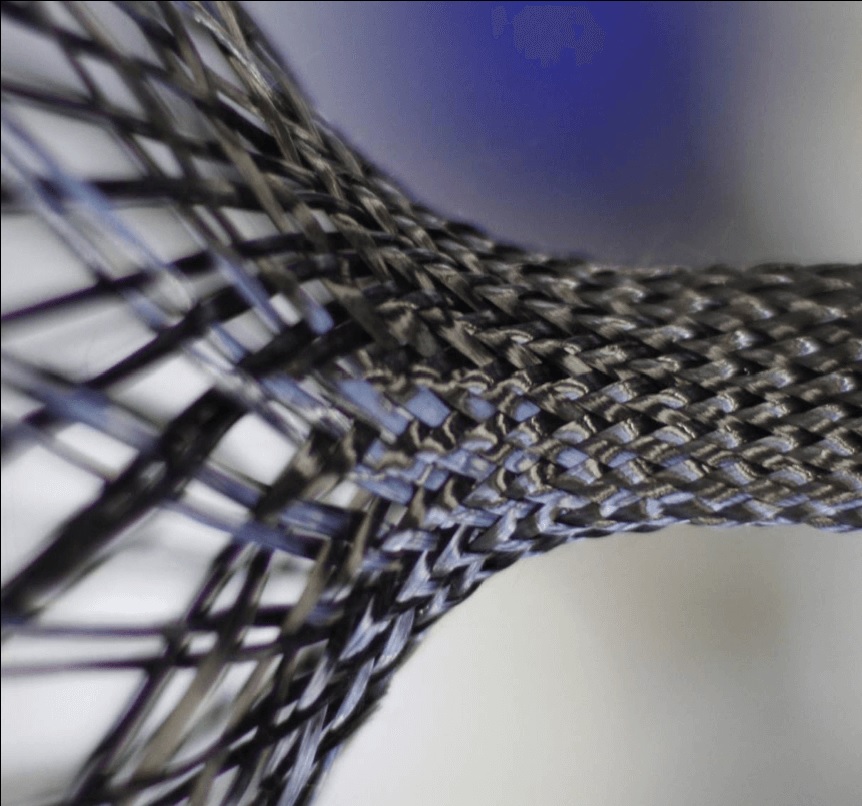
Braided composites are a type of composite material that is made by braiding continuous fibers around a mandrel to create a preform, …
Open capability
 Discontinuous Fiber Composites
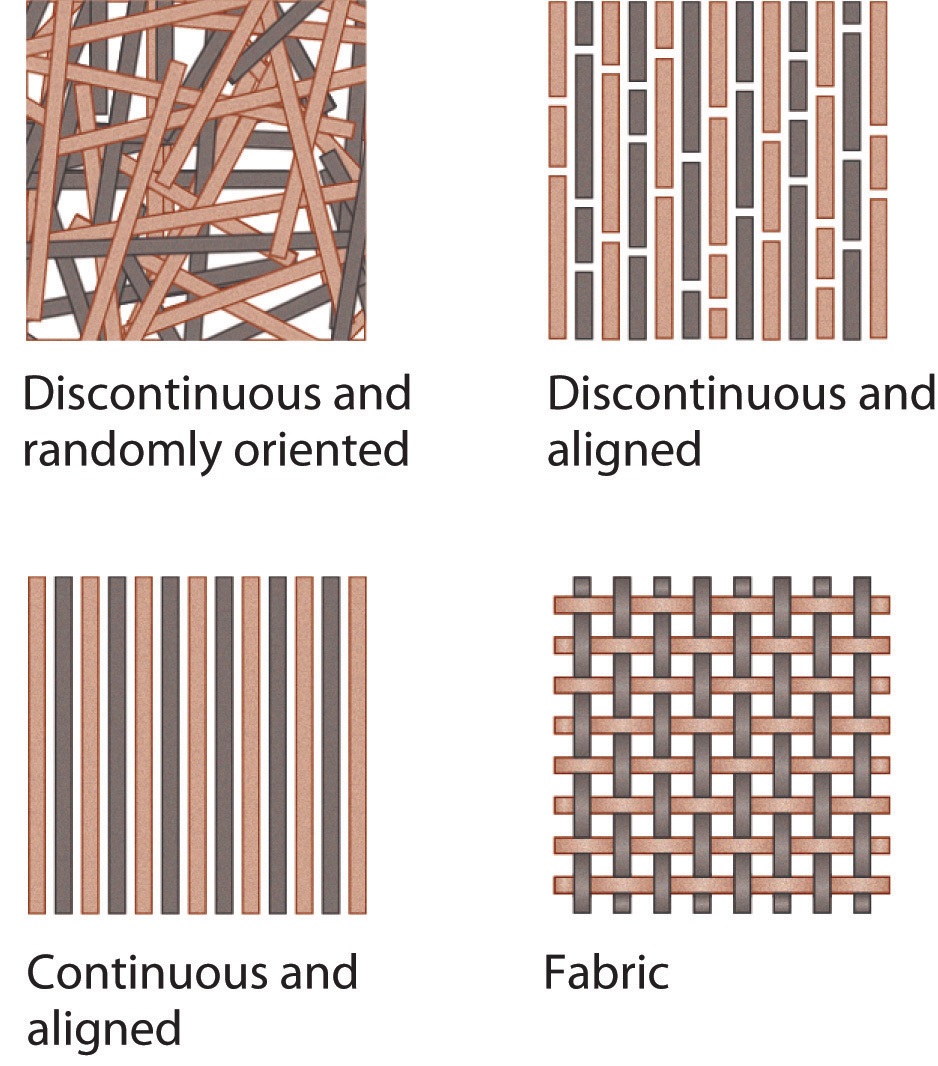
Discontinuous fiber composites (DFC) are a type of composite material that are made by compressing pre-impregnated fiber chips, or prepreg chips, which …
Open capability
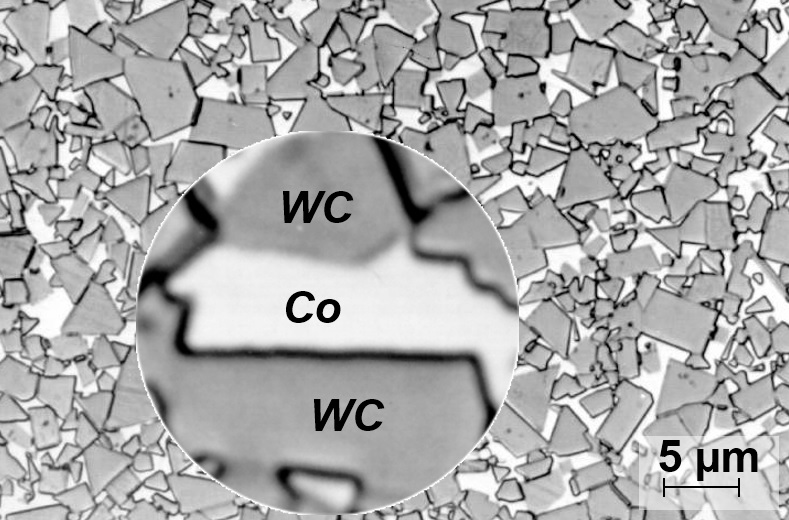 Hard Metal
Hard metals, also known as cemented carbides, are composite materials that are made up of a metal matrix and a hard ceramic …
Open capability
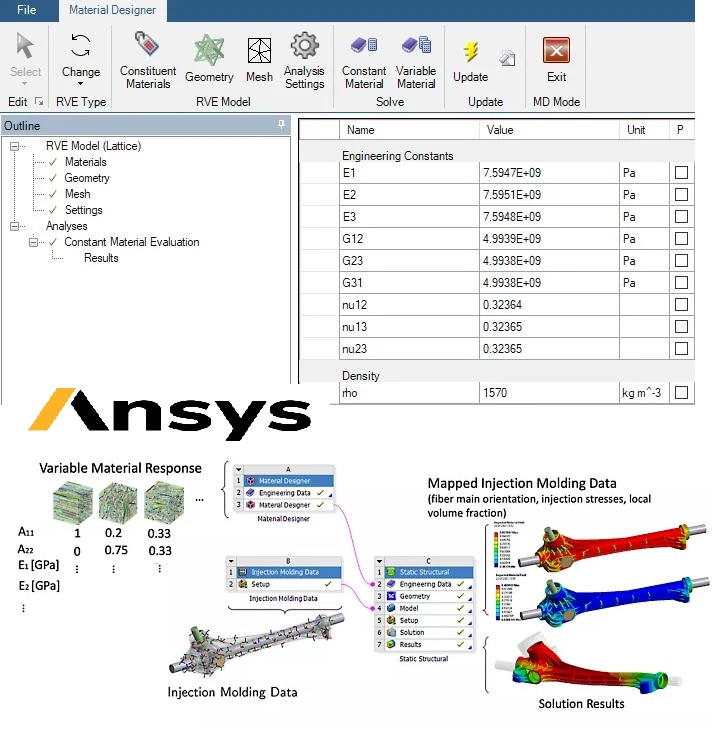 Plastic materials
Designing plastic materials reinforced with glass and/or carbon fibers is a complex process that requires consideration of many factors, including the properties …
Open capability
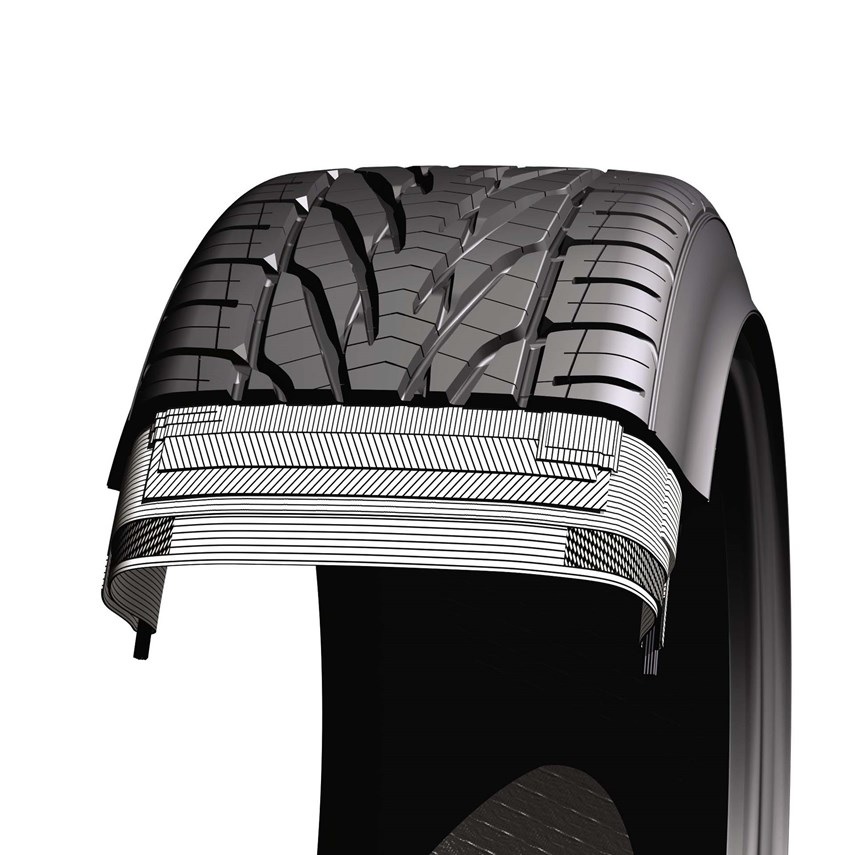 Rubber Matrix Composite
Rubber-based components, such as tires, anti-vibration systems, seals, and hoses, rely on the properties of the rubber matrix to perform their intended …
Open capability
 Unidirectional composites (UD)
 are a type of composite material that consist of fibers arranged in a single direction within a matrix material. …
Open capability
 Woven fabric composites
Advanced FEA tools are essential for material investigations and are used to simulate the behavior of materials under various loading conditions. An …
Open capability
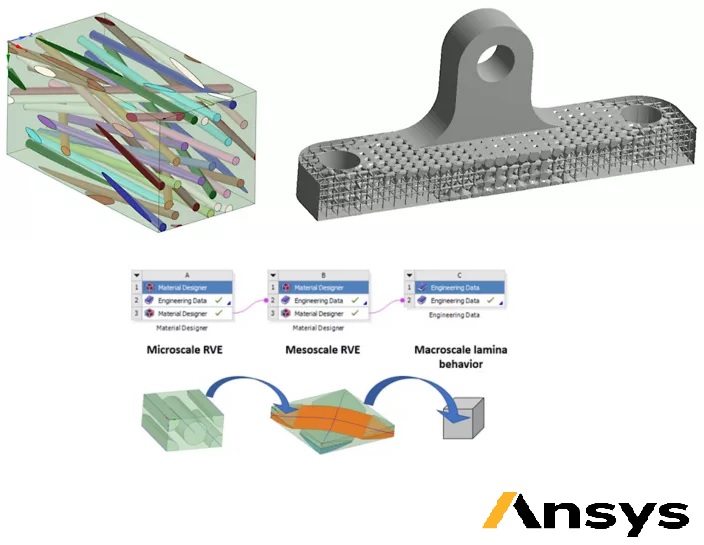 Composite modeling approach in numerical computation
Key composite modeling approaches: ▶ Cohesive zone models (CZMs): CZMs are commonly used to model the initiation and propagation of cracks and …
Open capability
Across Finite Element
Other Simulation Area
Acoustics and Vibration
Acoustics in Aerospace Engineering
Aero-acoustics is becoming increasingly important in the aerospace industry due to the growing concern over the noise generated …
Additive Manufacturing
Directed Energy & Laser Metal Deposition
By using advanced FEA software and high-performance computing (HPC) hardware, it is possible to simulate the thermal and …
Blast, Explosion & Fire
Applications of blast and explosion FEA & CFD simulation in the Chemical, Petrochemical, Oil & Gas industry
Applications of blast and explosion simulation: ▶ Explosion Modeling: Numerical simulation can be used to model the behavior …
Crash Test Simulation
Airbag Effectiveness in Crash Test and crashworthiness
Airbags are an important safety feature in automobiles that can help reduce the risk of injury or death …
Durability & Fatigue Life
Creep & Creep-Fatigue Interactions
To evaluate the durability of components subjected to both mechanical and thermal loads, it is important to consider …
Metal Forming Simulation
Hot Forging
Hot forging is a manufacturing process that involves shaping metals above their recrystallization temperature. During hot forging, the …
Multibody Dynamics
Control Systems
Control systems play a critical role in the performance and safety of many engineering systems, including machinery and …
Thermal Analysis
Heat Exchangers
Heat exchangers are involved in a variety of application areas, such as water treatment, resource refinery, nuclear power, …
Welding Simulation
Finite Element Simulation of Brazing
Brazing is a thermal joining process that uses a melted filler material to connect metal components. The filler …
VTOL, eVTOL & UAM
eVTOLs and UAM Crashworthiness Certification
Occupant safety is integral to the design, development, and operation of urban air mobility (UAM) systems. Emergency landing …
Working on high-rate loading conditions: impact, crash, blast and explosion?
Tell us the geometry, the physics and the decision it has to support.
Talk to an engineer