

Industries Marine & Shipbuilding
HVAC Design
FEA & CFD based Design and Optimization for Marine and Shipbuilding Industry
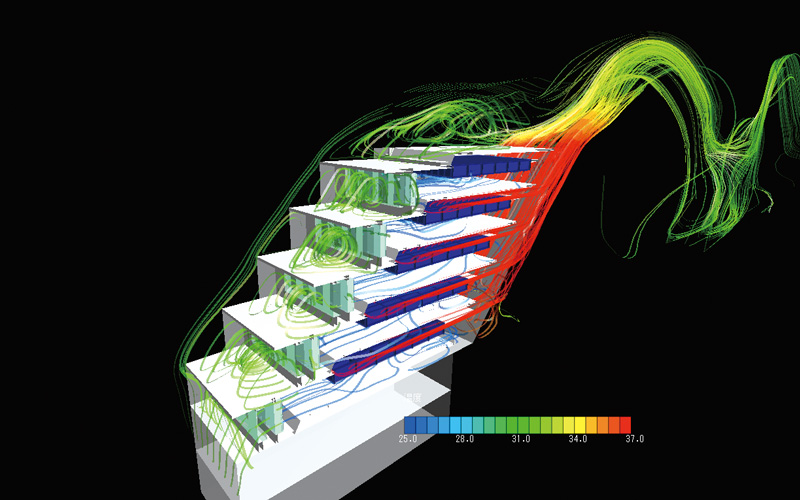
HVAC (Heating, Ventilation, and Air Conditioning) systems are an essential component of marine and shipbuilding projects, providing climate control and ventilation for crew and passengers. These systems must be designed to withstand the harsh marine environment, which includes exposure to saltwater, high humidity, and extreme temperatures.
One of the main challenges in HVAC design for marine and shipbuilding is the limited space available for installation. HVAC manufacturers must develop systems that are compact and lightweight, while still providing high capacity and efficiency. This requires careful consideration of the layout and arrangement of components, as well as the use of advanced materials and technologies.
Another challenge is ensuring the safety of crew and passengers. HVAC systems must be designed to minimize the risk of fire and other hazards, and must be installed and maintained in accordance with strict regulations and guidelines.
Logistics is another important consideration in HVAC design for marine and shipbuilding. HVAC components must be transported and installed in often remote and challenging locations, which can be difficult and expensive. Effective planning and coordination is essential to ensure that components are delivered on time and in the correct sequence.
Finally, quality assurance and overall performance are critical factors in HVAC design for marine and shipbuilding. HVAC systems must be tested and certified to ensure that they meet the required standards for performance, reliability, and safety.
Manufacturers and vessel builders in the marine and shipbuilding industry by leveraging the OLTRION experience in utilize simulation technology including Finite Element and CFD, can develop systems that are more durable, efficient, and effective, while vessel builders can ensure that the HVAC systems installed in their vessels meet their requirements for performance, safety, and reliability.
The wider discipline
Marine & Shipbuilding
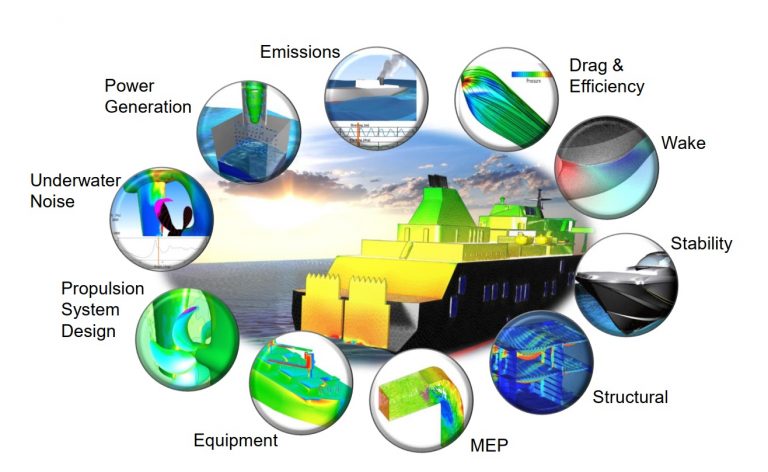
Finite Element Analysis (FEA) and Computational Fluid Dynamics (CFD) are widely used in the marine and shipbuilding industry to optimize the design of ships and boats.
One application of FEA in shipbuilding is to analyze the structural integrity of the vessel under various loading conditions. This can include analyzing the stresses and strains on the hull, the performance of the propulsion system, and the behavior of the vessel in waves and other environmental conditions.
CFD simulations, on the other hand, can be used to analyze the fluid dynamics around the …
More in Marine & Shipbuilding
View the section →
Capabilities that sit beside this one
 Hydrodynamic Performance of Ship Hull
The hull design can significantly impact a vessel's speed, stability, fuel consumption, and overall operating costs. Traditionally, vessels have been optimized for …
Open capability
 Propulsion Systems and Cavitation
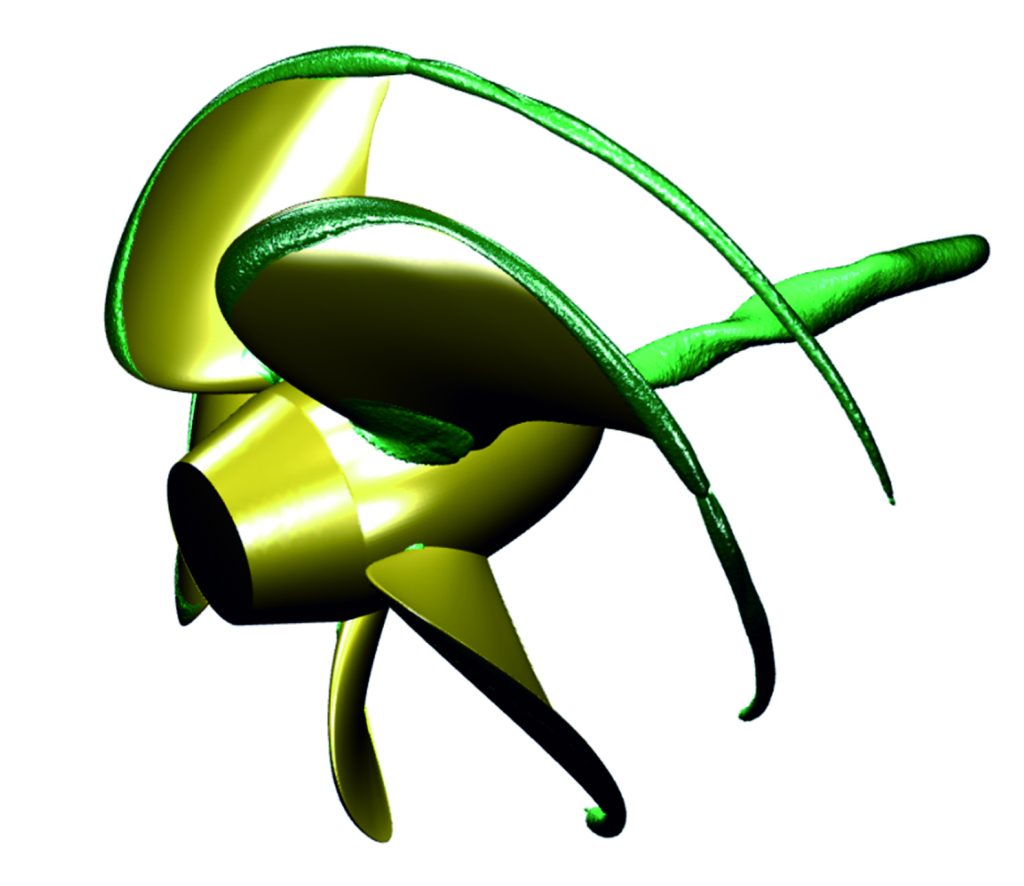
Propulsion systems are a critical component of marine and shipbuilding industry. The propulsion system is responsible for providing the necessary power to …
Open capability
 Structural Dynamics Integrity
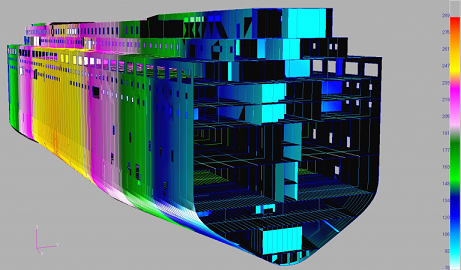
Structural-borne noise and vibration need to be minimized for passenger comfort and reduced environmental impact. Our full suite of vibro-acoustics simulation, and …
Open capability
Across Industries
Other Simulation Area
Aerospace & Defense
AeroAcoustics and VibroAcoustics
FEA and CFD simulations can be used in Aeroacoustics and Vibroacoustics to analyze the noise and vibration characteristics …
Automotive Engineering
Crash Testing and Crashworthiness with LS-DYNA
Crash testing and crashworthiness are critical aspects of automotive safety engineering. Crash testing involves deliberately crashing a vehicle …
Chemical Processing
Filtration System Design
Designing effective filtration systems is critical in many industries, including chemical processing, food and beverage, pharmaceuticals, and water …
Civil Engineering
Architectural Acoustic Consulting
Our Architectural acoustic consulting involves the design and implementation of acoustic solutions for buildings and spaces to achieve …
Energy & Power Industry
Gas turbine simulation
Gas turbine simulation is a process of modeling and analyzing the behavior of gas turbines under various operating …
Industrial Equipment & Rotating Machinery
Model-Based Systems Engineering (MBSE)
Model-Based Systems Engineering (MBSE) is a methodology that utilizes models to describe and analyze complex systems, including their …
Medical & Biomedical Devices
Cardiovascular Implants
Our biomedical engineers utilize Finite Element modeling to evaluate the design, manufacturing, delivery procedures, and clinical performance of …
Seat Design
Seat Dynamic Comfort Design
The dynamic comfort design of a car seat is crucial in ensuring the comfort of the occupant and …
Working on hvac design?
Tell us the geometry, the physics and the decision it has to support.
Talk to an engineer