

CFD Aerodynamics Simulation
Aerodynamic Noise Simulation
Aerodynamics Simulation: Coupling CFD with MBD & FEA for NVH Analysis, Drone, Wind Turbine, Race Car, and Cabin Thermal Comfort.
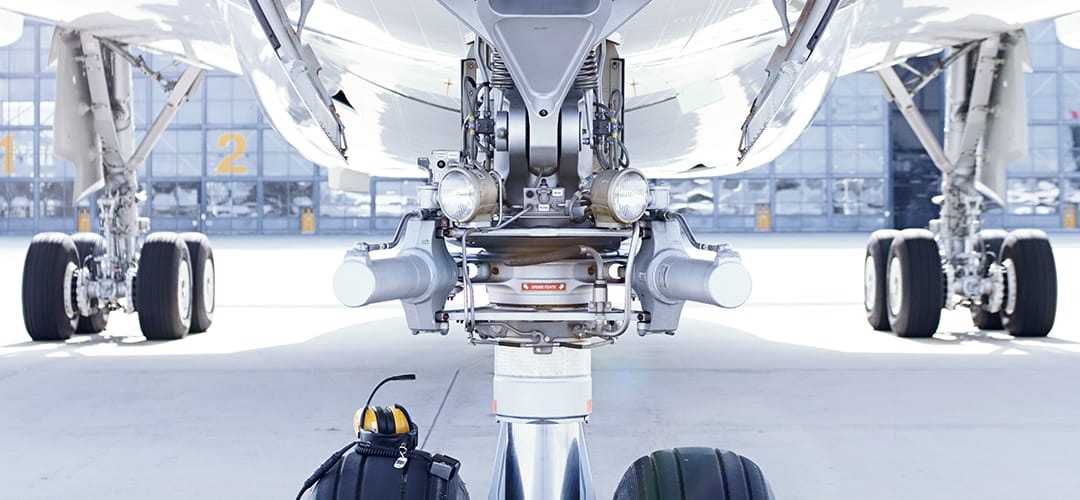
Aerodynamic noise is a type of noise that is generated by the motion of fluids, around objects. Examples of aerodynamic noise include wind noise around buildings or vehicles, and noise generated by aircraft engines.
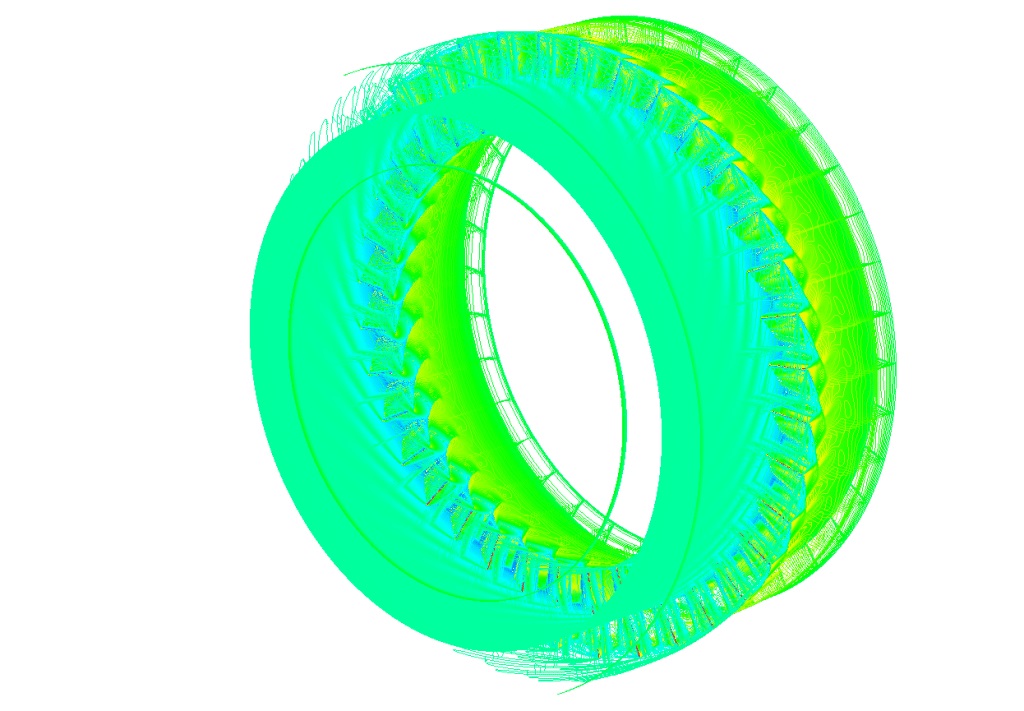
To predict aerodynamic noise, simulations can be performed using computational fluid dynamics (CFD) software. Specifically, Large Eddy Simulation (LES) can be used to model turbulent flows, which are a common source of aerodynamic noise. LES is a method that uses numerical algorithms to simulate the largest turbulent eddies in the flow, while modeling the smaller eddies using subgrid-scale models.
Additionally, a weak compressible flow model can be used to account for the effect of pressure oscillations on the generation of noise. This is important because pressure fluctuations in the fluid can cause sound waves to be generated, leading to noise.
To calculate the frequency of the noise, a Fast Fourier Transform (FFT) can be performed on the CFD simulation results. This allows the noise frequency spectrum to be obtained, which can provide insights into the dominant sources of noise and their frequencies.
The wider discipline
Aerodynamics Simulation
Aerodynamics studies can cover the full speed range of low speed, transonic, supersonic and hypersonic flows as well as turbulence and flow control. System properties such as mass flow rates and pressure drops and fluid dynamic forces such as lift, drag and pitching moment can be readily calculated in addition to the wake effects. The results of CFD simulation in MSC Cradle, Ansys Fluent and Siemens Star-ccm+ can be used directly for design purposes or as in input to a detailed stress analysis.
Aerodynamics is a branch of fluid dynamics …
Aerodynamics is a branch of fluid dynamics …
More in Aerodynamics Simulation
View the section →
Capabilities that sit beside this one
 Drone Aerodynamics
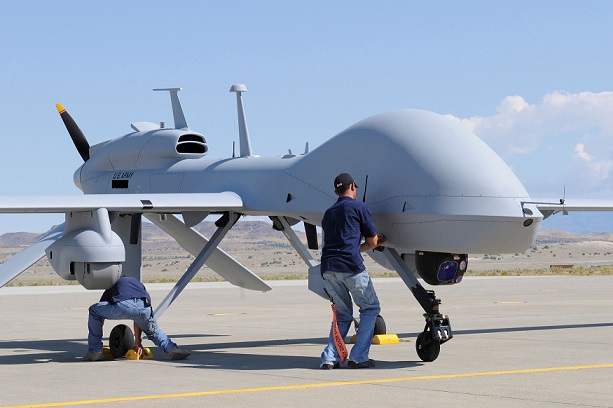
Aerodynamic simulation is a crucial tool in the design and optimization of drones. By simulating the flow around the drone and analyzing …
Open capability
 Race Car Aerodynamics
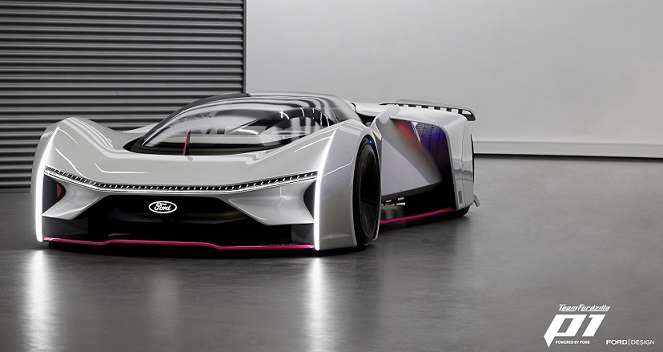
We provide Engineering Analysis of fluid flow over a body, wing or component with Star-ccm+ and Ansys Fluent. We can work from …
Open capability
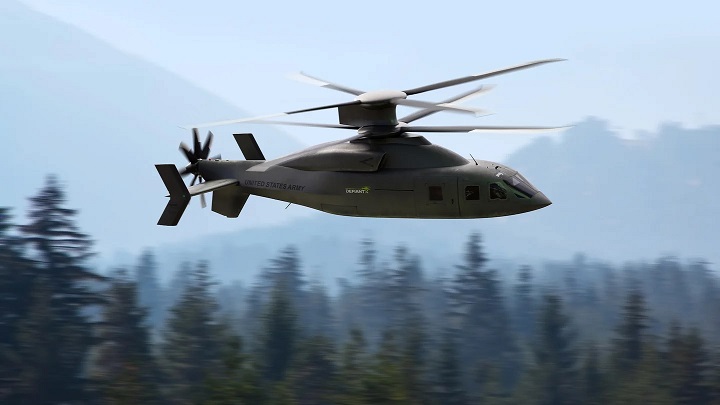 Rotors Aerodynamic Simulation
the aerodynamics of helicopter rotors can be quite complex and challenging to simulate accurately. Blade vortex interactions, in particular, can cause significant …
Open capability
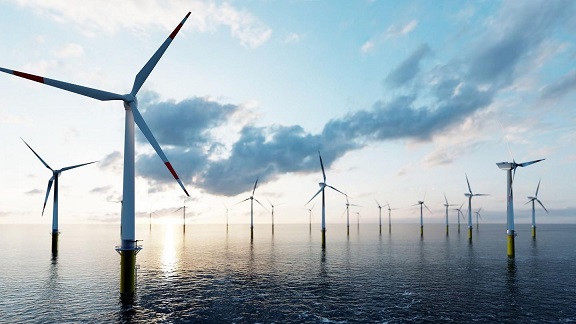 WIND TURBINE & FARM
With deep Knowledge in FEA and CFD and combining or coupling different CAE tools for real world simulation such as Ansys Fluent, …
Open capability
Across CFD
Other Simulation Area
Hydrodynamics CFD simulation
Hydrodynamics & HydroAcoustics simulation for AIV (Acoustic Induced Vibration)
Hydrodynamics and HydroAcoustics simulations can be used to analyze and predict the occurrence of AIV (Acoustic Induced Vibration) …
Multi-Phase Flows CFD Analysis
Industrial applications of Multi-Phase Flows CFD Analysis
The tools such as Ansys Fluent, Siemens Star-ccm+ and OpenFoam, can be used in combination with experienced engineers …
MultiObjective Design of Turbomachinery
Heat Transfer Simulations for Turbomachinery
Most machines, such as high-heat turbines (gas and steam), boilers, and combustors for example, require strict control of …
Reacting Flows & Combustion
Detailed Chemistry
In order to accurately model combustion, it is important to account for the interactions between turbulence, mixing, and …
Fluid Structure Interaction (FSI)
Themal FSI Simulation
Simulating the thermal performance of a product early in the design phase can save large amounts of time …
Working on aerodynamic noise simulation?
Tell us the geometry, the physics and the decision it has to support.
Talk to an engineer