

CFD Aerodynamics Simulation
Rotors Aerodynamic Simulation
Aerodynamics Simulation: Coupling CFD with MBD & FEA for NVH Analysis, Drone, Wind Turbine, Race Car, and Cabin Thermal Comfort.
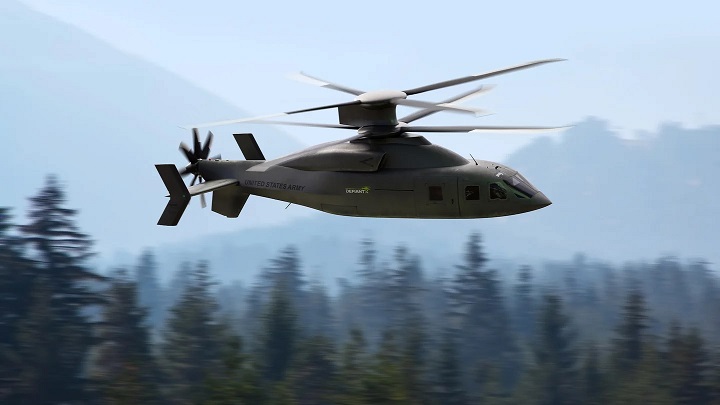
the aerodynamics of helicopter rotors can be quite complex and challenging to simulate accurately. Blade vortex interactions, in particular, can cause significant fluctuations in the lift and drag forces on the rotor blades, which can lead to vibration and noise.
To simulate the aerodynamics of helicopter rotors, we typically use computational fluid dynamics (CFD) software such as Star-CCM+ or ANSYS Fluent. These software packages allow us to create a digital model of the rotor and the surrounding air, and simulate the fluid flow over the rotor blades as they rotate.
To model the blade vortex interactions, we use a technique called unsteady simulation, which takes into account the time-varying flow around the blades as they rotate. We also incorporate the effects of turbulence in the air, which can have a significant impact on the accuracy of the simulation.
The output of the simulation includes data on the lift and drag forces acting on the rotor blades, as well as the flow velocity and pressure distributions around the blades. This information can be used to optimize the design of the rotor blades for better performance and reduced noise. It can also be used to investigate the effects of different flight conditions, such as the interaction between the main and tail rotors or the tail shake phenomenon, and to develop strategies for mitigating these effects.
The wider discipline
Aerodynamics Simulation
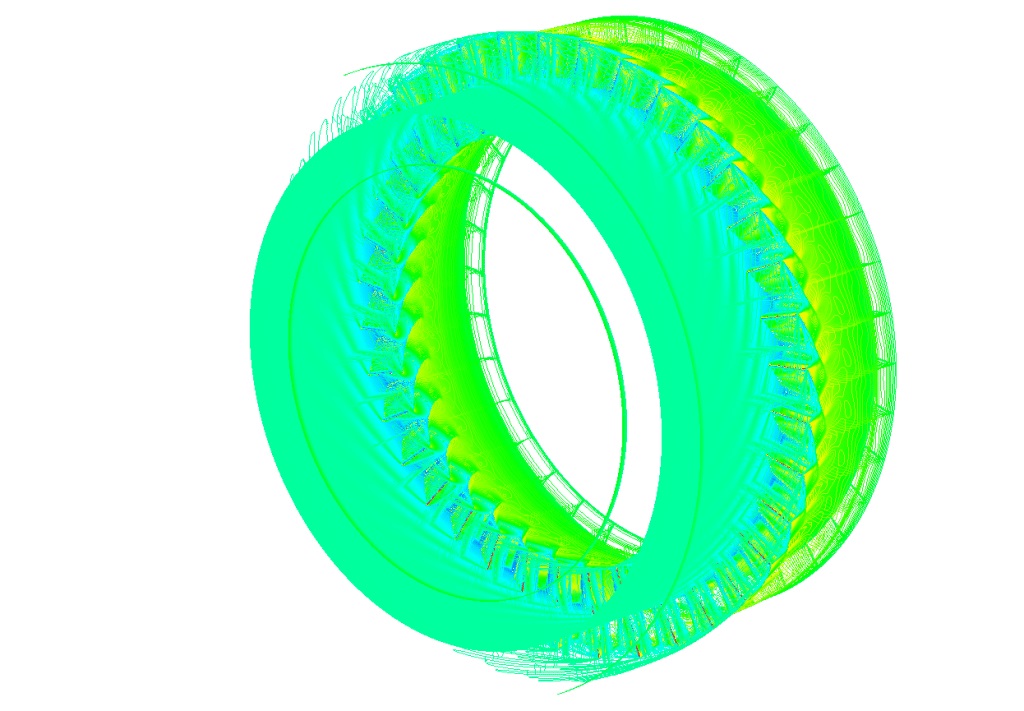
Aerodynamics studies can cover the full speed range of low speed, transonic, supersonic and hypersonic flows as well as turbulence and flow control. System properties such as mass flow rates and pressure drops and fluid dynamic forces such as lift, drag and pitching moment can be readily calculated in addition to the wake effects. The results of CFD simulation in MSC Cradle, Ansys Fluent and Siemens Star-ccm+ can be used directly for design purposes or as in input to a detailed stress analysis.
Aerodynamics is a branch of fluid dynamics …
Aerodynamics is a branch of fluid dynamics …
More in Aerodynamics Simulation
View the section →
Capabilities that sit beside this one
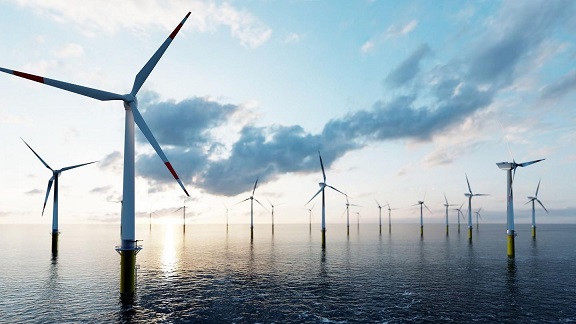 WIND TURBINE & FARM
With deep Knowledge in FEA and CFD and combining or coupling different CAE tools for real world simulation such as Ansys Fluent, …
Open capability
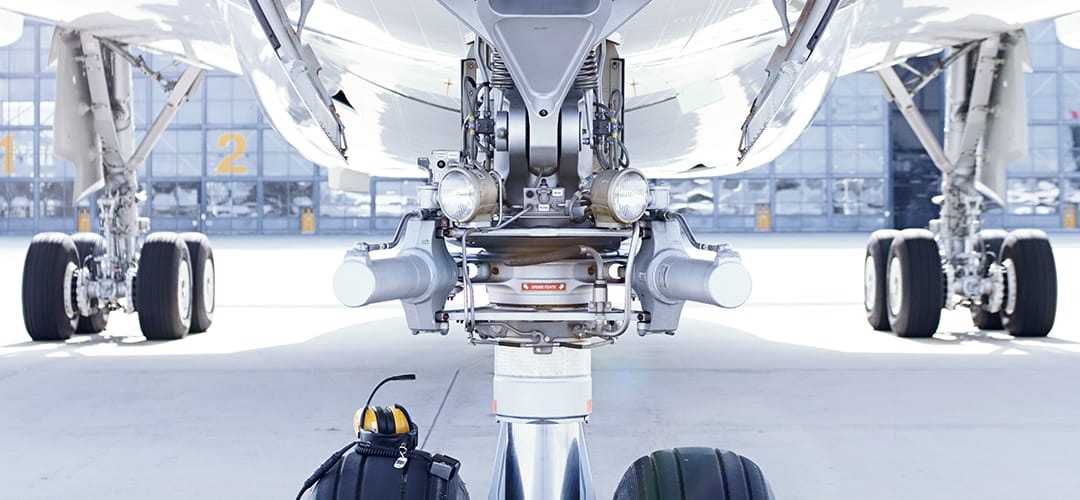 Aerodynamic Noise Simulation
Aerodynamic noise is a type of noise that is generated by the motion of fluids, around objects. Examples of aerodynamic noise include …
Open capability
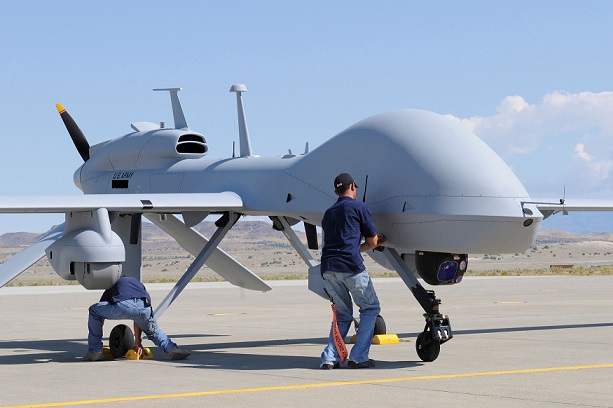 Drone Aerodynamics
Aerodynamic simulation is a crucial tool in the design and optimization of drones. By simulating the flow around the drone and analyzing …
Open capability
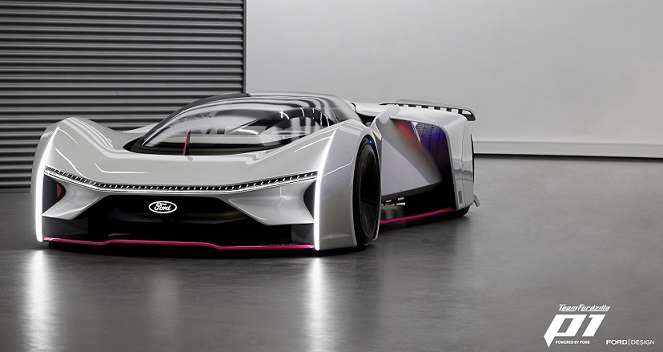 Race Car Aerodynamics
We provide Engineering Analysis of fluid flow over a body, wing or component with Star-ccm+ and Ansys Fluent. We can work from …
Open capability
Across CFD
Other Simulation Area
Hydrodynamics CFD simulation
Ship Stability & Safety Analysis with FEA & CFD
Ship stability and safety are critical considerations in the design and operation of ships. Numerical investigations, including Finite …
Multi-Phase Flows CFD Analysis
Multiphase flow types and related numerical methods
There are several types of multiphase flows, each with its own characteristics and modeling requirements. Common types of …
MultiObjective Design of Turbomachinery
Heat Transfer Simulations for Turbomachinery
Most machines, such as high-heat turbines (gas and steam), boilers, and combustors for example, require strict control of …
Reacting Flows & Combustion
Gas Turbine Combustion
With using advanced and specialized CFD tools such as AVL Fire, Siemens Star-ccm+, Ansys Fluent and Converge, OLTRION …
Fluid Structure Interaction (FSI)
FEA and CFD based Design and Optimization for Marine and Shipbuilding Industry
From the design and manufacture of small recreational craft to large oil tankers, using FEA- and CFD-based simulation, …
Working on rotors aerodynamic simulation?
Tell us the geometry, the physics and the decision it has to support.
Talk to an engineer