

Finite Element Multibody Dynamics
Control Systems
Multibody Dynamics & FEA: Robots Dynamics, Control Systems, Advanced Machinery, Full Vehicle MBD and NVH
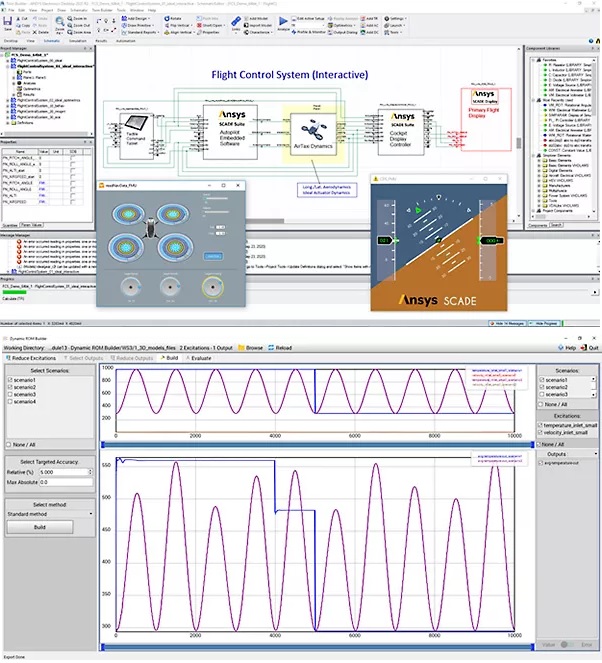
Control systems play a critical role in the performance and safety of many engineering systems, including machinery and mechanical drive systems. To design and optimize control systems, engineers often use a combination of MBD simulation and finite element analysis.
MBD simulation allows engineers to evaluate the dynamics of a system, including the interactions between different components and the effects of external forces. This information can be used to design and optimize control systems, such as feedback control loops, that regulate the motion and forces in the system.
Finite element analysis, on the other hand, is a technique used to simulate and analyze the behavior of a system under different loading conditions. Together, MBD simulation and finite element analysis provide a comprehensive toolset for designing and optimizing control systems for machinery and mechanical drive systems.
The wider discipline
Multibody Dynamics
Complex mechanical assemblies present design challenges that require a dynamic system-level analysis to be met. Accurate modeling can require representations of various types of components, like electronic controls systems and compliant parts and connections, as well as complicated physical phenomena like vibration, friction and noise.
MBD analysis enables us to meet these challenges by quickly evaluating and improving designs for important characteristics like performance, safety and comfort. Traditional MBD assumes that structural members are fully rigid, but with coupled using of FEA and MBD software such as Ansys, Abaqus, Simpack …
MBD analysis enables us to meet these challenges by quickly evaluating and improving designs for important characteristics like performance, safety and comfort. Traditional MBD assumes that structural members are fully rigid, but with coupled using of FEA and MBD software such as Ansys, Abaqus, Simpack …
More in Multibody Dynamics
View the section →
Capabilities that sit beside this one
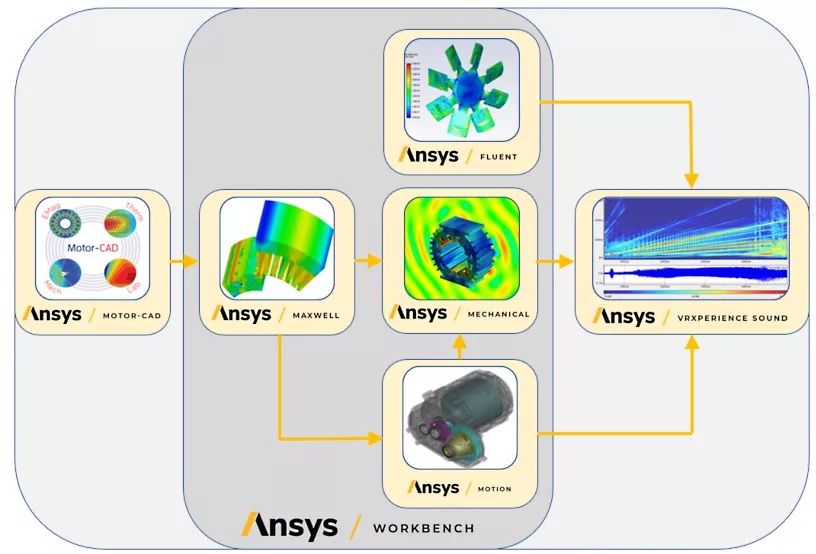 Multibody Dynamics & NVH
By combining MBD simulation and NVH finite element simulation analysis, engineers can create comprehensive models that simulate the dynamic behavior of a …
Open capability
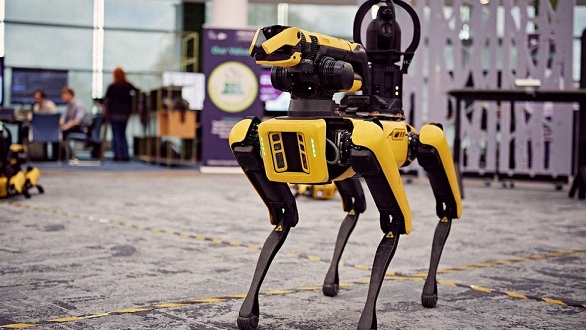 Robots Dynamics & Performance Assessment
Robots have become an increasingly important part of modern manufacturing and industrial processes. To design and optimize robot systems, engineers often use …
Open capability
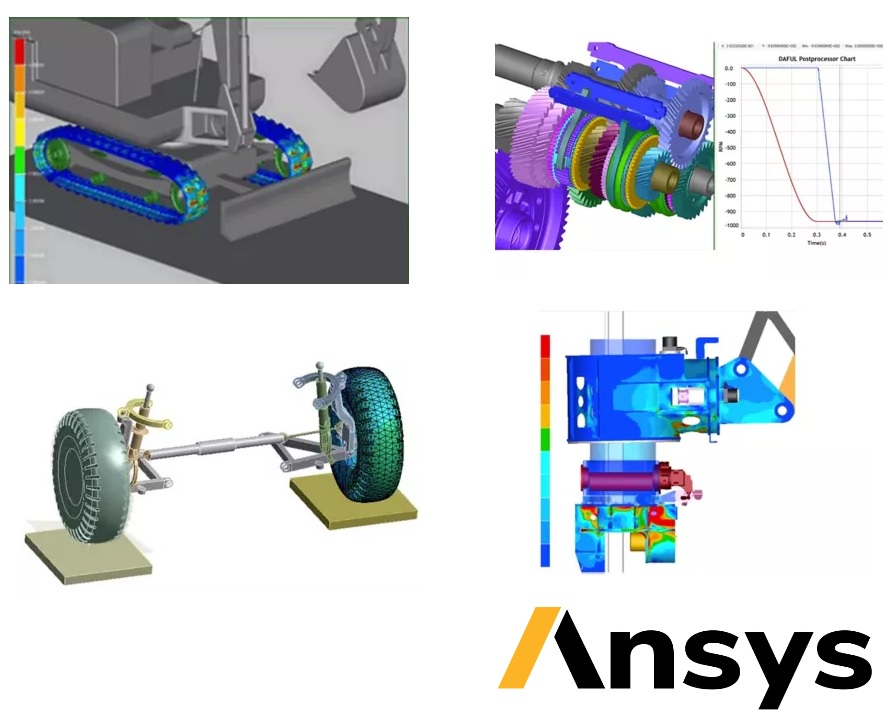 Vehicle MultiBody Dynamics Simulation: Car Ride, Driveline, Engine and Tire MBD
Multi-body dynamic (MBD) simulation is a powerful tool for analyzing and optimizing the performance of different subsystems within a vehicle. By simulating …
Open capability
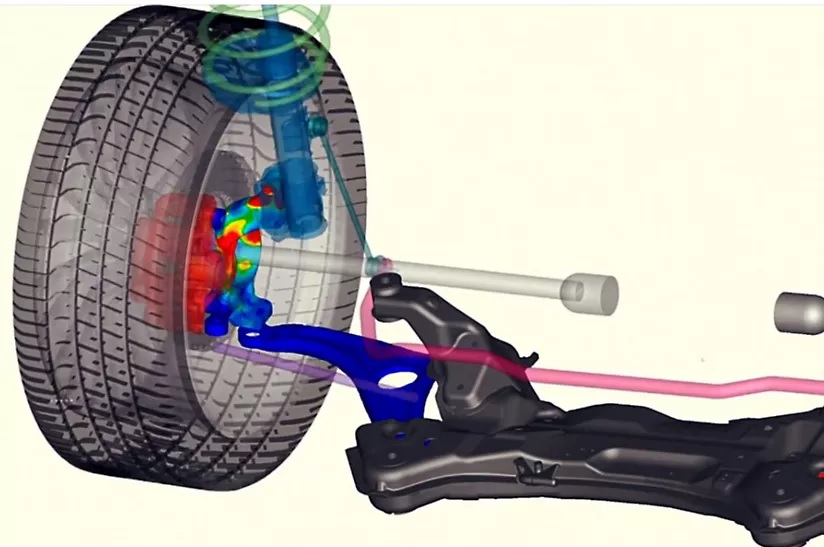 Complicated Machinery & Mechanical Drive Systems
MBD simulation, or multi-body dynamics simulation, is a powerful tool used by engineers to simulate and analyze the complex interactions between components …
Open capability
Across Finite Element
Other Simulation Area
Acoustics and Vibration
Acoustics in Aerospace Engineering
Aero-acoustics is becoming increasingly important in the aerospace industry due to the growing concern over the noise generated …
Additive Manufacturing
Directed Energy & Laser Metal Deposition
By using advanced FEA software and high-performance computing (HPC) hardware, it is possible to simulate the thermal and …
Blast, Explosion & Fire
Applications of blast and explosion FEA & CFD simulation in the Chemical, Petrochemical, Oil & Gas industry
Applications of blast and explosion simulation: ▶ Explosion Modeling: Numerical simulation can be used to model the behavior …
Composite Materials
High-rate loading conditions: Impact, Crash, Blast and Explosion
Composite materials can exhibit complex behavior under high-rate loading conditions, including fracture, damage, and delamination. High-rate loading conditions …
Crash Test Simulation
Airbag Effectiveness in Crash Test and crashworthiness
Airbags are an important safety feature in automobiles that can help reduce the risk of injury or death …
Durability & Fatigue Life
Creep & Creep-Fatigue Interactions
To evaluate the durability of components subjected to both mechanical and thermal loads, it is important to consider …
Metal Forming Simulation
Hot Forging
Hot forging is a manufacturing process that involves shaping metals above their recrystallization temperature. During hot forging, the …
Thermal Analysis
Heat Exchangers
Heat exchangers are involved in a variety of application areas, such as water treatment, resource refinery, nuclear power, …
Welding Simulation
Finite Element Simulation of Brazing
Brazing is a thermal joining process that uses a melted filler material to connect metal components. The filler …
VTOL, eVTOL & UAM
eVTOLs and UAM Crashworthiness Certification
Occupant safety is integral to the design, development, and operation of urban air mobility (UAM) systems. Emergency landing …
Working on control systems?
Tell us the geometry, the physics and the decision it has to support.
Talk to an engineer