

CFD Hydrodynamics CFD simulation
Resistance, Propulsion, Sea-Keeping & Maneuvering Simulation
Hydrodynamics CFD Simulation: Transient Resistance, Propulsion, Cavitation, Acoustics & Vibration, and Fatigue
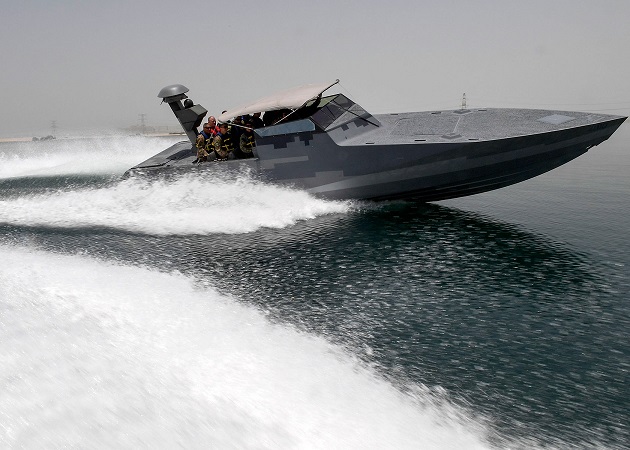
Key marine simulation capabilities:
- Resistance simulations: Resistance simulations enable the prediction of the resistance of the ship or structure in various operating conditions, such as different speeds, wave heights, and sea states. This information can be used to optimize the hull design, reduce fuel consumption, and improve overall efficiency.
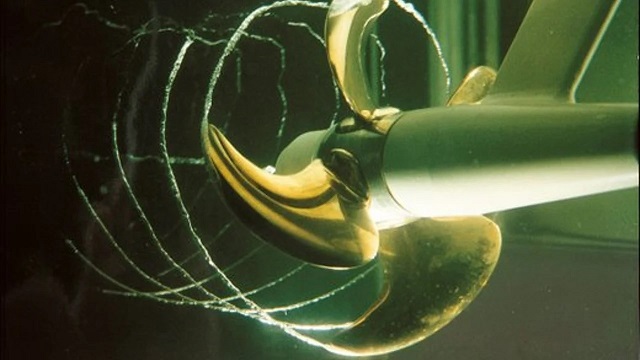
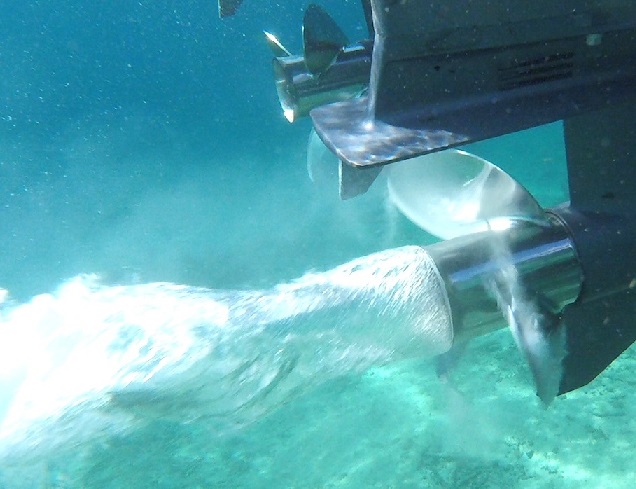
- Propulsion simulations: Propulsion simulations can be used to optimize the design of propellers, thrusters, and other propulsion systems for energy-efficient operation and optimal performance. These simulations can also help to avoid cavitation on the propeller blades, which can cause damage and reduce efficiency.
- Sea-Keeping simulations: Sea-Keeping simulations can be used to predict the behavior of a ship or structure in various sea states, including wave heights, wave directions, and currents. This information can be used to optimize the design of the ship or structure to ensure stability and safety in these conditions.
- Maneuvering simulations: Maneuvering simulations can be used to analyze the performance of a ship or structure during maneuvers, such as turning or stopping. This information can be used to optimize the design of the ship or structure to ensure safe and efficient operation.
By utilizing these simulations, OLTRION's engineering team can provide a range of analyses, including shipkeeping, slamming and sloshing, wave and wind loading on offshore and underwater structures, oil and pollutant dispersions, and cavitation control to propulsion system optimization. This enables clients to optimize the design and operation of their ships and offshore structures for improved performance, efficiency, and safety.
The wider discipline
Hydrodynamics CFD simulation
Hydrodynamics is a common application of CFD and a main core of OLTRION expertise. CFD allows the steady-state and transient hydrodynamics of hydrofoils, submersible vehicles, propellers, impellers, marine structures and marine plant to be computed with extremely high levels of accuracy. OLTRION's Engineering team provides analyses ranging from: ship keeping, slamming and sloshing, wave and wind loading on offshore and underwater structures, oil and pollutant dispersions to cavitation.
More in Hydrodynamics CFD simulation
View the section →
Capabilities that sit beside this one
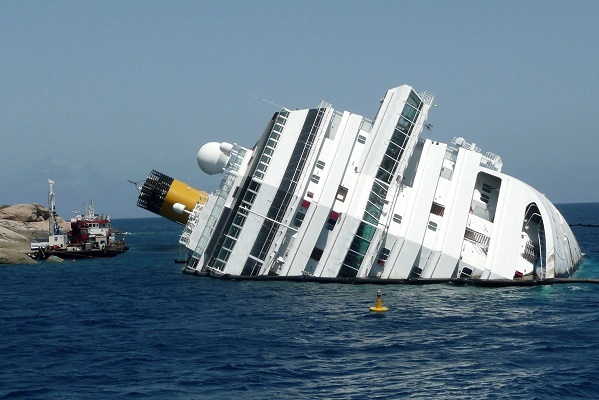 Ship Stability & Safety Analysis with FEA & CFD
Ship stability and safety are critical considerations in the design and operation of ships. Numerical investigations, including Finite Element Analysis (FEA) and …
Open capability
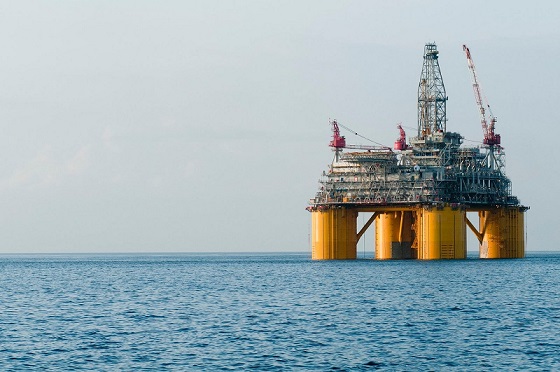 Structures Design Including Hydrodynamics
Structures design, including hydrodynamics, is a crucial aspect of marine and offshore engineering. We utilize FEA and CFD software to provide engineers …
Open capability
 Hydrodynamics & HydroAcoustics simulation for AIV (Acoustic Induced Vibration)
Hydrodynamics and HydroAcoustics simulations can be used to analyze and predict the occurrence of AIV (Acoustic Induced Vibration) in process plants. AIV …
Open capability
 Hydroplaning (Aquaplaning) Simulation
Hydroplaning, also known as aquaplaning, can be a serious safety hazard for drivers, as it can cause a loss of control of …
Open capability
Across CFD
Other Simulation Area
Aerodynamics Simulation
Race Car Aerodynamics
We provide Engineering Analysis of fluid flow over a body, wing or component with Star-ccm+ and Ansys Fluent. …
Multi-Phase Flows CFD Analysis
Industrial applications of Multi-Phase Flows CFD Analysis
The tools such as Ansys Fluent, Siemens Star-ccm+ and OpenFoam, can be used in combination with experienced engineers …
MultiObjective Design of Turbomachinery
Turbomachinery Generative Design
Generative design is a powerful approach to optimizing complex geometries for turbomachinery components. By leveraging advanced simulation tools …
Reacting Flows & Combustion
Fuel Injectors & Spray Simulation
Fuel injectors and spray simulation are important aspects of the design and optimization of internal combustion engines. CFD …
Fluid Structure Interaction (FSI)
Two-Way FSI: Two-way coupled CFD and structural (FEA)–Thermal simulation
Applications such as leakage paths and thin film flows where thermal-stress induced structural deformation affects fluid flow present …
Working on resistance, propulsion, sea-keeping & maneuvering simulation?
Tell us the geometry, the physics and the decision it has to support.
Talk to an engineer