

Industries Marine & Shipbuilding
Propulsion Systems and Cavitation
FEA & CFD based Design and Optimization for Marine and Shipbuilding Industry
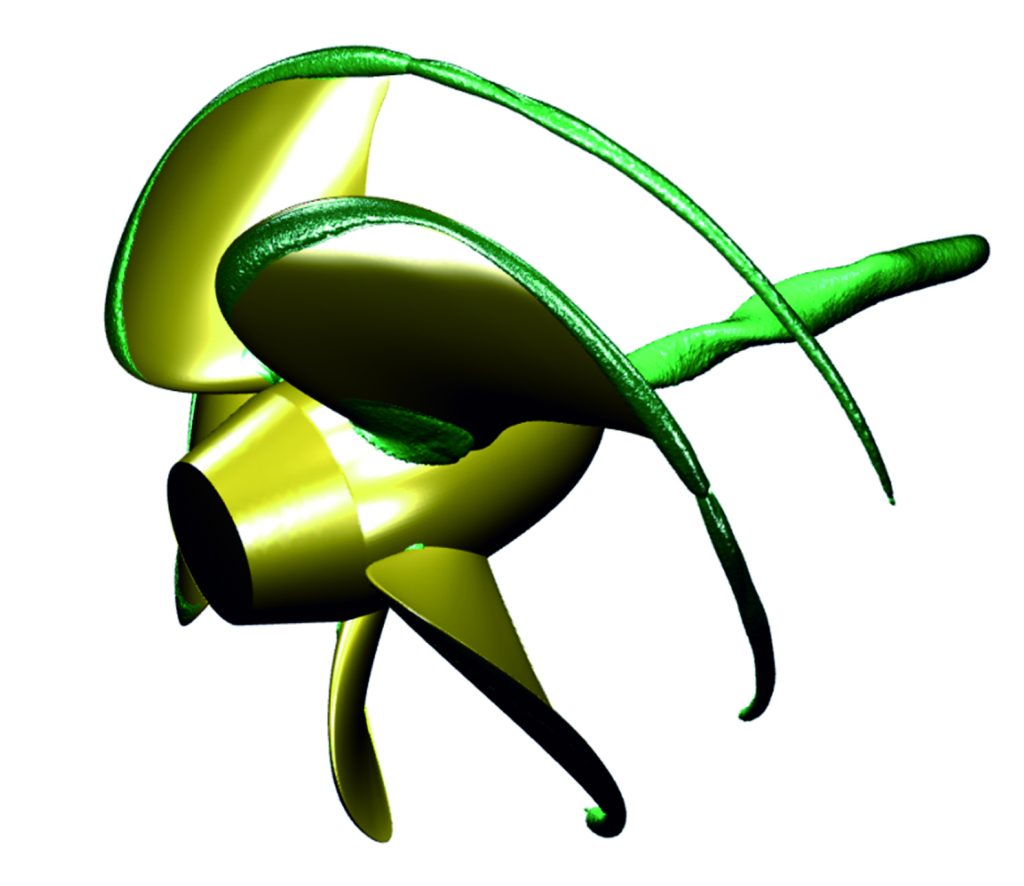
Propulsion systems are a critical component of marine and shipbuilding industry. The propulsion system is responsible for providing the necessary power to move the vessel through water, and it can significantly impact the vessel's overall performance and fuel consumption. One of the challenges in designing propulsion systems is the phenomenon of cavitation.
Cavitation occurs when the pressure in a fluid drops below the vapor pressure, causing bubbles to form and collapse, generating high-energy shockwaves. This can cause damage to the propeller blades and other components of the propulsion system, as well as reducing its efficiency.
To address this challenge, designers and engineers in the marine and shipbuilding industry are using advanced simulation technology to model and analyze the performance of propulsion systems, including the effects of cavitation. This allows for the optimization of the design of the propulsion system to reduce cavitation and improve efficiency.
One approach to reducing cavitation is to optimize the shape of the propeller blades. By using CFD simulation tools, our designers can model the flow of water around the propeller blades and identify areas of high pressure and turbulence that can lead to cavitation. This information can then be used to modify the shape of the blades to reduce these effects and improve performance.
Another approach is to optimize the operating conditions of the propulsion system, such as the vessel speed and draft. By modeling the effects of different operating conditions on the performance of the propulsion system, engineers can identify the optimal conditions for reducing cavitation and improving efficiency.
The wider discipline
Marine & Shipbuilding
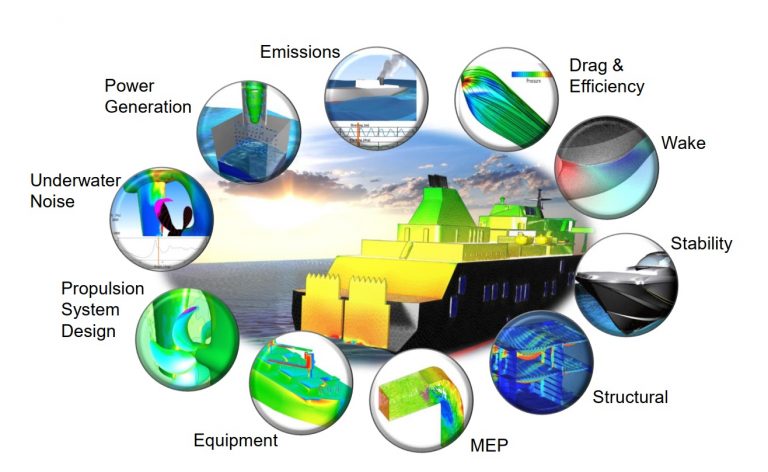
Finite Element Analysis (FEA) and Computational Fluid Dynamics (CFD) are widely used in the marine and shipbuilding industry to optimize the design of ships and boats.
One application of FEA in shipbuilding is to analyze the structural integrity of the vessel under various loading conditions. This can include analyzing the stresses and strains on the hull, the performance of the propulsion system, and the behavior of the vessel in waves and other environmental conditions.
CFD simulations, on the other hand, can be used to analyze the fluid dynamics around the …
More in Marine & Shipbuilding
View the section →
Capabilities that sit beside this one
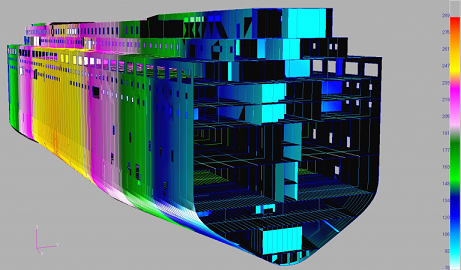 Structural Dynamics Integrity
Structural-borne noise and vibration need to be minimized for passenger comfort and reduced environmental impact. Our full suite of vibro-acoustics simulation, and …
Open capability
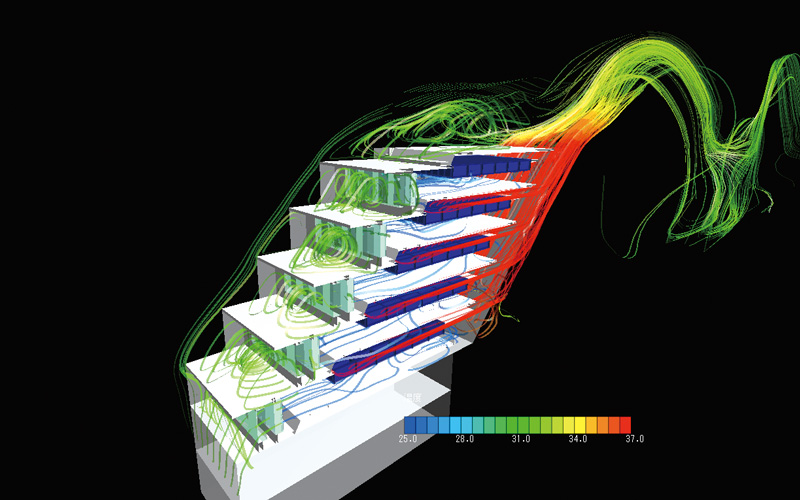 HVAC Design
HVAC (Heating, Ventilation, and Air Conditioning) systems are an essential component of marine and shipbuilding projects, providing climate control and ventilation for …
Open capability
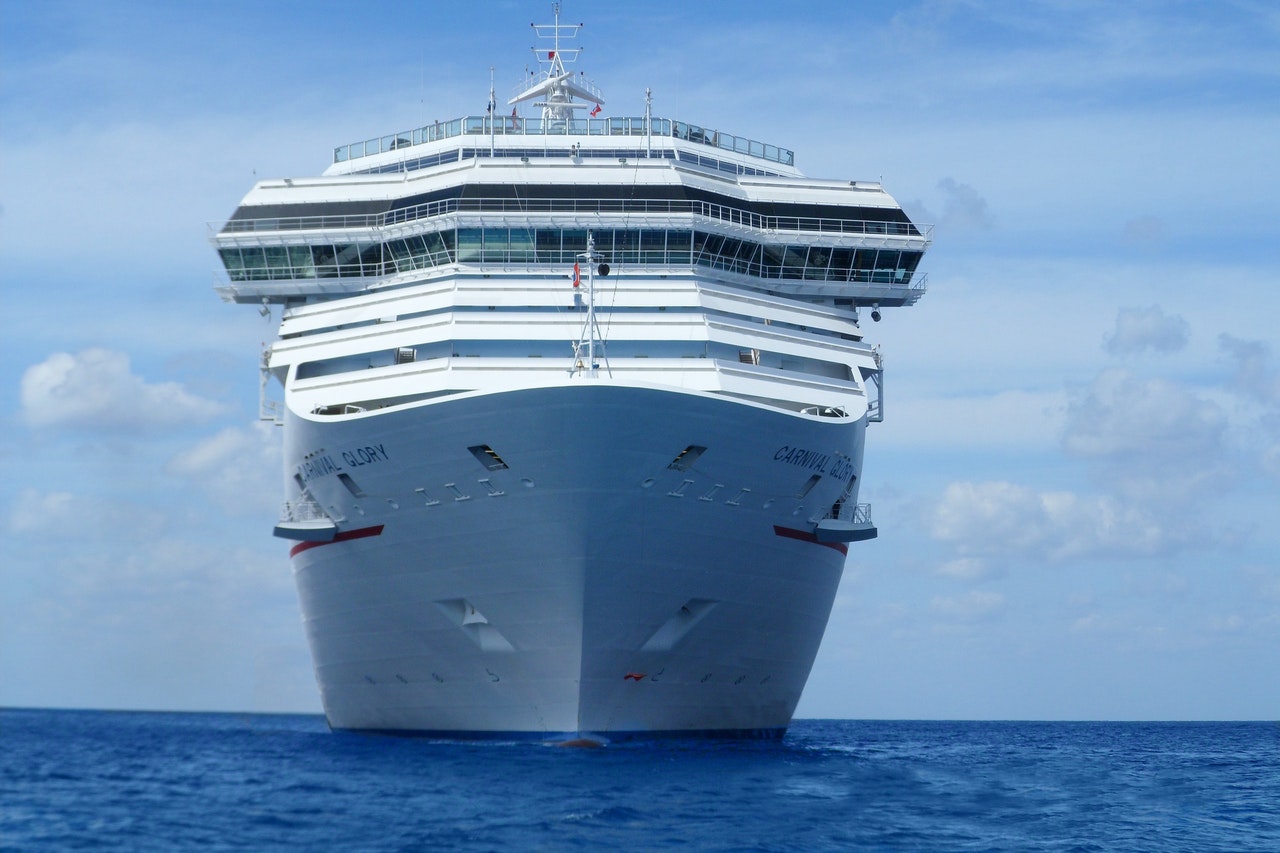 Hydrodynamic Performance of Ship Hull
The hull design can significantly impact a vessel's speed, stability, fuel consumption, and overall operating costs. Traditionally, vessels have been optimized for …
Open capability
Across Industries
Other Simulation Area
Aerospace & Defense
CFD Simulations for Drone Design and Analysis
CFD simulations are an essential tool in the design and analysis of drones in the Aerospace and Defense …
Automotive Engineering
Injection Nozzle Development and Optimization
To develop and optimize injection nozzles, a combination of advanced CFD tools such as Ansys Fluent, Siemens Star-ccm+ …
Chemical Processing
Mixer Design
Mixing is a crucial step in many chemical processes, and reactor design is a key factor in ensuring …
Civil Engineering
Earthquake Engineering & Seismic Design
Advanced analysis techniques are required to accurately assess the behavior of structures under seismic loading conditions. Dynamic time-domain …
Energy & Power Industry
Finite Element and CFD Simulation in Oil & Gas Industry
Key areas where FEA and CFD simulation is used: ▶ Reservoir simulation: Reservoir simulation involves modeling the behavior …
Industrial Equipment & Rotating Machinery
Consulting services for fluid flow-thermal engineering challenges
OLTRION provides expert consulting services for fluid flow and thermal engineering challenges using computational fluid dynamics (CFD). Our …
Medical & Biomedical Devices
Orthopedic and Dental Implants
Orthopedic implants are commonly used to restore function in patients suffering from bone fractures, degenerative joint diseases, and …
Seat Design
Lumbar support for Car Seat
Lumbar support is an important feature in automotive seating, as it can help reduce lower back pain and …
Working on propulsion systems and cavitation?
Tell us the geometry, the physics and the decision it has to support.
Talk to an engineer