

CFD Fluid Structure Interaction (FSI)
One-Way FSI: Coupling CFD and FEA for Fatigue Simulation
Fluid Structure Interaction (FSI)
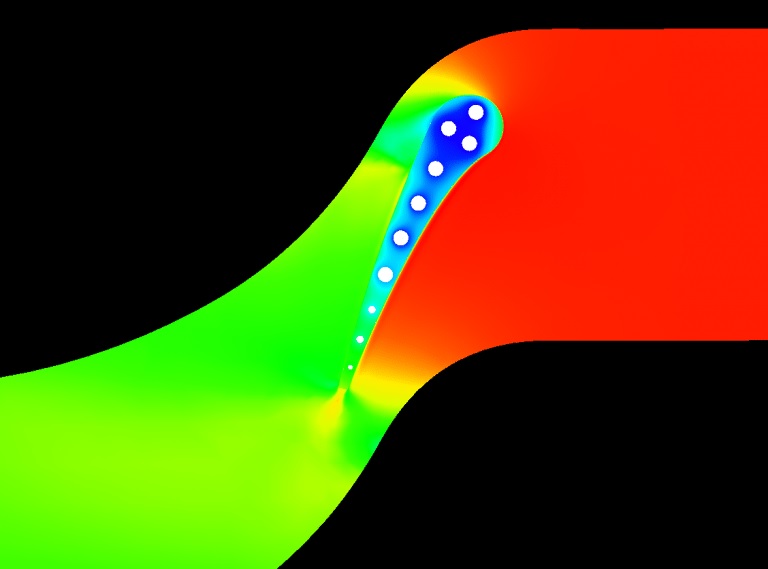
Solving thermal problems with CHT limits the engineer to the physical models that are contained within the CFD solver. More complex problems, such as those involving multimaterial structures or more accurate heat transfer coefficient (HTC) boundary conditions, can be solved by linking the CFD solver to a structural solver.
Transferring solid temperature fields from CFD CHT simulations to a structural thermal system makes it possible to take advantage of FSI simulation. The temperatures or HTCs calculated by CFD — and, if desired, the surface loads — are transferred to the structural finite element analysis (FEA) code. The FEA code then calculates the heat transfer and thermal fields in the structure as well as thermal–mechanical stresses.
A characteristic of a one-way fluid–structure interaction (FSI) solution is that the stresses and deformations calculated in the structural solver are not passed back to CFD to update the mesh and recalculate the flow.
OLTRION’s engineers also use shape-optimization methods to improve heat transfer for given problem conditions. For fatigue assessment we use Simulia FE-SAFE, Ansys nCode DesignLife and FEMFAT to calculate different types of fatigue safety factors from the results of thermo-mechanical simulations. The new design delivers the long life and high quality OLTRION’s customers expect.
- ▶ Multimaterial thermal/structural coupling via CFD → FEA transfer
- ▶ One-way vs two-way FSI: when to update mesh and flow
- ▶ Fatigue & life prediction with FE-SAFE, nCode DesignLife, FEMFAT
Fluid Structure Interaction (FSI)
Capabilities that sit beside this one
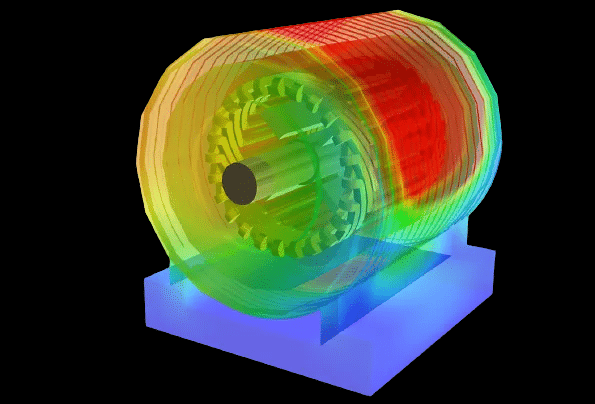 Two-Way FSI: Two-way coupled CFD and structural (FEA)–Thermal simulation
Applications such as leakage paths and thin film flows where thermal-stress induced structural deformation affects fluid flow present an even more difficult …
Open capability
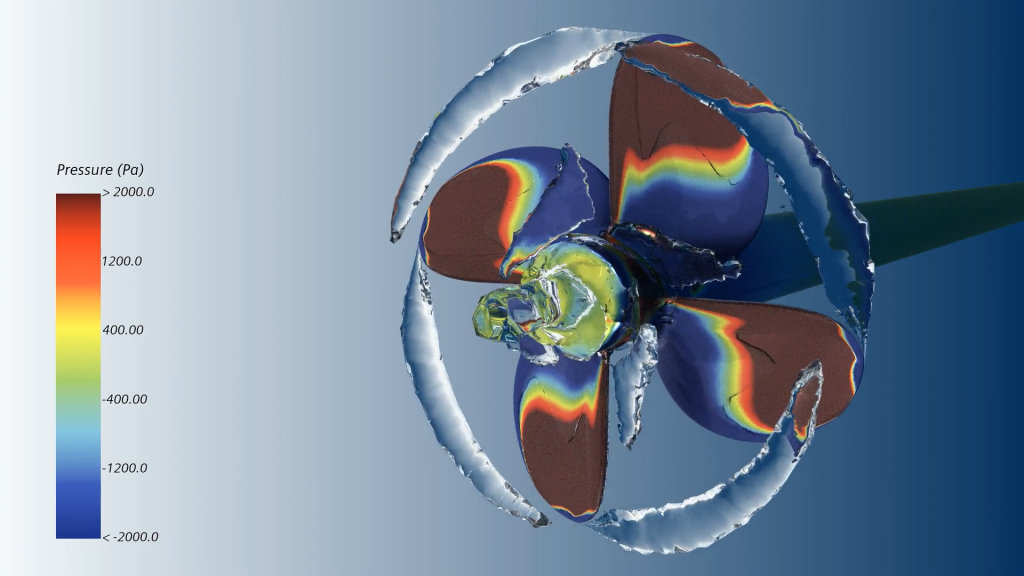 FEA and CFD based Design and Optimization for Marine and Shipbuilding Industry
From the design and manufacture of small recreational craft to large oil tankers, using FEA- and CFD-based simulation, OLTRION assists shipbuilders and …
Open capability
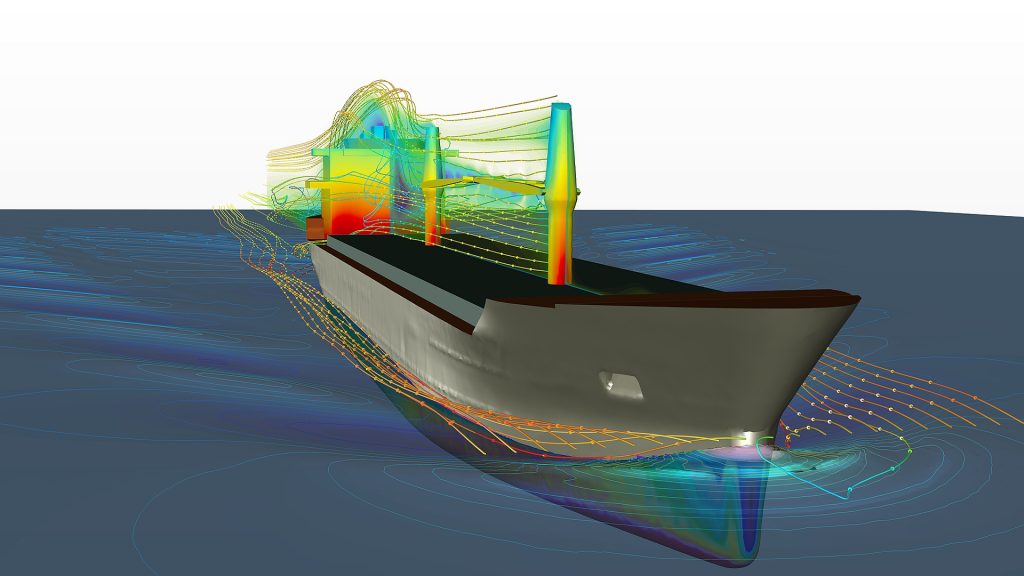 Hydrodynamics CFD simulation, Coupled with FEA for FSI Analysis of Marine and offshore structures
Hydrodynamics is a common application of CFD and a main core of OLTRION expertise. CFD allows the steady-state and transient hydrodynamics of …
Open capability
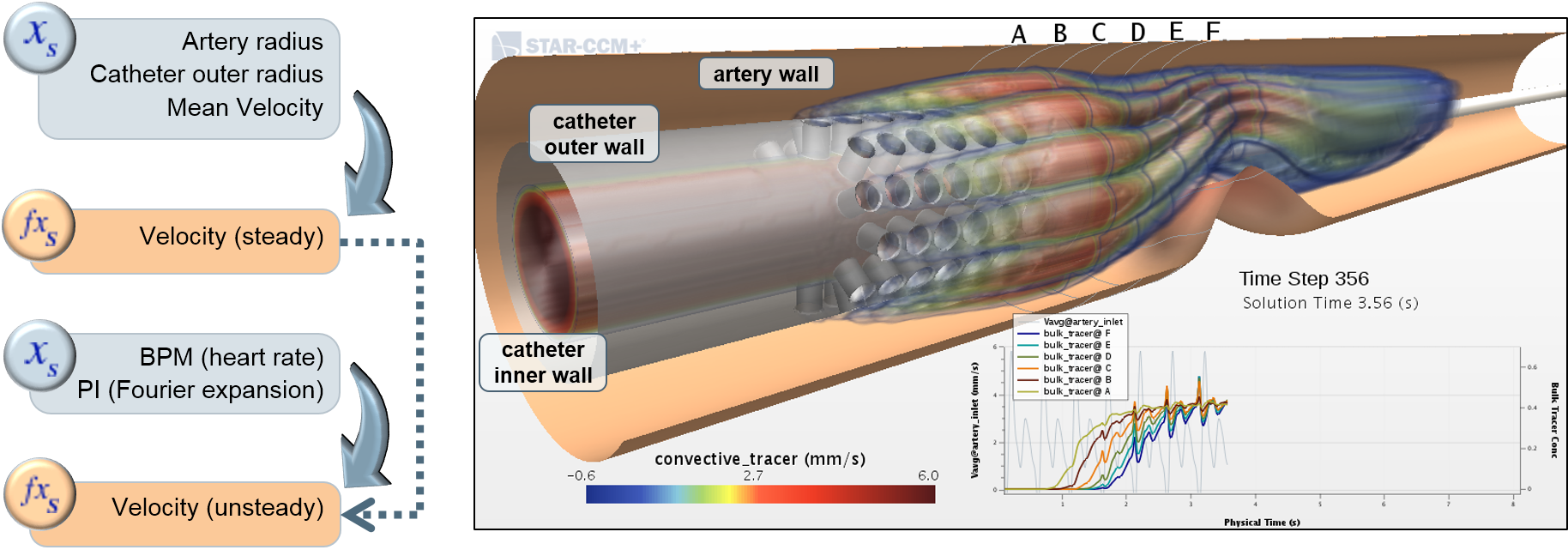 FEA and CFD based Simulation and Design for Medical and Biomedical Applications
FEA- and CFD-based simulation design and analysis is playing an increasingly significant role in the development of medical devices, saving development costs …
Open capability
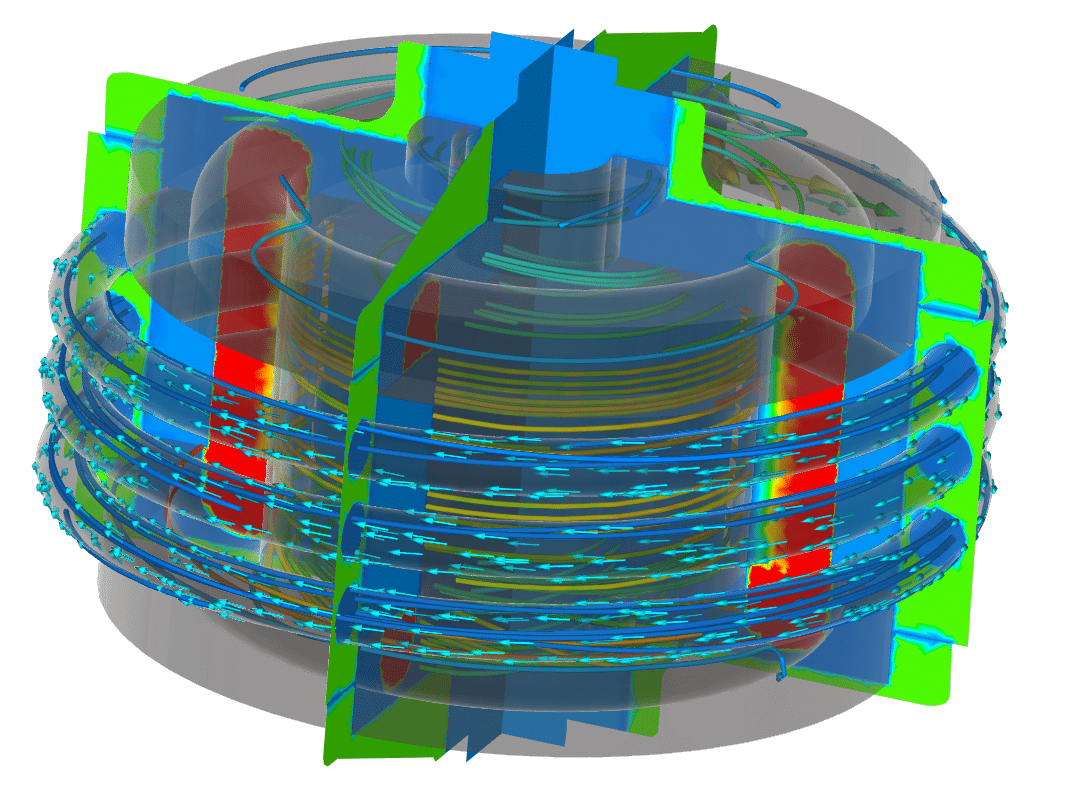 Themal FSI Simulation
Simulating the thermal performance of a product early in the design phase can save large amounts of time and money by getting …
Open capability
Other Simulation Area
Working on one-way fsi: coupling cfd and fea for fatigue simulation?
Tell us the geometry, the physics and the decision it has to support.
Talk to an engineer