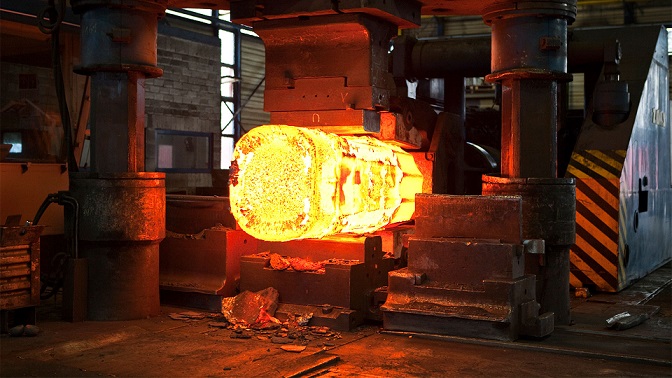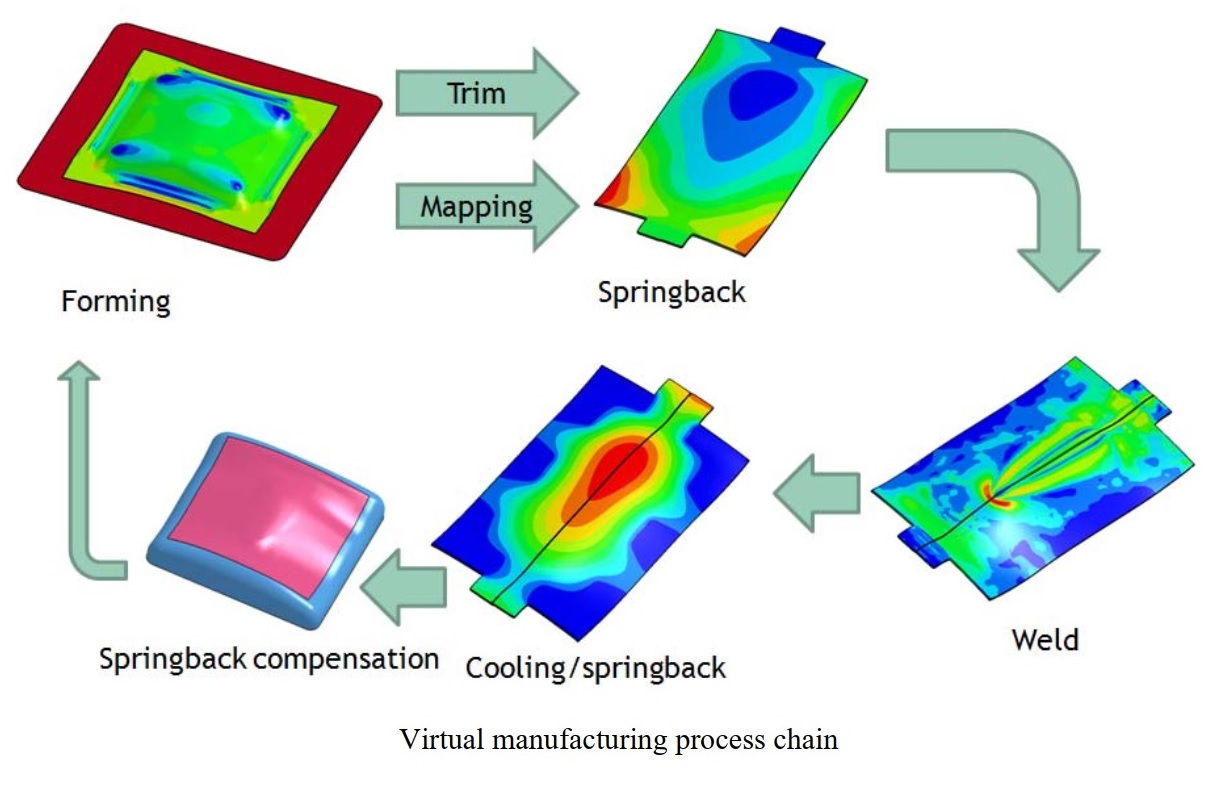
Regarding cold forming, it is true that it is restricted to easily formable materials, or materials that can be easily transferred into a formable microstructural state. This is because cold forming involves applying pressure to a material at room temperature, which can cause it to deform plastically. If the material is too hard or brittle, it may not be able …
Read the full brief →
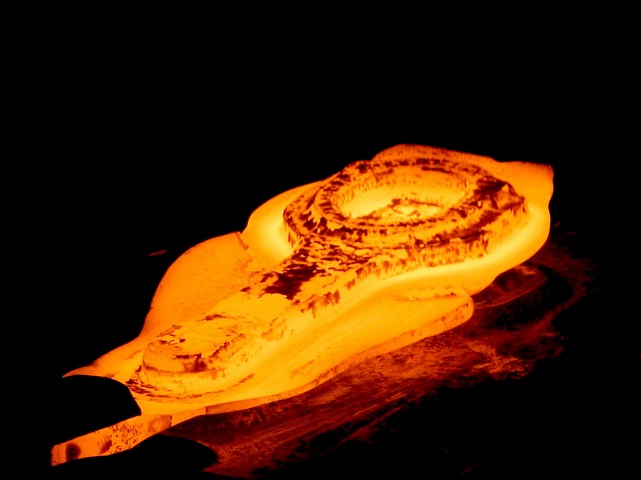
Hot forging is a manufacturing process that involves shaping metals above their recrystallization temperature. During hot forging, the material is heated to a temperature where it becomes malleable and ductile, allowing it to be shaped into complex 3D geometries. Hot forging is used for materials that are difficult to form at room temperature, such as high-strength alloys, which can be …
Read the full brief →
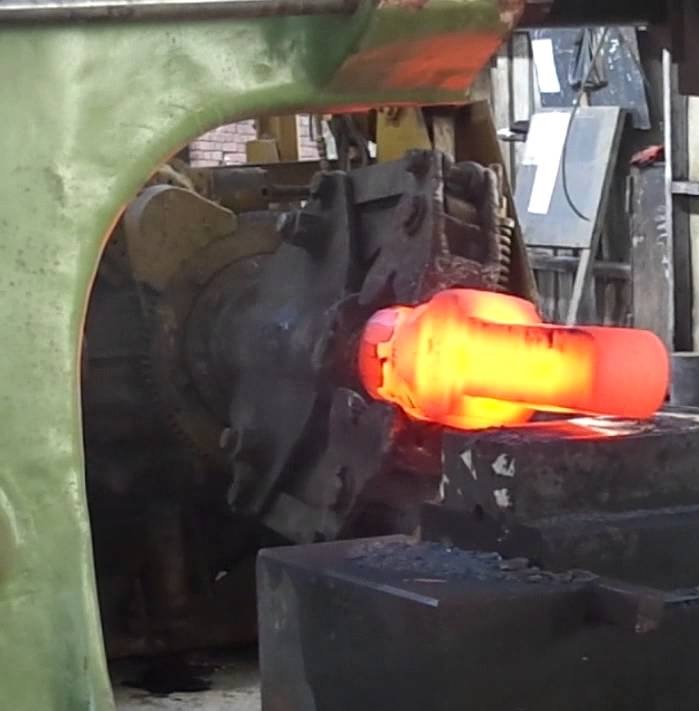
Open die forging is a forging process used for large and critical products that cannot be formed using basic forging processes due to their high deformation load or massive dimensions. In open die forging, the metal is shaped by compressive forces applied by a pair of flat dies that do not completely enclose the workpiece, allowing the material to flow …
Read the full brief →
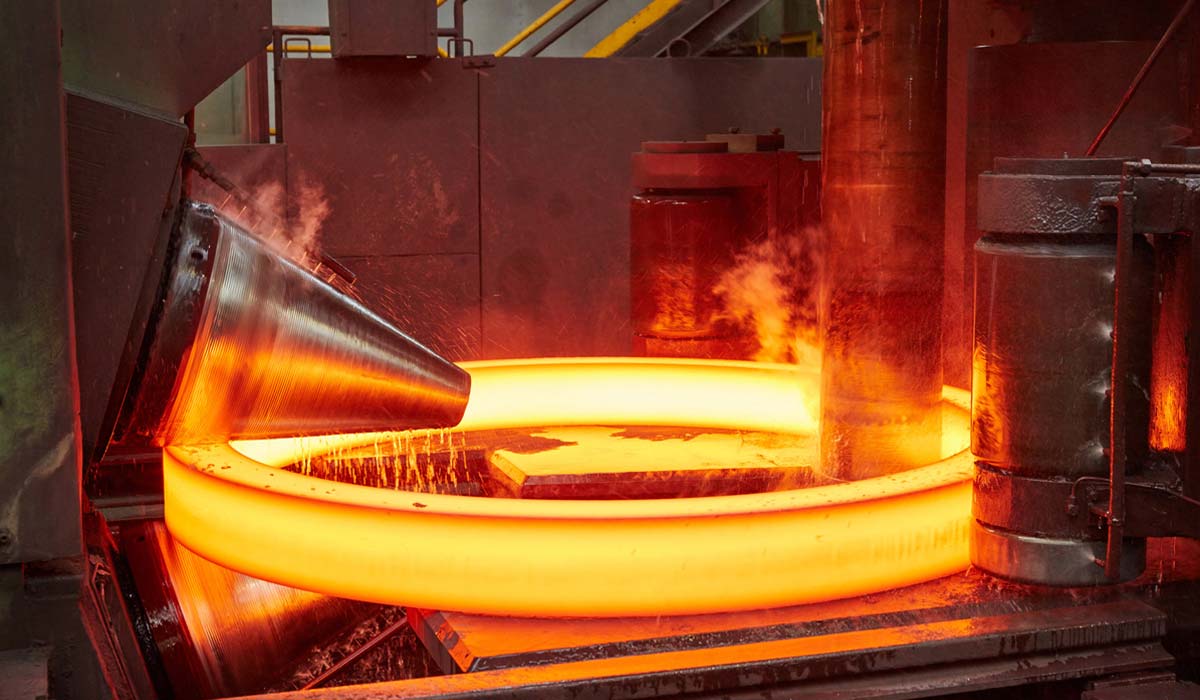
Rolling processes are used in all areas of forming technology, both in hot forging and cold forming, and of course in sheet metal forming. In a rolling process, material is deformed by applying compressive forces between two or more rollers, which reduces the thickness or changes the shape of the material. During the process, the material undergoes significant deformation and …
Read the full brief →
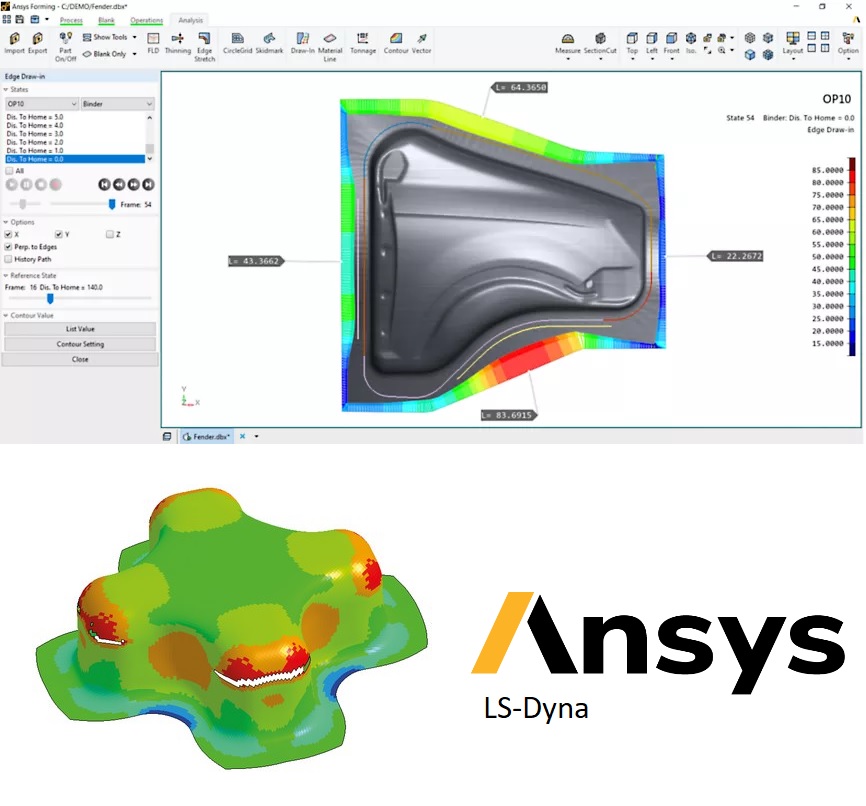
Advanced finite element analysis (FEA) tools such as Ansys, LS-Dyna and Abaqus can be used for sheet metal forming design and simulation to evaluate the feasibility of the project and predict the behavior of the material during the forming process. FEA can provide valuable insights into the material behavior, which can help engineers optimize the process parameters and reduce the …
Read the full brief →