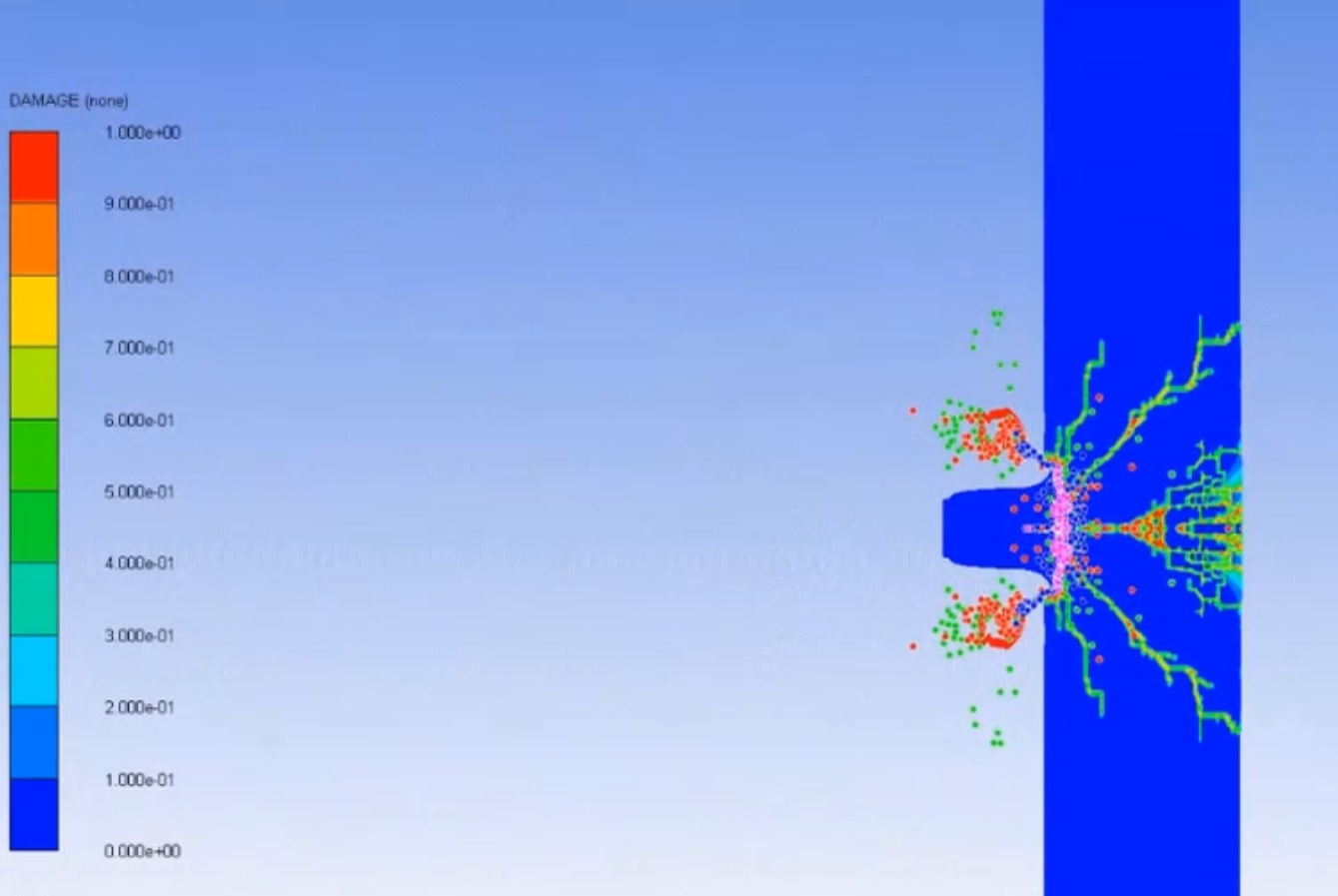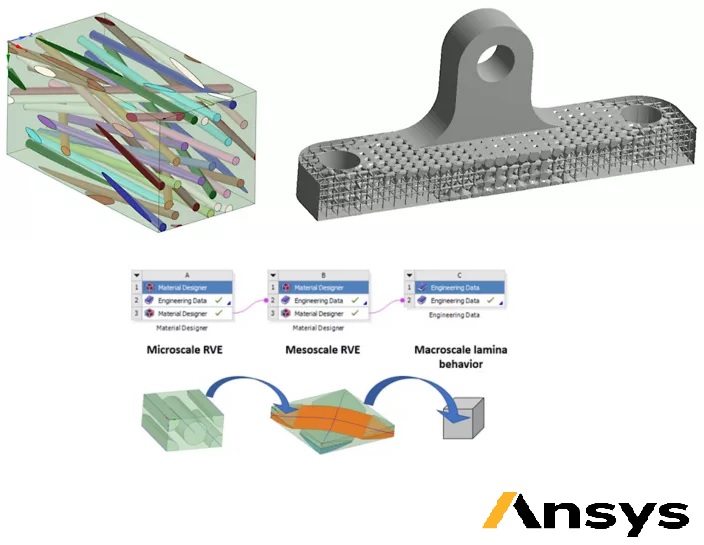
Key composite modeling approaches: ▶ Cohesive zone models (CZMs): CZMs are commonly used to model the initiation and propagation of cracks and delamination in composite materials. These models simulate the behavior of the material at the crack tip by representing the material as a series of cohesive elements that connect the two sides of the crack. The CZM parameters are …
Read the full brief →
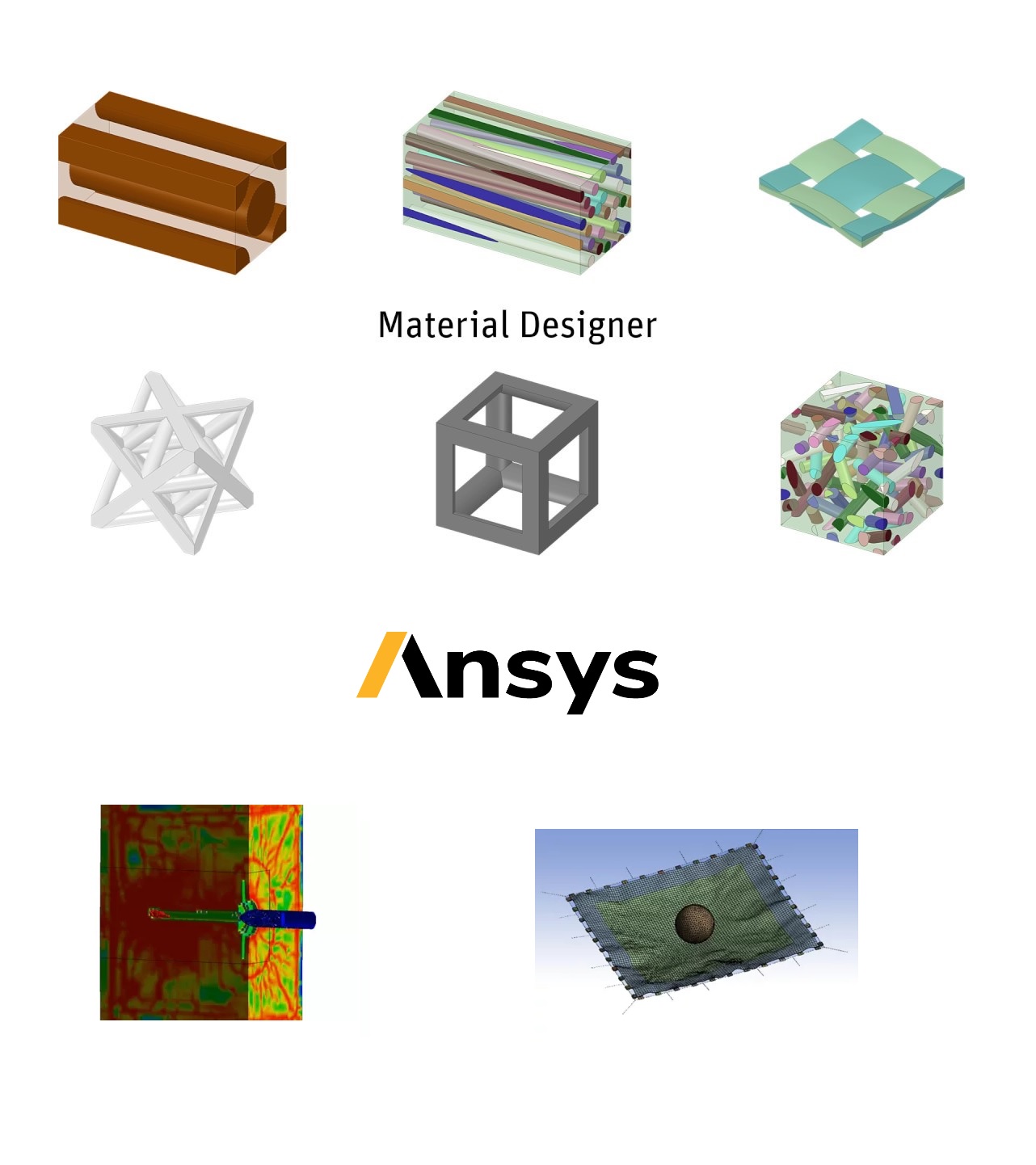
Composite materials can exhibit complex behavior under high-rate loading conditions, including fracture, damage, and delamination. High-rate loading conditions refer to situations where the loading rate is very rapid, such as in impact or blast loading scenarios. In these situations, the material experiences significant dynamic effects that can cause different types of damage, such as matrix cracking, fiber breakage, and delamination. …
Read the full brief →
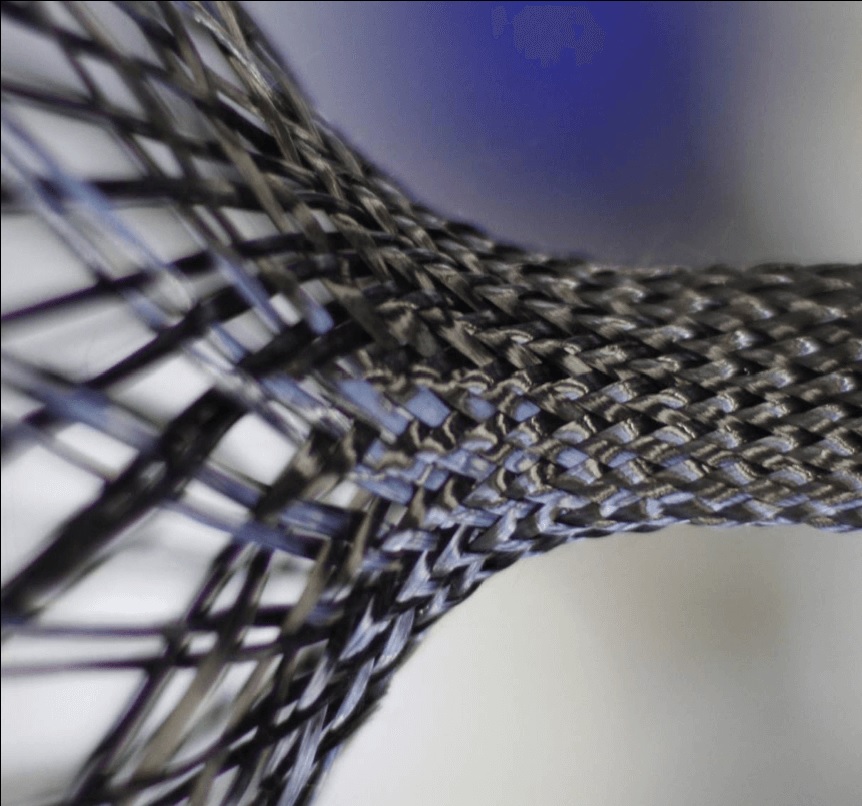
Braided composites are a type of composite material that is made by braiding continuous fibers around a mandrel to create a preform, which is then impregnated with a resin matrix to create a final composite part. This process is different from other composite manufacturing processes like hand layup or filament winding, which involve cutting and placing pre-cut fibers onto a …
Read the full brief →
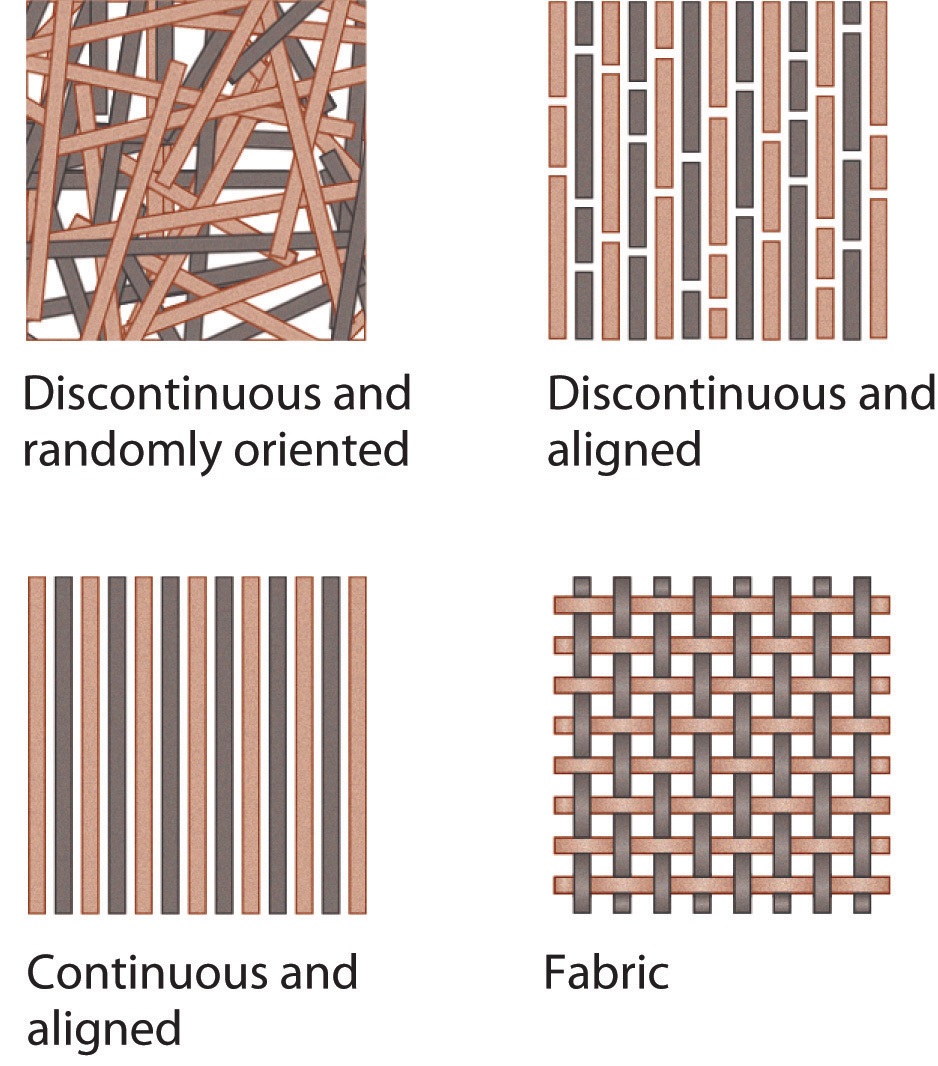
Discontinuous fiber composites (DFC) are a type of composite material that are made by compressing pre-impregnated fiber chips, or prepreg chips, which consist of unidirectional fibers and a matrix material. These chips are typically arranged in a specific orientation and then compressed under high pressure and temperature to form the final composite part. One potential issue with the manufacturing process …
Read the full brief →
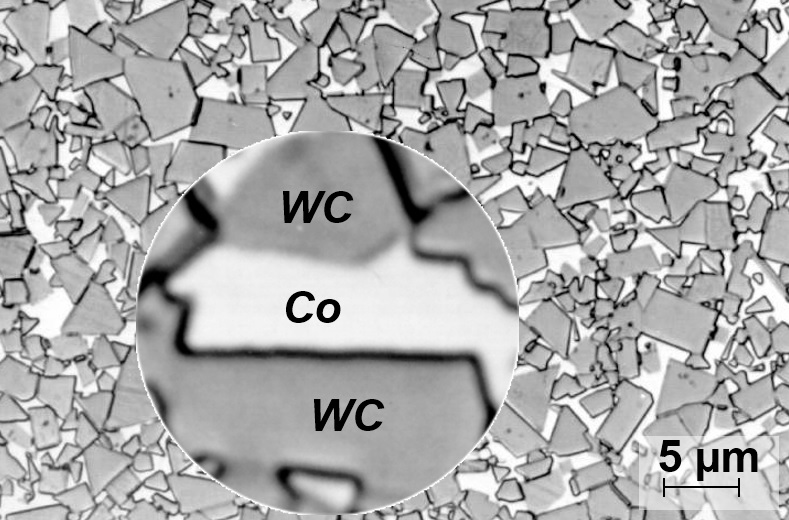
Hard metals, also known as cemented carbides, are composite materials that are made up of a metal matrix and a hard ceramic phase. The metal matrix typically consists of cobalt, nickel, or iron, while the hard ceramic phase is composed of tungsten carbide, titanium carbide, or tantalum carbide. The microstructure of hard metals is critical to their mechanical properties, as …
Read the full brief →
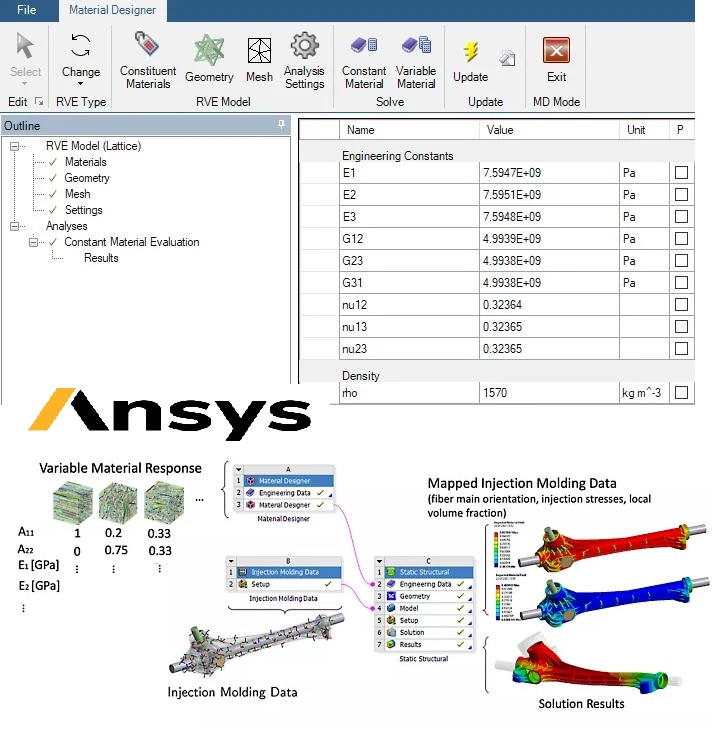
Designing plastic materials reinforced with glass and/or carbon fibers is a complex process that requires consideration of many factors, including the properties of the base plastic material, the type and length of fiber reinforcement, and the manufacturing process used to produce the final part. Advanced CAE software can be used to investigate the performance of these materials, including modal analysis, …
Read the full brief →
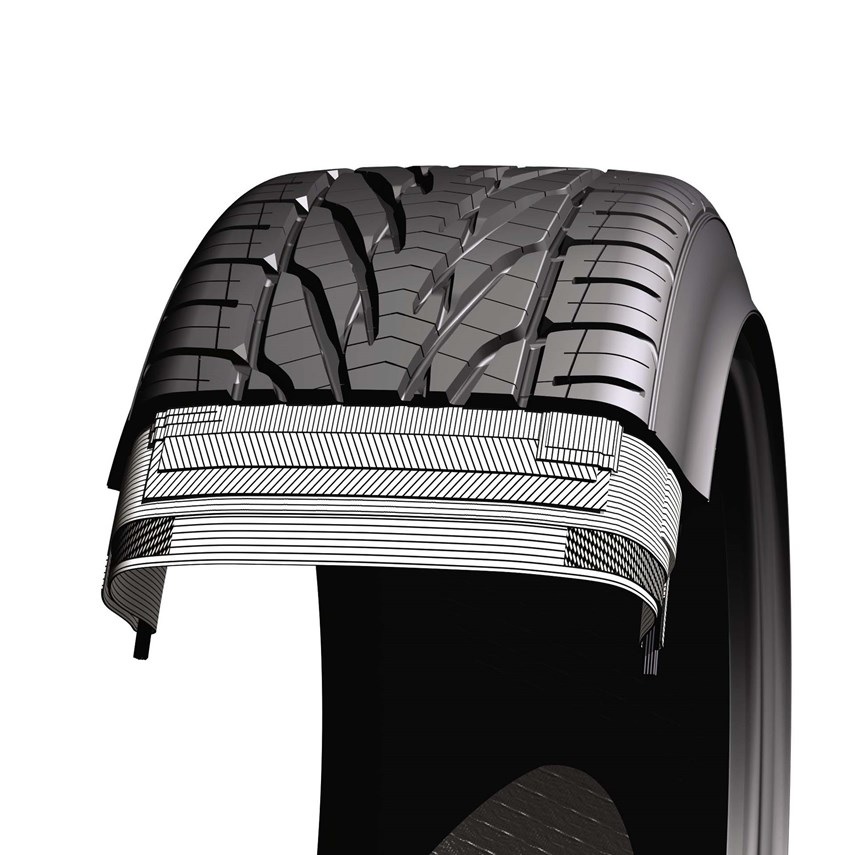
Rubber-based components, such as tires, anti-vibration systems, seals, and hoses, rely on the properties of the rubber matrix to perform their intended function. However, these properties can be significantly enhanced by embedding inclusions, such as carbon black, mica particles, or steel fibers, into the rubber matrix. The inclusion of carbon black or mica particles into the rubber matrix is a …
Read the full brief →
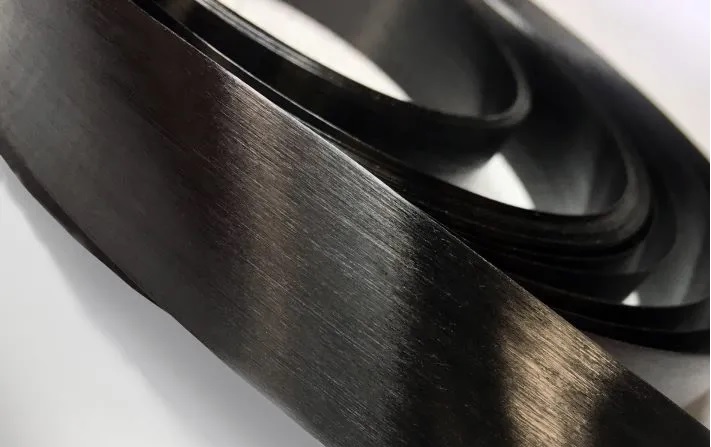
Unidirectional composites (UD) are a type of composite material that consist of fibers arranged in a single direction within a matrix material. These composites offer a wide range of options for tuning the material properties to meet specific performance requirements. They are commonly reinforced with different types of fibers, such as glass, carbon, or aramid, and can be made using …
Read the full brief →

Advanced FEA tools are essential for material investigations and are used to simulate the behavior of materials under various loading conditions. An advanced woven model is a type of finite element model that is capable of accurately representing the underlying weave pattern and yarn structure of composite materials. By taking into account the underlying weave pattern and yarn structure, advanced …
Read the full brief →