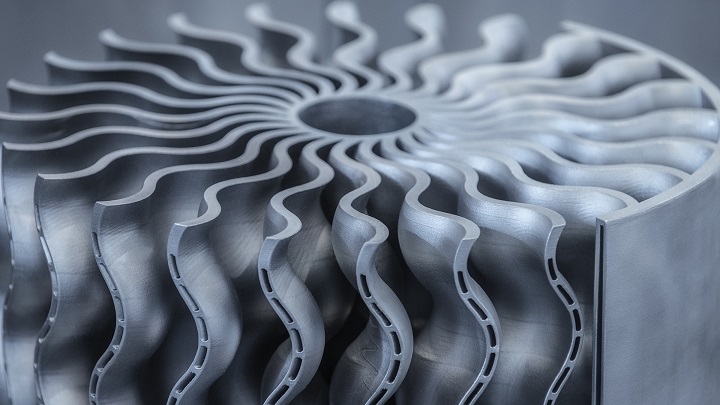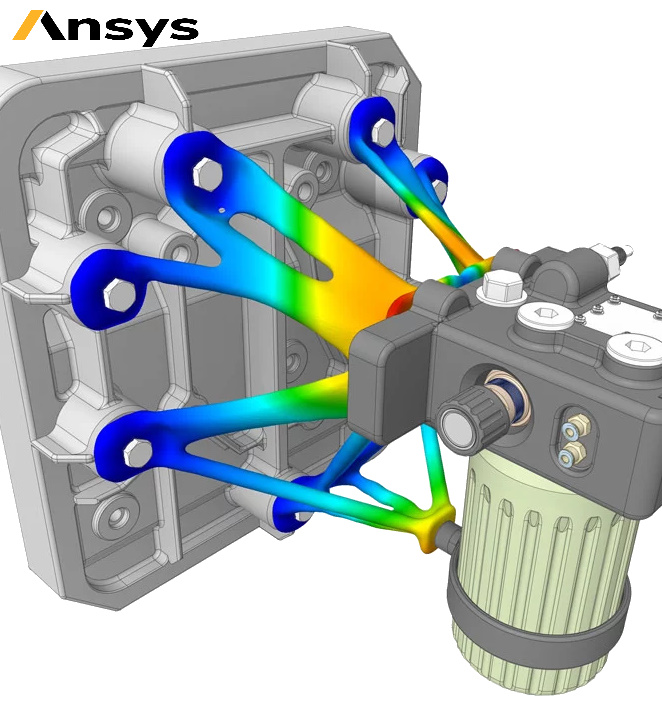
Generative Design is an innovative approach to product design that leverages topology optimization, artificial intelligence, and advanced simulation to create multiple viable design alternatives automatically, based on simple design criteria specified by the user. Generative Design allows engineers and designers to explore a much wider range of design options than traditional methods, leading to increased creativity and innovation in the …
Read the full brief →
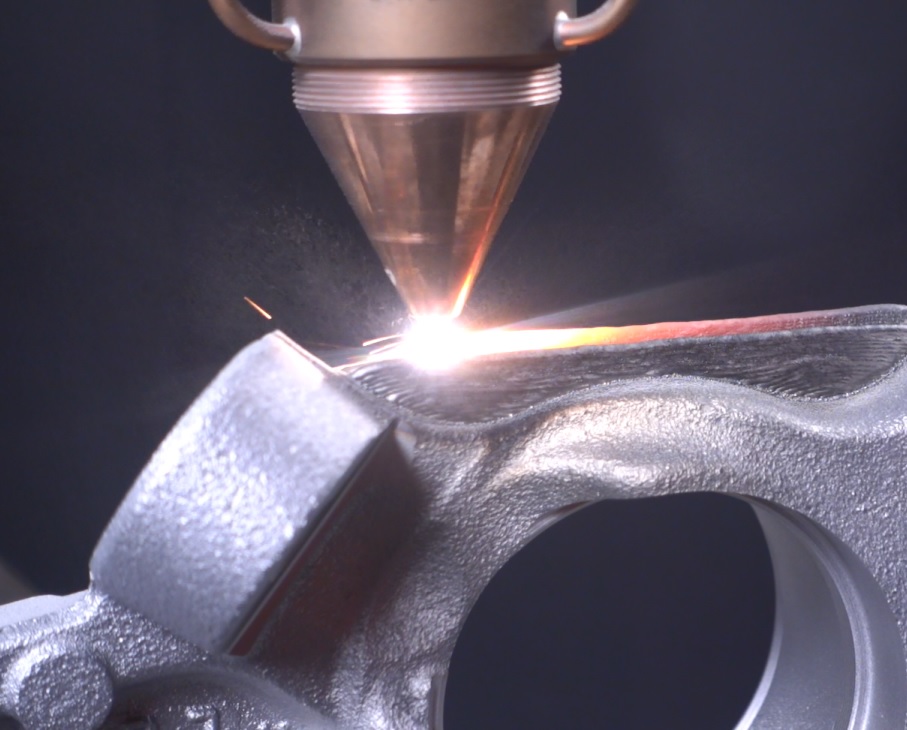
By using advanced FEA software and high-performance computing (HPC) hardware, it is possible to simulate the thermal and mechanical behavior of the additive manufacturing process of Directed Energy Deposition (DED), Direct Metal Deposition (DMD) & Laser Metal Deposition (LMD) in great detail. This can help to identify potential issues and optimize the manufacturing process to reduce distortions and improve the …
Read the full brief →
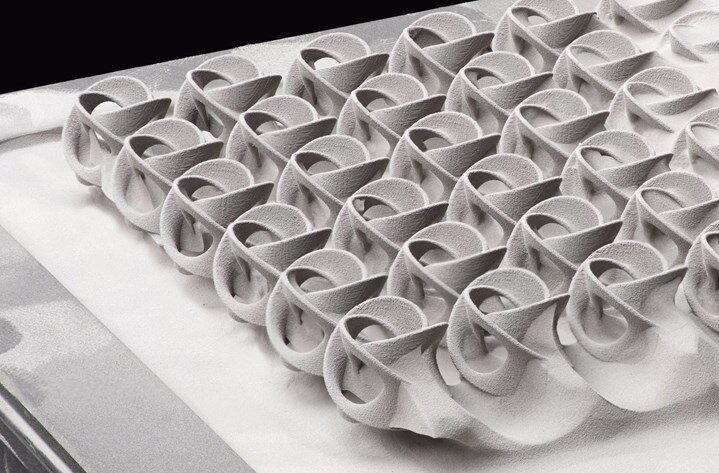
Metal Binder Jetting (MBJ) is an emerging additive manufacturing technology that offers several key advantages over traditional Powder Bed Fusion processes. One of the main advantages of MBJ is its ability to print high volumes of parts with minimal spacing. This means that multiple parts can be printed simultaneously, reducing the time and cost of production. Additionally, MBJ does not …
Read the full brief →
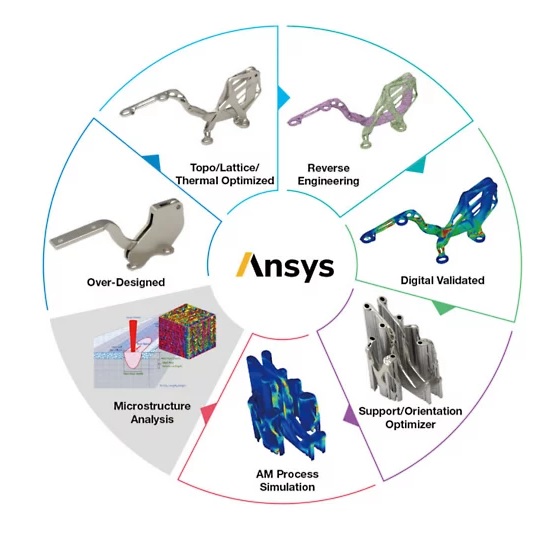
Advanced additive manufacturing simulation platforms such as MSC Digimat, Ansys, and Abaqus are powerful tools that can be used to simulate the manufacturing process of various additive manufacturing techniques, including Fused Filament Fabrication (FFF), Fused Deposition Modeling (FDM), and Selective Laser Sintering (SLS). One of the biggest challenges in additive manufacturing is achieving high part fidelity, which refers to the …
Read the full brief →
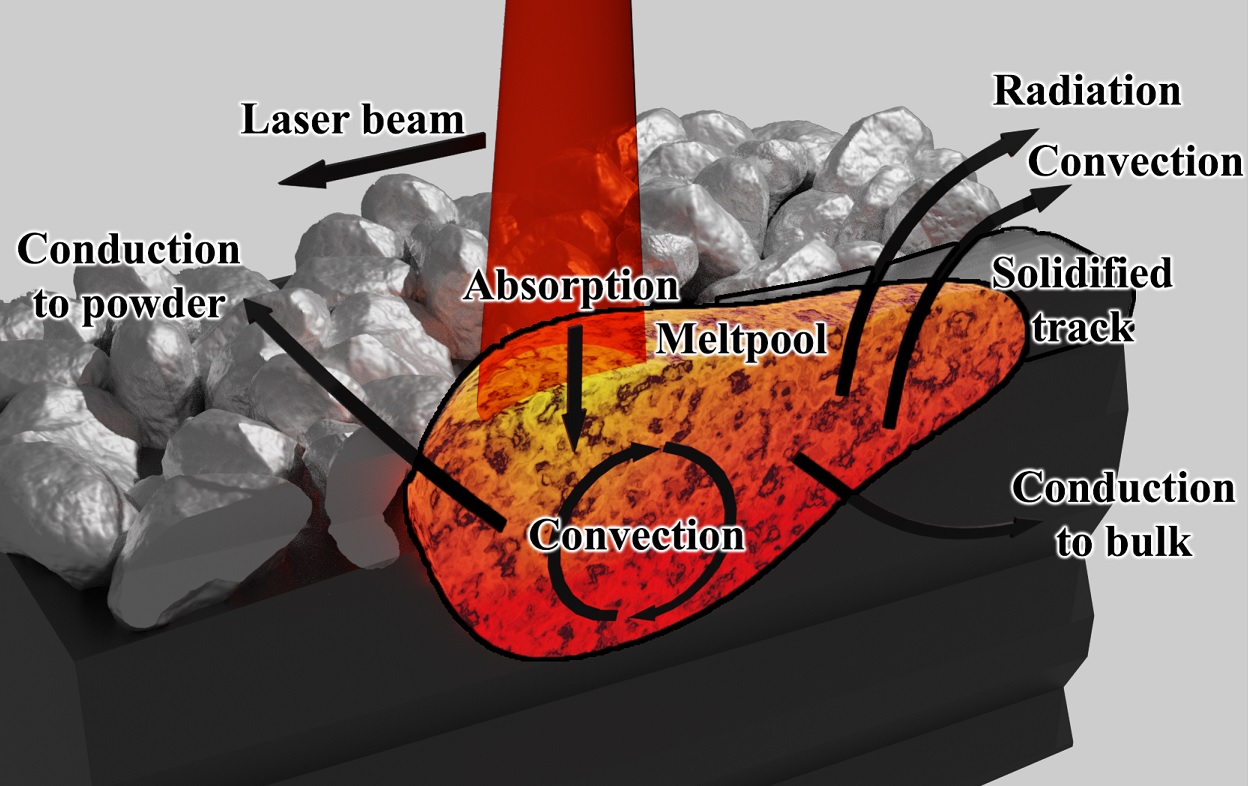
Powder Bed Fusion (PBF) is an additive manufacturing technique that uses a heat source, typically a laser or electron beam, to fuse powder particles layer-by-layer, forming a solid part. PBF enables the production of geometrically complex parts that would be difficult or impossible to produce with traditional manufacturing techniques. One of the main advantages of PBF is its flexibility in …
Read the full brief →