

Finite Element Crash Test Simulation
School Bus Crashworthiness
Finite Element Simulation of Crash Test and Crashworthiness with LS-Dyna, Abaqus and PAM-CRASH Including Airbag & Seat Belt Effectiveness, Electric Vehicles (EV), Trucks, Bus and eVTOL
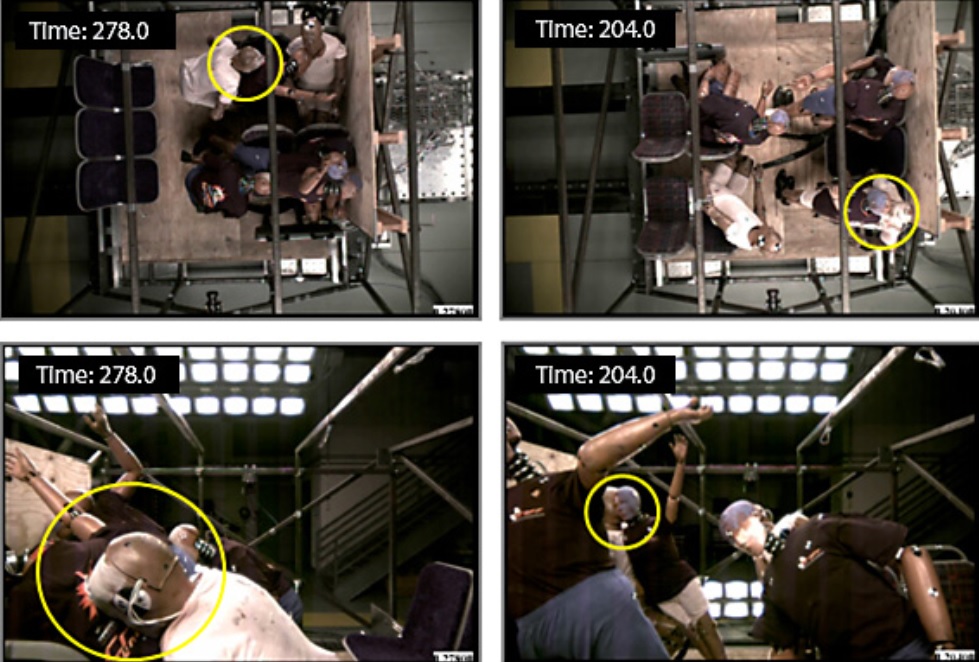
School buses are unique vehicles designed to carry children, and they require special safety features to ensure that passengers are protected in the event of a crash.
In the United States, the National Highway Traffic Safety Administration (NHTSA) is responsible for setting safety standards for school buses. NHTSA’s safety standards require school buses to meet specific requirements for structural strength, crashworthiness, and occupant protection. These standards also include requirements for emergency exits, lighting, and other safety features.
One of the most important safety features of school buses is their large, high-backed seats. These seats are designed to provide maximum protection to passengers by absorbing and distributing crash forces. In addition, school buses must be equipped with safety belts, which are mandatory in some states but optional in others.
School bus crash tests are conducted to evaluate the performance of the vehicle’s safety features in a controlled environment. These tests simulate different types of crashes, such as front, rear, and side impacts, and measure the amount of energy absorbed by the vehicle’s structure and safety features. Crash test results are used to improve safety features and design changes to enhance the safety of school buses.
In Europe, school bus safety standards are set by the United Nations Economic Commission for Europe (UNECE) and the European Committee for Standardization (CEN). European standards focus on requirements for vehicle design, including vehicle size and weight, visibility, emergency exits, and safety features such as seat belts and airbags.
The wider discipline
Crash Test Simulation
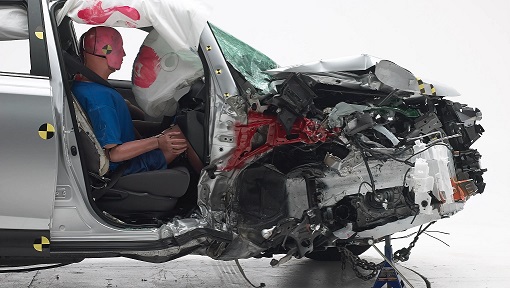
Here at OLTRION, we use finite element simulation (FEA) for crash test and crashworthiness because it allows us to predict the behavior of the car structure and occupants during a crash without the need for physical testing. FEA enables our engineers to create a computer model of the vehicle and simulate the crash scenario using various materials and structural designs.
By using advanced Finite element solvers such as Ansys LS-Dyna, ESI Pam-Crash and Simulia Abaqus, we can assess the structural integrity and crashworthiness of the vehicle's components, such as the …
By using advanced Finite element solvers such as Ansys LS-Dyna, ESI Pam-Crash and Simulia Abaqus, we can assess the structural integrity and crashworthiness of the vehicle's components, such as the …
More in Crash Test Simulation
View the section →
Capabilities that sit beside this one
 Small Overlap - Oblique Crash Test FEA Simulation
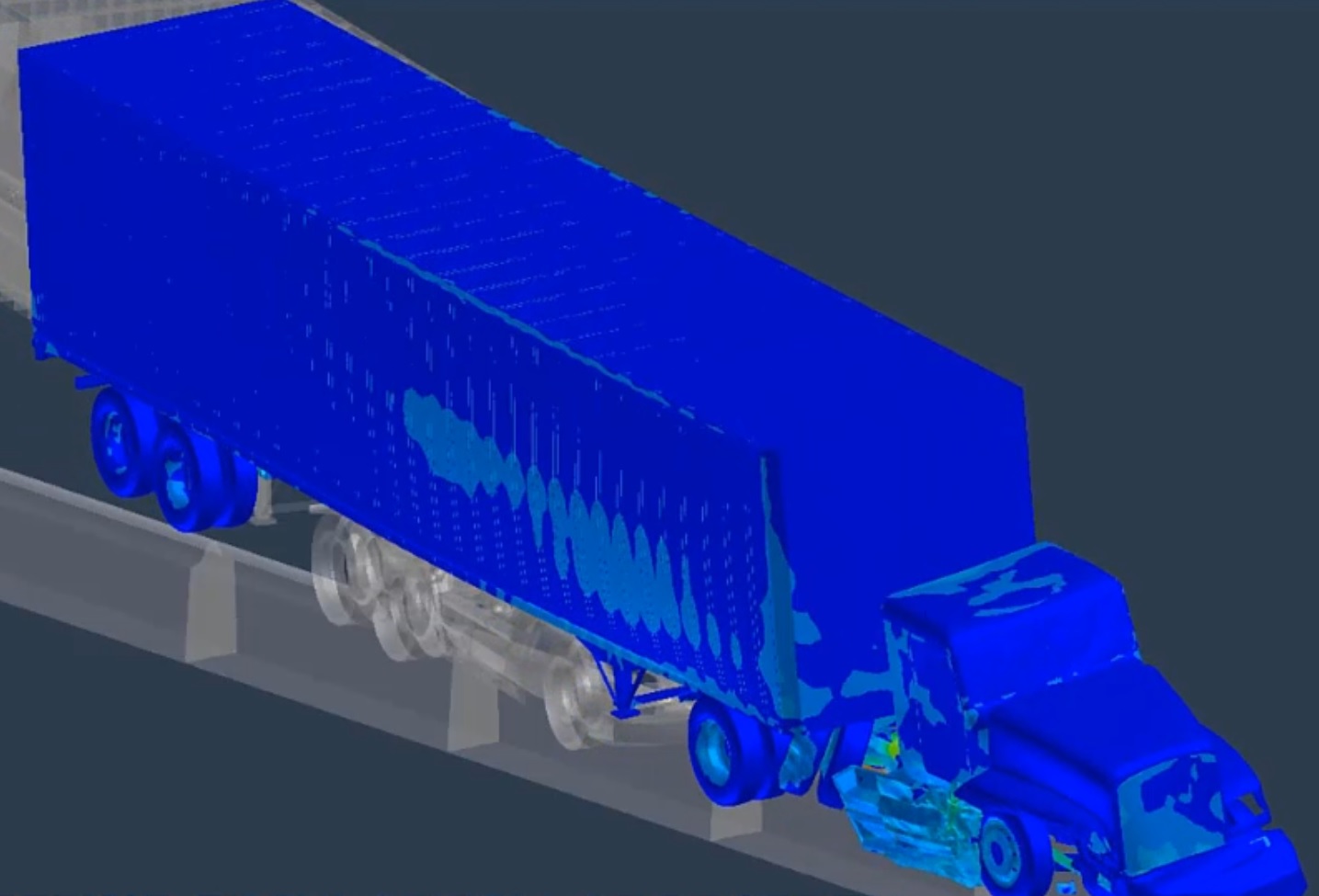
The small overlap or oblique crash test is a type of crash test that is designed to simulate a vehicle hitting a …
Open capability
 Occupant Restraint Systems
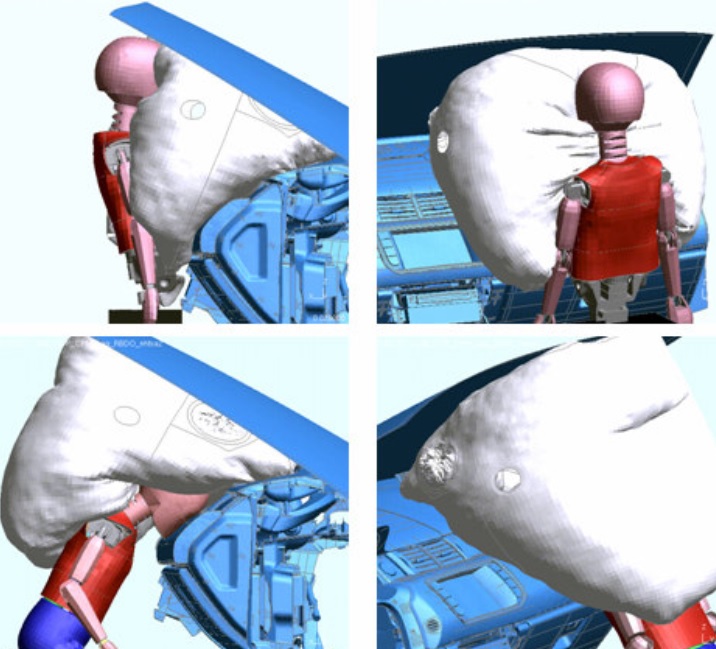
 (ORS) are an essential component of automobile safety. They are designed to keep the occupants of a vehicle safe …
Open capability
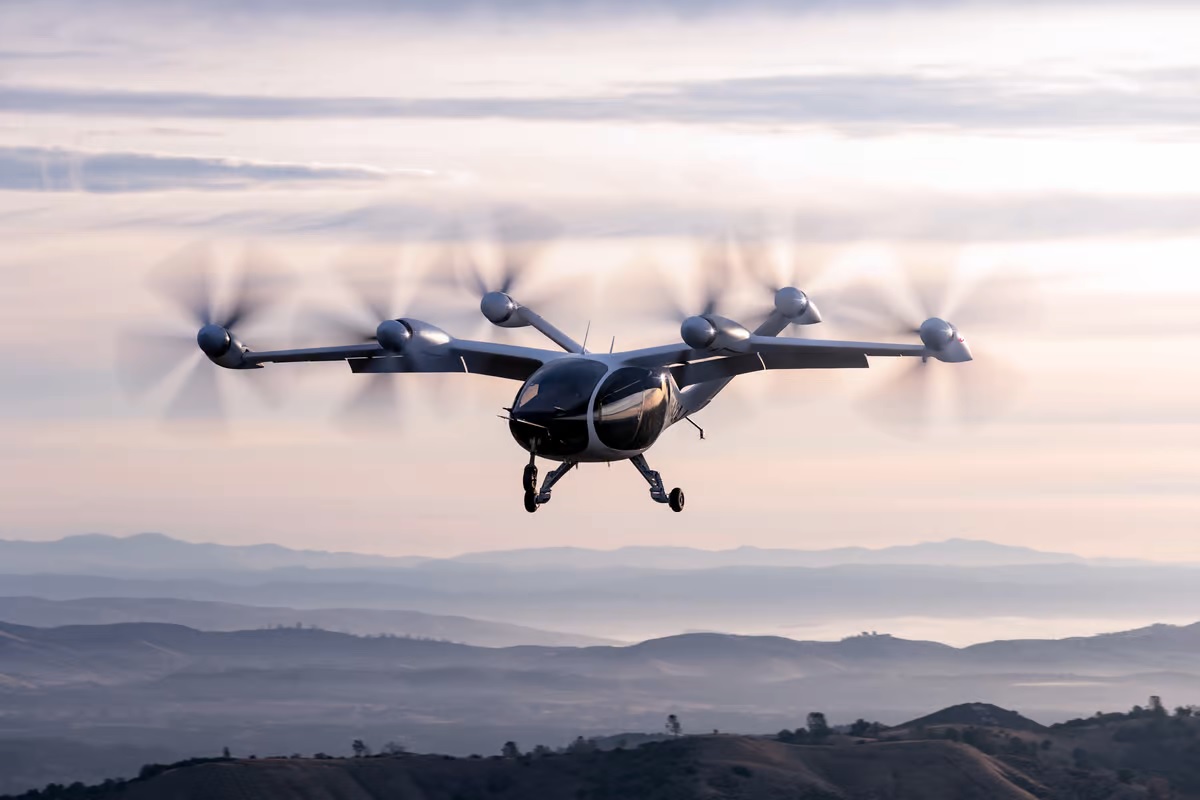 Crashworthiness design of eVTOLs
The crashworthiness design of eVTOLs aircraft is critical to ensure the safety of passengers and crew in the event of a crash …
Open capability
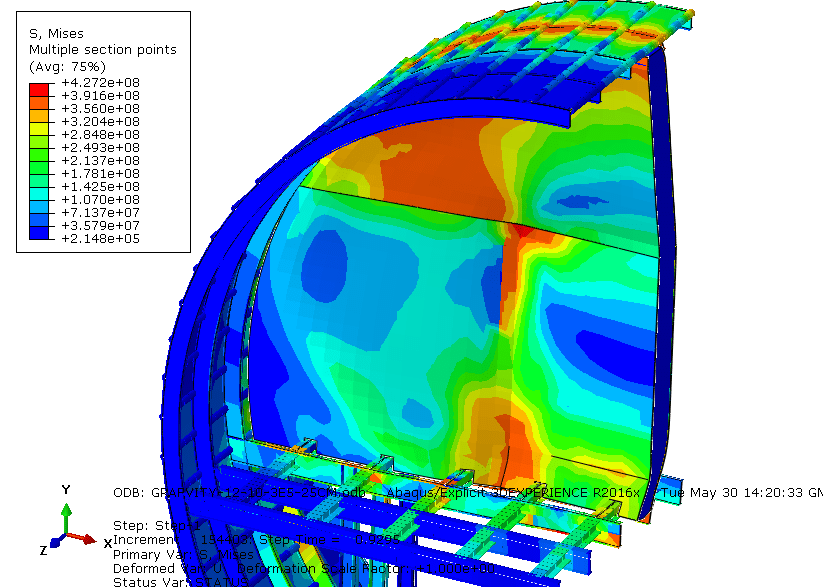 eVTOL Landing Gear and Airframe Crashworthiness
eVTOLs, or electric vertical takeoff and landing aircraft, are a new category of aircraft that are being developed for urban air mobility. …
Open capability
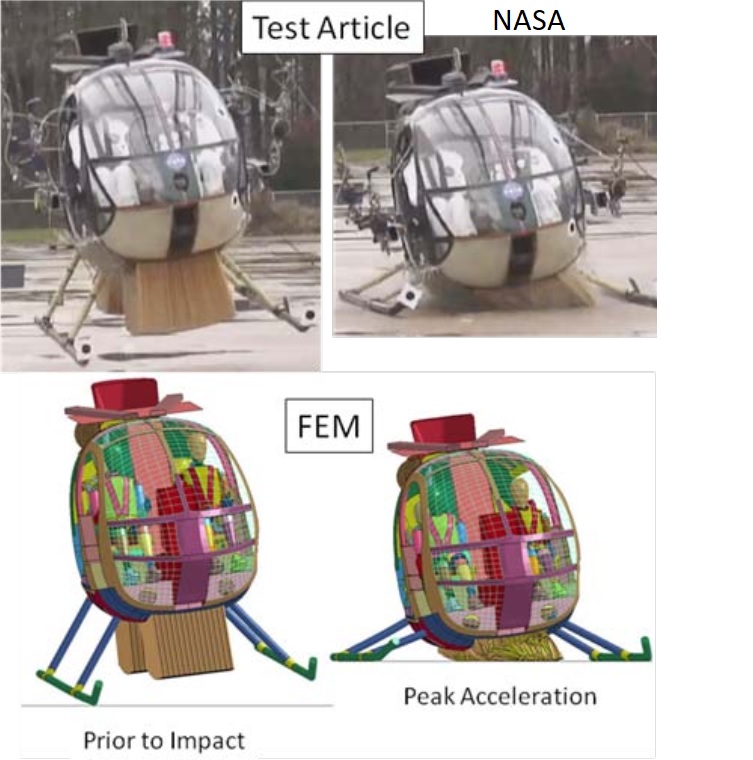 The main scenarios of crash tests
Key crash test scenarios: ▶ Frontal Impact: In this type of crash test, a car is propelled into a barrier at a …
Open capability
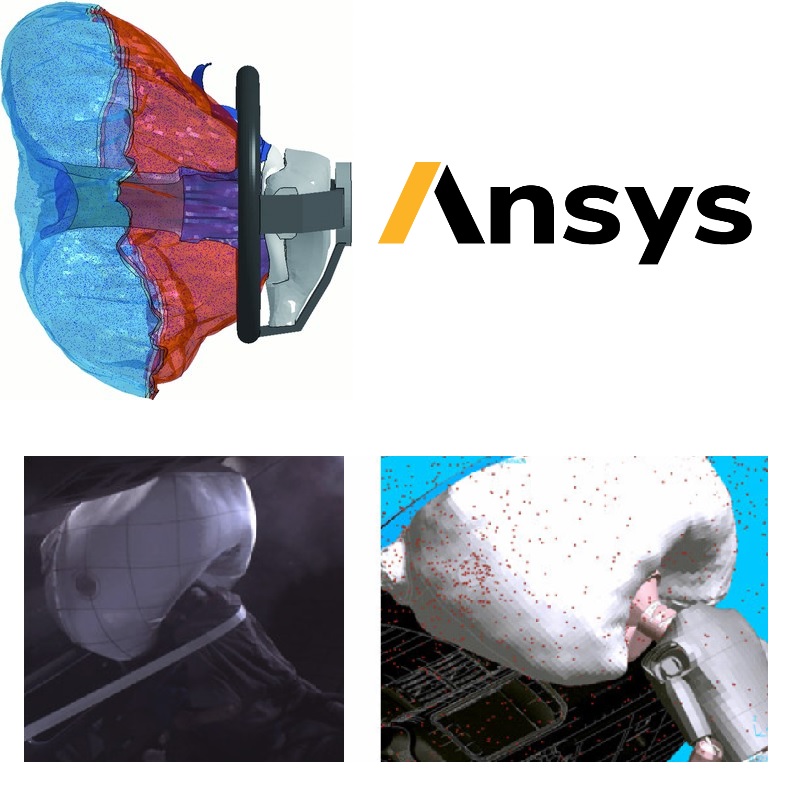 Airbag Effectiveness in Crash Test and crashworthiness
Airbags are an important safety feature in automobiles that can help reduce the risk of injury or death in a crash. They …
Open capability
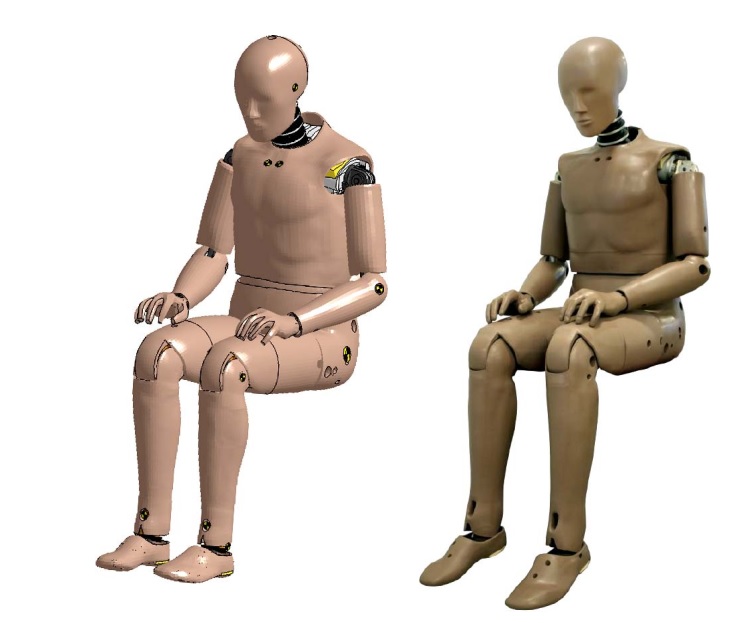 Dummies for crash Test Simulation
Dummies, also known as anthropomorphic test devices (ATDs), are essential tools for conducting crash test Finite Element simulations to evaluate the safety …
Open capability
Across Finite Element
Other Simulation Area
Acoustics and Vibration
NVH for Hybrid & Electric Vehicles
Our engineers provide solutions to optimize electric motor noise behavior while leaving electromagnetic performance unchanged. This involves analyzing …
Additive Manufacturing
Plastics & Reinforced Polymers
Advanced additive manufacturing simulation platforms such as MSC Digimat, Ansys, and Abaqus are powerful tools that can be …
Blast, Explosion & Fire
What is the best numerical method for blast, explosion and fire simulation?
The choice of the best numerical model for blast, explosion and fire simulation depends on various factors such …
Composite Materials
Discontinuous Fiber Composites
Discontinuous fiber composites (DFC) are a type of composite material that are made by compressing pre-impregnated fiber chips, …
Durability & Fatigue Life
Fatigue Analysis of Welded Structures
It is crucial to evaluate the fatigue behavior of welded joints as they are often critical components in …
Metal Forming Simulation
Roll Forming & Ring Rolling
Rolling processes are used in all areas of forming technology, both in hot forging and cold forming, and …
Multibody Dynamics
Robots Dynamics & Performance Assessment
Robots have become an increasingly important part of modern manufacturing and industrial processes. To design and optimize robot …
Thermal Analysis
Passenger Thermal Comfort
The thermal and acoustic comfort of passengers is a critical design criterion for the air-conditioning and customization of …
Welding Simulation
Pressure Welding
Pressure welding is a group of joining processes that use heat and pressure to join components together. These …
VTOL, eVTOL & UAM
Aeroacoustics Wind Tunnel Testing
The airframe noise generated by landing gear, flaps, slats, and other high-lift devices is a major contributor to …
Working on school bus crashworthiness?
Tell us the geometry, the physics and the decision it has to support.
Talk to an engineer