

Finite Element Crash Test Simulation
Dummies for crash Test Simulation
Finite Element Simulation of Crash Test and Crashworthiness with LS-Dyna, Abaqus and PAM-CRASH Including Airbag & Seat Belt Effectiveness, Electric Vehicles (EV), Trucks, Bus and eVTOL
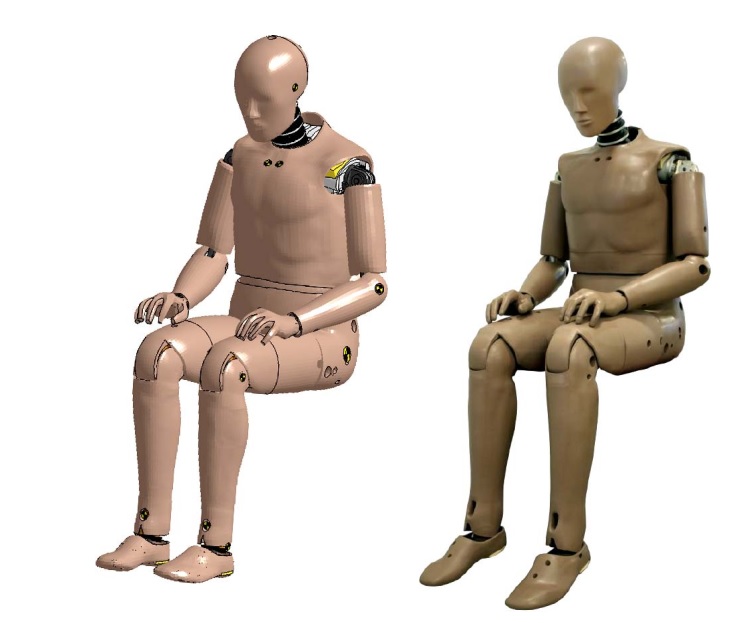
Dummies, also known as anthropomorphic test devices (ATDs), are essential tools for conducting crash test Finite Element simulations to evaluate the safety of vehicles and other transportation systems. These dummies are designed to simulate the human body's response to a crash and collect data on the forces, accelerations, and other variables experienced by the body during impact.
Crash test dummies are made up of different components, including a head, neck, chest, abdomen, pelvis, and limbs, which are connected by joints that mimic the human body's range of motion. They are typically made of various materials, such as plastic, steel, and rubber, that can deform and absorb energy during a crash.
Types of dummies used in crash test simulations:
- Hybrid III: This is the most commonly used dummy for evaluating the safety of passenger vehicles. It has sensors in the head, chest, pelvis, and other body parts that measure the forces and accelerations experienced during a crash.
- THOR: This is a newer generation of dummy that is designed to be more biofidelic or more representative of the human body's response to a crash. It has additional sensors and improved joint mechanisms that provide more accurate data.
- WorldSID: This dummy is designed to evaluate the safety of side impacts and is used to assess the effectiveness of side airbags and other safety features.
In addition to these dummies, there are also specialized dummies used for evaluating the safety of child passengers and pedestrians.
Crash Test Simulation
By using advanced Finite element solvers such as Ansys LS-Dyna, ESI Pam-Crash and Simulia Abaqus, we can assess the structural integrity and crashworthiness of the vehicle's components, such as the …
Capabilities that sit beside this one
 School Bus Crashworthiness
School buses are unique vehicles designed to carry children, and they require special safety features to ensure that passengers are protected in …
Open capability
 Small Overlap - Oblique Crash Test FEA Simulation
The small overlap or oblique crash test is a type of crash test that is designed to simulate a vehicle hitting a …
Open capability
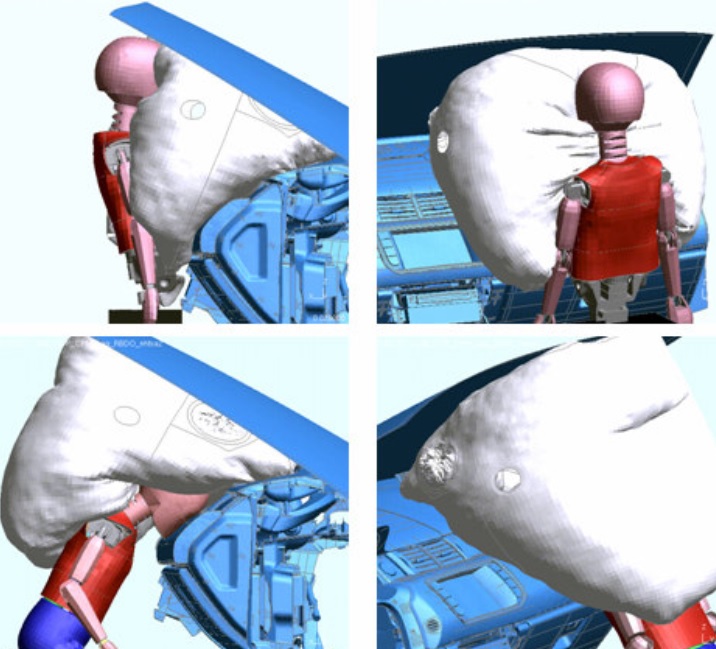 Occupant Restraint Systems
 (ORS) are an essential component of automobile safety. They are designed to keep the occupants of a vehicle safe …
Open capability
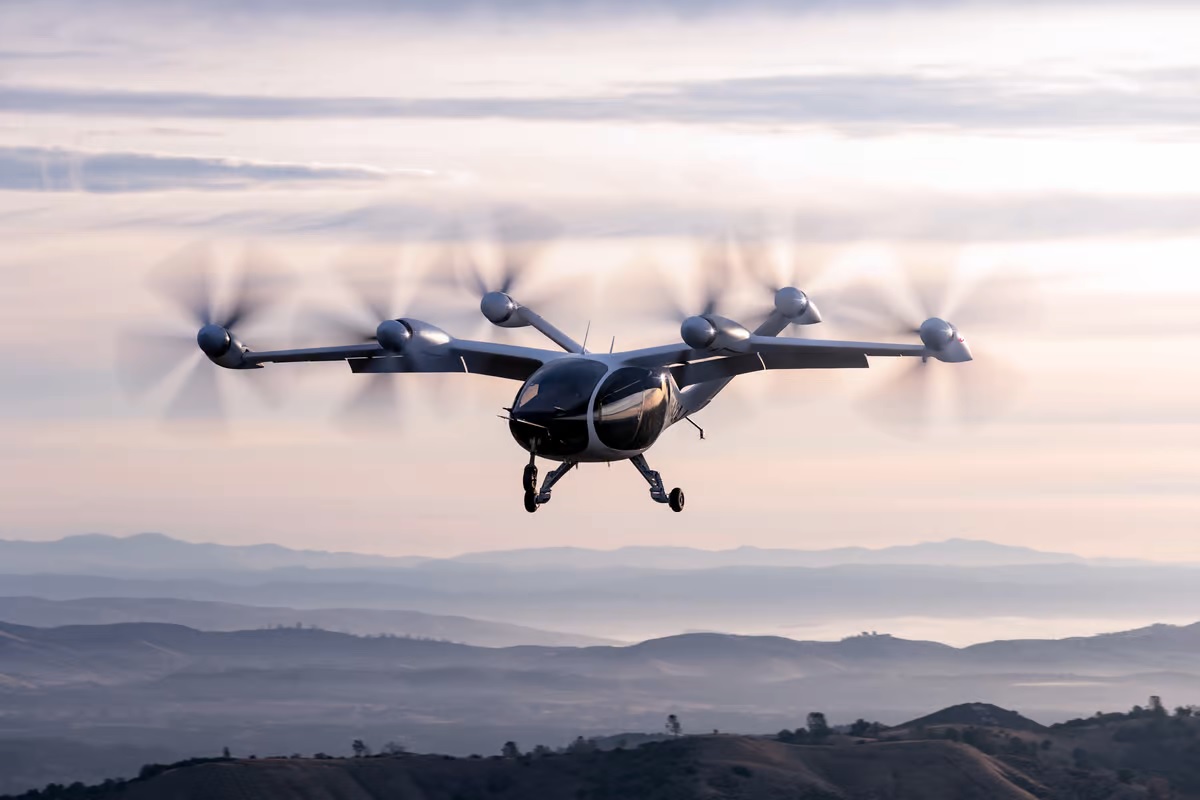 Crashworthiness design of eVTOLs
The crashworthiness design of eVTOLs aircraft is critical to ensure the safety of passengers and crew in the event of a crash …
Open capability
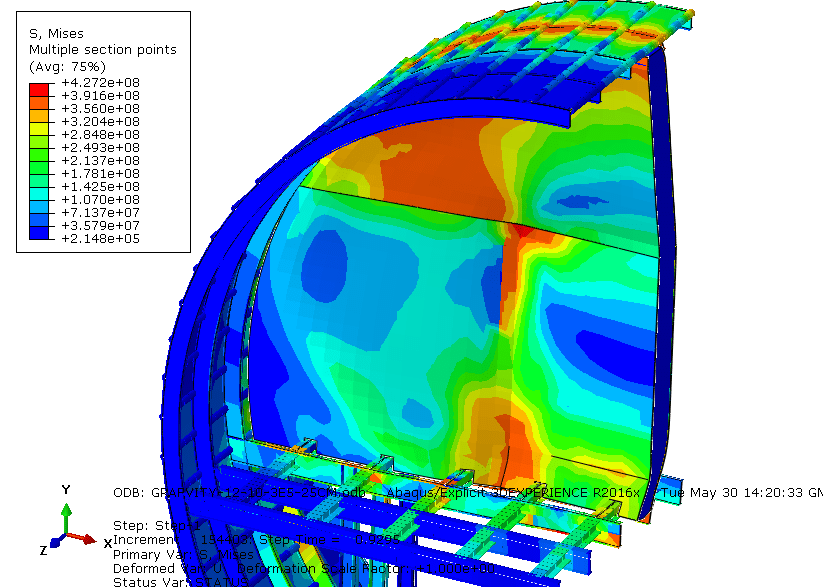 eVTOL Landing Gear and Airframe Crashworthiness
eVTOLs, or electric vertical takeoff and landing aircraft, are a new category of aircraft that are being developed for urban air mobility. …
Open capability
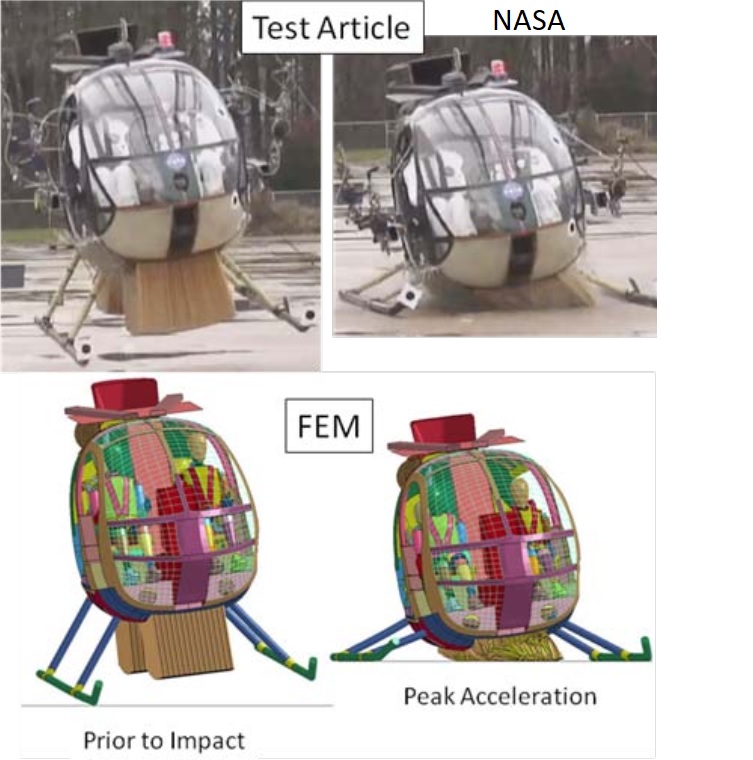 The main scenarios of crash tests
Key crash test scenarios: ▶ Frontal Impact: In this type of crash test, a car is propelled into a barrier at a …
Open capability
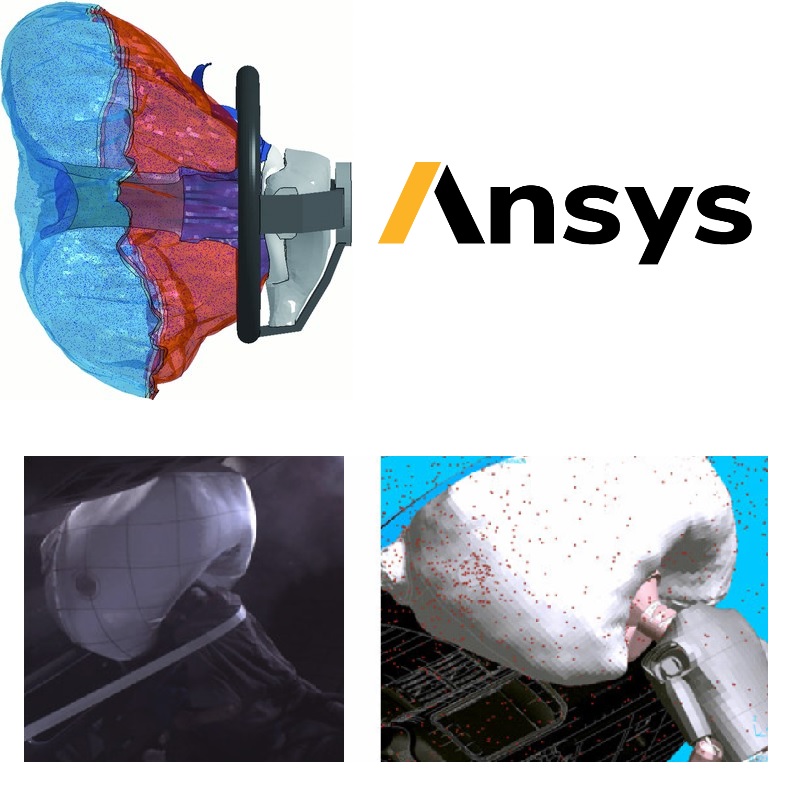 Airbag Effectiveness in Crash Test and crashworthiness
Airbags are an important safety feature in automobiles that can help reduce the risk of injury or death in a crash. They …
Open capability
Other Simulation Area
Working on dummies for crash test simulation?
Tell us the geometry, the physics and the decision it has to support.
Talk to an engineer