

CFD Hydrodynamics CFD simulation
Hydroplaning (Aquaplaning) Simulation
Hydrodynamics CFD Simulation: Transient Resistance, Propulsion, Cavitation, Acoustics & Vibration, and Fatigue
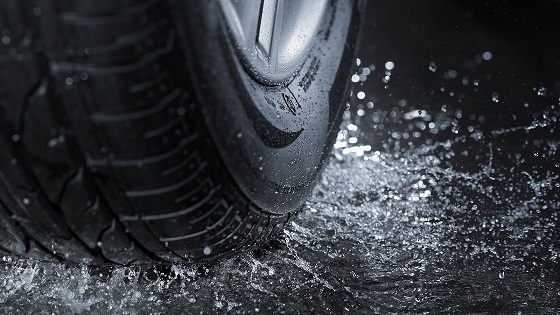
Hydroplaning, also known as aquaplaning, can be a serious safety hazard for drivers, as it can cause a loss of control of the vehicle. To prevent hydroplaning, it is important to understand the factors that contribute to its occurrence.
CFD simulations can be used to model the interaction between the tire and the water on the road surface. This enables engineers to analyze the effects of various factors, such as vehicle velocity, water depth, vehicle load, tire pressure, and tread pattern depth and design on the occurrence of hydroplaning.
By analyzing these factors, engineers can optimize the design of tire tread patterns to improve their ability to remove water from the road surface and prevent hydroplaning. They can also identify potential solutions to reduce the risk of hydroplaning, such as improving road drainage or reducing vehicle speeds in wet conditions.
Hydroplaning simulations can also be used to analyze the effects of different driving conditions, such as cornering or braking, on the occurrence of hydroplaning. This enables our engineers to identify potential safety risks and develop strategies to mitigate these risks. By utilizing Hydroplaning simulations, our engineers can improve the safety of vehicles in wet driving conditions, reducing the risk of accidents and improving overall driving safety.
The wider discipline
Hydrodynamics CFD simulation
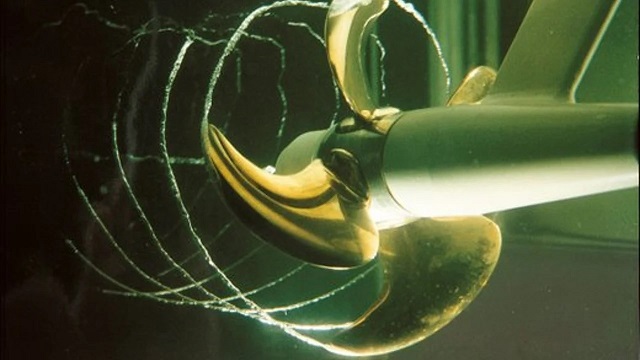
Hydrodynamics is a common application of CFD and a main core of OLTRION expertise. CFD allows the steady-state and transient hydrodynamics of hydrofoils, submersible vehicles, propellers, impellers, marine structures and marine plant to be computed with extremely high levels of accuracy. OLTRION's Engineering team provides analyses ranging from: ship keeping, slamming and sloshing, wave and wind loading on offshore and underwater structures, oil and pollutant dispersions to cavitation.
More in Hydrodynamics CFD simulation
View the section →
Capabilities that sit beside this one
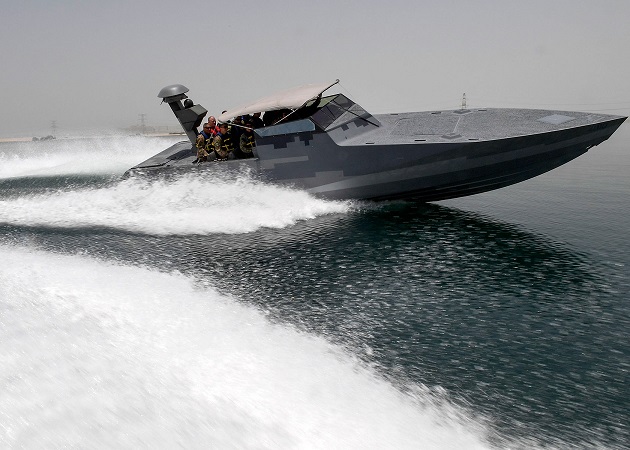 Resistance, Propulsion, Sea-Keeping & Maneuvering Simulation
Key marine simulation capabilities: ▶ Resistance simulations: Resistance simulations enable the prediction of the resistance of the ship or structure in various …
Open capability
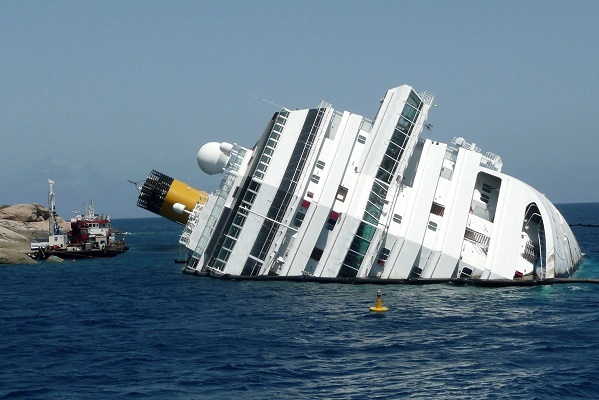 Ship Stability & Safety Analysis with FEA & CFD
Ship stability and safety are critical considerations in the design and operation of ships. Numerical investigations, including Finite Element Analysis (FEA) and …
Open capability
 Structures Design Including Hydrodynamics
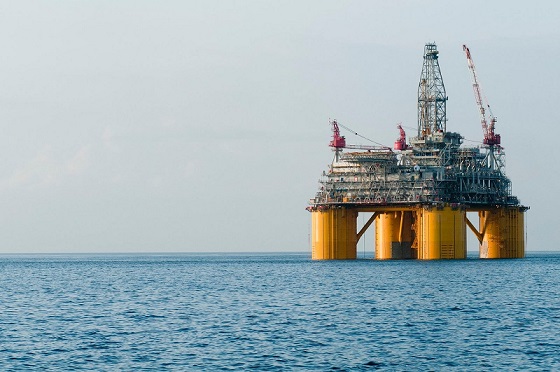
Structures design, including hydrodynamics, is a crucial aspect of marine and offshore engineering. We utilize FEA and CFD software to provide engineers …
Open capability
 Hydrodynamics & HydroAcoustics simulation for AIV (Acoustic Induced Vibration)
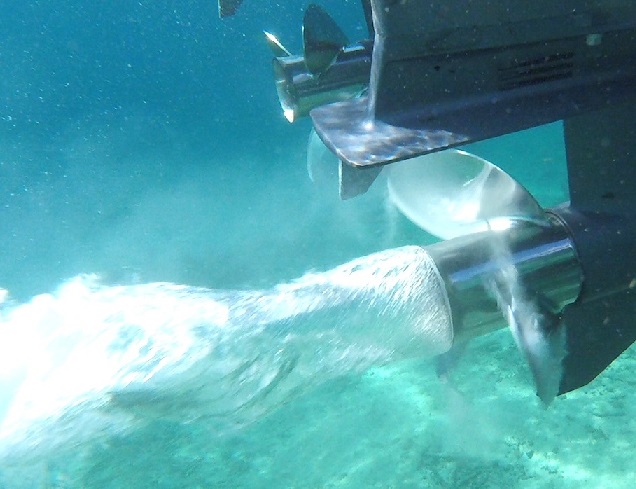
Hydrodynamics and HydroAcoustics simulations can be used to analyze and predict the occurrence of AIV (Acoustic Induced Vibration) in process plants. AIV …
Open capability
Across CFD
Other Simulation Area
Aerodynamics Simulation
Drone Aerodynamics
Aerodynamic simulation is a crucial tool in the design and optimization of drones. By simulating the flow around …
Multi-Phase Flows CFD Analysis
Multiphase flow types and related numerical methods
There are several types of multiphase flows, each with its own characteristics and modeling requirements. Common types of …
MultiObjective Design of Turbomachinery
Turbine, Pump & Compressor
Designing turbomachinery components such as axial turbines, axial pumps, centrifugal compressors, centrifugal pumps, and mixed flow compressor/turbine requires …
Reacting Flows & Combustion
Engine Exhaust Aftertreatment
Engine exhaust aftertreatment systems are designed to reduce emissions of harmful pollutants such as NOx, CO, and particulate …
Fluid Structure Interaction (FSI)
One-Way FSI: Coupling CFD and FEA for Fatigue Simulation
Solving thermal problems with CHT limits the engineer to the physical models that are contained within the CFD …
Working on hydroplaning (aquaplaning) simulation?
Tell us the geometry, the physics and the decision it has to support.
Talk to an engineer