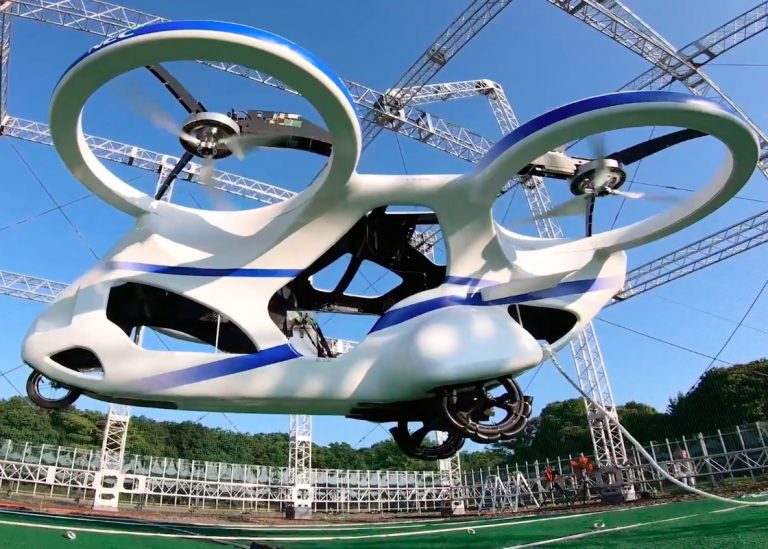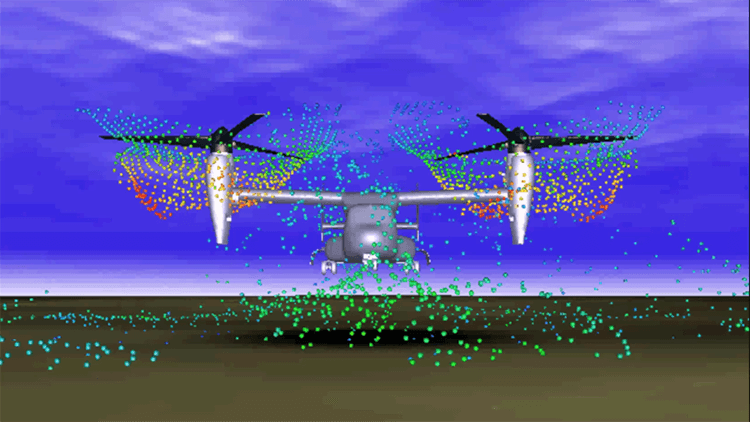
The airframe noise generated by landing gear, flaps, slats, and other high-lift devices is a major contributor to aircraft acoustic emissions during approach and landing : To minimize noise pollution around airports, engineers must evaluate and optimize acoustic performance as early as possible. Wind-tunnel tests validate prediction models before flight but incur high cost and lengthy preparation. OLTRION uses advanced …
Read the full brief →
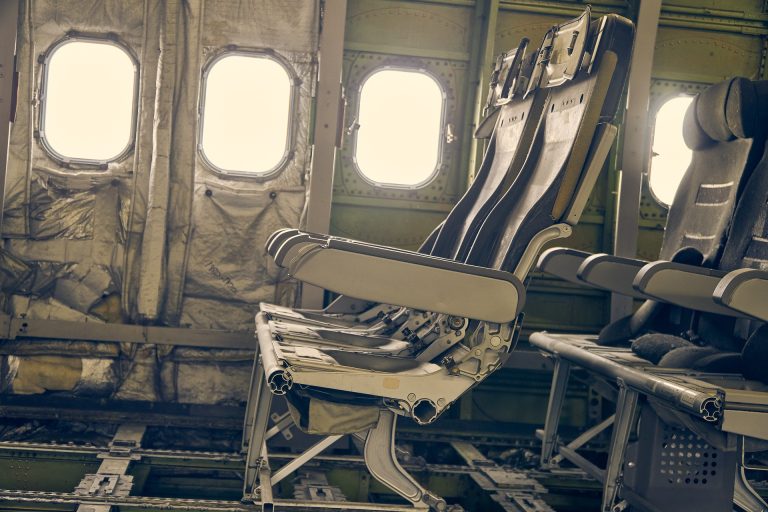
Crash Survival Design Guide (DTIC) This five-volume guide presents criteria and data for crash-resistant Army aircraft, including design principles for landing gear and fuselage under various impact modes, rollover dynamics, and occupant protection. ▶ Volume I – Design Criteria & Checklists ▶ Volume II – Crash Impact Conditions & Human Tolerance ▶ Volume III – Aircraft Structural Crash Resistance ▶ …
Read the full brief →
EASA VTOL Means of Compliance The European Union Aviation Safety Agency publishes Means of Compliance (MOC) documents and related response reports for Special Condition VTOL certification. Below are the official EASA links: ▶ Third Publication of MOC-3 SC-VTOL Issue 1 ▶ Second Publication of MOC-2 SC-VTOL Issue 3 ▶ Comment Response – MOC-2 SC-VTOL Issue 1 ▶ Second Publication of …
Read the full brief →
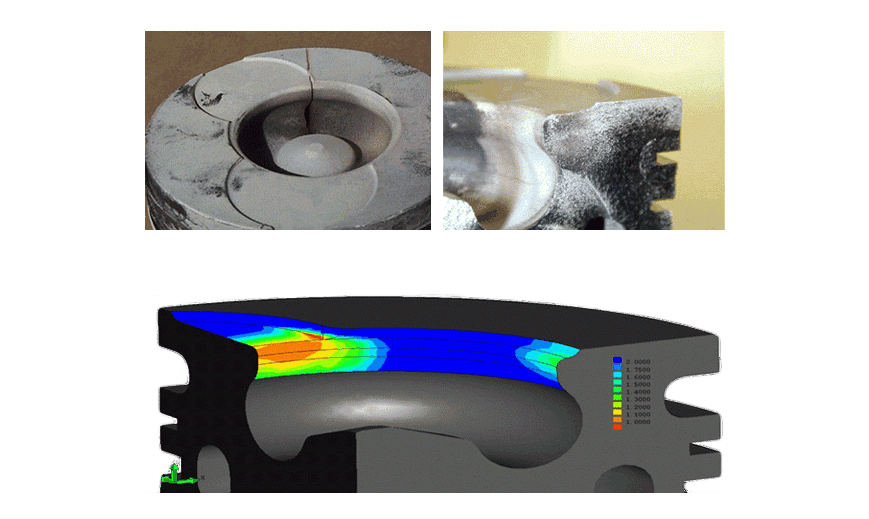
Structural vibration can induce fatigue, durability issues, and undesirable user reactions. Uncontrolled vibrations may impair functionality and pose safety risks. Vibration-fatigue simulations in the frequency domain predict material life more efficiently than time-domain methods under random loads such as wind and waves. ▶ Simulate shaker tests: random PSD, swept-sine, sine-dwell, sine-on-random ▶ FE models solved for frequency response & modal …
Read the full brief →
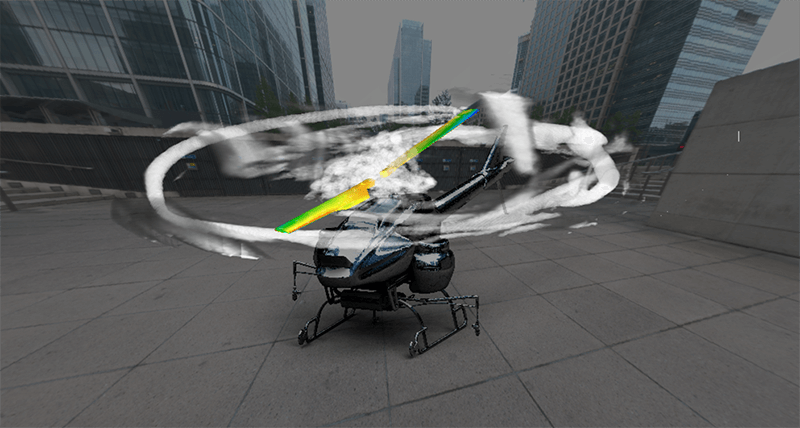
Airworthiness & GVT Certification Ground Vibration Testing (GVT) is a critical FAA & EASA milestone, yielding experimental vibration data to validate and refine structural dynamic models for flutter prediction and safety-critical flight tests. Performed late in development under tight schedules, GVT must be swift yet thorough. Modern lightweight structures and VTOL architectures introduce dynamic uncertainties, demanding precise modal testing to …
Read the full brief →
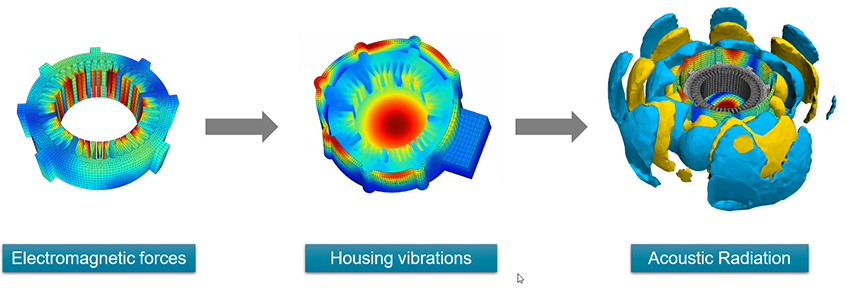
FEA-based simulation in electromagnetic multiphysics environments delivers critical insights for Noise, Vibration & Harshness (NVH) analysis of electrical machines and transformers. NVH is vital for hybrid/electric-vehicle motors, appliances, transformers and any application demanding quiet operation. Two-way transient magnetostriction coupling integrates magnetostrictive forces into mechanical models to predict acoustic noise. Results from transient electromagnetic solvers generate force distributions that are mesh-element-accurate. …
Read the full brief →
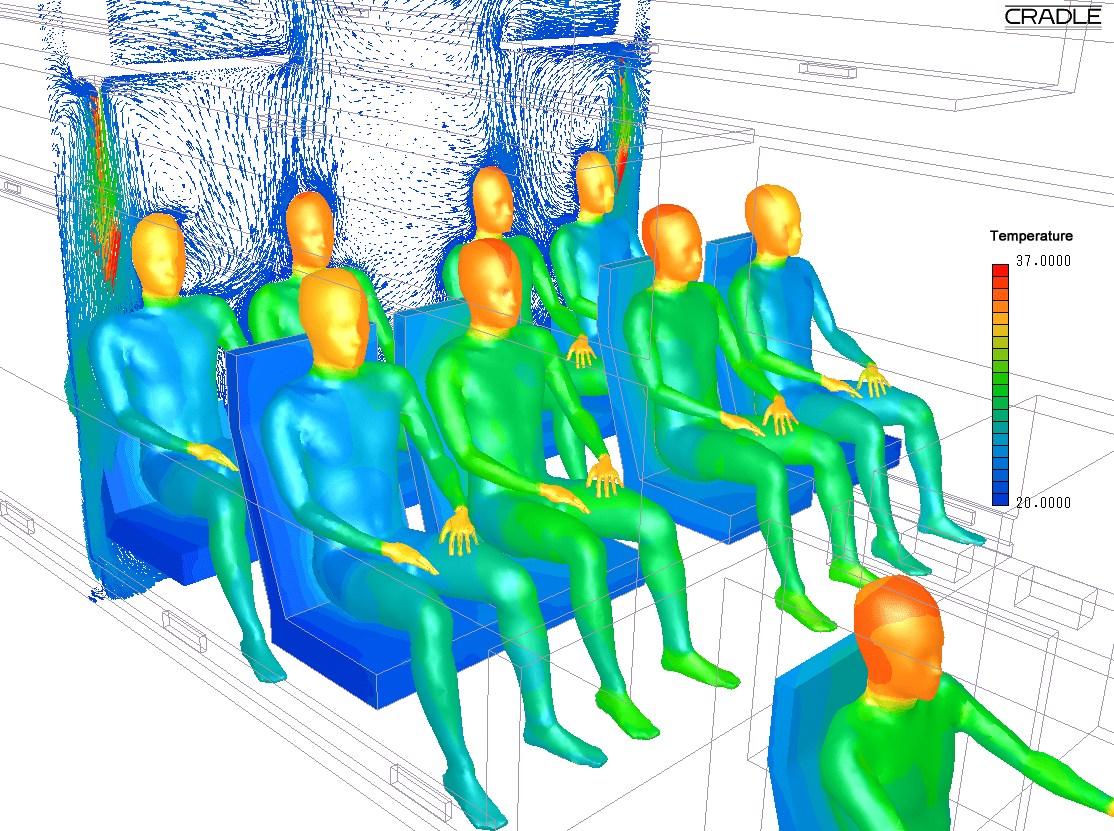
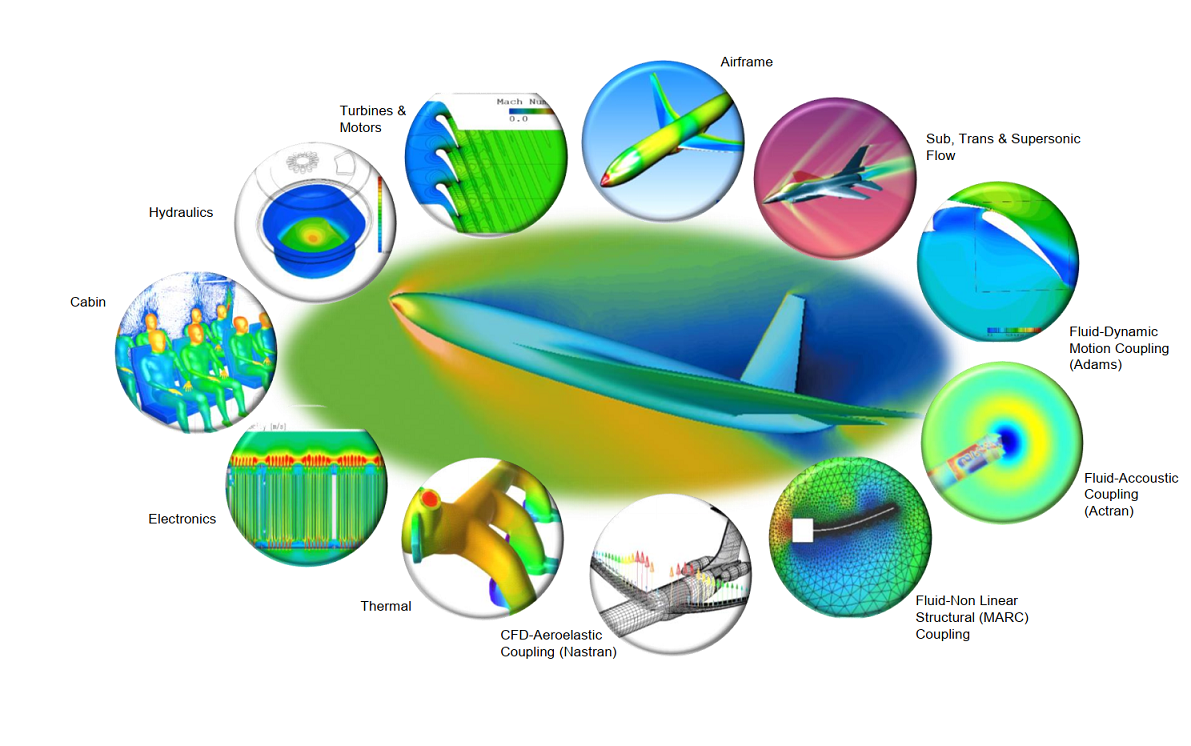
Passenger thermal comfort is a critical design criterion for VTOL/eVTOL cabins. Traditional mock-up tests are costly and time-intensive, yet provide only limited insight early in development. At OLTRION, we harness CFD tools—MSC Cradle, OpenFOAM, STAR-CCM+, and ANSYS Fluent—to predict cabin comfort and support interactive layout optimization. ▶ Model 3D cabin geometry and occupant zones ▶ Simulate airflow and thermal fields …
Read the full brief →
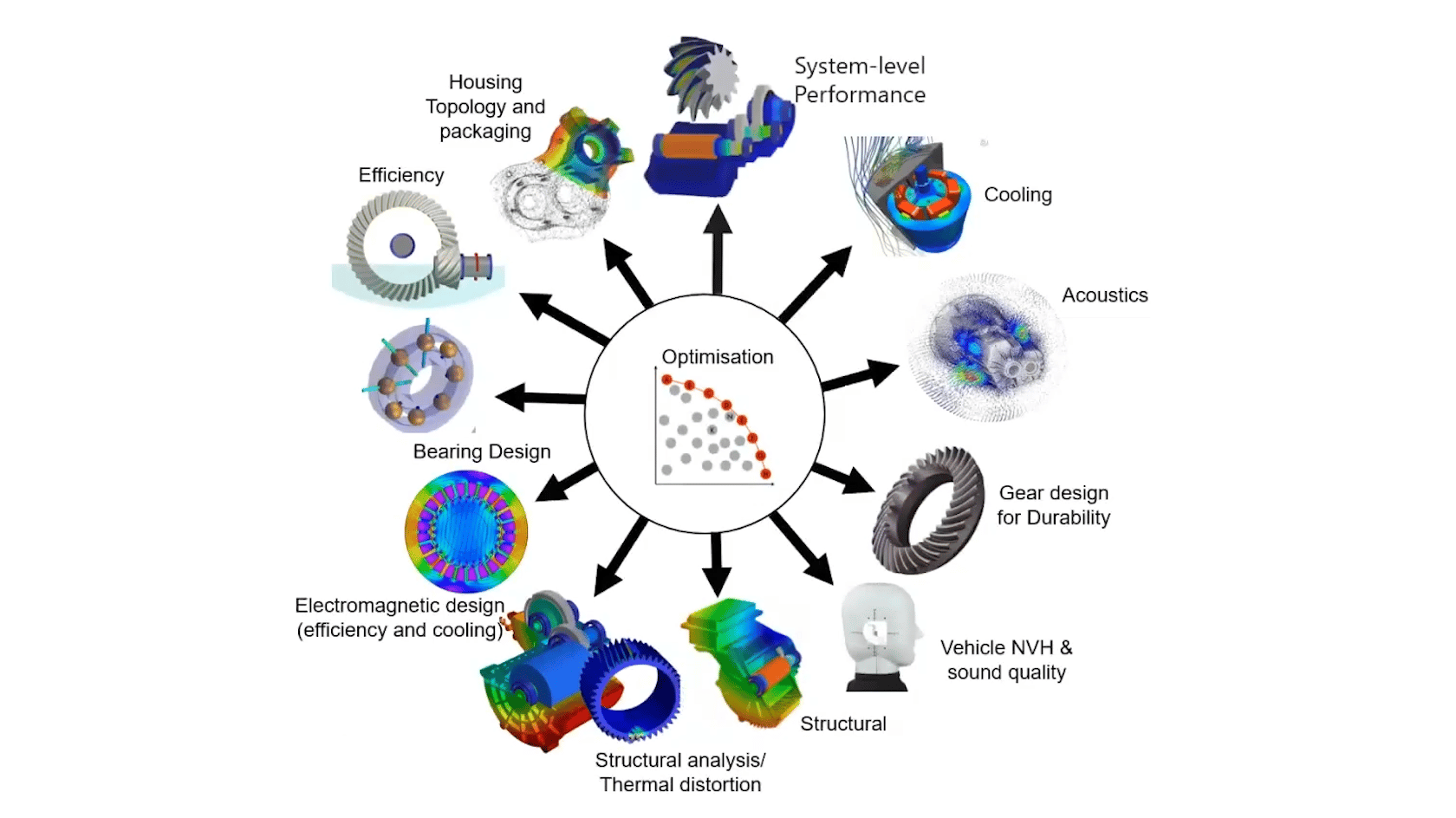
A true VTOL system design has complex challenges, particularly designing for a high thrust for hover while also reducing drag for cruise. In simple terms, you are designing a helicopter and forward-flying aircraft in the same product. Vibroacoustic (VA) characteristics, namely sound transmission loss, overall sound pressure levels of aircraft panels made up of different materials such as aluminum, composites …
Read the full brief →
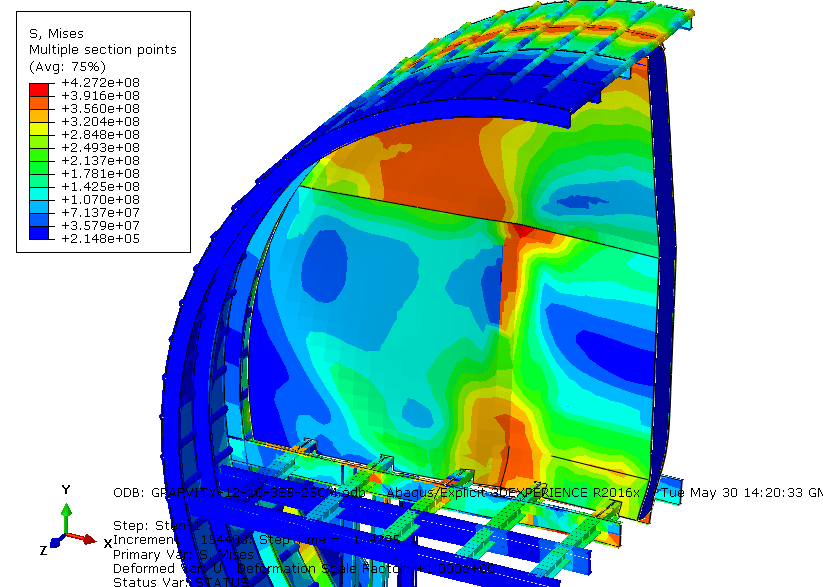
Occupant safety is integral to the design, development, and operation of urban air mobility (UAM) systems. Emergency landing requirements in CFR & Certification Standards may not yet meet the stringent safety levels eVTOLs demand. Successful UAM rollout requires emergency-landing concepts that match real-world expectations. An integrated safety process helps you: ▶ Maintain survivable volume ▶ Minimize deceleration loads ▶ Preserve …
Read the full brief →