

Finite Element Welding Simulation
Laser and Electron Beam Welding FEA Simulation
FEA (Finite Element) Welding Simulation: RSW (Resistance Spot Welding), FSW (Friction Stir Welding), Pressure Welding, Arc, Electron and Laser Beam Welding
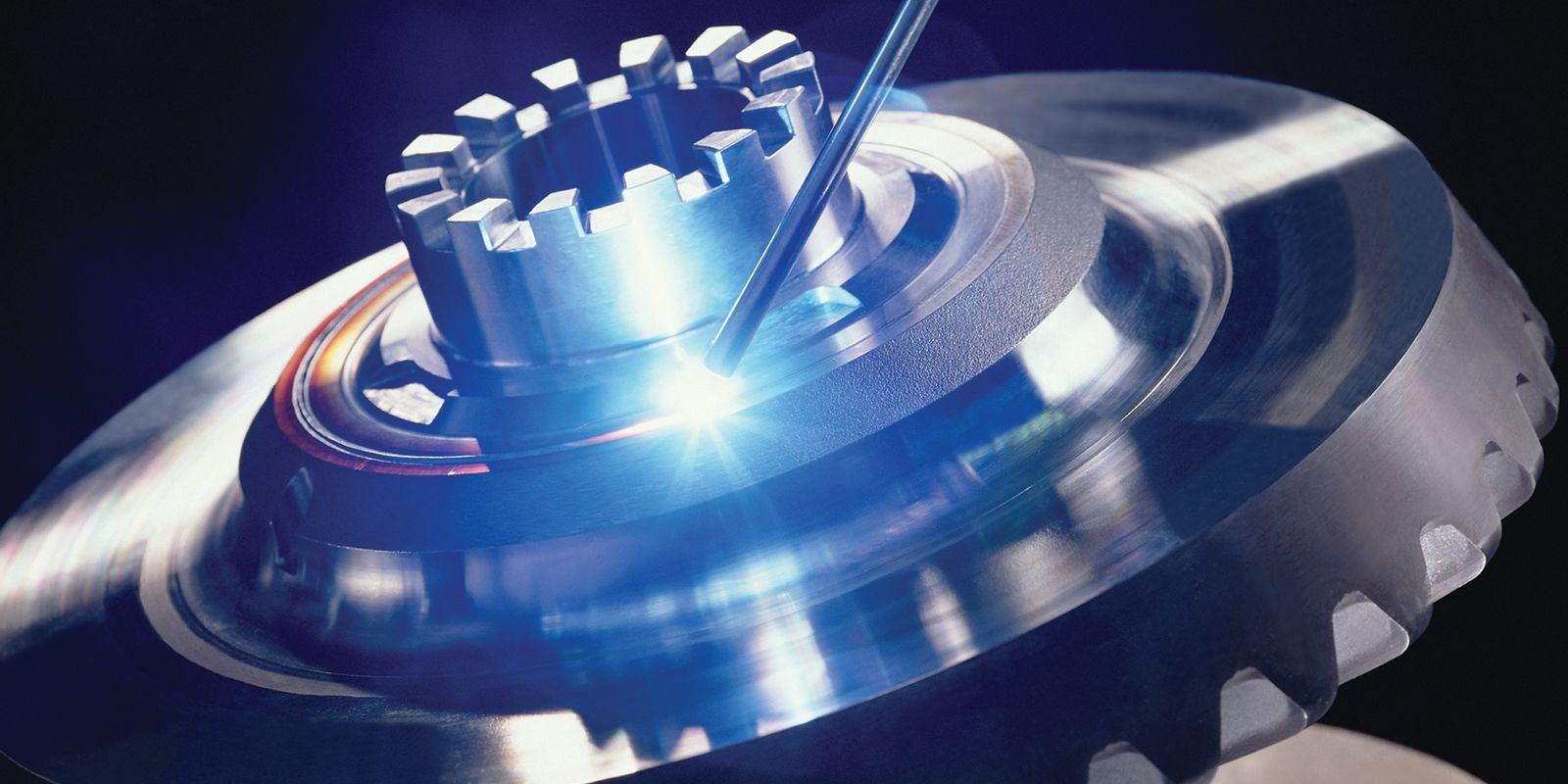
Laser beam welding is a process that uses a high-energy laser beam to heat and weld metal components together. The laser beam is directed at the joint between the components, melting the metal and creating a strong, precise bond. One of the advantages of laser beam welding is its relatively narrow heat-affected zone, which helps minimize distortion and damage to the surrounding material. This makes it a popular choice for welding thin materials, such as those used in the aerospace and medical industries.
Electron beam welding is a similar process that uses a high-energy beam of electrons to melt and weld metal components together. The electron beam is focused onto the joint between the components, creating a high-intensity heat source that melts the metal and creates a strong, precise bond. Like laser beam welding, electron beam welding can produce precise welds with a narrow heat-affected zone. It is often used in high-tech applications such as the aerospace and semiconductor industries.
Both laser beam welding and electron beam welding offer several advantages over other welding processes. They are both highly precise, and their narrow heat-affected zones help prevent distortion and damage to surrounding materials. However, both processes require specialized equipment and expertise, which can make them more expensive and difficult to use than other welding methods.
The wider discipline
Welding Simulation
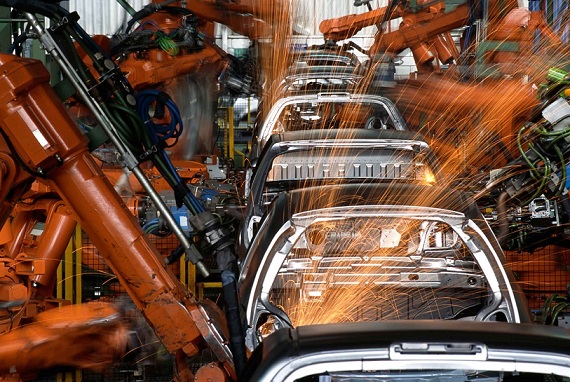
OLTRION engineers simulate the Welding with innovative CAE and virtual prototyping available in the non-linear structural codes such as LS-DYNA, Ansys and ABAQUS. The Finite element analysis of welding include Arc Welding, laser Beam Welding, RSW, FSW and transfer the results of welding simulation for next simulation like NVH, Crash test, Tension, Compression and shear test and fatigue simulation.
More in Welding Simulation
View the section →
Capabilities that sit beside this one
 Pressure Welding
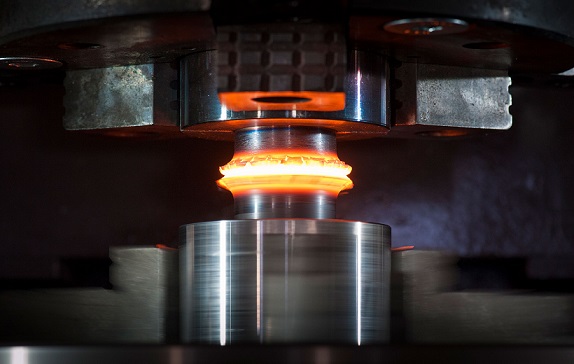
Pressure welding is a group of joining processes that use heat and pressure to join components together. These processes can be categorized …
Open capability
 Resistance Spot Welding
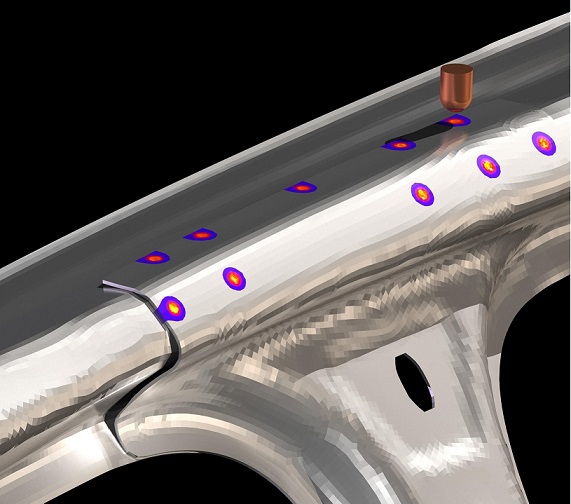
 (RSW) is a pressure welding process used to join two metal sheets together. In RSW, copper electrode welding guns …
Open capability
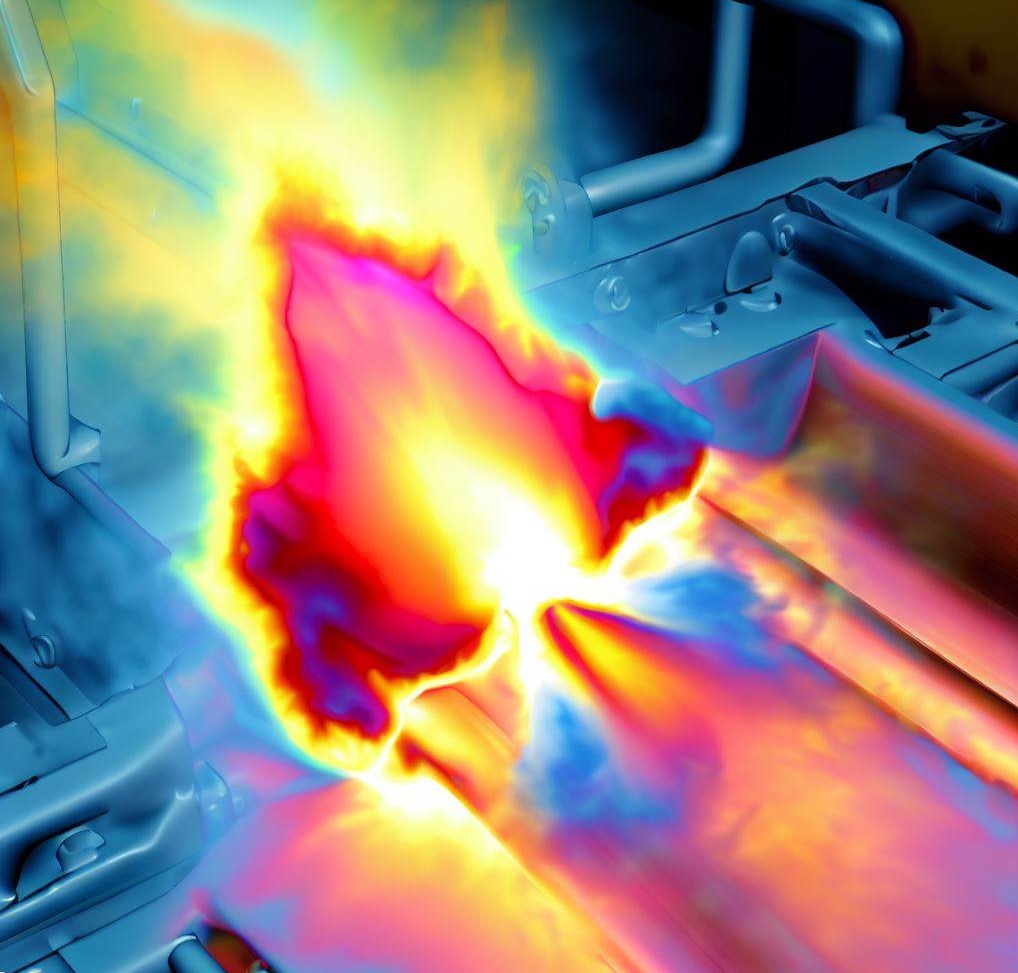 Welding Stress Relief Heat Treatment
Stress relieving is a heat treatment process that is commonly used after welding to reduce residual stresses in the assembly. The process …
Open capability
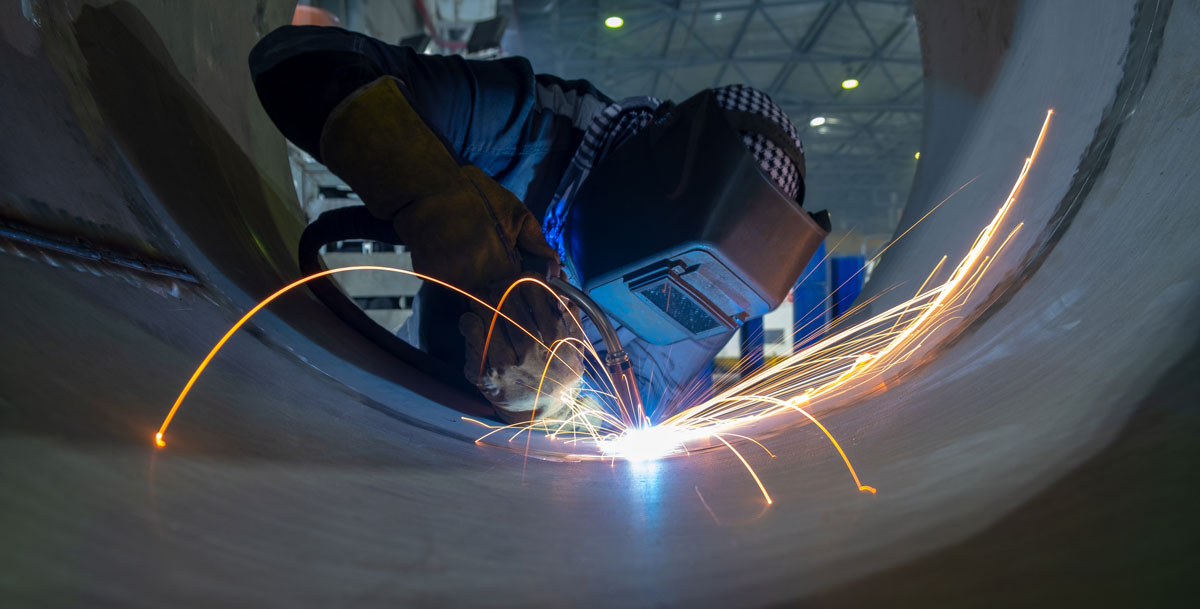 Arc Welding
Arc welding processes, such as SMAW, GMAW (MIG), GTAW (TIG), SAW, and others, are widely used in various industries due to their …
Open capability
 Finite Element Simulation of Brazing
Brazing is a thermal joining process that uses a melted filler material to connect metal components. The filler material typically has a …
Open capability
Across Finite Element
Other Simulation Area
Acoustics and Vibration
Acoustics in Automotive Industry
The noise generated by turbulent flows can come from various sources, including air conditioning systems, rotating fans, and …
Additive Manufacturing
Metal Binder Jetting
Metal Binder Jetting (MBJ) is an emerging additive manufacturing technology that offers several key advantages over traditional Powder …
Blast, Explosion & Fire
Applications of blast and explosion simulation in the Defense and Military industry
Applications of blast and explosion simulation: ▶ Armor optimization: Blast and explosion simulation using FEA can be used …
Composite Materials
Braided Composites
Braided composites are a type of composite material that is made by braiding continuous fibers around a mandrel …
Crash Test Simulation
Dummies for crash Test Simulation
Dummies, also known as anthropomorphic test devices (ATDs), are essential tools for conducting crash test Finite Element simulations …
Durability & Fatigue Life
Elastomer Materials Fatigue
Developers of rubber materials, components and systems increasingly rely on simulation as a routine means to address design …
Metal Forming Simulation
Open Die Forging
Open die forging is a forging process used for large and critical products that cannot be formed using …
Multibody Dynamics
Multibody Dynamics & NVH
By combining MBD simulation and NVH finite element simulation analysis, engineers can create comprehensive models that simulate the …
Thermal Analysis
Heat Transfer Simulations for Turbomachinery Systems
Most machines, especially those that operate under high-heat conditions such as turbines, boilers, and combustors, require strict control …
VTOL, eVTOL & UAM
Ground Vibration Testing (GVT)
Airworthiness & GVT Certification Ground Vibration Testing (GVT) is a critical FAA & EASA milestone, yielding experimental vibration …
Working on laser and electron beam welding fea simulation?
Tell us the geometry, the physics and the decision it has to support.
Talk to an engineer