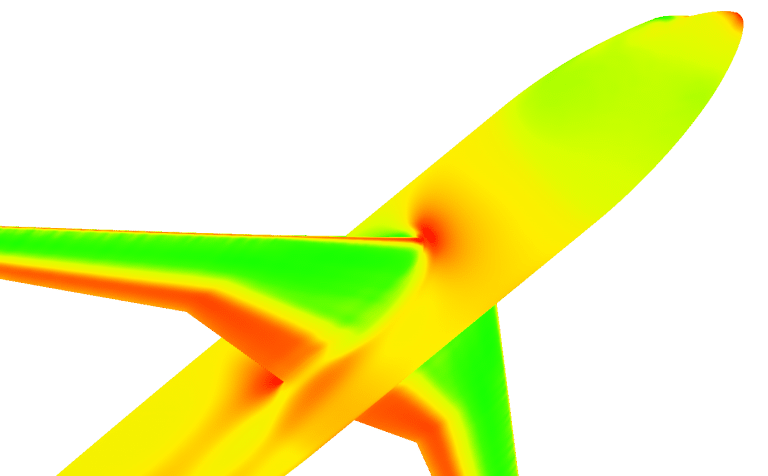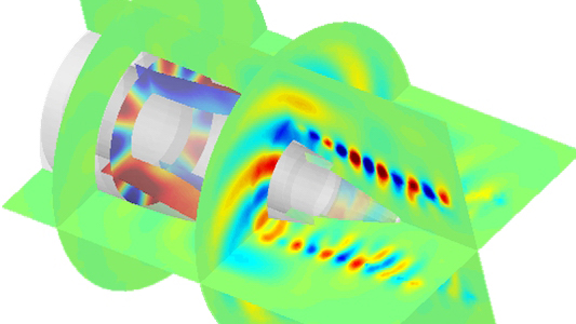
FEA and CFD simulations can be used in Aeroacoustics and Vibroacoustics to analyze the noise and vibration characteristics of aircraft and aerospace systems. These simulations can help engineers to optimize the design of aircraft components and systems for noise and vibration reduction, and to comply with the regulations and standards set by the industry and the government. In Aeroacoustics, FEA …
Read the full brief →
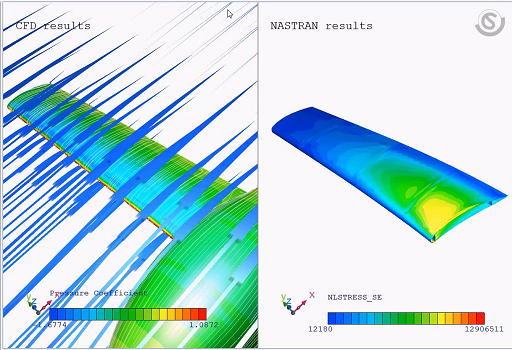
CFD simulations are an essential tool in the design and analysis of drones in the Aerospace and Defense industry. CFD simulations can be used to optimize the aerodynamic performance of drones and reduce drag, leading to improved efficiency and longer flight times. In drone aerodynamic simulations, CFD models are used to analyze the airflow around the drone and its components, …
Read the full brief →
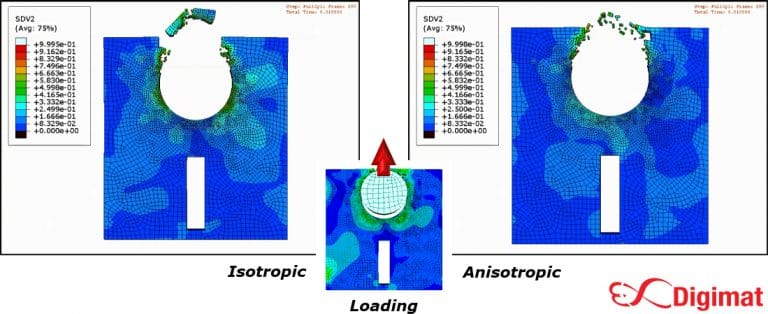
Composite materials are widely used in the Aerospace and Defense industry for their high strength-to-weight ratio, durability, and resistance to fatigue and corrosion. However, the design and analysis of composite structures can be challenging due to their anisotropic and heterogeneous nature. Finite element analysis (FEA) help our engineers to optimize the design of composite structures for weight and performance, and …
Read the full brief →
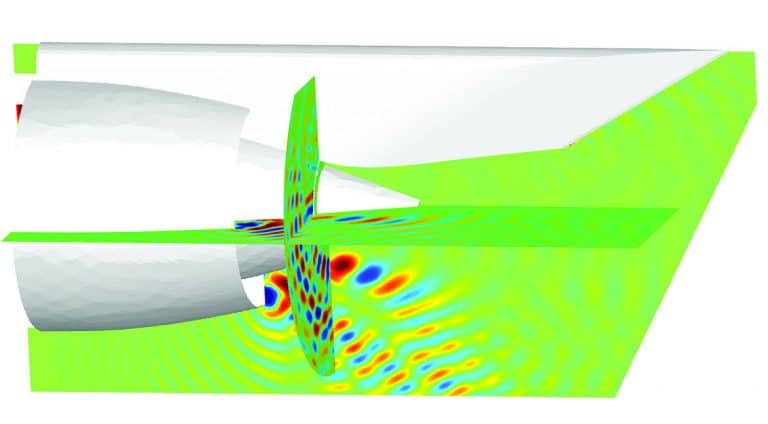
The design and analysis of aircraft engines is a critical area of focus in the Aerospace and Defense industry, as engines play a key role in reducing fuel consumption, CO2 emissions, and noise levels, while also minimizing maintenance costs. Engine simulations are an essential tool for engineers to optimize the design and performance of aircraft engines. These simulations use a …
Read the full brief →
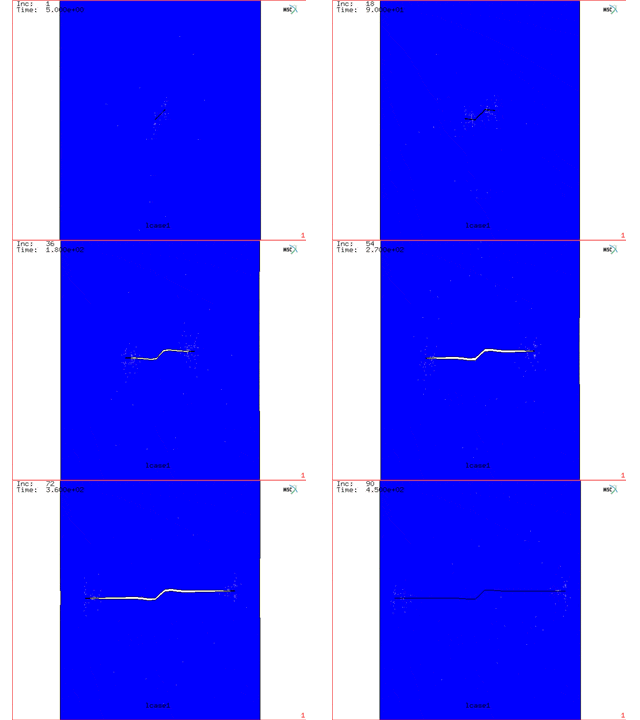
Fracture Simulation in Aerospace and Defense Fracture simulation is an important area of focus in the Aerospace and Defense industry, as it can help engineers to understand and predict the behavior of materials under extreme loading conditions. This is particularly important for critical components of aircraft, such as turbine blades, engine casings, and wing structures. Advanced constitutive equations are used …
Read the full brief →
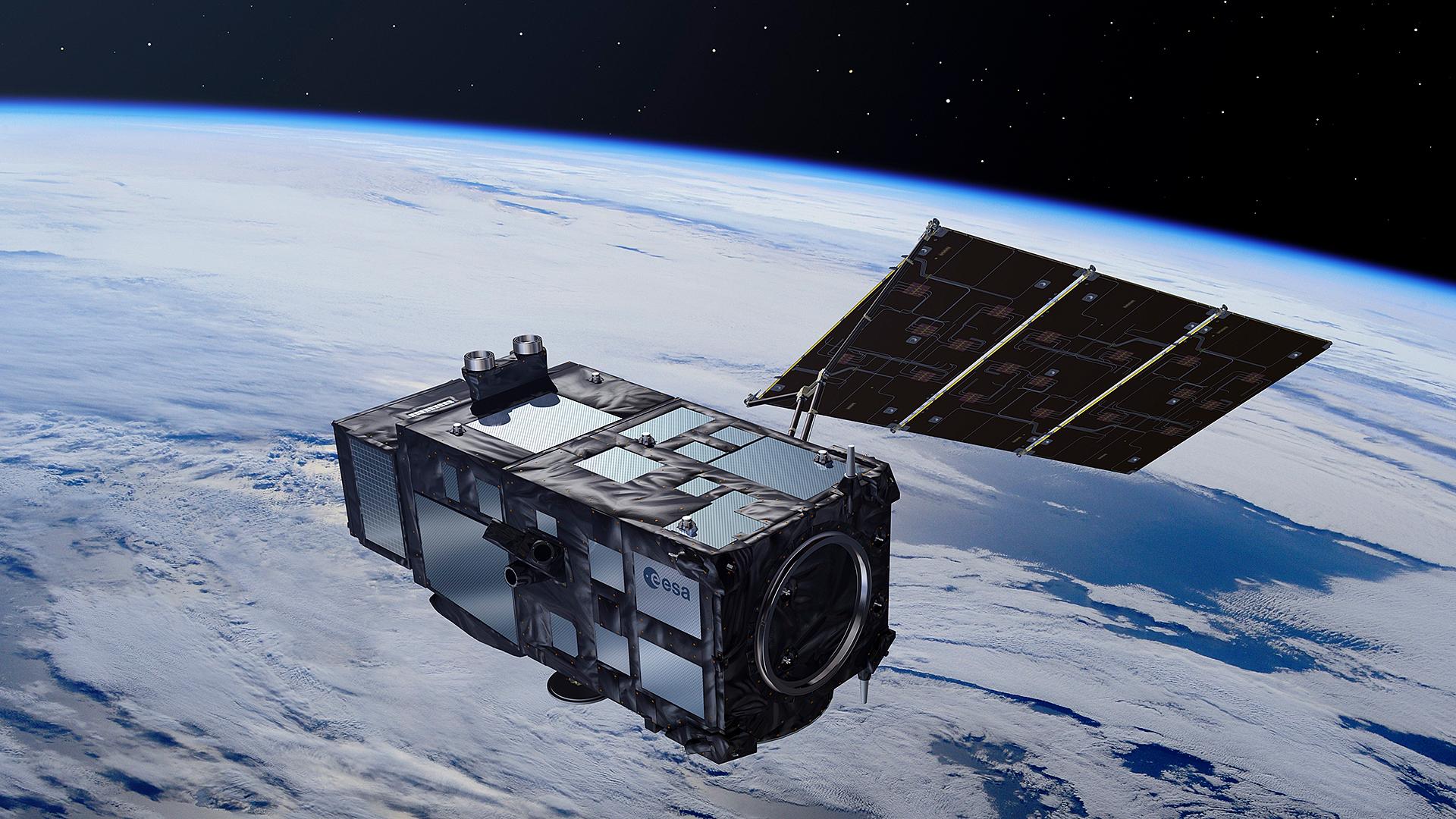
Model-based spacecraft safety and mission assurance is a systematic approach to ensuring the safety and reliability of a spacecraft mission using modeling and simulation tools. It involves developing and testing mathematical models of the spacecraft and its subsystems, and using these models to identify and analyze potential hazards, failures, and risks. The goal of model-based spacecraft safety and mission assurance …
Read the full brief →
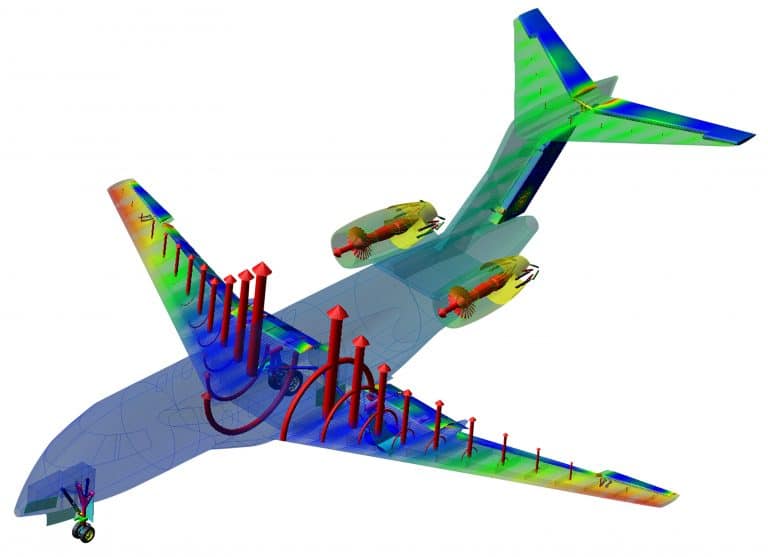
The dynamic response of structures can be affected by a range of factors, including fluid-structure interactions, vibrations, and impact loads. Computational fluid dynamics (CFD), multi-body dynamics (MBD), finite element analysis (FEA), and one-dimensional (1D) systems simulation software are commonly used to model and analyze the behavior of structures under dynamic loading conditions. CFD simulations are used to study fluid-structure interactions …
Read the full brief →
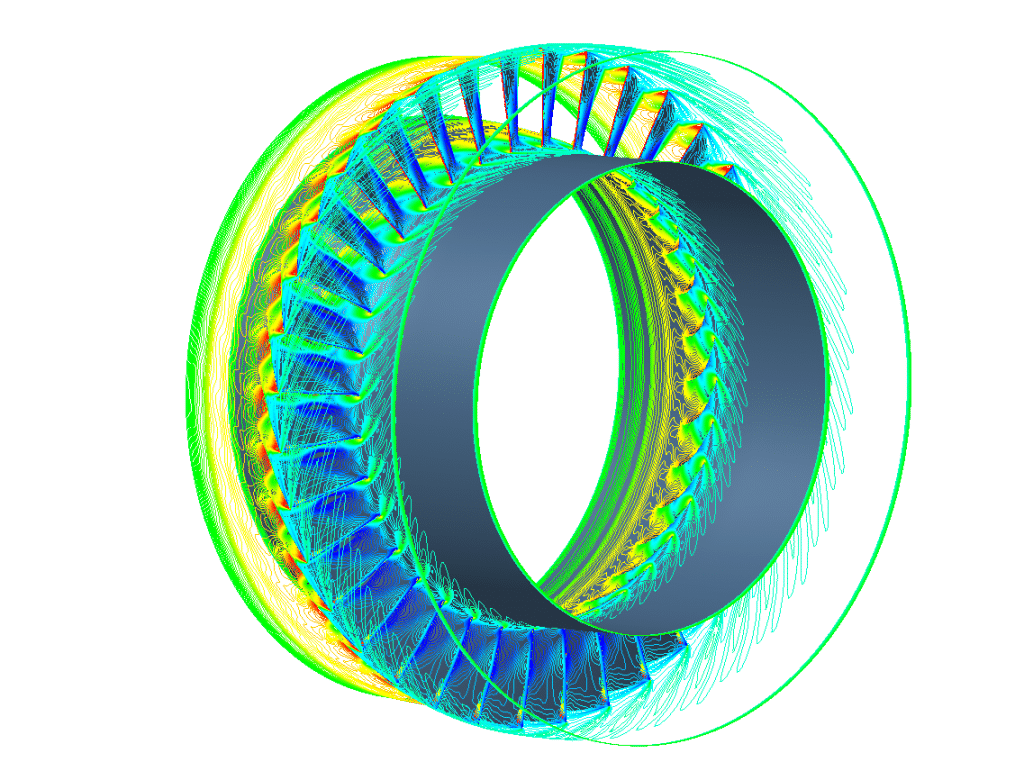
The combination of CFD and finite element simulations allows engineers to study the fluid-structure interactions in turbomachinery components, taking into account factors such as aerodynamics, heat transfer, and structural behavior. This can help to optimize the design and performance of turbomachinery components, leading to improved efficiency, reduced maintenance costs, and enhanced reliability. Turbomachinery simulation is an important tool for engineers …
Read the full brief →
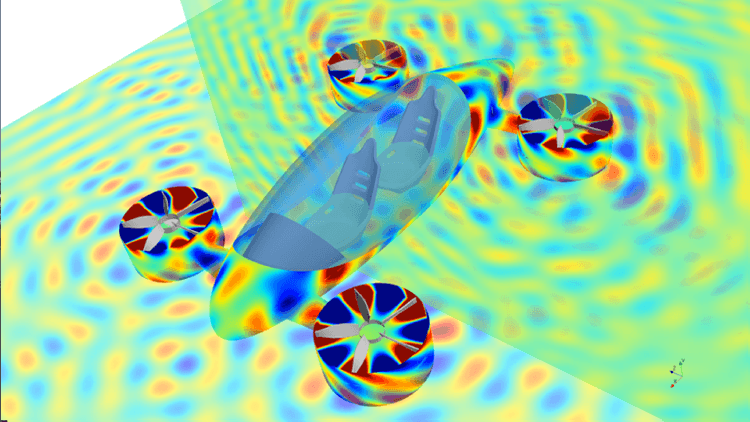
Finite Element & CFD based-Design Optimization is a key aspect in the development of Vertical Take-Off and Landing (VTOL), Electric Vertical Take-Off and Landing (e-VTOL), and Urban Air Mobility (UAM) vehicles. These vehicles are rapidly gaining popularity in the Aerospace and Defense industry due to their ability to operate in urban environments, reduce travel time and improve mobility. Design optimization …
Read the full brief →