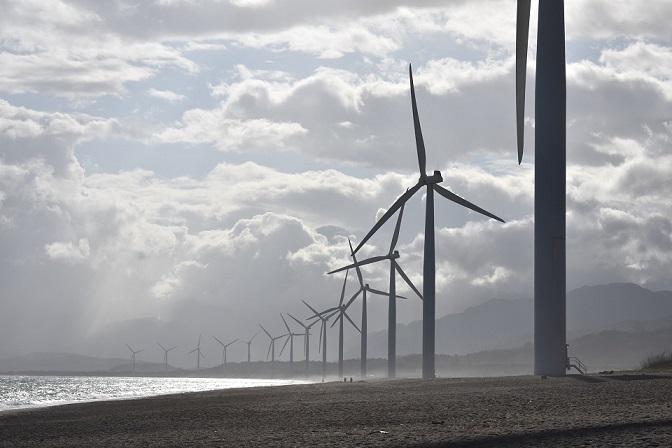
Wind turbines are complex systems that require careful design and testing to ensure their reliable operation. Numerical modeling is a critical tool in the design and testing of wind turbines. Key areas where numerical modeling is used: ▶ Aerodynamics: Wind turbines rely on the aerodynamic forces generated by the wind to generate electricity. Numerical modeling is used to study the …
Read the full brief →
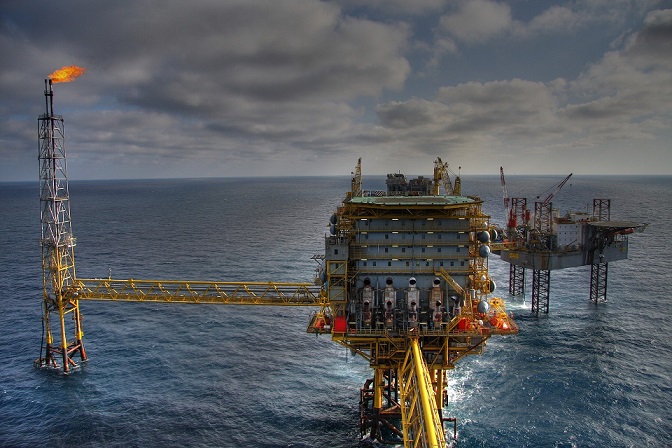
Key areas where FEA and CFD simulation is used: ▶ Reservoir simulation: Reservoir simulation involves modeling the behavior of oil and gas reservoirs to predict production rates and optimize production strategies. This includes modeling the flow of fluids through the reservoir and the interactions between the fluids and the reservoir rock. ▶ Wellbore simulation: Wellbore simulation involves modeling the behavior …
Read the full brief →
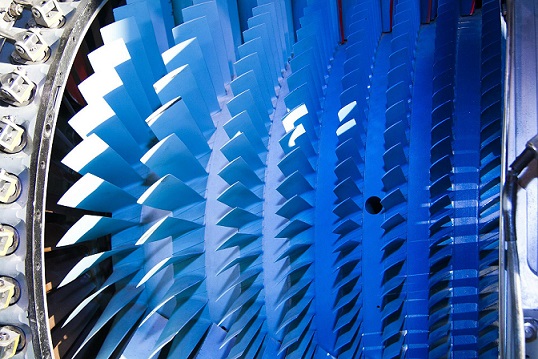
Gas turbine simulation is a process of modeling and analyzing the behavior of gas turbines under various operating conditions. It involves the use of CFD models and simulations to study the dynamics of gas turbine systems, including the spray, combustion, emissions, shaft and gear systems, and acoustic enclosures. Key aspects of gas turbine simulation: ▶ Spray simulation: Gas turbine engines …
Read the full brief →
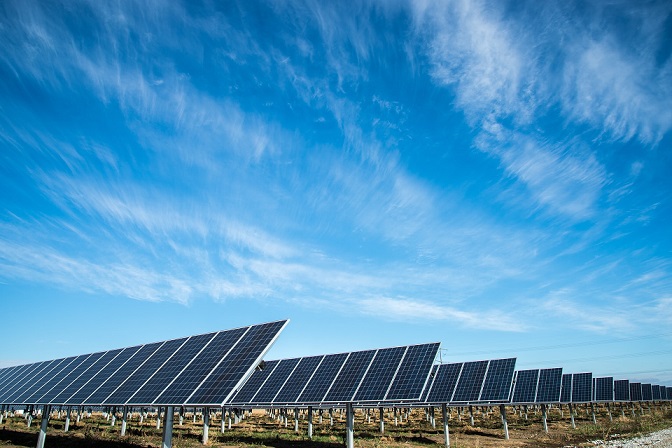
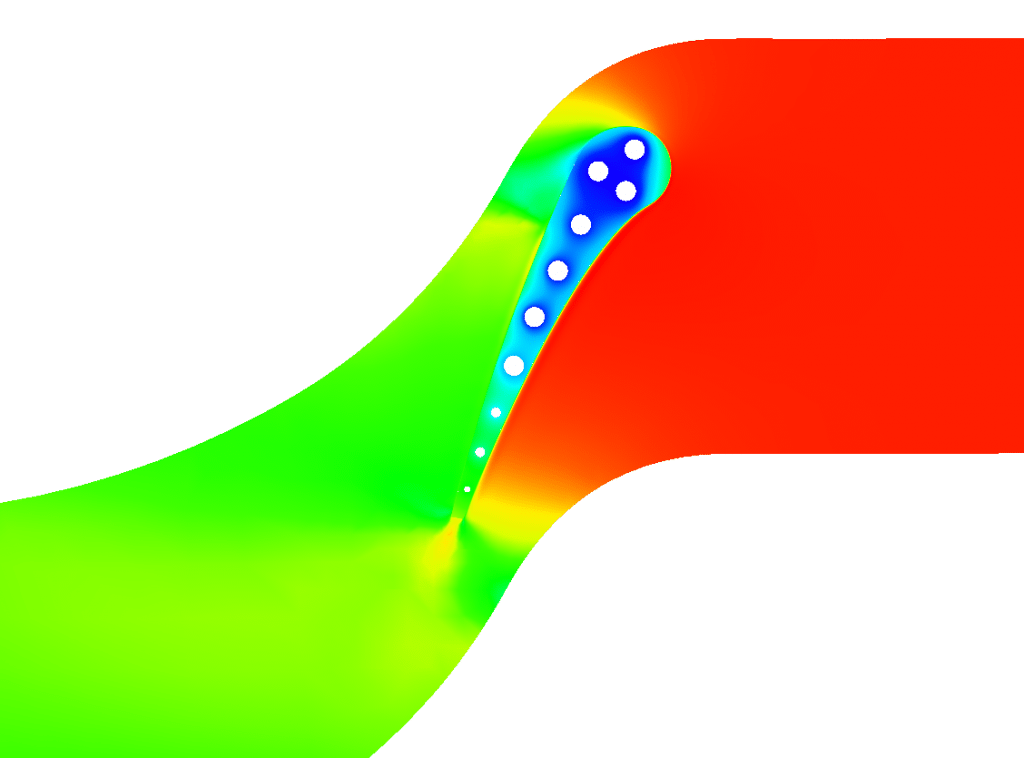
Simulation and Optimization of Renewable Energy Systems Key aspects of renewable energy system simulation: ▶ Hydropower simulation: Hydropower systems use the energy of flowing water to generate electricity. Simulation of hydropower systems involves modeling the dynamics of water flow, turbine performance, and power generation. This includes turbine vortex simulation and prediction, which helps in optimizing the design of the turbines …
Read the full brief →