

Industries Industrial Equipment & Rotating Machinery
Model-Based Systems Engineering (MBSE)
Industrial Equipment and Rotating Machinery FEA and CFD based Design and Optimization

Model-Based Systems Engineering (MBSE) is a methodology that utilizes models to describe and analyze complex systems, including their components, behaviors, interactions, and requirements, throughout their lifecycle. The use of models enables a better understanding of the system and its characteristics, facilitates communication and collaboration among stakeholders, and supports the verification, validation, and optimization of the system design.
CAE (Computer-Aided Engineering) systems simulation is a process that utilizes computer software to simulate the behavior and performance of physical systems and their components, based on mathematical models and numerical methods. CAE can be used to analyze and optimize the design of products, processes, and systems, in various domains such as aerospace, automotive, energy, manufacturing, and healthcare.
The use of a comprehensive set of software with 0D/1D/3D multi-physics component libraries, allows for the simulation of the physics of fluid flow, thermal, mechanical, multi-body, structural, electrical, magnetic, chemistry, and controls, which are essential for many industrial applications. The integrated multi-physics capabilities enable the modeling of complex systems, where the interactions between different physical domains are important, such as in the case of pumps, compressors, oil and gas piping systems, chemical processing plants, and other stationary machinery.
The system simulation tool by our engineers uses 0D/1D models for components, which are strengthened by the capability to perform full 3D analysis (CAD, FEA, CFD) for needed components. This approach allows for the simulation of both the overall system behavior and the detailed performance of specific components, based on the available data and requirements. This flexibility and scalability are essential for the design, analysis, and optimization of complex systems.
The use of DOE (Design of Experiments) and optimization techniques, help us to obtain the best design Pareto, which represents the optimal trade-off between different design criteria and constraints. This approach allows for the exploration of the design space, the identification of the most influential factors, and the selection of the best design alternatives, based on the desired objectives and constraints.
Industrial Equipment & Rotating Machinery
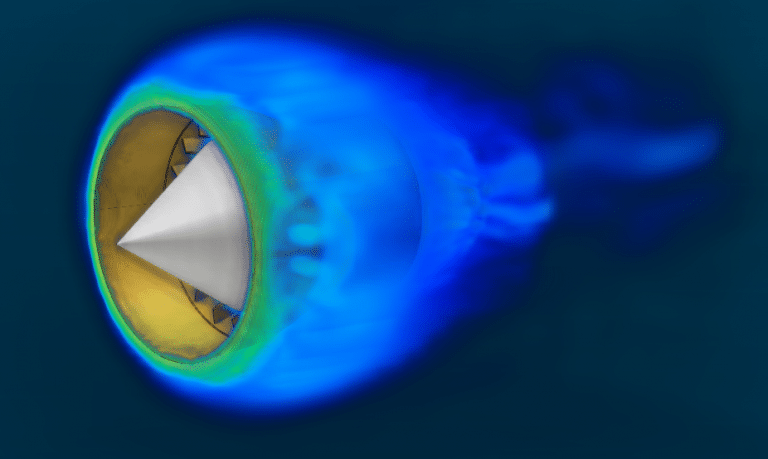
Capabilities that sit beside this one
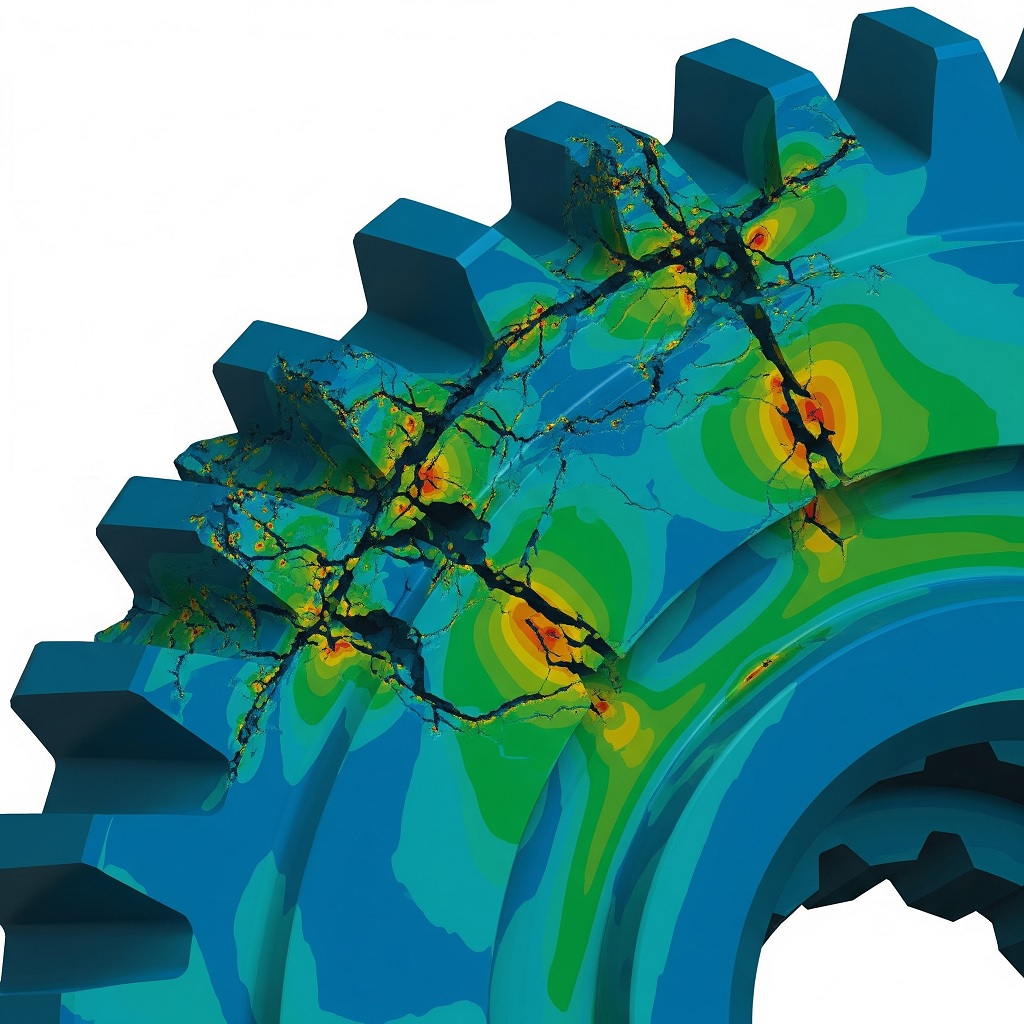 Failure analysis
 is a critical process that involves investigating and determining the root cause of a component or system failure. This requires …
Open capability
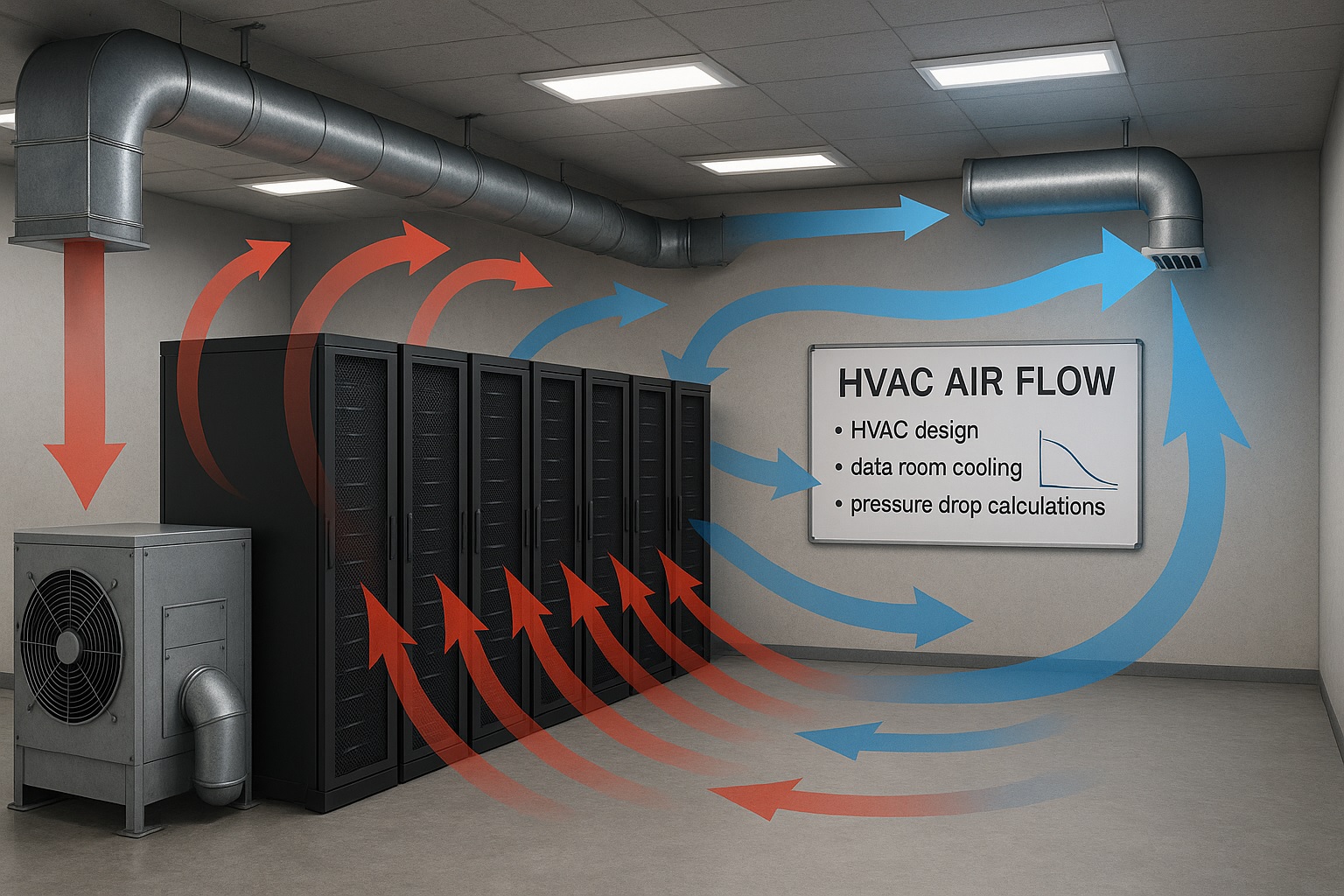 Consulting services for fluid flow-thermal engineering challenges
OLTRION provides expert consulting services for fluid flow and thermal engineering challenges using computational fluid dynamics (CFD). Our team of CFD consultants …
Open capability
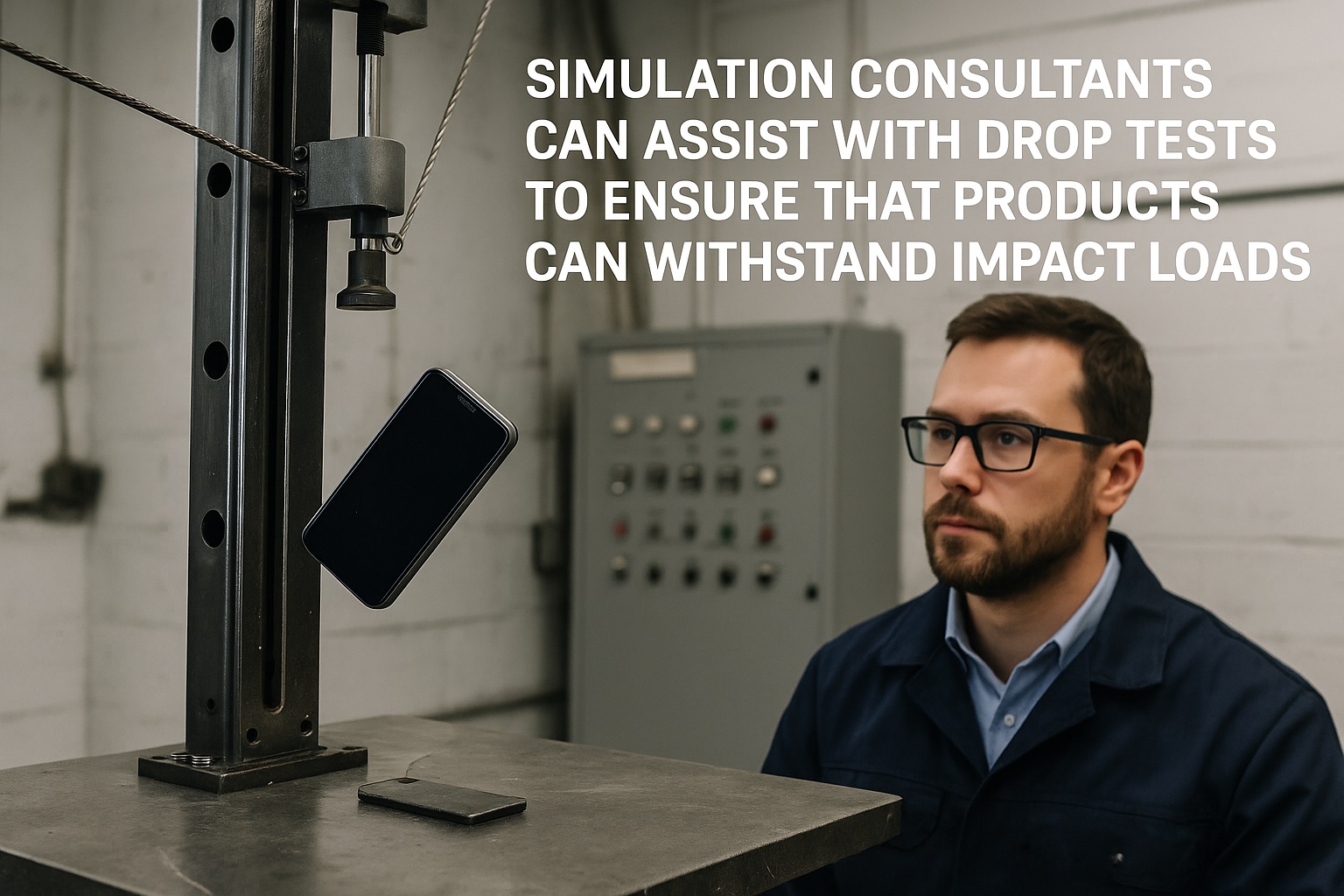 Consulting services for structural-thermal engineering challenges
OLTRION provides expert consulting services for structural and thermal engineering challenges using finite element analysis (FEA). Our team of FEA consultants can …
Open capability
 Engineering Consultant for Fatigue and Fracture
OLTRION provides expert consulting services for fatigue and fracture engineering challenges. Our fatigue and fracture experts can help you optimize your designs …
Open capability
 Noise & Acoustics Analysis Consultant Services
OLTRION offers noise and acoustics analysis services to help you optimize your product designs and reduce noise levels. Our experts use advanced …
Open capability
Other Simulation Area
Working on model-based systems engineering (mbse)?
Tell us the geometry, the physics and the decision it has to support.
Talk to an engineer