

Finite Element Blast, Explosion & Fire
Applications of blast and explosion simulation in the Defense and Military industry
Blast, Explosion & Fire: Finite Element & CFD Based Simulation
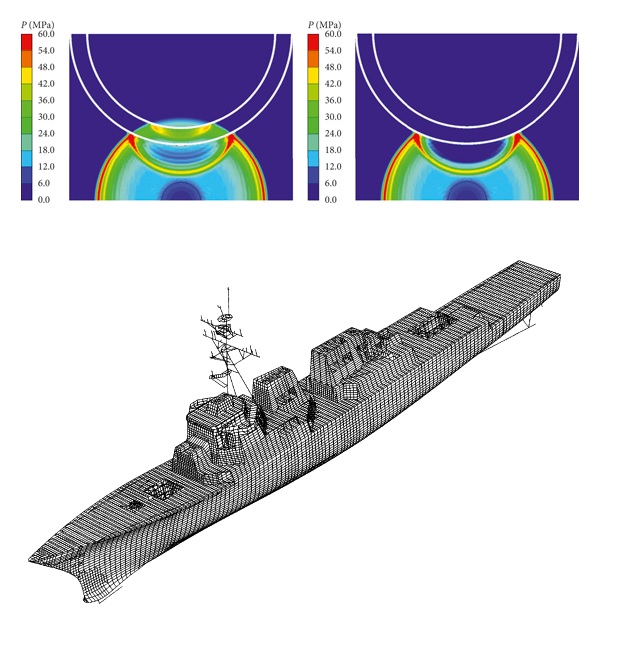
Applications of blast and explosion simulation:
- Armor optimization: Blast and explosion simulation using FEA can be used to optimize the design of armor for military vehicles and equipment. FEA simulations can predict the stresses and deformation that armor will undergo during an explosion, allowing for the optimization of material choice and thickness to improve protection while minimizing weight.
- Design of blast-resistant structures: CFD simulations can be used to predict the distribution of pressure waves and the propagation of flames and smoke in the event of an explosion. This information can be used to design blast-resistant structures for ammunition storage facilities, bunkers, and other military structures.
- Safety evaluations: Blast and explosion simulation can be used to evaluate the safety of military and defense facilities, equipment, and personnel. CFD simulations can predict the propagation of pressure waves and the distribution of debris, while FEA simulations can predict the structural response of equipment and structures. This information can be used to design and implement safety measures, including blast walls, fire suppression systems, and evacuation plans.
- Optimization of explosive devices: Blast and explosion simulation can be used to optimize the design and performance of explosive devices, including warheads, shaped charges, and demolition charges. CFD simulations can predict the distribution of pressure waves and the formation of shock fronts, while FEA simulations can predict the structural response of the device.
- Evaluation of improvised explosive devices (IEDs): Blast and explosion simulation can be used to evaluate the effects of IEDs on military and defense vehicles and equipment. CFD simulations can predict the distribution of pressure waves and the formation of shock fronts, while FEA simulations can predict the structural response of the vehicle or equipment. This information can be used to design and implement protective measures to minimize the damage caused by IEDs.
The wider discipline
Blast, Explosion & Fire
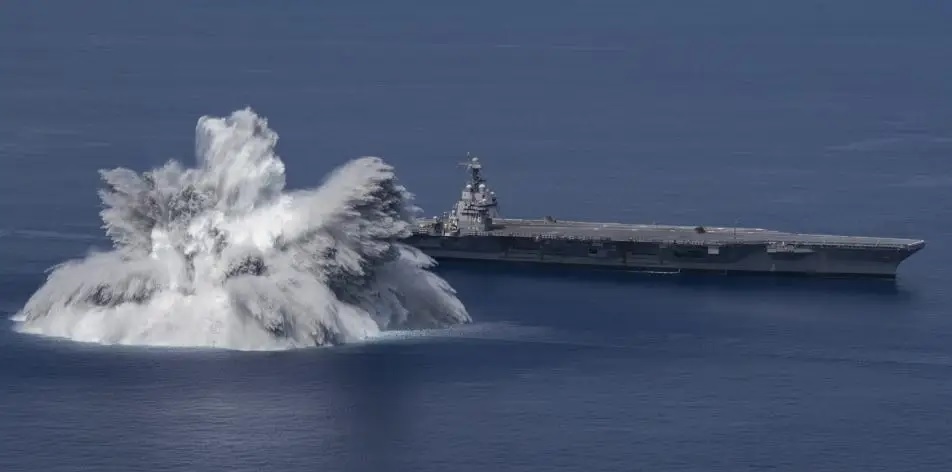
OLTRION engineers simulate the Blast and Explosion with innovative CAE and virtual prototyping available in the non-linear structural codes LS-DYNA, Ansys Autodyn, and ABAQUS. OLTRION Engineers can simulate any type of Blast and Explosion such as air blast, Underwater explosion (UNDEX) and Fragmentation due to blast to survey structural integrity in High Rate Loading Condition. Some key aspects of these numerical simulation for blast, explosion, and fire include:
Material modeling: Accurately modeling the behavior of materials under extreme loading conditions is crucial for blast, explosion, and fire simulation. Advanced material …
Material modeling: Accurately modeling the behavior of materials under extreme loading conditions is crucial for blast, explosion, and fire simulation. Advanced material …
More in Blast, Explosion & Fire
View the section →
Capabilities that sit beside this one
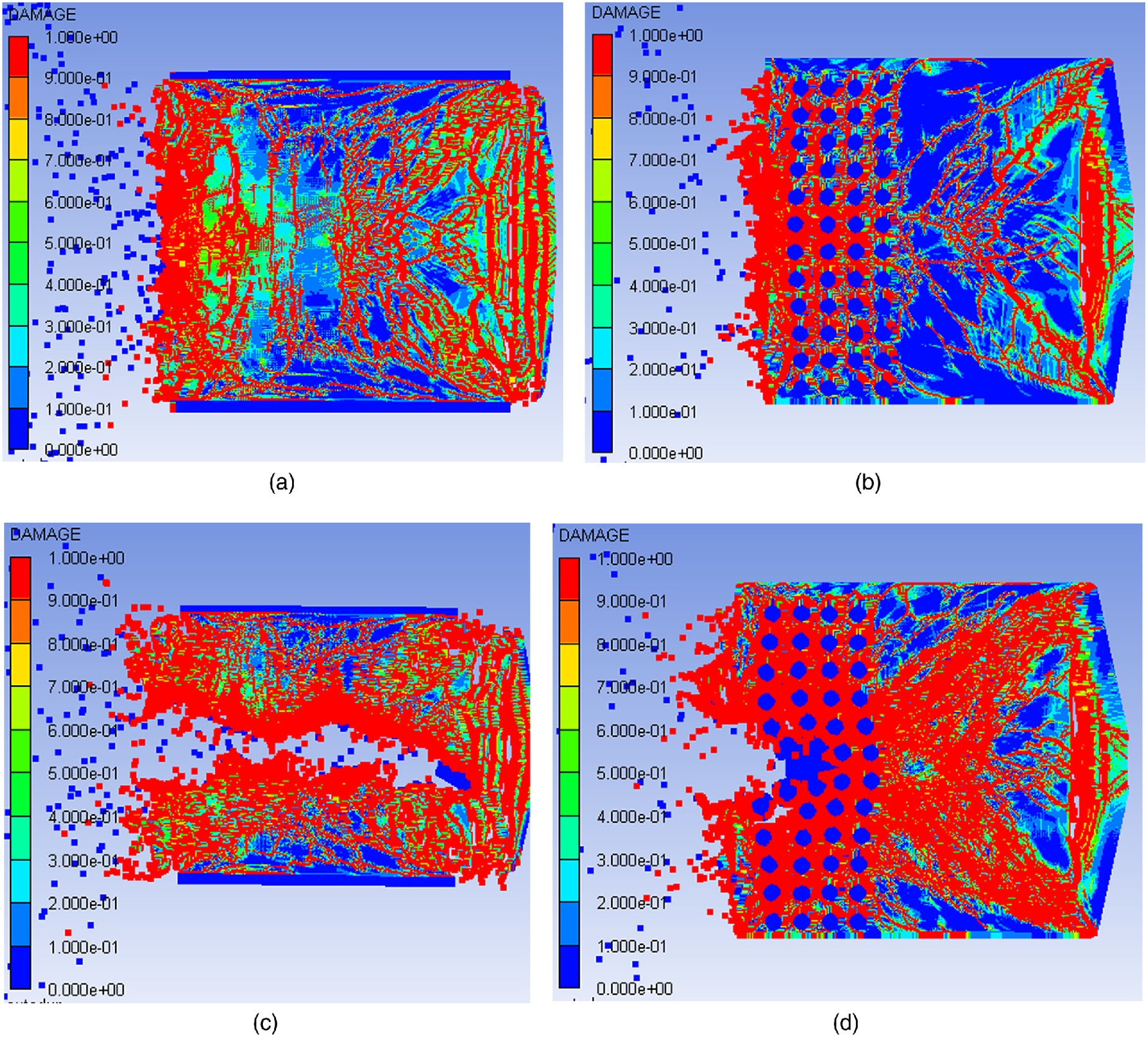 What is the best numerical method for blast, explosion and fire simulation?
The choice of the best numerical model for blast, explosion and fire simulation depends on various factors such as the type of …
Open capability
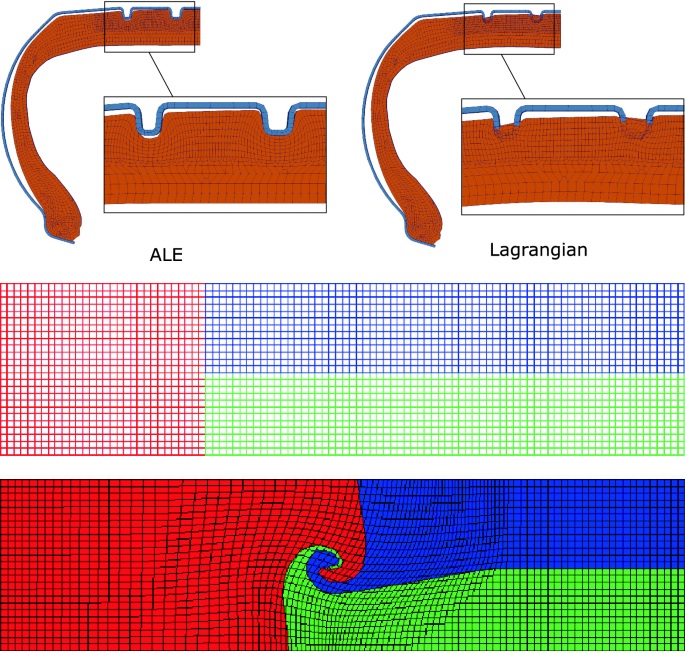 Arbitrary Lagrangian-Eulerian (ALE)
The Arbitrary Lagrangian-Eulerian (ALE) method is a numerical technique that combines the advantages of both the Lagrangian and Eulerian methods to solve …
Open capability
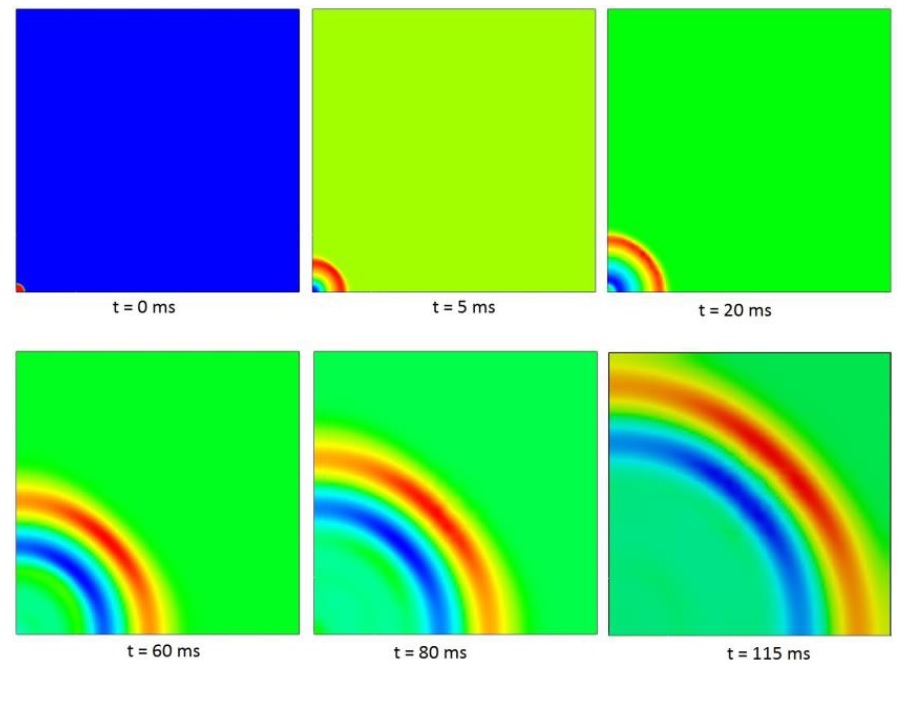 Engineering simulation FEA & CFD software packages for Blast, Explosion and Fire Simulation
There are several engineering simulation software packages that can be used for blast and explosion simulations. These packages can capture high-speed impact …
Open capability
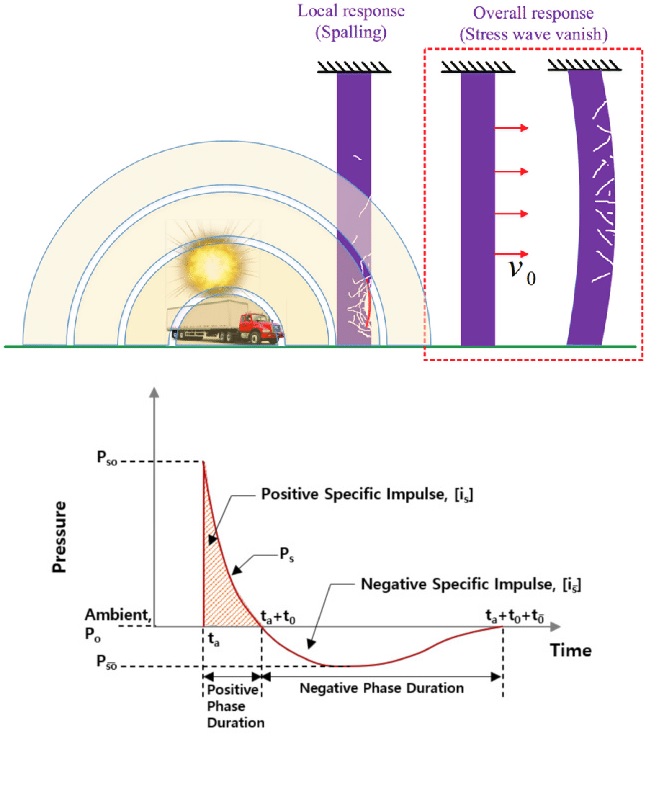 Design procedures for Blast and Explosion FEA & CFD analysis
Designing structures to withstand blast and explosion loads requires a rigorous and systematic approach. Key steps in the design procedure for blast …
Open capability
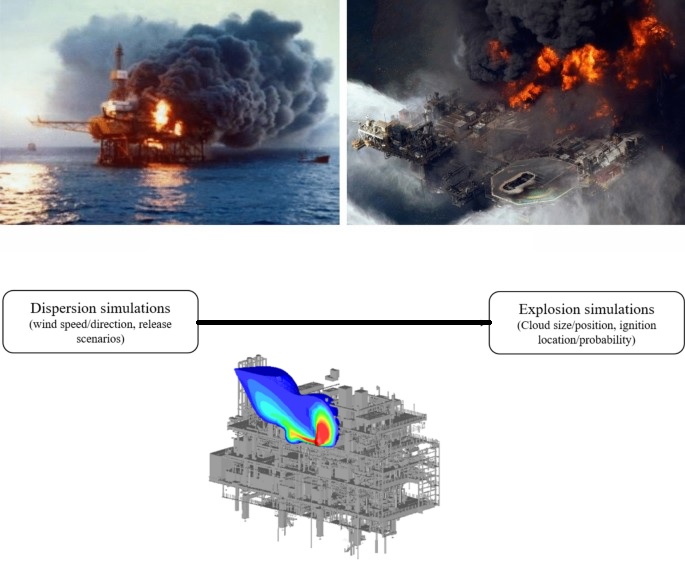 Applications of blast and explosion FEA & CFD simulation in the Chemical, Petrochemical, Oil & Gas industry
Applications of blast and explosion simulation: ▶ Explosion Modeling: Numerical simulation can be used to model the behavior of explosions in chemical …
Open capability
Across Finite Element
Other Simulation Area
Acoustics and Vibration
Acoustics in Automotive Industry
The noise generated by turbulent flows can come from various sources, including air conditioning systems, rotating fans, and …
Additive Manufacturing
Metal Binder Jetting
Metal Binder Jetting (MBJ) is an emerging additive manufacturing technology that offers several key advantages over traditional Powder …
Composite Materials
Braided Composites
Braided composites are a type of composite material that is made by braiding continuous fibers around a mandrel …
Crash Test Simulation
Dummies for crash Test Simulation
Dummies, also known as anthropomorphic test devices (ATDs), are essential tools for conducting crash test Finite Element simulations …
Durability & Fatigue Life
Elastomer Materials Fatigue
Developers of rubber materials, components and systems increasingly rely on simulation as a routine means to address design …
Metal Forming Simulation
Open Die Forging
Open die forging is a forging process used for large and critical products that cannot be formed using …
Multibody Dynamics
Multibody Dynamics & NVH
By combining MBD simulation and NVH finite element simulation analysis, engineers can create comprehensive models that simulate the …
Thermal Analysis
Heat Transfer Simulations for Turbomachinery Systems
Most machines, especially those that operate under high-heat conditions such as turbines, boilers, and combustors, require strict control …
Welding Simulation
Laser and Electron Beam Welding FEA Simulation
Laser beam welding is a process that uses a high-energy laser beam to heat and weld metal components …
VTOL, eVTOL & UAM
Ground Vibration Testing (GVT)
Airworthiness & GVT Certification Ground Vibration Testing (GVT) is a critical FAA & EASA milestone, yielding experimental vibration …
Working on applications of blast and explosion simulation in the defense and military industry?
Tell us the geometry, the physics and the decision it has to support.
Talk to an engineer