

CFD Fluid Structure Interaction (FSI)
Themal FSI Simulation
Fluid Structure Interaction (FSI)
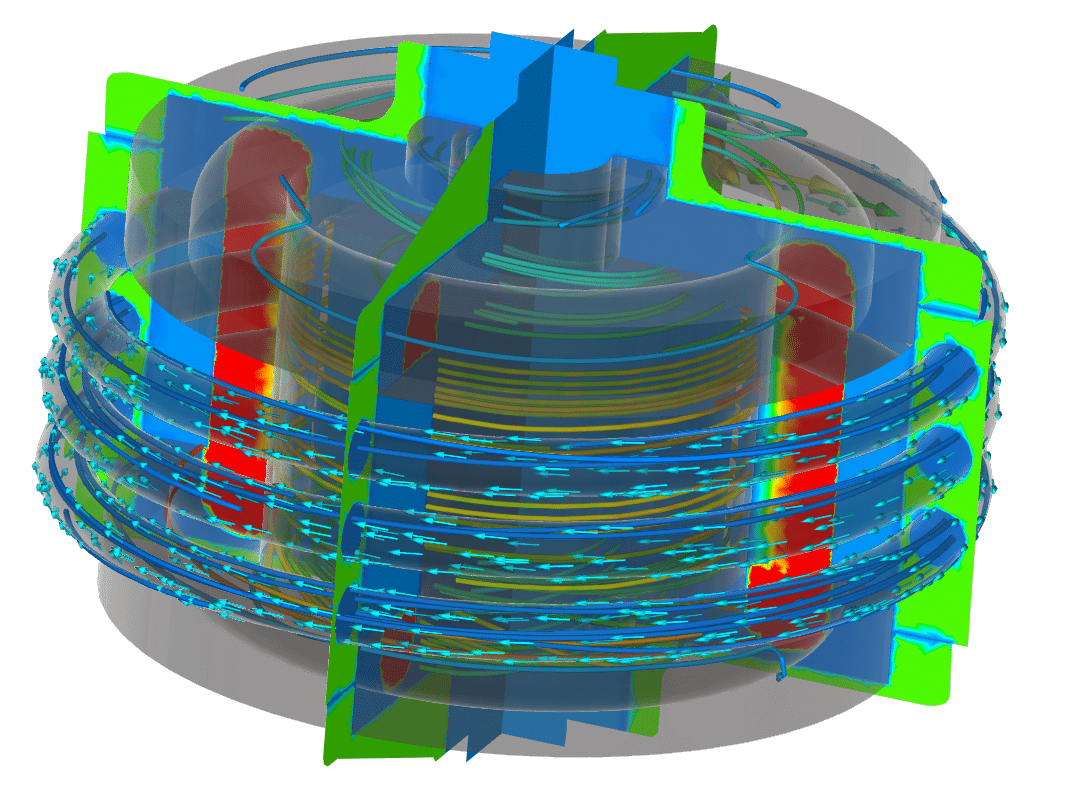
Simulating the thermal performance of a product early in the design phase can save large amounts of time and money by getting the design of the early prototypes right from a thermal management standpoint, thus reducing the need for additional prototypes that might otherwise be required to diagnose and correct thermal issues.
Simple computational fluid dynamics (CFD) software can be used to analyze thermal issues such as determining how heat is transferred through a fluid. But many problems are more complex, such as those that involve multiple mechanisms of heat transfer, where heat is transferred through both solids and structures.
Cases in which the fluids and structures involved in heat flow are closely coupled, so that thermal deflection of the structures affects the fluid flow, are also challenging. Engineers often need to understand how heat is transferred by a number of different mechanisms through a complicated interconnected system in order to understand how their product or process will perform under a given set of conditions. This point is one of the applications of FSI simulation with the coupled CFD–FEA method.
As in isolated FEA and CFD, one of the most profound benefits of FSI analysis is the ability to conduct comprehensive, multi-point optimization of designs. This process allows us to optimize a design to a given set of performance parameters and can be used to tune frequencies, maximize fatigue life, or avoid harmful resonance.
- ▶ Tune natural frequencies and avoid resonance
- ▶ Maximize fatigue life across operating conditions
- ▶ Perform multi-point, multi-physics optimization for performance targets
Fluid Structure Interaction (FSI)
Capabilities that sit beside this one
 One-Way FSI: Coupling CFD and FEA for Fatigue Simulation
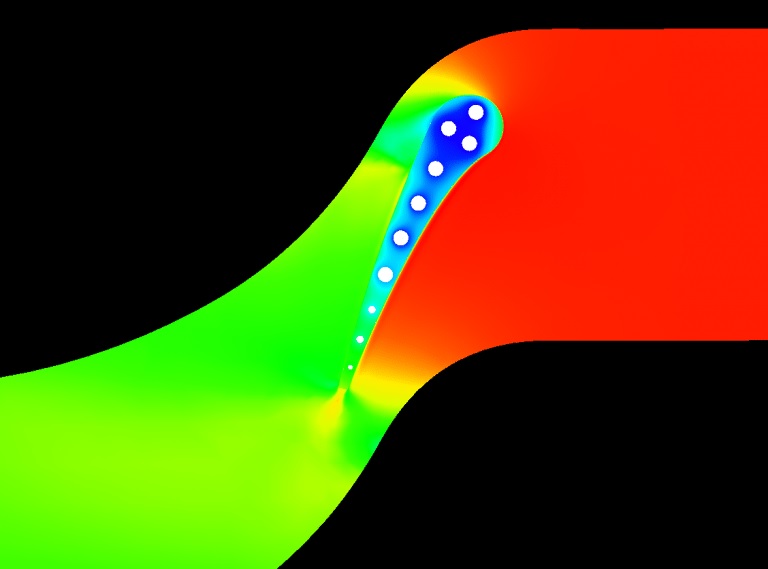
Solving thermal problems with CHT limits the engineer to the physical models that are contained within the CFD solver. More complex problems, …
Open capability
 Two-Way FSI: Two-way coupled CFD and structural (FEA)–Thermal simulation
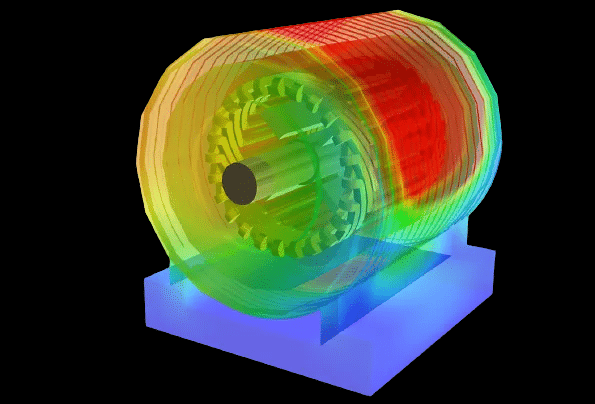
Applications such as leakage paths and thin film flows where thermal-stress induced structural deformation affects fluid flow present an even more difficult …
Open capability
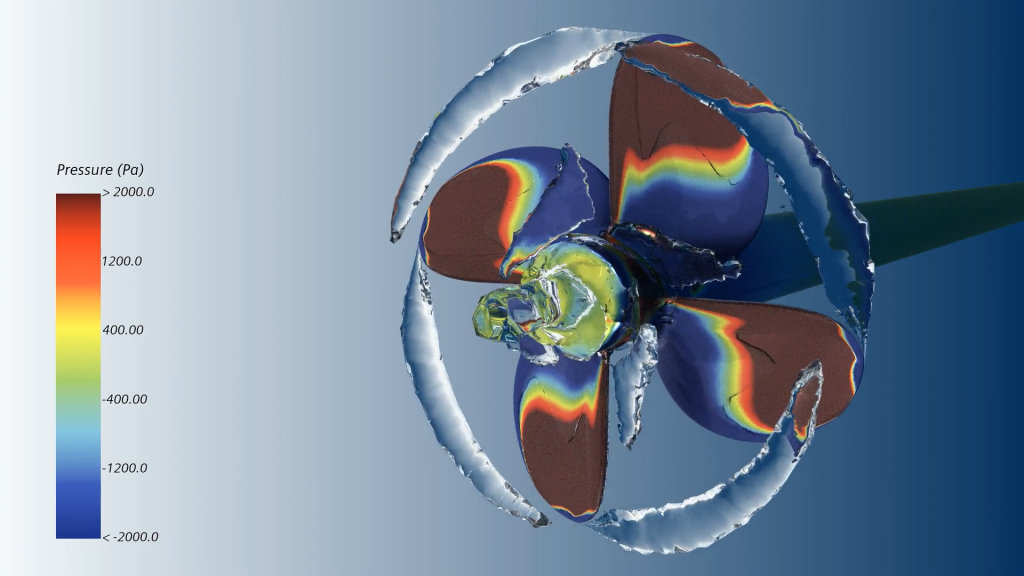 FEA and CFD based Design and Optimization for Marine and Shipbuilding Industry
From the design and manufacture of small recreational craft to large oil tankers, using FEA- and CFD-based simulation, OLTRION assists shipbuilders and …
Open capability
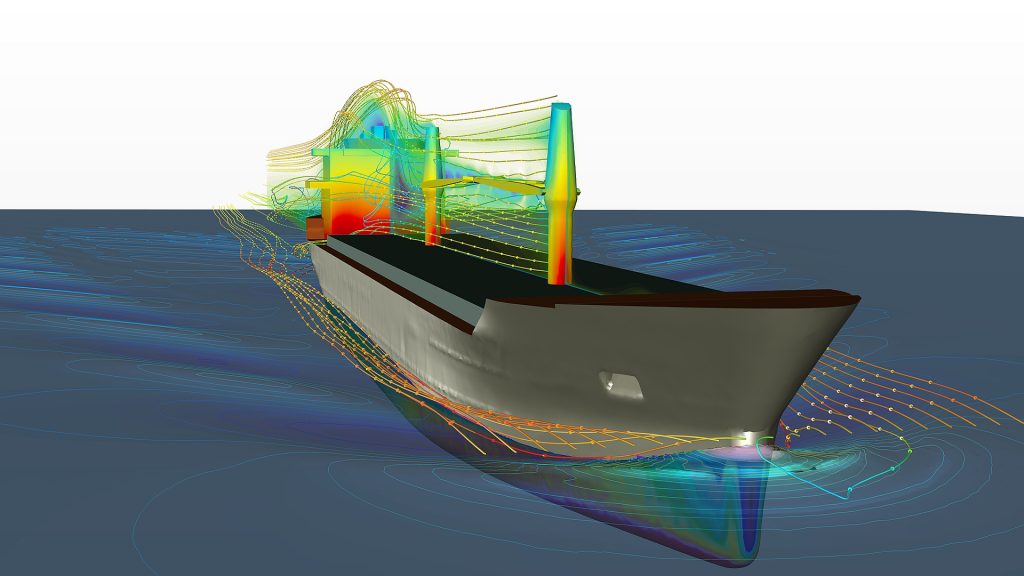 Hydrodynamics CFD simulation, Coupled with FEA for FSI Analysis of Marine and offshore structures
Hydrodynamics is a common application of CFD and a main core of OLTRION expertise. CFD allows the steady-state and transient hydrodynamics of …
Open capability
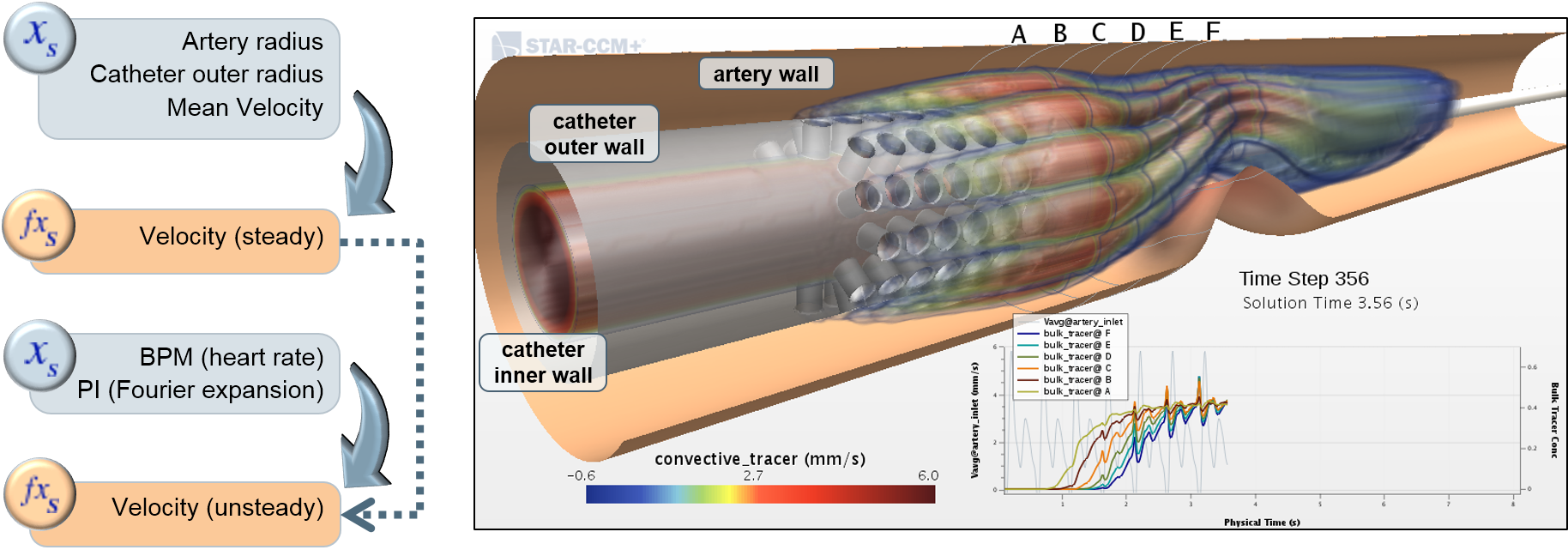 FEA and CFD based Simulation and Design for Medical and Biomedical Applications
FEA- and CFD-based simulation design and analysis is playing an increasingly significant role in the development of medical devices, saving development costs …
Open capability
Other Simulation Area
Working on themal fsi simulation?
Tell us the geometry, the physics and the decision it has to support.
Talk to an engineer