

Electromagnetics Plasma Simulation
Plasma Cleaning
Simulation of Plasma Based Devices: Microwave Plasma & RF Plasma with Coupling Particle in Cell (PIC), MHD, CFD and FEA Solvers
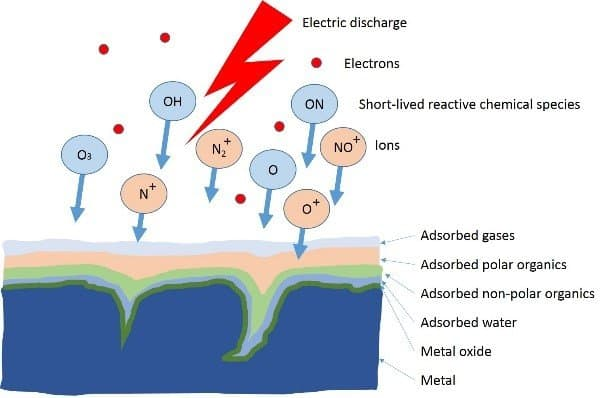
The operational cost of using plasma cleaning systems are low, while providing the highest quality in cleaning surfaces. Another benefit of using a plasma cleaning system is that it eliminates the need to use chemical solvents.
Ultra fine cleaning of surfaces with cold atmospheric pressure plasmas is a process of removing organic, inorganic and microbial surface contaminants, as well as strongly adhering dust particles. It is highly efficient and at the same time very gentle to the treated surface. At higher strength, it can remove weak surface boundary layers, cross-link surface molecules and even reduce hard metal oxides. Plasma cleaning promotes wettability and adhesion enabling a wide spectrum of industrial processes preparing surfaces for bonding, gluing, coating and painting. While being performed using air or typical industrial gases including hydrogen, nitrogen and oxygen, it avoids wet chemistry and expensive vacuum equipment, which positively affects its costs, safety and environmental impact. Fast processing speeds further facilitate numerous industrial applications.
As a result, using plasma cleaning eliminates the need for storage facilities or for making arrangements for solvent waste disposal. Plasma is a proven and effective method for critical surface preparation.
Types of plasma cleaning:
- Oxygen-Based Plasma Cleaning
- Hydrogen-Based Plasma Cleaning
- Argon-Based Plasma Cleaning
Plasma Simulation
OLTRION uses advanced electromagnetic FEA, CFD and particle-in-cell (PIC) codes, designed for executing multi-scale, plasma physics simulations. Based on the problem and its detail, we use special commercial …
Capabilities that sit beside this one
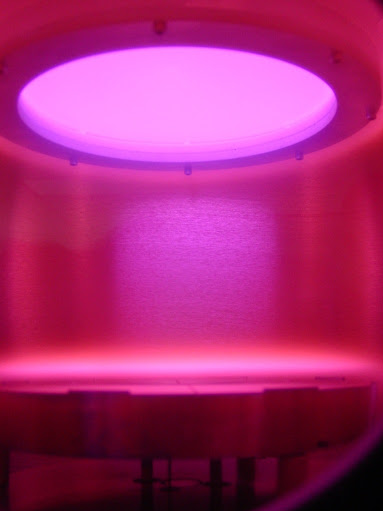 Plasma-enhanced chemical vapor deposition (PECVD)
Plasma-enhanced chemical vapor deposition coating: Plasma-enhanced chemical vapor deposition (PECVD) is a thin-film deposition technique that allows for tunable control over the …
Open capability
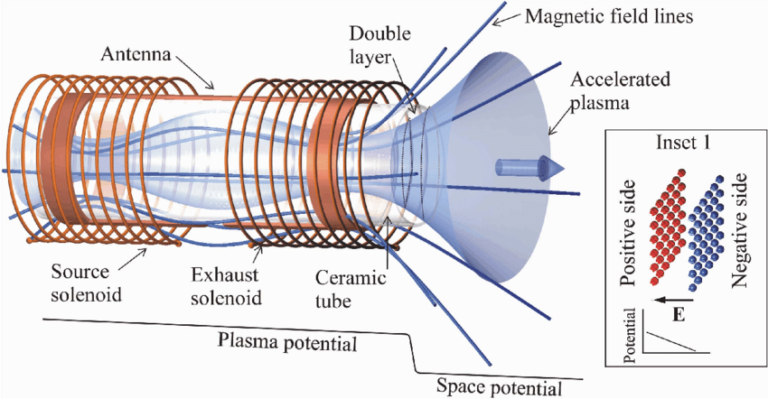 Simulation Based Design of Plasma Thrusters
Electric propulsion technology, called Hall effect or stationary plasma thrusters, offers a significant weight reduction compared with traditional chemical propulsion systems. In …
Open capability
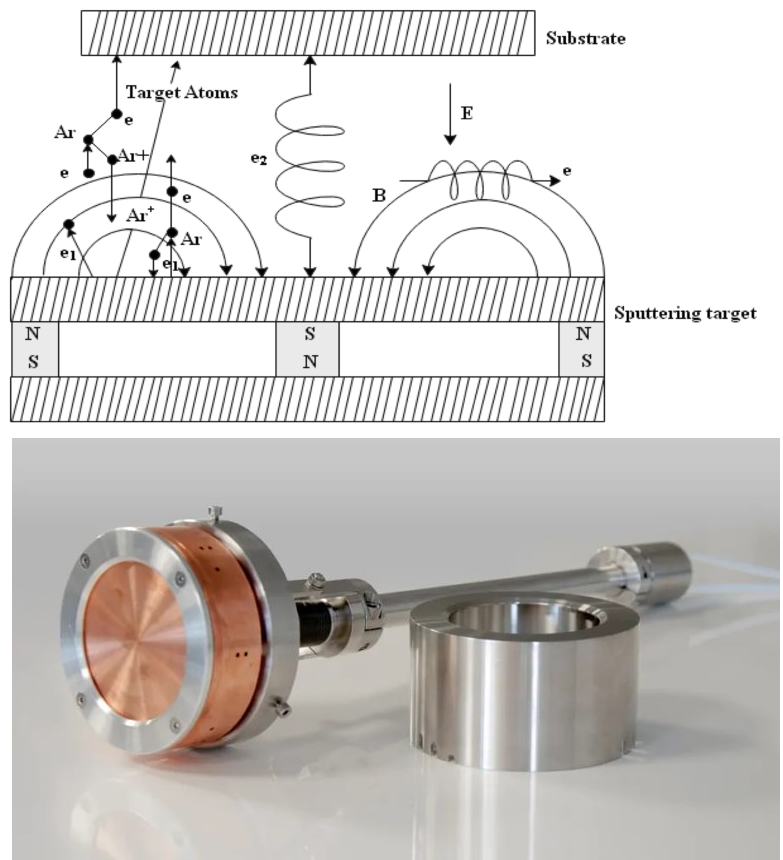 Numerical Simulation of Magnetron sputtering
Magnetron sputtering deposition is a fast technique for applying a thin layer of inorganic materials on a substrate. Magnetron sputtering is the …
Open capability
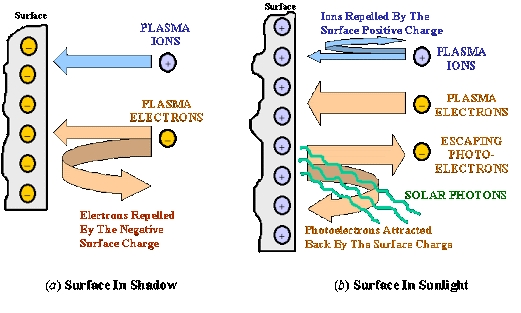 Spacecraft and Satellite charging effects Numerical Simulation
Spacecraft charging includes both surface charging and internal dielectric charging. The absolute charging of spacecraft surfaces is not generally detrimental; rather it …
Open capability
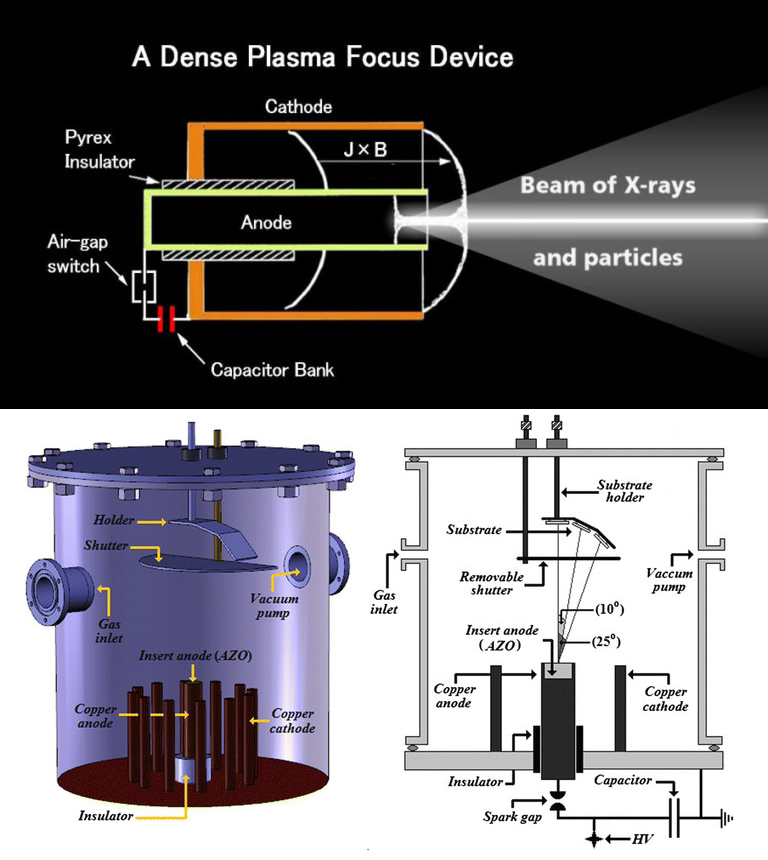 Numerical Simulation of Dense Plasma Focus Devices
A dense plasma focus (DPF) is a plasma machine that produces, by electromagnetic acceleration and compression, short-lived plasma that is so hot …
Open capability
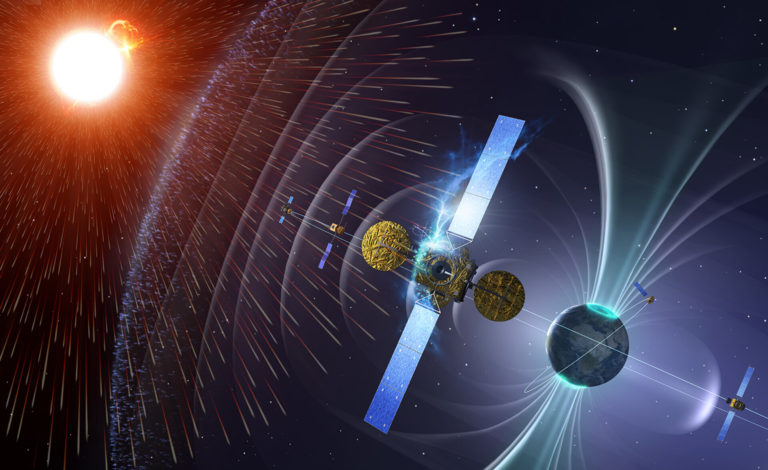 Spacecraft Shielding
Traditional methods for protecting spacecraft and occupants from harmful radiation in the form of energetic particles from solar and galatic sources involve …
Open capability
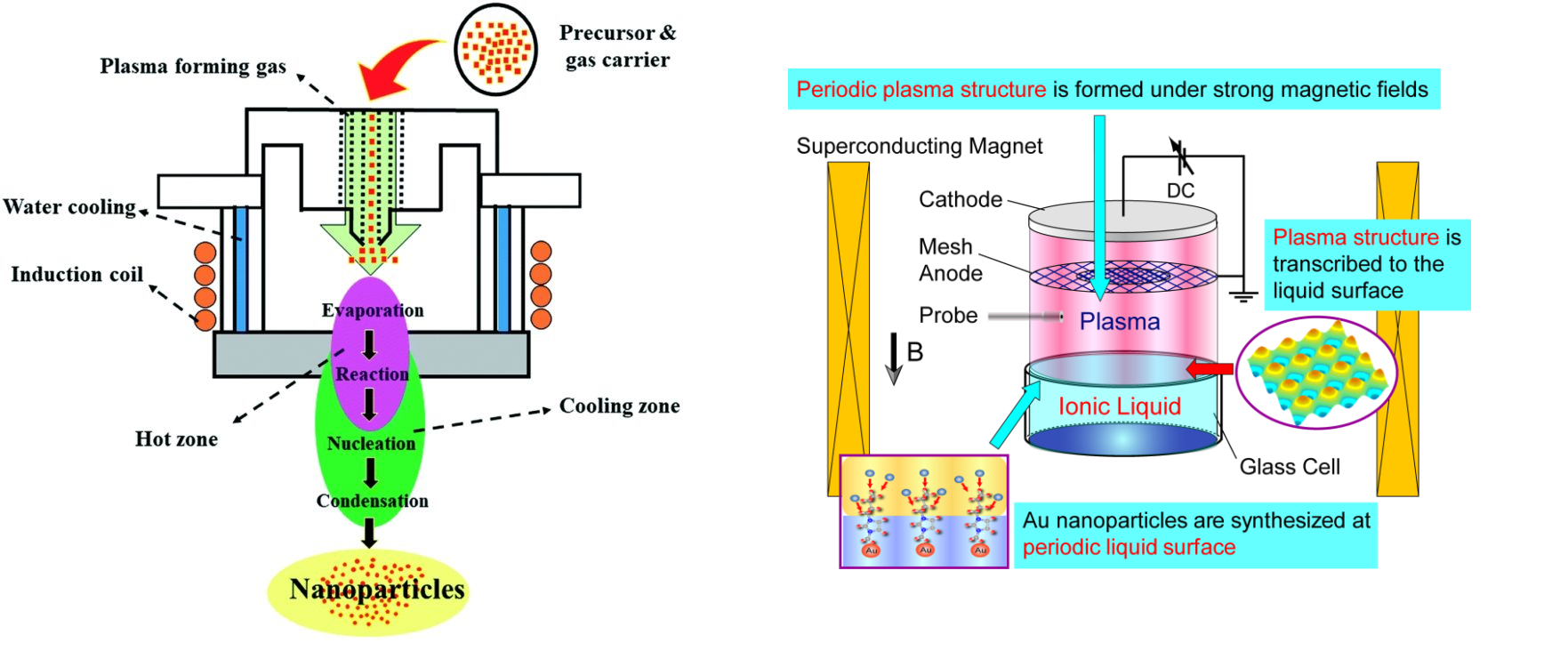 Nanoparticle Synthesis Simulation Based Design
Plasma-based chemical processes are characterized by solvent-less (dry), high-purity, and low-temperature conditions that enable damage-free device fabrication. plasma tools are now essential …
Open capability
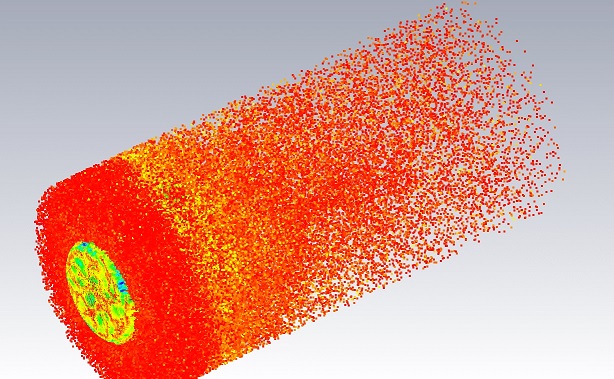 Simulation of Plasma Based Devices
We provide consulting services for the modeling and simulation of plasma and other flow systems. we combine expertise in physics, Numerical computing, …
Open capability
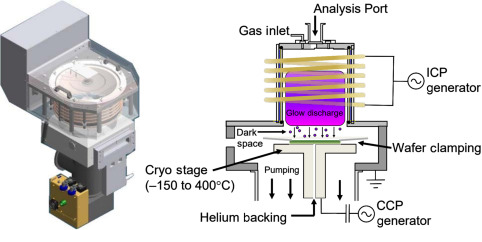 Plasma Etching Simulation
Plasma etching is an essential tool in today's world, enabling many of the technologies we take for granted. The chemical nature of …
Open capability
Other Simulation Area
Working on plasma cleaning?
Tell us the geometry, the physics and the decision it has to support.
Talk to an engineer