

Finite Element Crash Test Simulation
Airbag Effectiveness in Crash Test and crashworthiness
Finite Element Simulation of Crash Test and Crashworthiness with LS-Dyna, Abaqus and PAM-CRASH Including Airbag & Seat Belt Effectiveness, Electric Vehicles (EV), Trucks, Bus and eVTOL
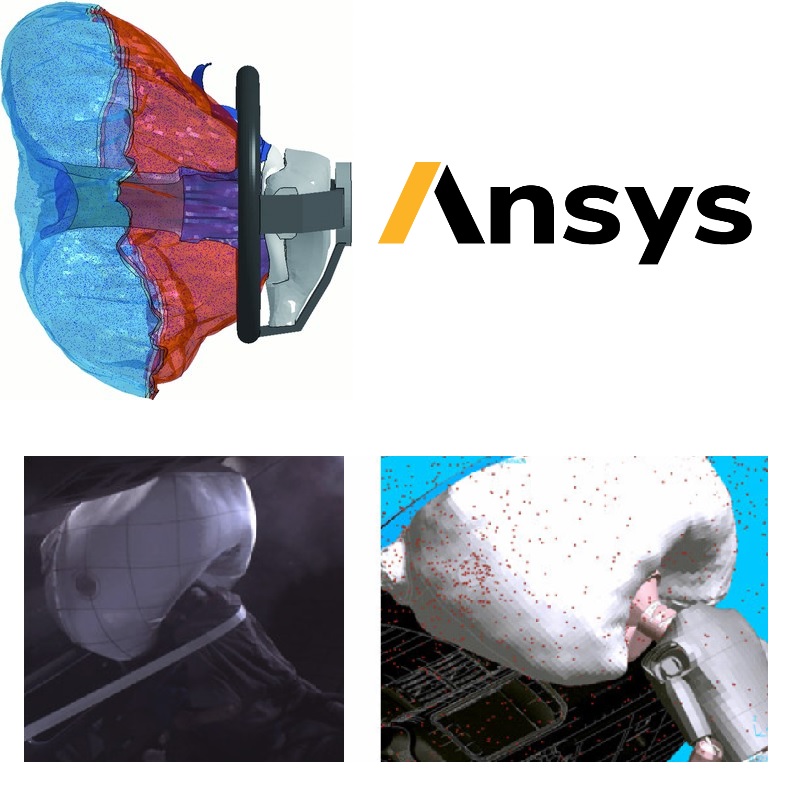
Airbags are an important safety feature in automobiles that can help reduce the risk of injury or death in a crash. They work by inflating rapidly in the event of a collision, cushioning the occupants of the vehicle and preventing them from striking hard surfaces in the car interior.
The effectiveness of airbags in crash tests and crashworthiness is measured by various standards and regulations set by organizations like the National Highway Traffic Safety Administration (NHTSA) in the United States and the European New Car Assessment Program (Euro NCAP) in Europe. These organizations conduct a variety of crash tests to evaluate the safety of vehicles, including tests that assess the effectiveness of airbags.
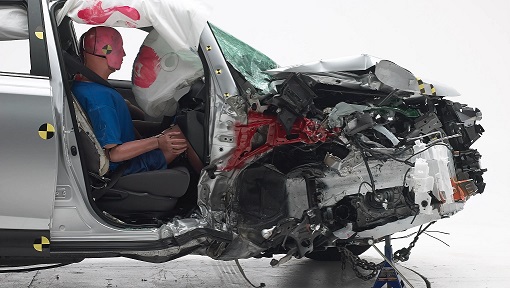
One such test is the frontal crash test, which is conducted by driving a vehicle into a fixed barrier at a specific speed. During this test, airbags are deployed, and their effectiveness is evaluated based on the level of protection they provide to the occupants of the vehicle. This test measures the ability of airbags to reduce the risk of injury to the head, neck, chest, and legs of the occupants.
Another test is the side-impact crash test, which simulates a collision with a vehicle of similar size and weight. Airbags in the vehicle are deployed during this test to protect the occupants from the impact of the collision. This test evaluates the effectiveness of airbags in reducing the risk of injury to the head, chest, and pelvis.
In addition to crash tests, airbags are also evaluated based on their design and performance characteristics, such as the speed at which they inflate, the force with which they deploy, and the size and placement of the airbag in the vehicle.
The wider discipline
Crash Test Simulation
Here at OLTRION, we use finite element simulation (FEA) for crash test and crashworthiness because it allows us to predict the behavior of the car structure and occupants during a crash without the need for physical testing. FEA enables our engineers to create a computer model of the vehicle and simulate the crash scenario using various materials and structural designs.
By using advanced Finite element solvers such as Ansys LS-Dyna, ESI Pam-Crash and Simulia Abaqus, we can assess the structural integrity and crashworthiness of the vehicle's components, such as the …
By using advanced Finite element solvers such as Ansys LS-Dyna, ESI Pam-Crash and Simulia Abaqus, we can assess the structural integrity and crashworthiness of the vehicle's components, such as the …
More in Crash Test Simulation
View the section →
Capabilities that sit beside this one
 Dummies for crash Test Simulation
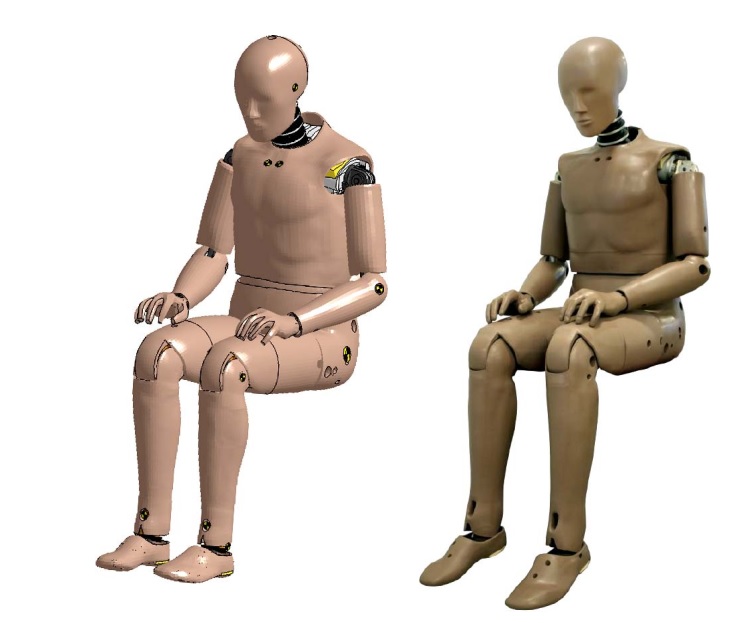
Dummies, also known as anthropomorphic test devices (ATDs), are essential tools for conducting crash test Finite Element simulations to evaluate the safety …
Open capability
 School Bus Crashworthiness
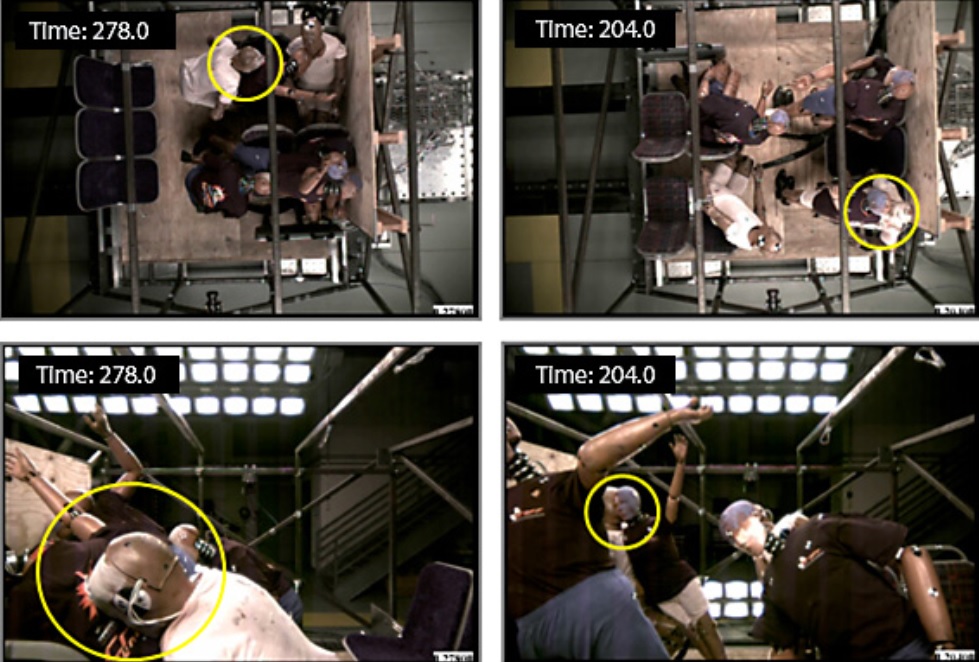
School buses are unique vehicles designed to carry children, and they require special safety features to ensure that passengers are protected in …
Open capability
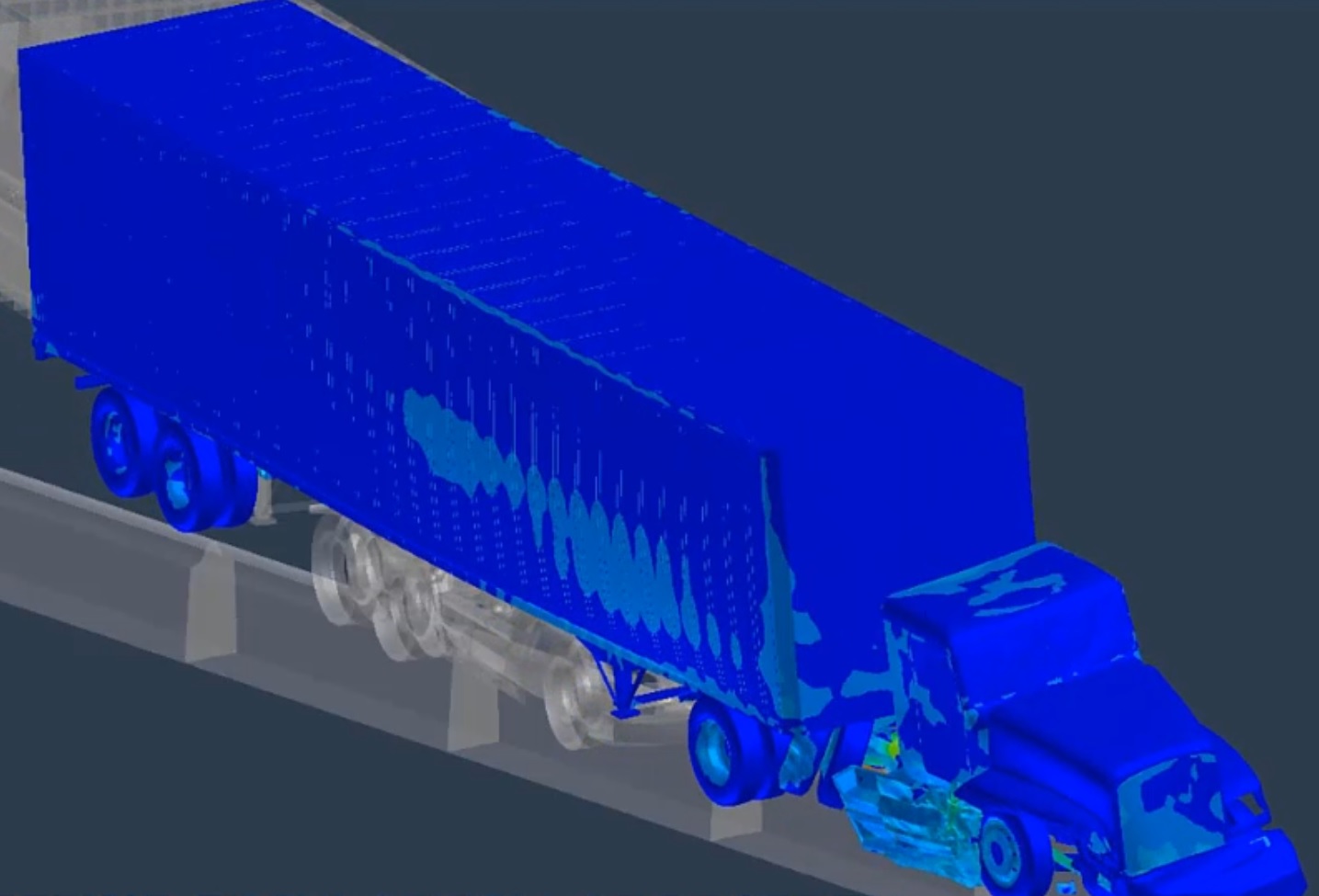 Small Overlap - Oblique Crash Test FEA Simulation
The small overlap or oblique crash test is a type of crash test that is designed to simulate a vehicle hitting a …
Open capability
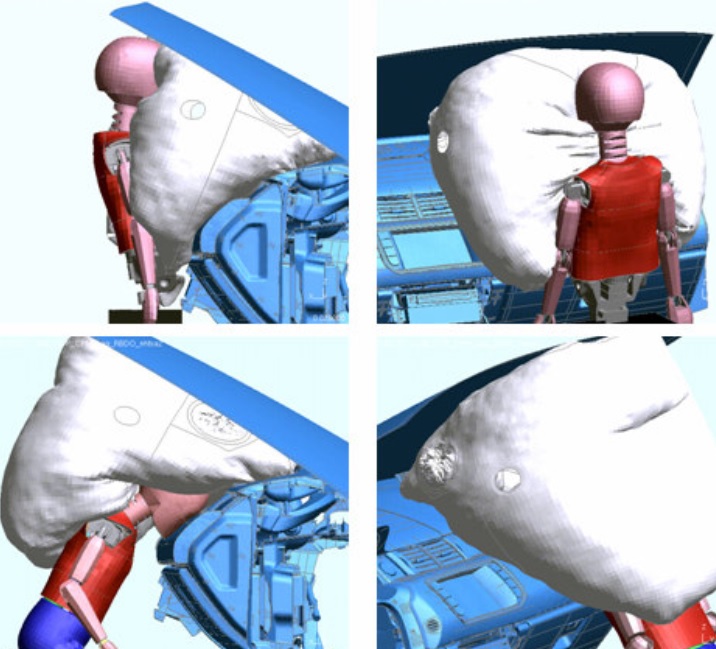 Occupant Restraint Systems
 (ORS) are an essential component of automobile safety. They are designed to keep the occupants of a vehicle safe …
Open capability
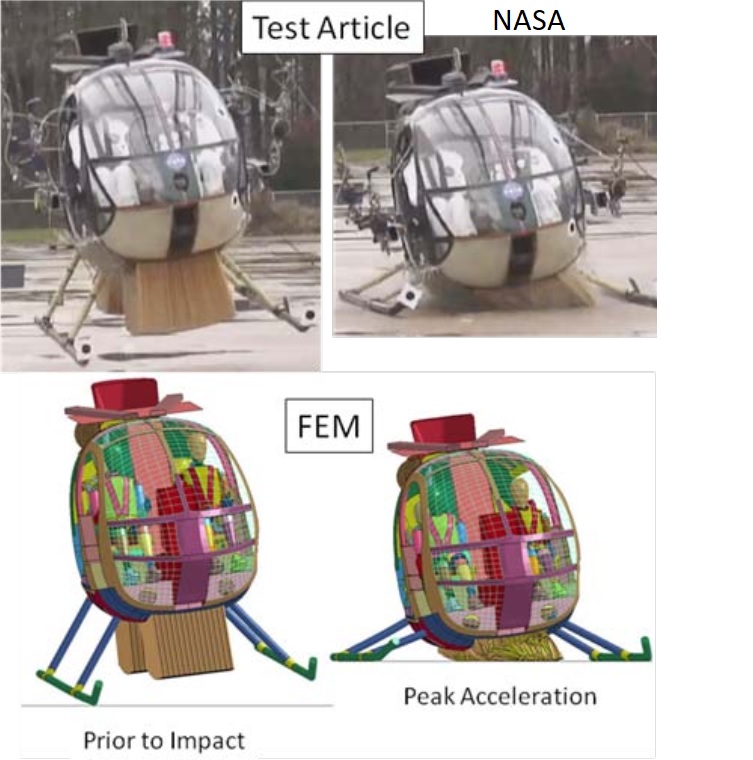
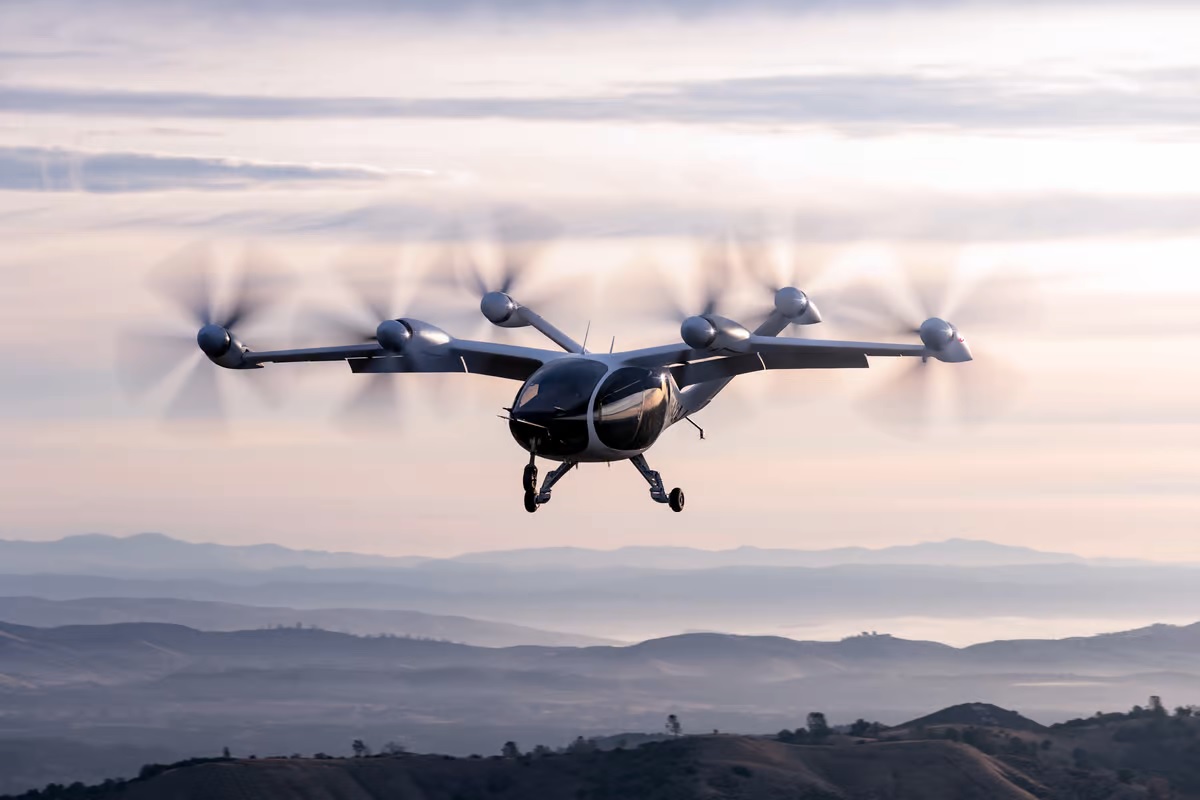 Crashworthiness design of eVTOLs
The crashworthiness design of eVTOLs aircraft is critical to ensure the safety of passengers and crew in the event of a crash …
Open capability
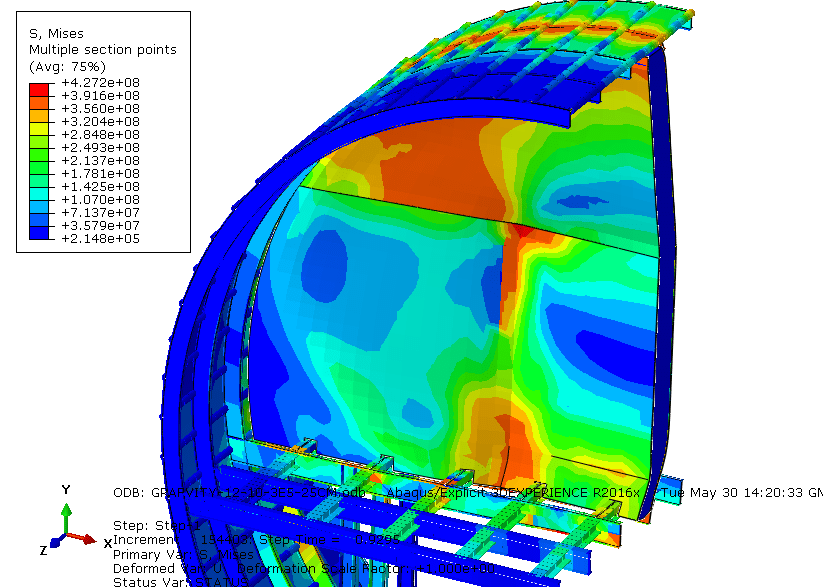 eVTOL Landing Gear and Airframe Crashworthiness
eVTOLs, or electric vertical takeoff and landing aircraft, are a new category of aircraft that are being developed for urban air mobility. …
Open capability
 The main scenarios of crash tests
Key crash test scenarios: ▶ Frontal Impact: In this type of crash test, a car is propelled into a barrier at a …
Open capability
Across Finite Element
Other Simulation Area
Acoustics and Vibration
Acoustics in Aerospace Engineering
Aero-acoustics is becoming increasingly important in the aerospace industry due to the growing concern over the noise generated …
Additive Manufacturing
Directed Energy & Laser Metal Deposition
By using advanced FEA software and high-performance computing (HPC) hardware, it is possible to simulate the thermal and …
Blast, Explosion & Fire
Applications of blast and explosion FEA & CFD simulation in the Chemical, Petrochemical, Oil & Gas industry
Applications of blast and explosion simulation: ▶ Explosion Modeling: Numerical simulation can be used to model the behavior …
Composite Materials
High-rate loading conditions: Impact, Crash, Blast and Explosion
Composite materials can exhibit complex behavior under high-rate loading conditions, including fracture, damage, and delamination. High-rate loading conditions …
Durability & Fatigue Life
Creep & Creep-Fatigue Interactions
To evaluate the durability of components subjected to both mechanical and thermal loads, it is important to consider …
Metal Forming Simulation
Hot Forging
Hot forging is a manufacturing process that involves shaping metals above their recrystallization temperature. During hot forging, the …
Multibody Dynamics
Control Systems
Control systems play a critical role in the performance and safety of many engineering systems, including machinery and …
Thermal Analysis
Heat Exchangers
Heat exchangers are involved in a variety of application areas, such as water treatment, resource refinery, nuclear power, …
Welding Simulation
Finite Element Simulation of Brazing
Brazing is a thermal joining process that uses a melted filler material to connect metal components. The filler …
VTOL, eVTOL & UAM
eVTOLs and UAM Crashworthiness Certification
Occupant safety is integral to the design, development, and operation of urban air mobility (UAM) systems. Emergency landing …
Working on airbag effectiveness in crash test and crashworthiness?
Tell us the geometry, the physics and the decision it has to support.
Talk to an engineer