

Finite Element Crash Test Simulation
The main scenarios of crash tests
Finite Element Simulation of Crash Test and Crashworthiness with LS-Dyna, Abaqus and PAM-CRASH Including Airbag & Seat Belt Effectiveness, Electric Vehicles (EV), Trucks, Bus and eVTOL
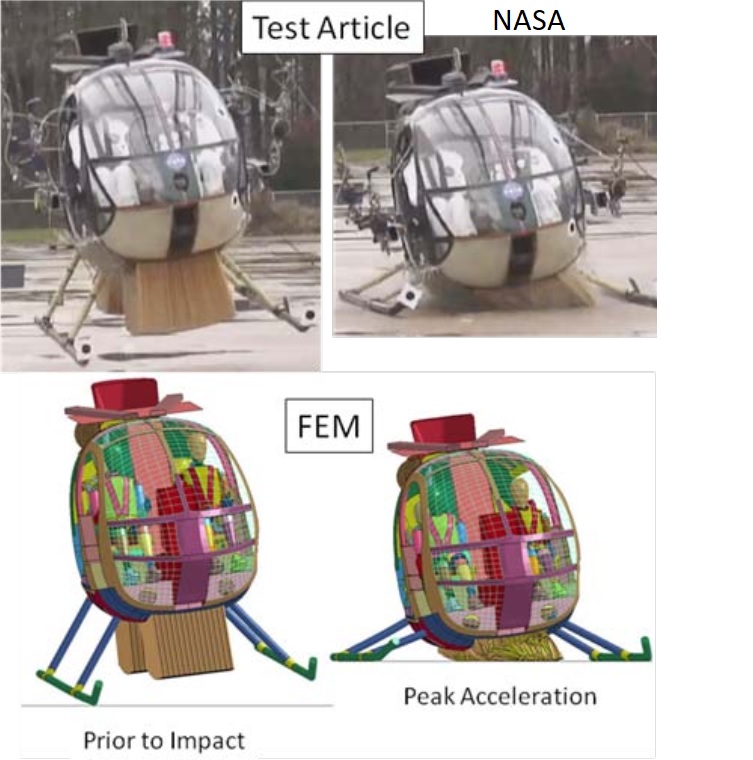
Key crash test scenarios:
- Frontal Impact: In this type of crash test, a car is propelled into a barrier at a specified speed to assess how well it can protect occupants in the event of a head-on collision. The test measures the deceleration of the car and the impact on the driver and passenger dummies.
- Side Impact: In this test, a car is hit from the side by a moving barrier to evaluate how well it protects occupants in the event of a T-bone collision. The test measures the impact on the driver and passenger dummies and assesses the car's ability to maintain its structural integrity.
- Pole Impact: In this test, a car is propelled sideways into a rigid pole to assess its protection against side collisions with narrow objects such as trees and poles.
- Rear Impact: This test evaluates a car's ability to protect its occupants in a rear-end collision. The test measures the whiplash effect on the driver and passenger dummies.
- Pedestrian Safety: This test assesses a car's ability to protect pedestrians in the event of a collision. The test measures the impact on a pedestrian dummy's head, legs, and other body parts when struck by the front of a car.
- Child Safety: This test evaluates the protection provided by car seats for children of different ages in various collision scenarios.
- Roof Crush Resistance Test: The roof crush resistance test evaluates the ability of a vehicle's roof structure to withstand a rollover crash. The test involves applying a force to the vehicle's roof until it crushes by 5 inches.
- Rollover: Rollover tests are designed to evaluate the safety of a vehicle during a rollover accident. The test simulates a vehicle rolling over at a set speed. The results are used to determine the amount of force that is transferred to the occupants of the vehicle.
The wider discipline
Crash Test Simulation
Here at OLTRION, we use finite element simulation (FEA) for crash test and crashworthiness because it allows us to predict the behavior of the car structure and occupants during a crash without the need for physical testing. FEA enables our engineers to create a computer model of the vehicle and simulate the crash scenario using various materials and structural designs.
By using advanced Finite element solvers such as Ansys LS-Dyna, ESI Pam-Crash and Simulia Abaqus, we can assess the structural integrity and crashworthiness of the vehicle's components, such as the …
By using advanced Finite element solvers such as Ansys LS-Dyna, ESI Pam-Crash and Simulia Abaqus, we can assess the structural integrity and crashworthiness of the vehicle's components, such as the …
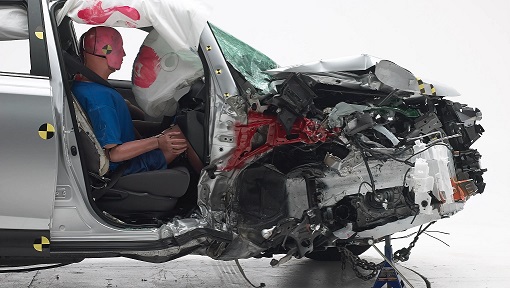
More in Crash Test Simulation
View the section →
Capabilities that sit beside this one
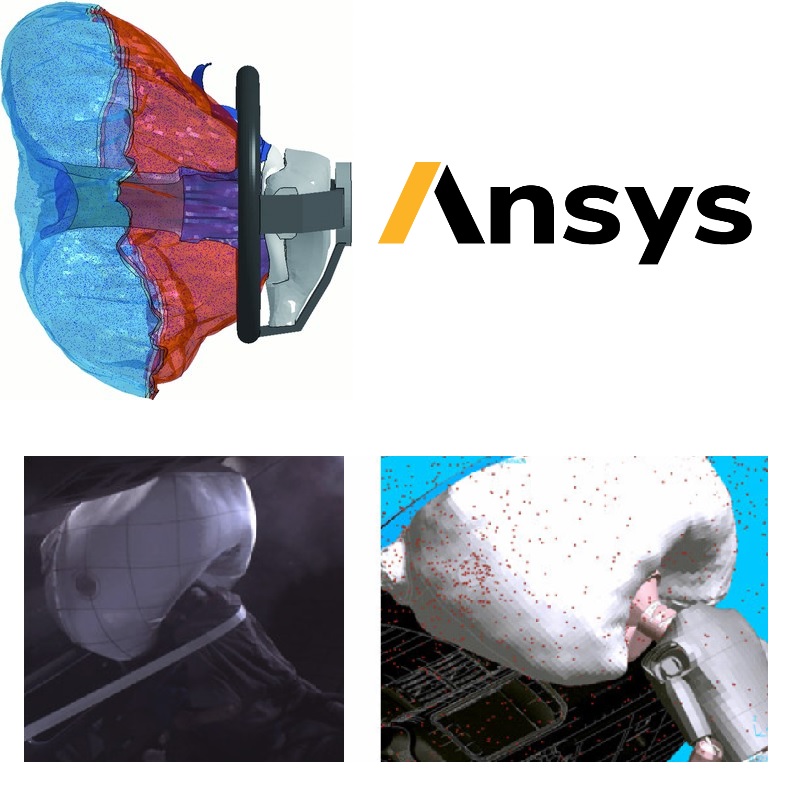 Airbag Effectiveness in Crash Test and crashworthiness
Airbags are an important safety feature in automobiles that can help reduce the risk of injury or death in a crash. They …
Open capability
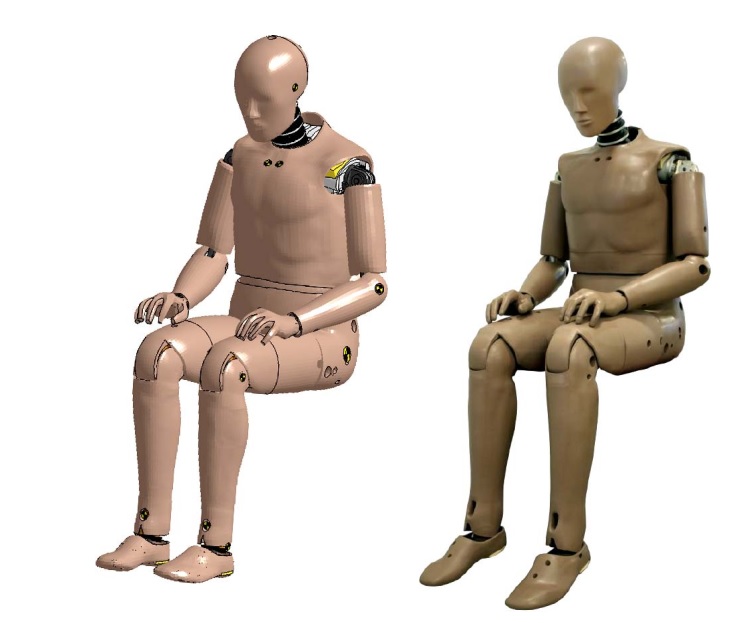 Dummies for crash Test Simulation
Dummies, also known as anthropomorphic test devices (ATDs), are essential tools for conducting crash test Finite Element simulations to evaluate the safety …
Open capability
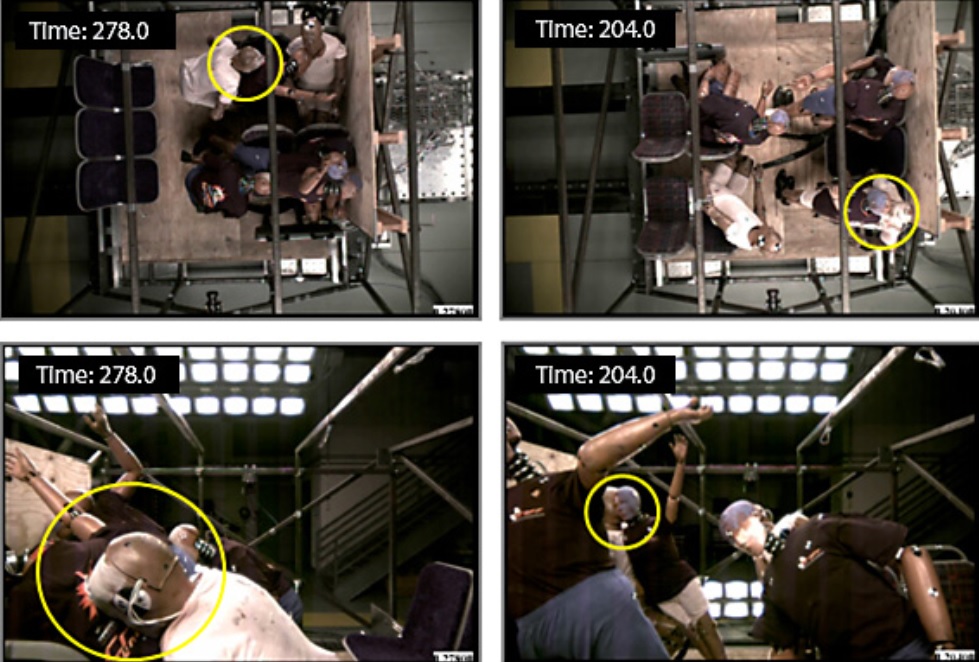 School Bus Crashworthiness
School buses are unique vehicles designed to carry children, and they require special safety features to ensure that passengers are protected in …
Open capability
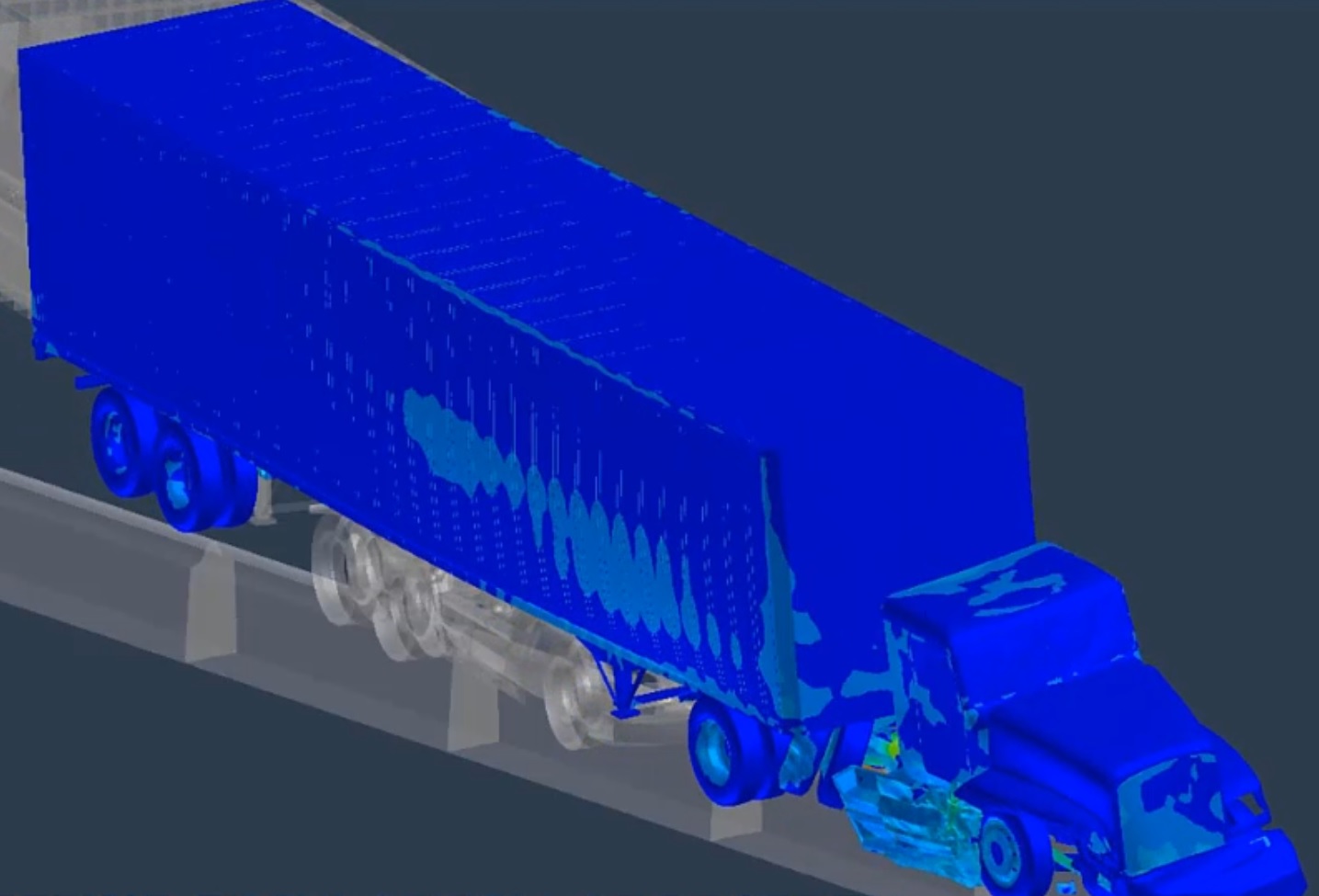 Small Overlap - Oblique Crash Test FEA Simulation
The small overlap or oblique crash test is a type of crash test that is designed to simulate a vehicle hitting a …
Open capability
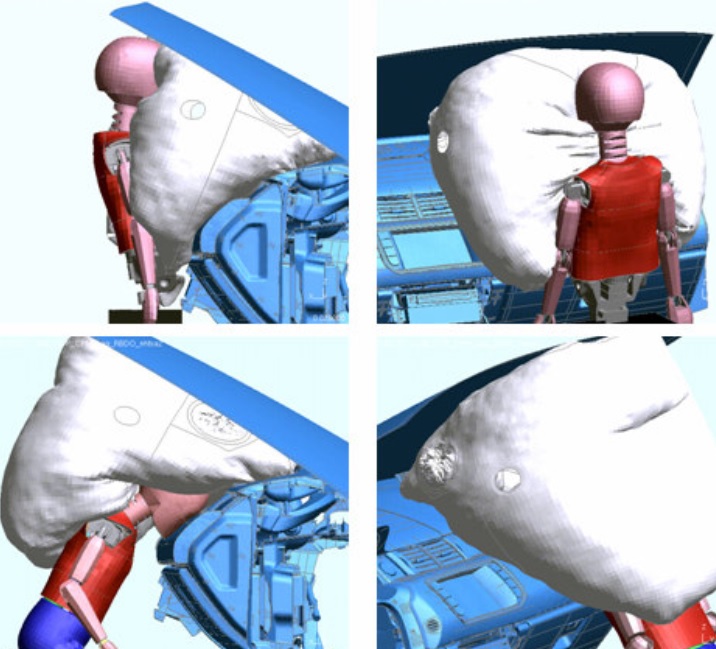 Occupant Restraint Systems
 (ORS) are an essential component of automobile safety. They are designed to keep the occupants of a vehicle safe …
Open capability
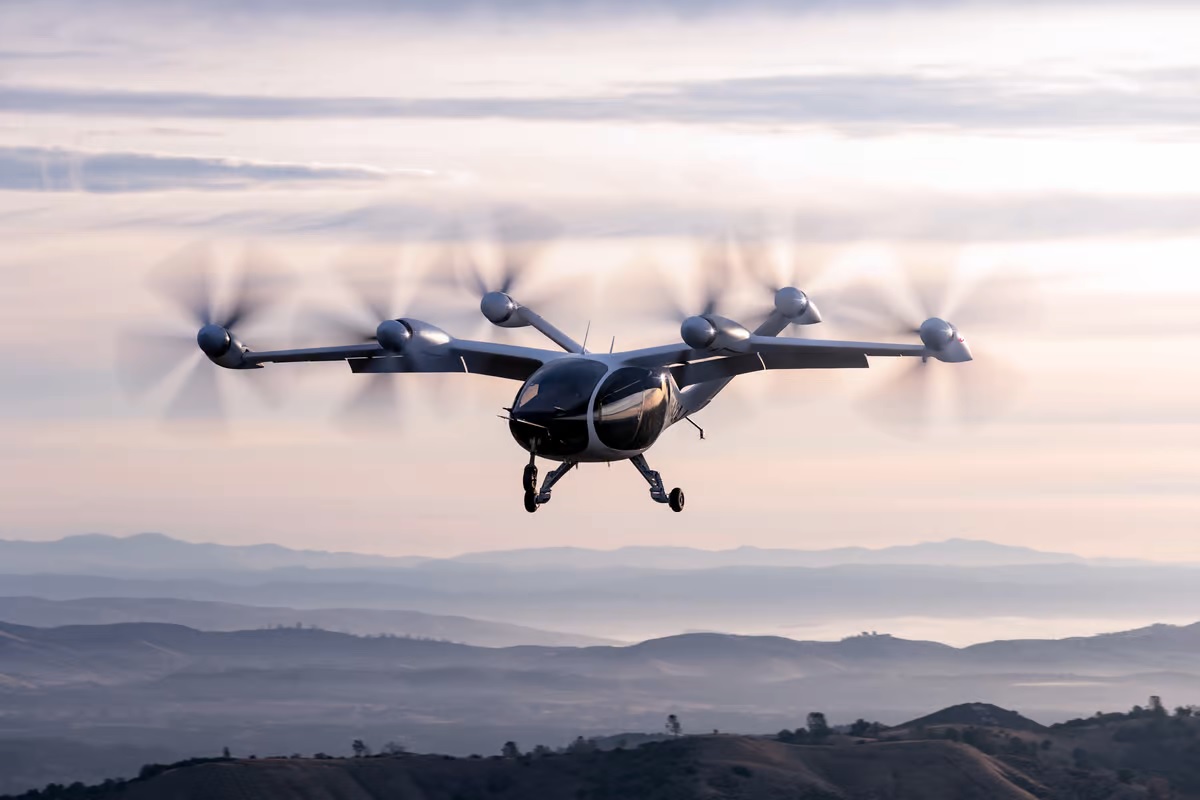 Crashworthiness design of eVTOLs
The crashworthiness design of eVTOLs aircraft is critical to ensure the safety of passengers and crew in the event of a crash …
Open capability
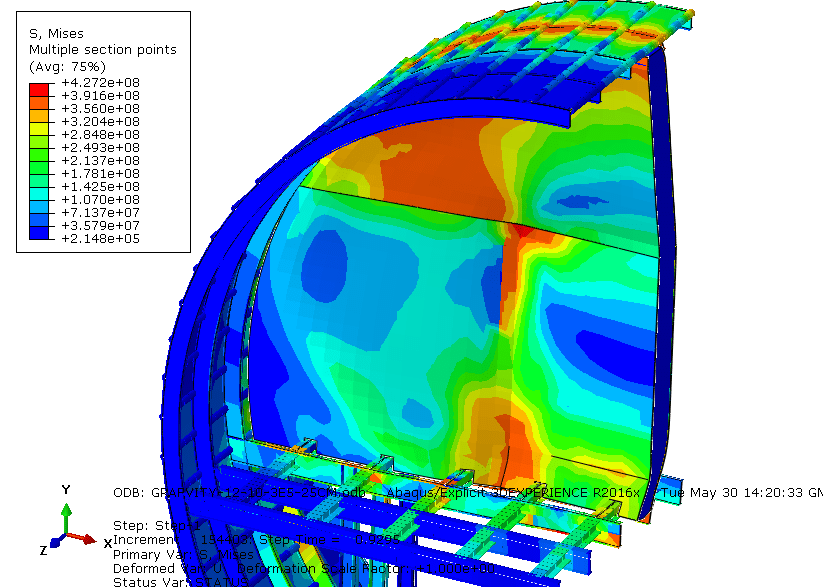 eVTOL Landing Gear and Airframe Crashworthiness
eVTOLs, or electric vertical takeoff and landing aircraft, are a new category of aircraft that are being developed for urban air mobility. …
Open capability
Across Finite Element
Other Simulation Area
Acoustics and Vibration
NVH ( Noise, Vibration, and Harshness ) simulation services
Advanced NVH experimental and virtual tools are prerequisites for cost and time effective development minimizing pre-production troubleshooting effort …
Additive Manufacturing
Generative Design & Lattice Structures: Topology, Shape and Bead Optimization
Generative Design is an innovative approach to product design that leverages topology optimization, artificial intelligence, and advanced simulation …
Blast, Explosion & Fire
Design procedures for Blast and Explosion FEA & CFD analysis
Designing structures to withstand blast and explosion loads requires a rigorous and systematic approach. Key steps in the …
Composite Materials
Composite modeling approach in numerical computation
Key composite modeling approaches: ▶ Cohesive zone models (CZMs): CZMs are commonly used to model the initiation and …
Durability & Fatigue Life
Composites Fatigue Simulation
The Composite Analysis allows us to evaluate the strength of a structure against industry standard composite failure criteria. …
Metal Forming Simulation
Cold Forming
Regarding cold forming, it is true that it is restricted to easily formable materials, or materials that can …
Multibody Dynamics
Complicated Machinery & Mechanical Drive Systems
MBD simulation, or multi-body dynamics simulation, is a powerful tool used by engineers to simulate and analyze the …
Thermal Analysis
Electronic Systems Cooling & Heating
In the design phase of electronic devices, CFD and FEA based heat transfer software can be used to …
Welding Simulation
Arc Welding
Arc welding processes, such as SMAW, GMAW (MIG), GTAW (TIG), SAW, and others, are widely used in various …
VTOL, eVTOL & UAM
Vibroacoustics Performance Assessment
A true VTOL system design has complex challenges, particularly designing for a high thrust for hover while also …
Working on the main scenarios of crash tests?
Tell us the geometry, the physics and the decision it has to support.
Talk to an engineer