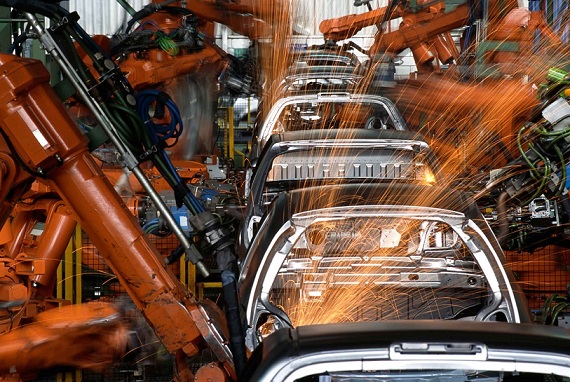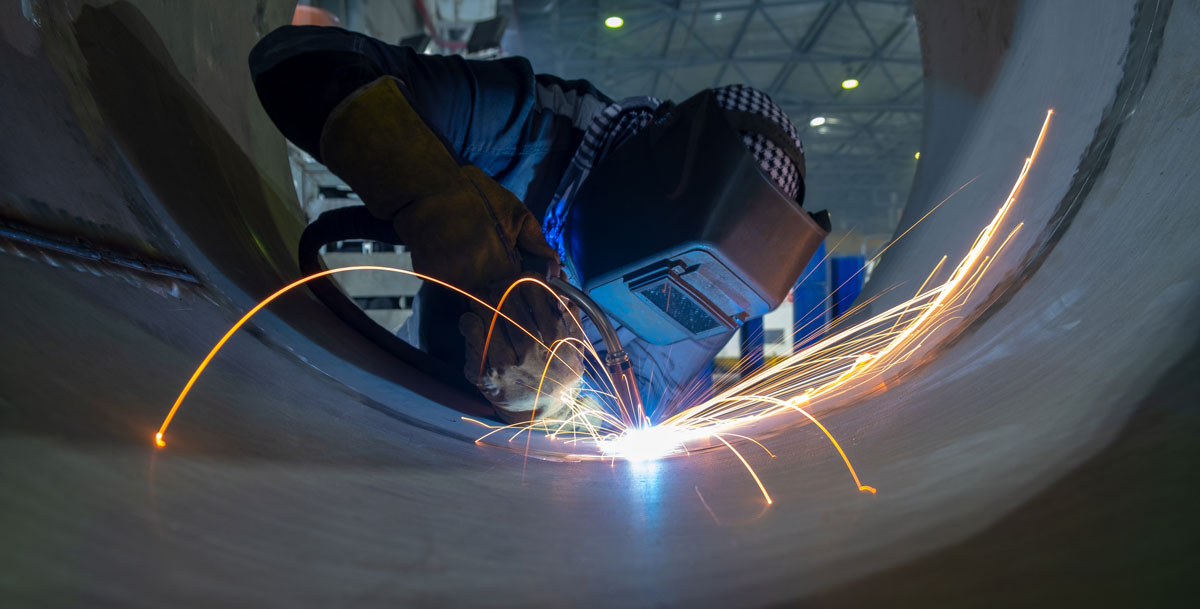
Arc welding processes, such as SMAW, GMAW (MIG), GTAW (TIG), SAW, and others, are widely used in various industries due to their flexibility, high productivity, and relatively low equipment costs. These processes involve the use of an electric arc that melts and fuses the workpiece materials, creating a strong joint. SMAW (Shielded Metal Arc Welding), also known as stick welding, …
Read the full brief →
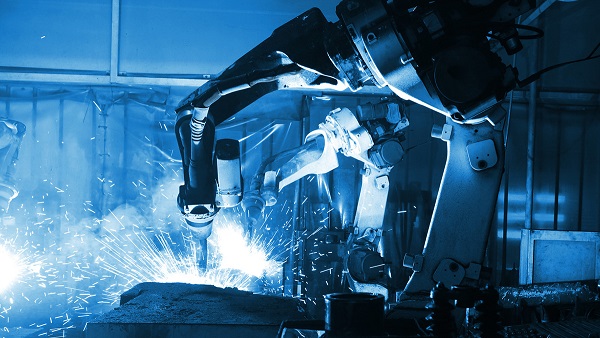
Brazing is a thermal joining process that uses a melted filler material to connect metal components. The filler material typically has a lower melting point than the components being joined, and it is used to fill the gap between the two components. Brazing is often used in applications where a strong, durable joint is required, such as in the aerospace, …
Read the full brief →
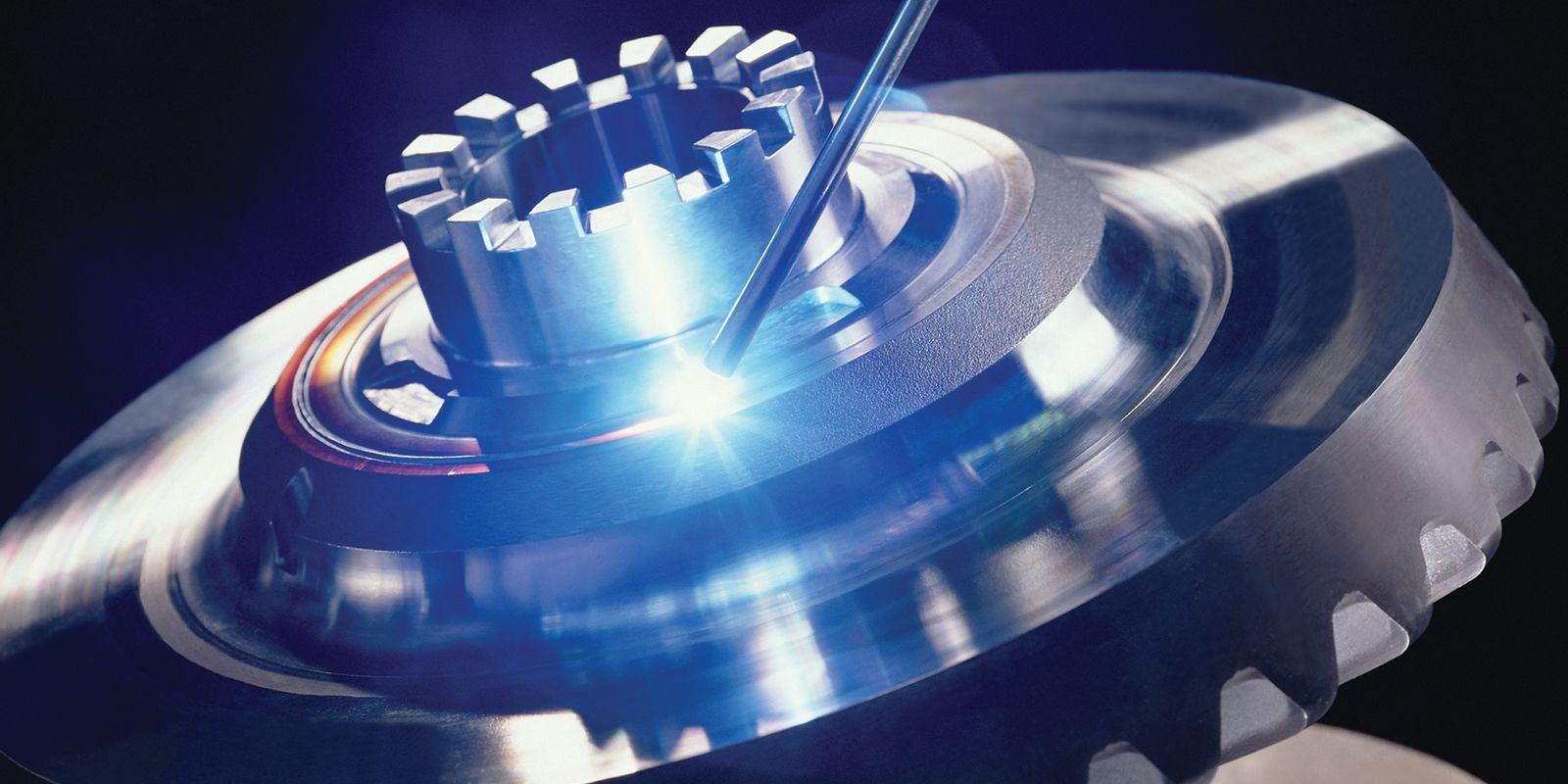
Laser beam welding is a process that uses a high-energy laser beam to heat and weld metal components together. The laser beam is directed at the joint between the components, melting the metal and creating a strong, precise bond. One of the advantages of laser beam welding is its relatively narrow heat-affected zone, which helps minimize distortion and damage to …
Read the full brief →
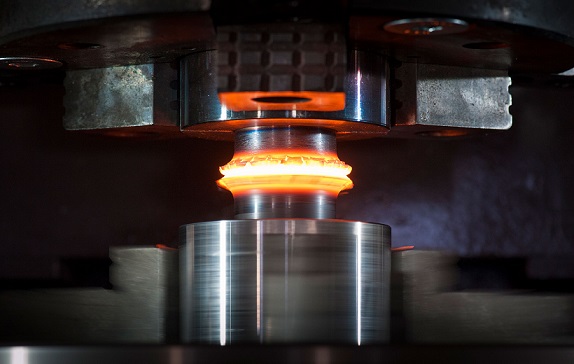
Pressure welding is a group of joining processes that use heat and pressure to join components together. These processes can be categorized into two main groups: resistance welding and friction welding. Resistance welding involves passing an electrical current through the components being joined, which generates heat at the interface and melts the materials together. The two most common types of …
Read the full brief →
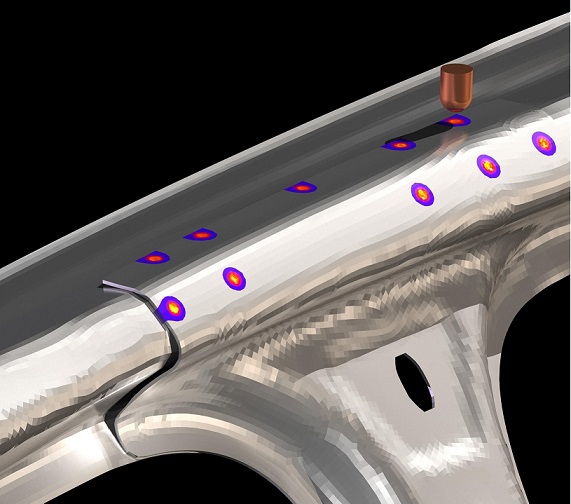
Resistance Spot Welding (RSW) is a pressure welding process used to join two metal sheets together. In RSW, copper electrode welding guns are used to press the sheets together, while an electrical current is passed through them. The heat generated by the electrical current melts the sheets together, creating a small circular welded area between them. The RSW process is …
Read the full brief →
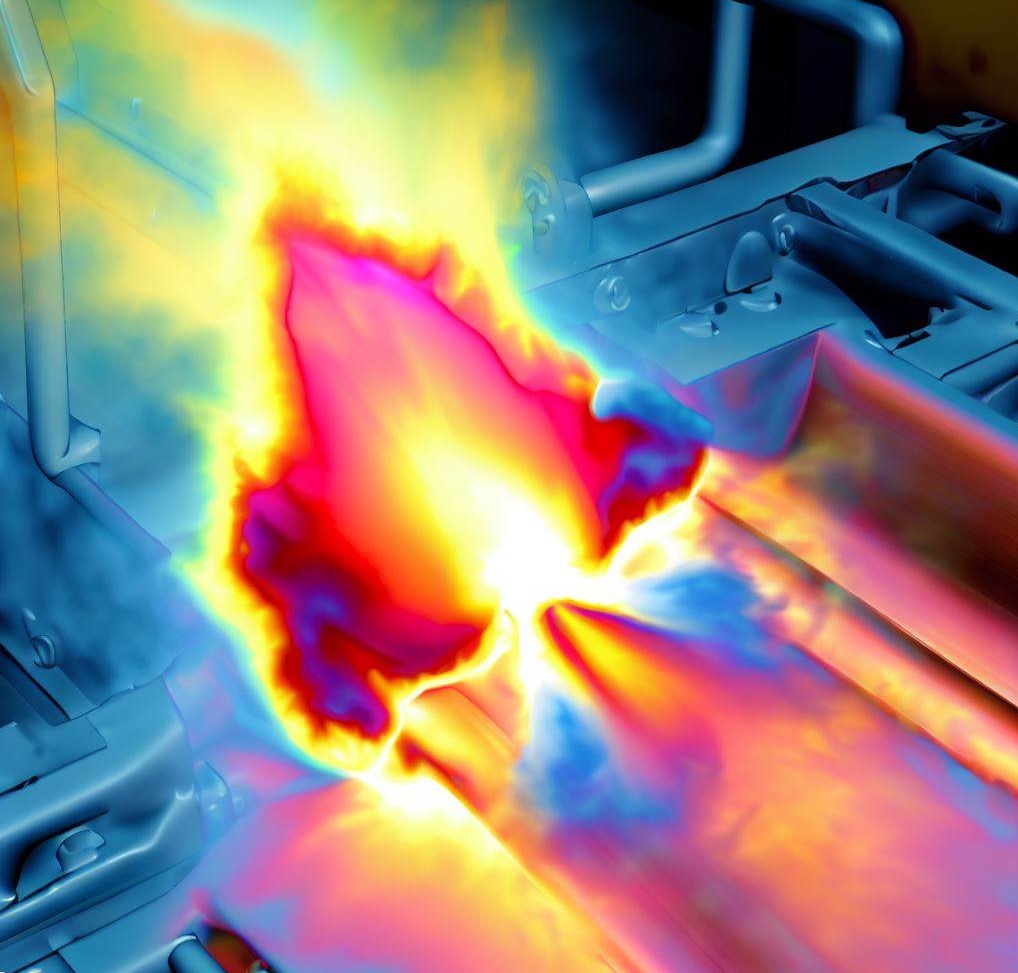
Stress relieving is a heat treatment process that is commonly used after welding to reduce residual stresses in the assembly. The process involves heating the metal to a specific temperature and holding it there for a certain amount of time, followed by controlled cooling. The Stress Relief Heat Treatment process includes the definition of time-temperature curves for the heating, holding, …
Read the full brief →