

Industries Aerospace & Defense
CFD Simulations for Drone Design and Analysis
Advanced Multiphysics Simulation: AI-Integrated CFD & FEA for Aerospace & Defense
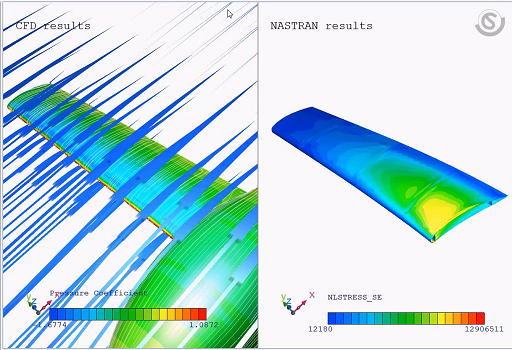
CFD simulations are an essential tool in the design and analysis of drones in the Aerospace and Defense industry. CFD simulations can be used to optimize the aerodynamic performance of drones and reduce drag, leading to improved efficiency and longer flight times.
In drone aerodynamic simulations, CFD models are used to analyze the airflow around the drone and its components, including the wings, propellers, and body. These simulations can provide detailed information on the flow field, including velocity, pressure, and turbulence, allowing our engineers to identify areas of high drag and inefficiency.
By using CFD simulations to optimize the aerodynamic design of drones, engineers can improve the overall performance of the drone. This can include reducing drag, increasing lift, and improving stability and control. In addition, CFD simulations can help to optimize the placement of components such as sensors and batteries, reducing interference with the airflow and improving the overall efficiency of the system.
CFD simulations can also be used to study the effects of environmental factors on drone performance, such as wind and atmospheric conditions. This can help to identify potential safety issues and improve the reliability and performance of the drone.
Aerospace & Defense
In the Aerospace and Defense industry, CFD is used to analyze the aerodynamics of aircraft, missiles, and rockets, as well as the thermal behavior of engine components. CFD helps engineers optimize the design of the airframe, wings, and propulsion system to …
Capabilities that sit beside this one
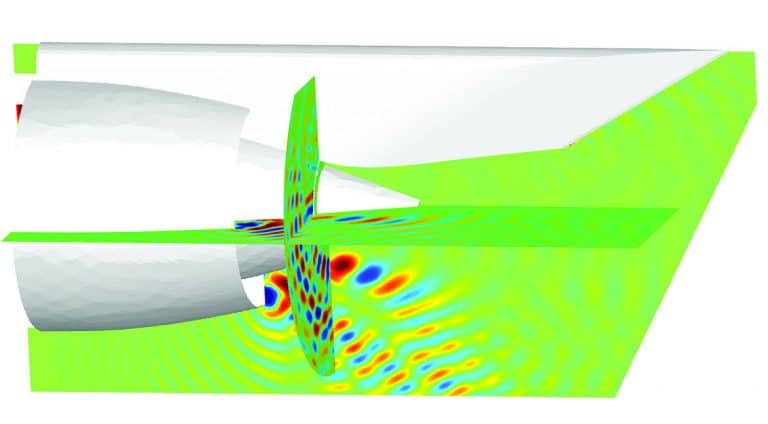 Engine Simulation in Aerospace industry
The design and analysis of aircraft engines is a critical area of focus in the Aerospace and Defense industry, as engines play …
Open capability
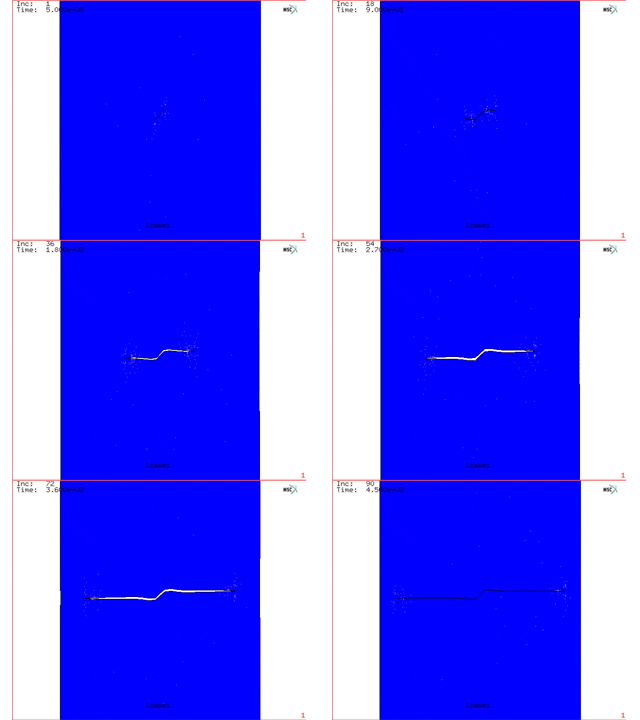 Fracture Simulation
 in Aerospace and Defense Fracture simulation is an important area of focus in the Aerospace and Defense industry, as it …
Open capability
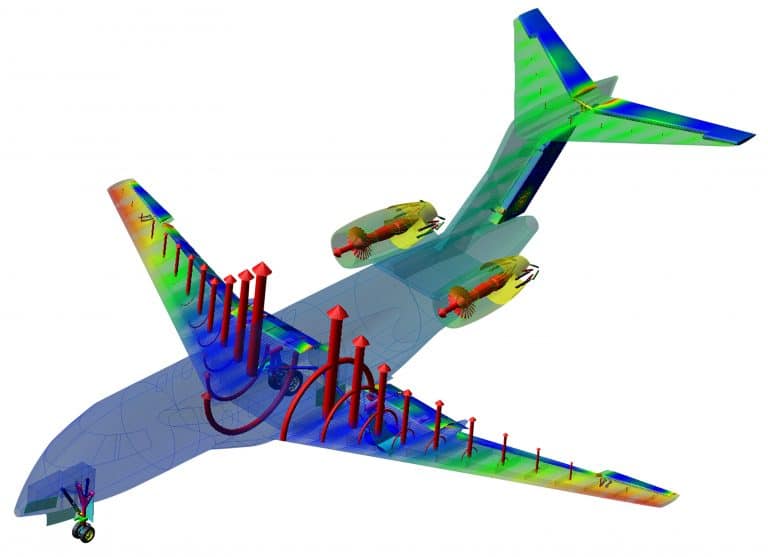 Structural Dynamics
The dynamic response of structures can be affected by a range of factors, including fluid-structure interactions, vibrations, and impact loads. Computational fluid …
Open capability
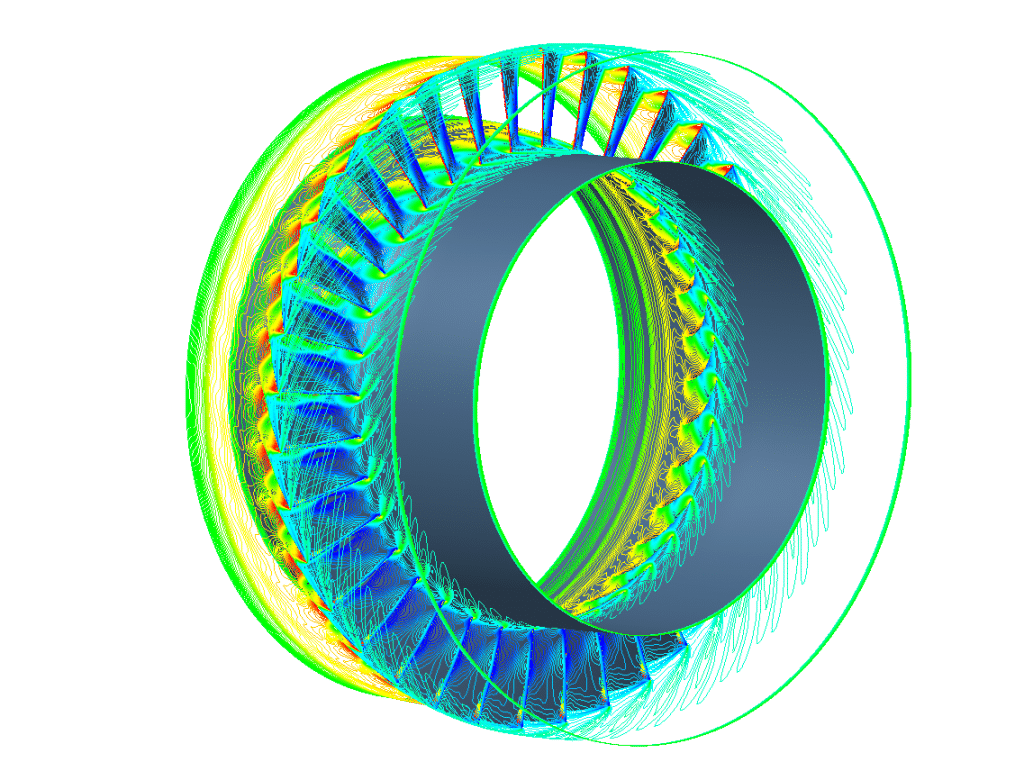 Turbomachinery
The combination of CFD and finite element simulations allows engineers to study the fluid-structure interactions in turbomachinery components, taking into account factors …
Open capability
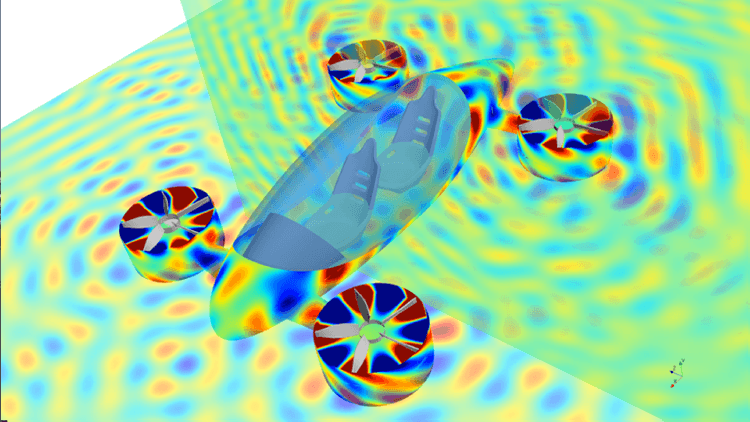 VTOL, e-VTOL and UAM - Urban Air Mobility
Finite Element & CFD based-Design Optimization is a key aspect in the development of Vertical Take-Off and Landing (VTOL), Electric Vertical Take-Off …
Open capability
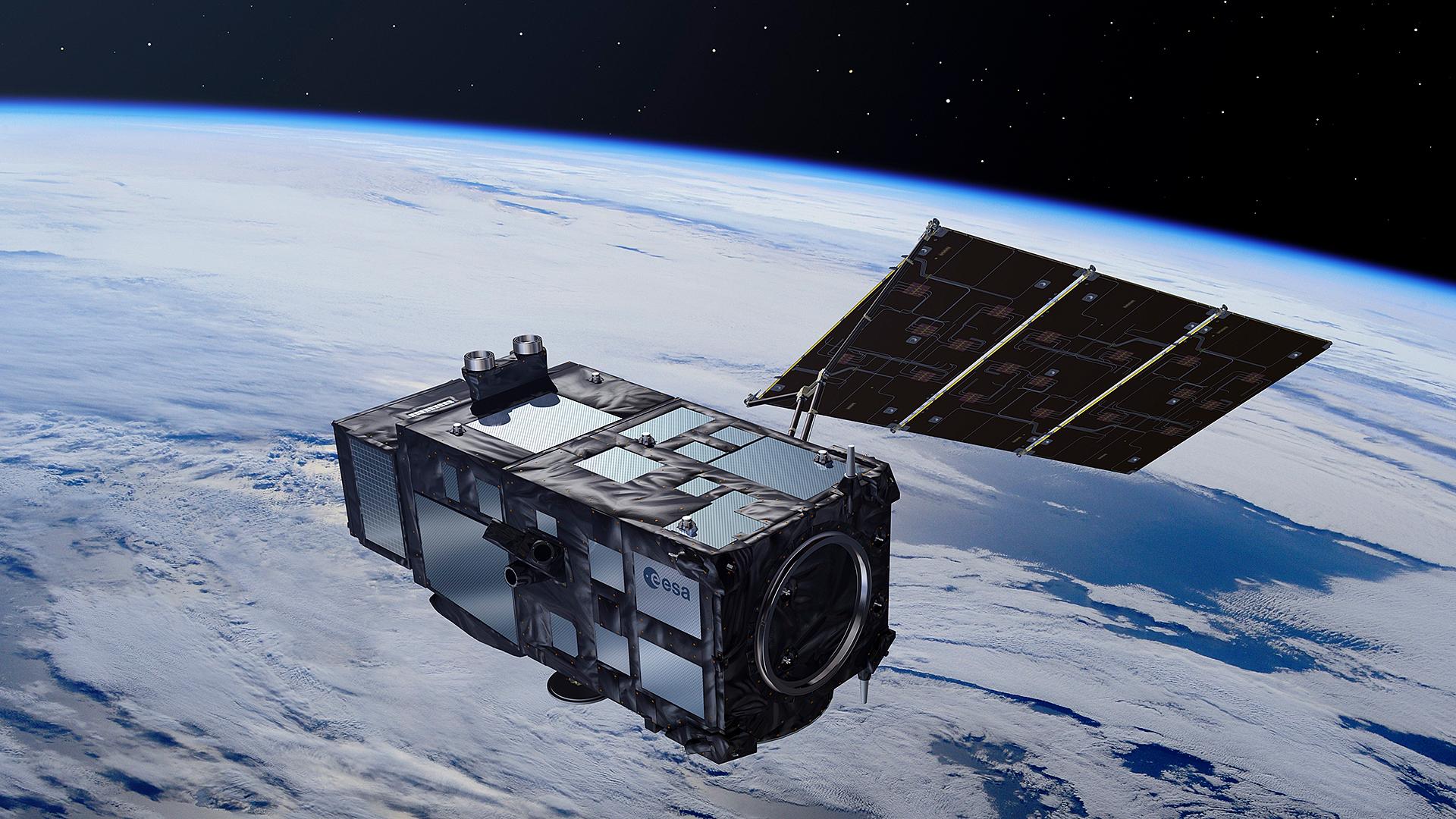 Model-based spacecraft safety and mission assurance
 is a systematic approach to ensuring the safety and reliability of a spacecraft mission using modeling …
Open capability
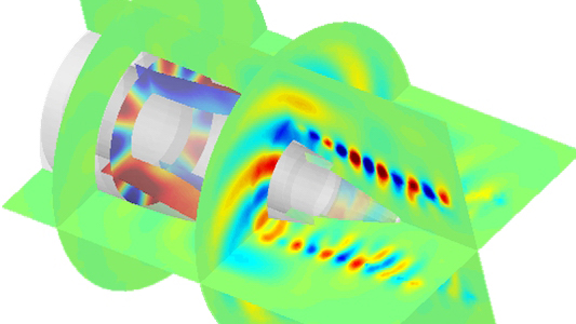 AeroAcoustics and VibroAcoustics
FEA and CFD simulations can be used in Aeroacoustics and Vibroacoustics to analyze the noise and vibration characteristics of aircraft and aerospace …
Open capability
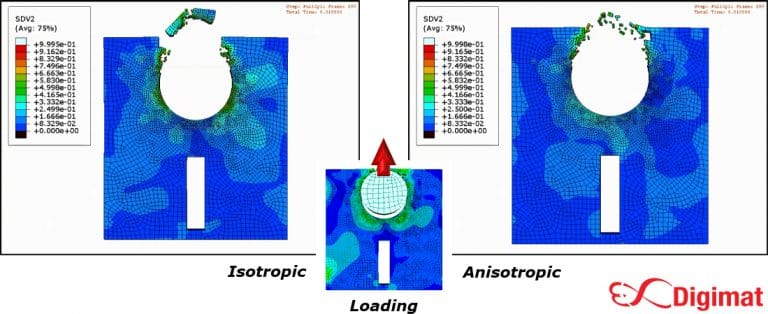 Composites Design
Composite materials are widely used in the Aerospace and Defense industry for their high strength-to-weight ratio, durability, and resistance to fatigue and …
Open capability
Other Simulation Area
Working on cfd simulations for drone design and analysis?
Tell us the geometry, the physics and the decision it has to support.
Talk to an engineer