

Artificial Intelligence Integrated AI & Machine Learning with CFD & FEA Simulation
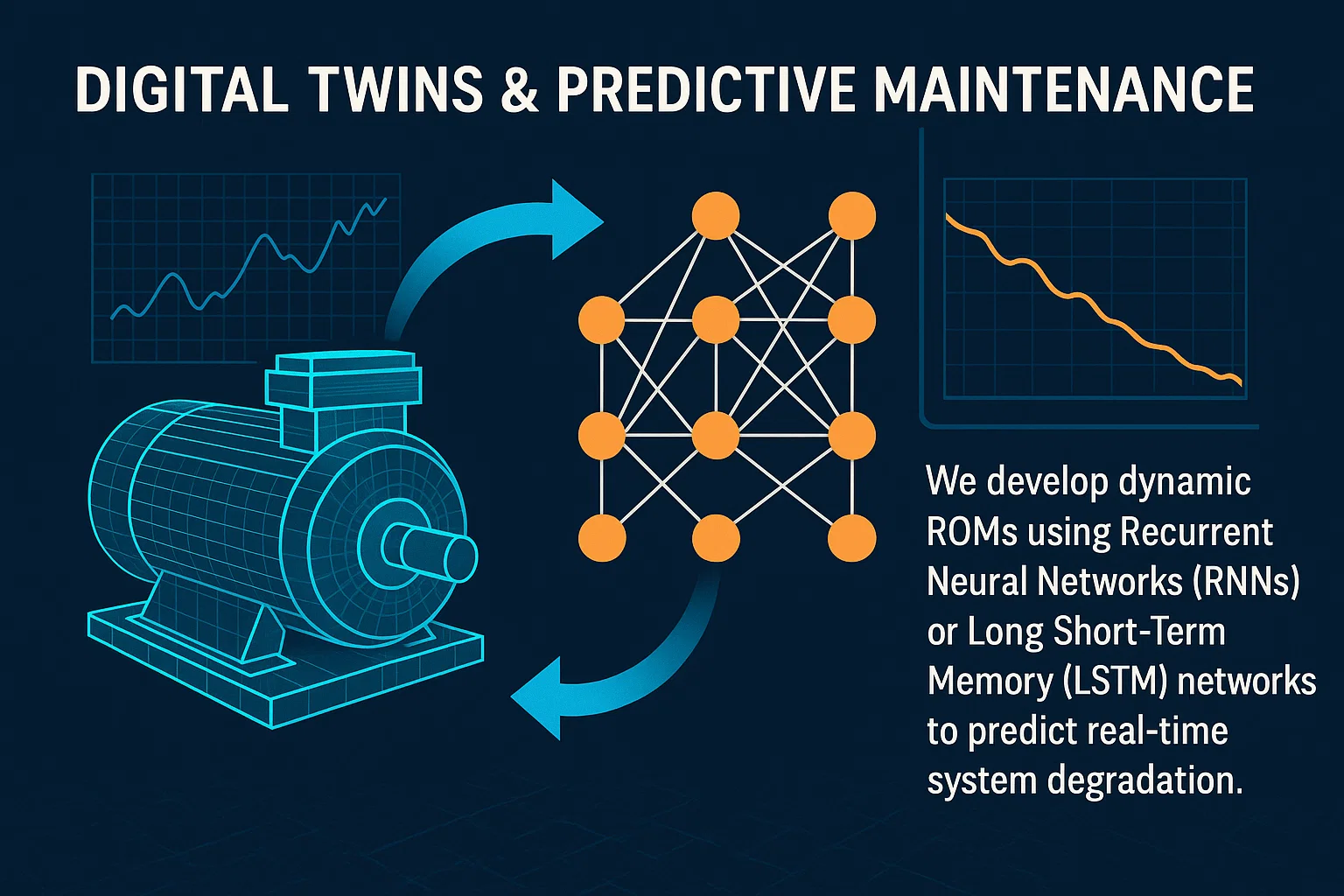
Digital Twins & Predictive Maintenance
Physics-Informed Neural Networks (PINN / PIML) & Surrogate Modeling / Reduced-Order Models (ROMs) for CFD & FEA
-
We develop dynamic ROMs using Recurrent Neural Networks (RNNs) or Long Short-Term Memory (LSTM) networks to predict real-time system degradation.
-
Dynamic ROMs:
- ▸ Trained on transient FEA/CFD data to capture system evolution over time
- ▸ Incorporate temporal patterns via RNN/LSTM architectures for sequential prediction
-
▸
Applications:
- FEA: Predictive maintenance for rotating machinery (bearing wear, gear tooth fatigue)
- CFD: Real-time monitoring of flow-induced vibrations in pipelines and offshore structures
-
Dynamic ROMs:
Key Value: Enables condition-based maintenance strategies - reducing downtime by 30-50% through accurate remaining useful life predictions for critical components.
The wider discipline
Integrated AI & Machine Learning with CFD & FEA Simulation
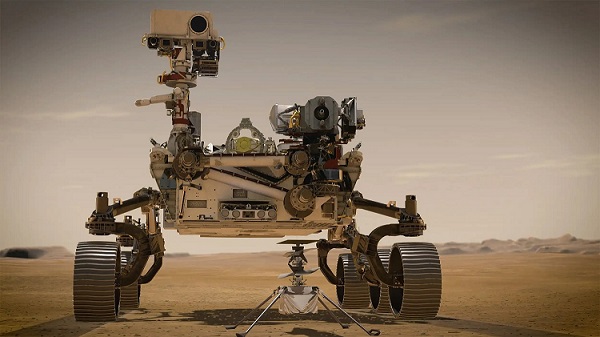
The AI/ML-enhanced CFD/FEA framework accelerates simulations 5-10x faster while maintaining <1% error margins. It integrates multi-objective Bayesian optimization for 15-30% weight reductions and GANs for compliant topology designs. Data-driven modeling employs Physics-Informed Neural Operators (PINO) and enables real-time flow/stress predictions, outperforming traditional solvers by 90% in speed.
Reinforcement Learning-driven adaptive meshing reduces cell counts by 40-60% without compromising resolution. Anomaly detection uses GNNs to flag non-physical results and mesh artifacts. Uncertainty quantification leverages stochastic networks with Monte Carlo dropout for probabilistic outputs, predicting confidence intervals for critical parameters. These tools …
Reinforcement Learning-driven adaptive meshing reduces cell counts by 40-60% without compromising resolution. Anomaly detection uses GNNs to flag non-physical results and mesh artifacts. Uncertainty quantification leverages stochastic networks with Monte Carlo dropout for probabilistic outputs, predicting confidence intervals for critical parameters. These tools …
More in Integrated AI & Machine Learning with CFD & FEA Simulation
View the section →
Capabilities that sit beside this one
 Validation & Benchmarking
We validate ML predictions against experimental data and benchmark results to ensure accuracy and reliability. Residual Learning: ▸ ML models trained on …
Open capability
 Why Engineers Trust Us
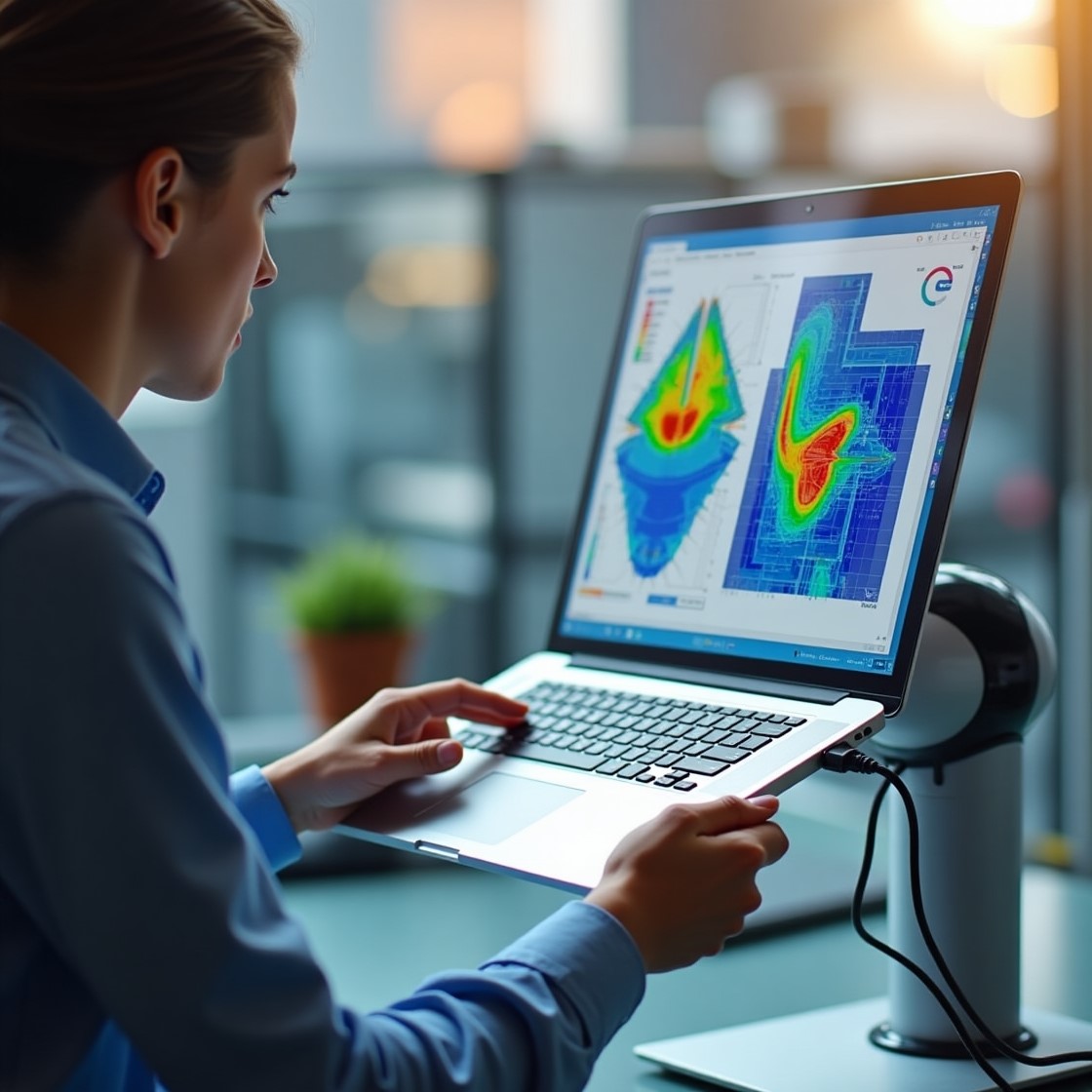
• Rigorous ML Architectures: Prioritize interpretability via attention mechanisms, explainable AI (XAI), and embedded conservation laws. • HPC Scalability: Deploy distributed training …
Open capability
 Artificial Intelligence & Machine Learning-Enhanced FEA
Our AI/ML-integrated FEA services leverage machine learning to optimize structural simulations, automate design modifications, and predict stress/strain with high fidelity—reducing solve times …
Open capability
 Artificial Intelligence & Machine Learning-Enhanced CFD
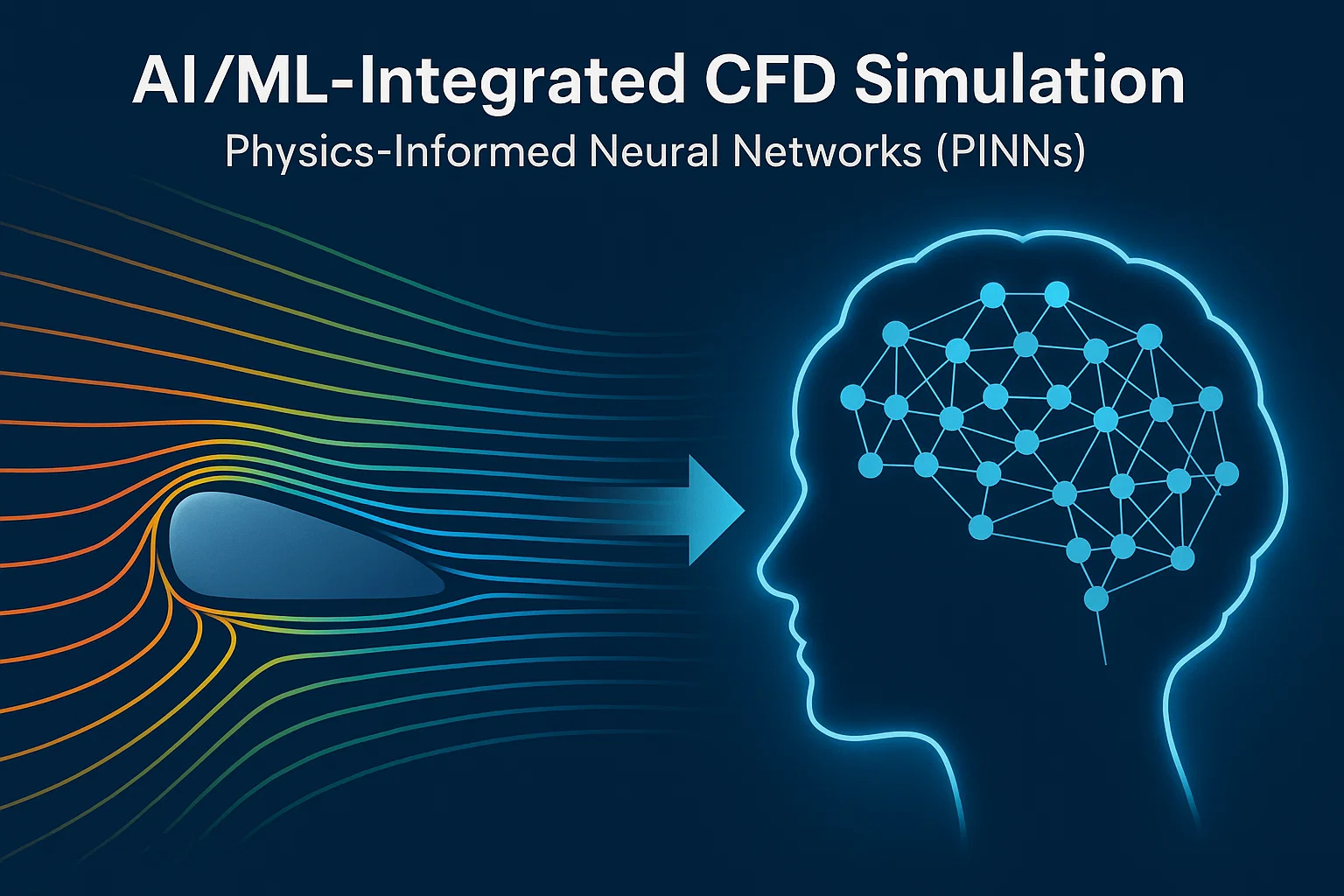
Our AI/ML-integrated CFD services accelerate fluid flow and heat transfer analysis by 8-12x while maintaining >99% correlation with high-fidelity simulations, enabling faster …
Open capability
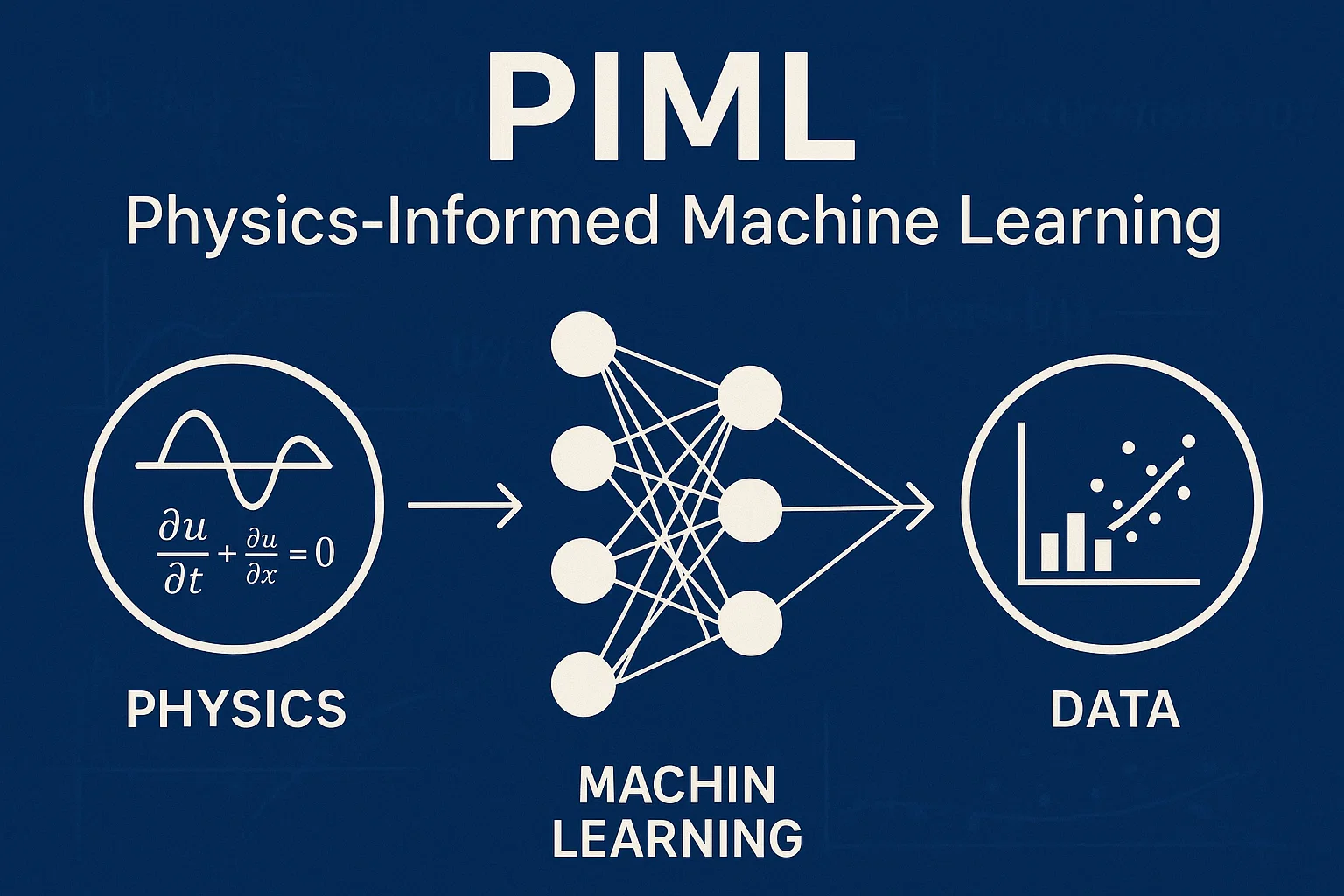 Physics-Informed Machine Learning (PIML)
We hardwire fundamental physics into AI/ML models through governing PDEs, achieving <2% deviation from experimental benchmarks while accelerating simulations 10-50x compared to …
Open capability
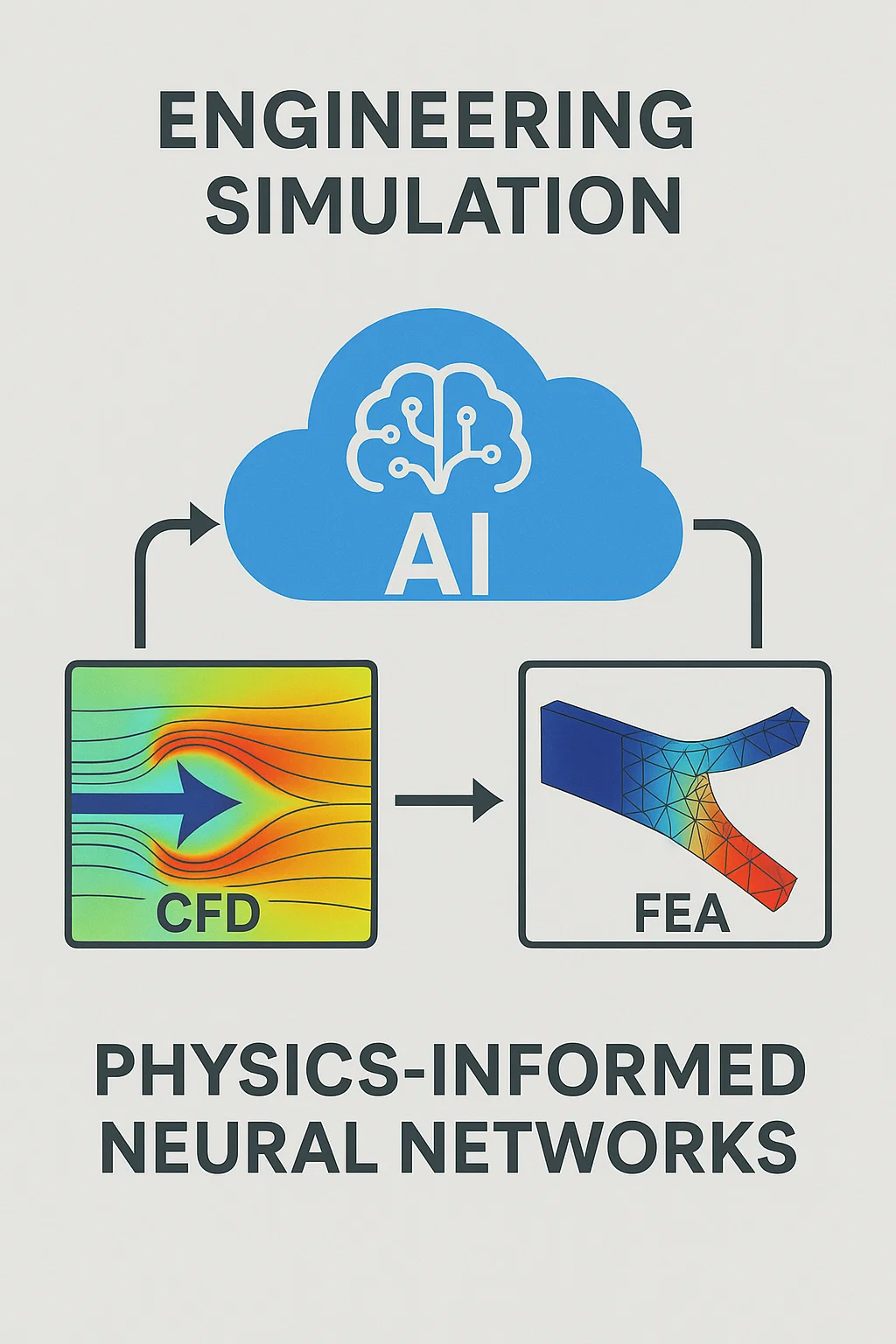 Hybrid Physics-AI Modeling
Physics-Informed Neural Networks (PINNs): ▸ Embed governing Partial Differential Equations (PDEs) as loss functions during ML training ▸ Ensures predictions respect physical …
Open capability
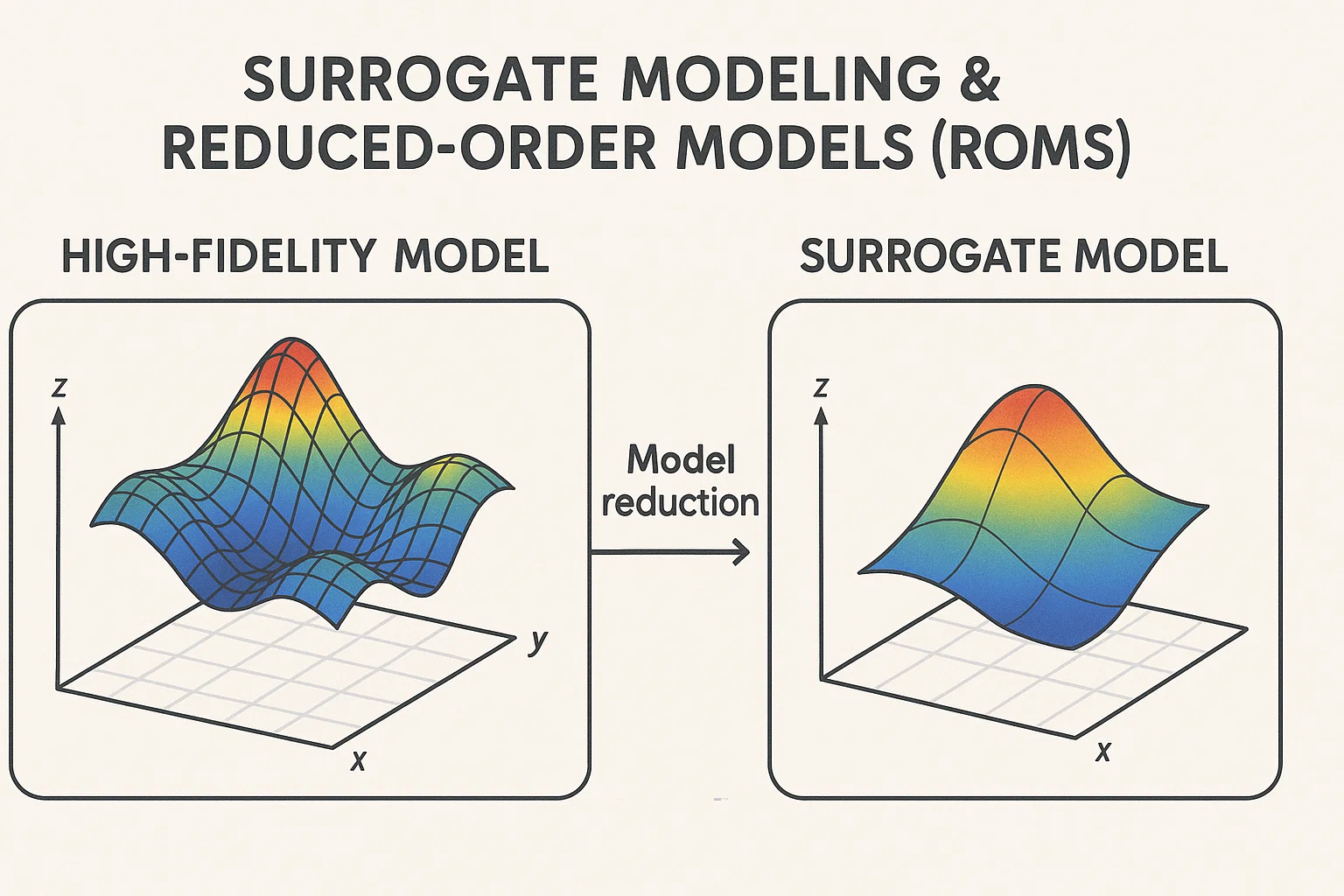 Surrogate Modeling & Reduced-Order Models (ROMs)
We leverage Reduced-Order Models (ROMs) and Multi-Fidelity Fusion to simplify high-fidelity FEA/CFD simulations, enabling real-time predictions and design exploration. Reduced-Order Models (ROMs): …
Open capability
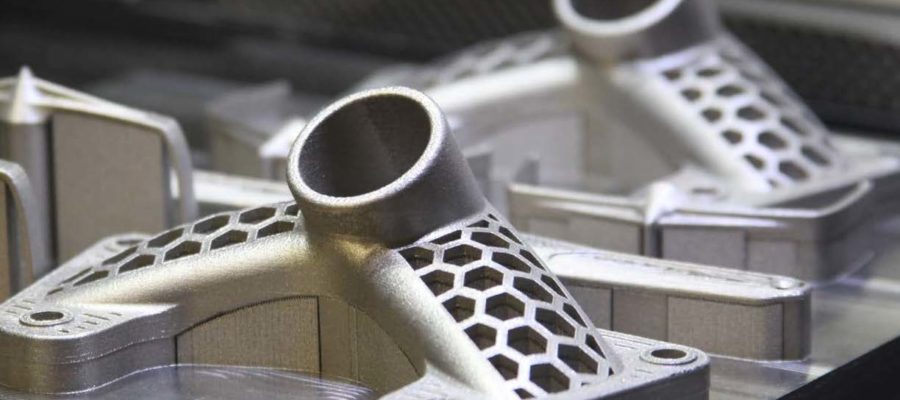 Generative Design & Optimization
We use Generative Adversarial Networks (GANs), Variational Autoencoders (VAEs), and Bayesian Optimization to optimize designs and explore parameter spaces efficiently. Topology Optimization: …
Open capability
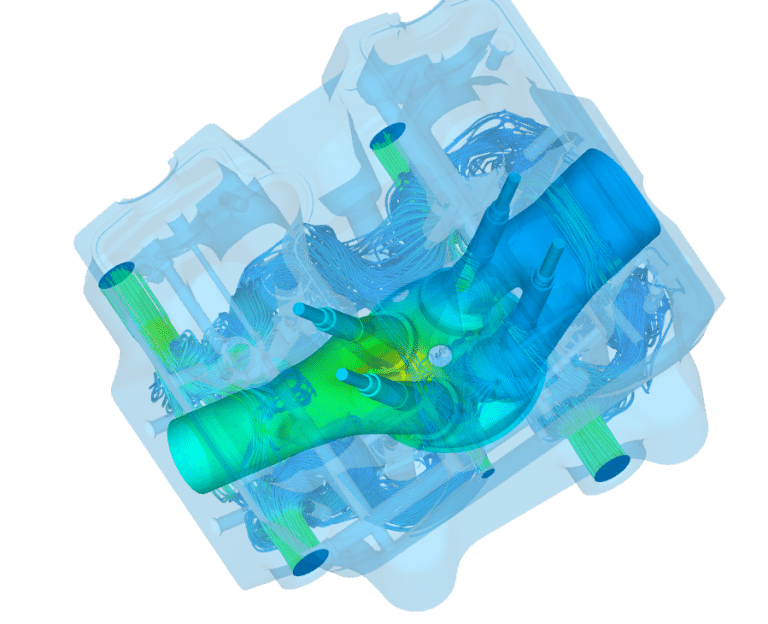 Uncertainty Quantification (UQ)
We propagate uncertainties in material properties, boundary conditions, and operational parameters through ML models to quantify confidence intervals for FEA/CFD outputs. Stochastic …
Open capability
Working on digital twins & predictive maintenance?
Tell us the geometry, the physics and the decision it has to support.
Talk to an engineer