

CFD Fluid Structure Interaction (FSI)
Hydrodynamics CFD simulation, Coupled with FEA for FSI Analysis of Marine and offshore structures
Fluid Structure Interaction (FSI)
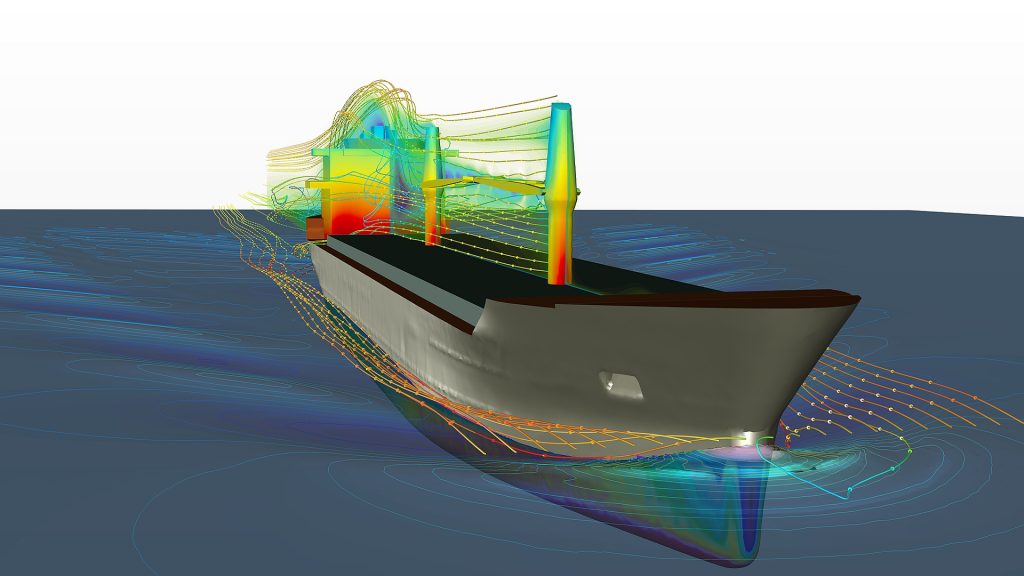
Hydrodynamics is a common application of CFD and a main core of OLTRION expertise. CFD allows the steady-state and transient hydrodynamics of hydrofoils, submersible vehicles, propellers, impellers, marine structures and marine plant to be computed with extremely high levels of accuracy. System properties such as mass flow rates and pressure drops and fluid dynamic forces such as lift, drag and pitching moment can be readily calculated in addition to the wake effects. This data can be used directly for design purposes or as input to a detailed stress analysis.
Hydrodynamics simulation and optimization is one of OLTRION’s core expertise. Deep knowledge and experience combined with advanced CFD and FEA software enable us to handle any problem with any level of complexity in very short time. We use CFD tools such as Numeca Fine/Marine, Ansys Fluent, Siemens Star-CCM+ and FEA tools such as Abaqus, Nastran and LS-DYNA together with very experienced engineers to help our customers in:
- ▶ Ship resistance analysis
- ▶ Hydrodynamic interaction between bodies: shielding effects, forward-speed effects
- ▶ Dynamic trim and sinkage behavior
- ▶ Propulsion and propeller performance optimization
- ▶ Ship wake analysis
- ▶ Shaft fatigue and lifecycle calculations of marine shafts — torsional vibration stress levels based on low-cycle, high-cycle and transient fatigue
- ▶ Vortex-induced vibration analysis
- ▶ Whipping and slamming impacts simulation: wave-induced hull vibration and hull-girder collapse assessment
- ▶ Erosion CFD simulation including hydrodynamics effects
- ▶ Offshore equipment stability: buoyancy and center-of-gravity studies
- ▶ Added masses for subsea hardware CFD calculations
- ▶ Hull performance assessment and wave-making CFD solutions
- ▶ Seakeeping behavior in regular or irregular waves
- ▶ Calculation of drag and lift on appendages
- ▶ Sail or wing optimization
- ▶ Ship structural analysis and design with FEA tools such as Ansys, Abaqus and Nastran
- ▶ Hydrodynamic plant & equipment
- ▶ Tidal power system hydrodynamic design
- ▶ Optimal gearbox lubrication
- ▶ Investigation of course-keeping and turning ability
- ▶ Motions analysis of FPSOs (Floating Production, Storage & Offloading units)
- ▶ Manoeuvring at low / variable speed in shallow and confined seaways — unsteady maneuvers: tacking, gybing
- ▶ Torsional vibration simulation with coupled CFD and FEA to identify interaction between components
- ▶ (Unlimited) deep-water / shallow-water condition modeling
- ▶ Floating wind-turbine design and simulation including dynamic elastic response of blades, tower and mooring lines
- ▶ Monohulls / conventional ships
- ▶ Multi-hulls: catamarans, SWATH, trimarans
- ▶ Asymmetric ships (monohulls as well as catamarans)
- ▶ Submarines
- ▶ FEA simulation of torsional vibration regarding ice impact on the propeller
- ▶ Fixed models as well as free-to-trim and sink conditions
- ▶ Coupled hydrodynamic CFD simulation with structural FEA to simulate transient structural behavior in irregular waves
- ▶ Added resistance in waves
- ▶ Combined drift and gyration
Fluid Structure Interaction (FSI)
Capabilities that sit beside this one
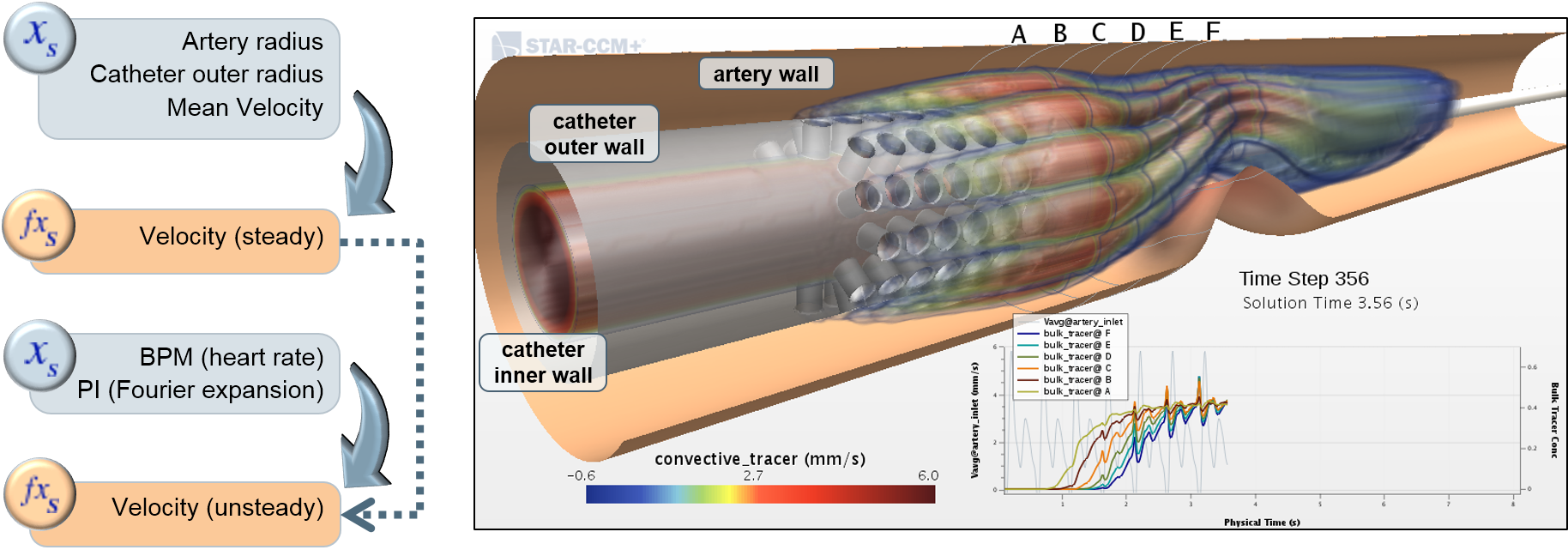 FEA and CFD based Simulation and Design for Medical and Biomedical Applications
FEA- and CFD-based simulation design and analysis is playing an increasingly significant role in the development of medical devices, saving development costs …
Open capability
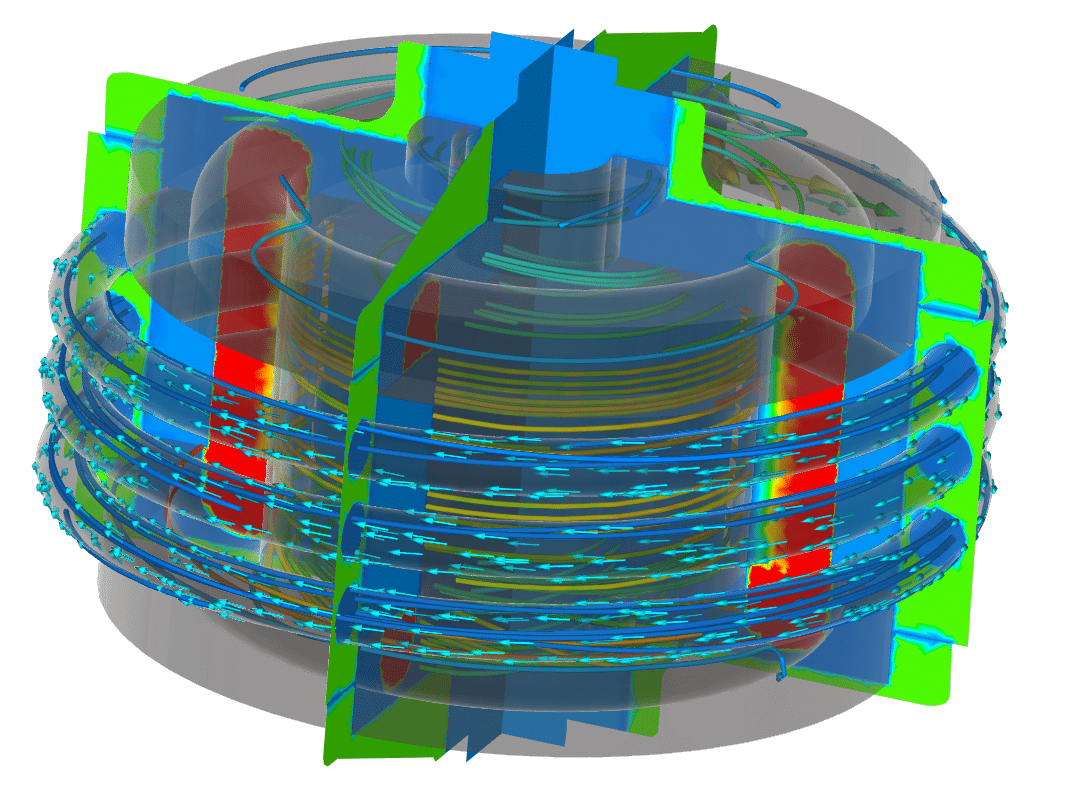 Themal FSI Simulation
Simulating the thermal performance of a product early in the design phase can save large amounts of time and money by getting …
Open capability
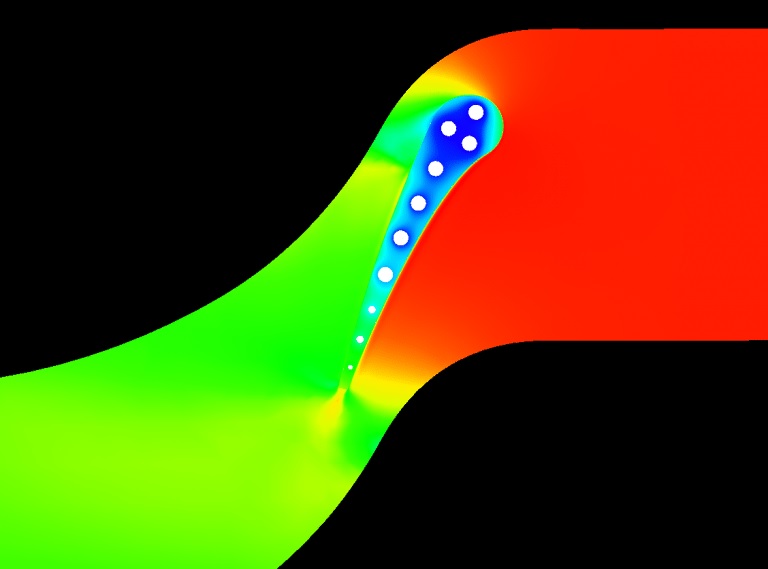 One-Way FSI: Coupling CFD and FEA for Fatigue Simulation
Solving thermal problems with CHT limits the engineer to the physical models that are contained within the CFD solver. More complex problems, …
Open capability
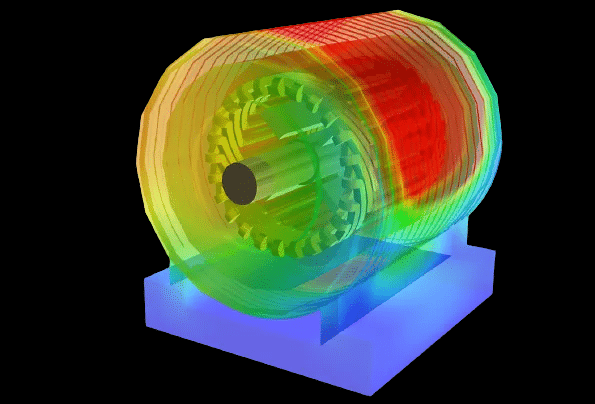 Two-Way FSI: Two-way coupled CFD and structural (FEA)–Thermal simulation
Applications such as leakage paths and thin film flows where thermal-stress induced structural deformation affects fluid flow present an even more difficult …
Open capability
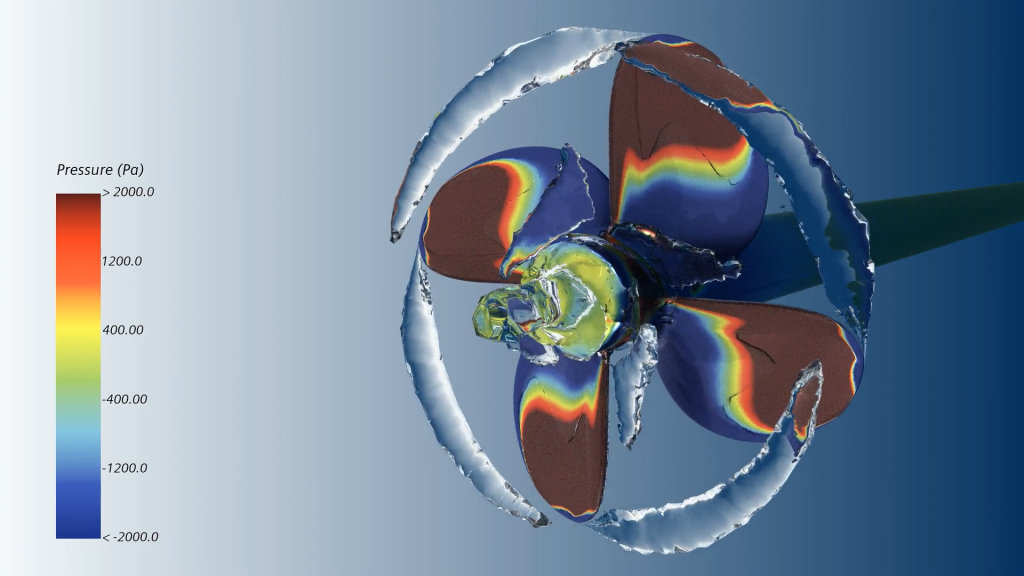 FEA and CFD based Design and Optimization for Marine and Shipbuilding Industry
From the design and manufacture of small recreational craft to large oil tankers, using FEA- and CFD-based simulation, OLTRION assists shipbuilders and …
Open capability
Other Simulation Area
Working on hydrodynamics cfd simulation, coupled with fea for fsi analysis of marine and offshore structures?
Tell us the geometry, the physics and the decision it has to support.
Talk to an engineer