

Industries Automotive Engineering
Turbocharging Simulation
Next-Gen Automotive Engineering: CFD & FEA-Based Powertrain, NVH, Combustion & Thermal Simulation
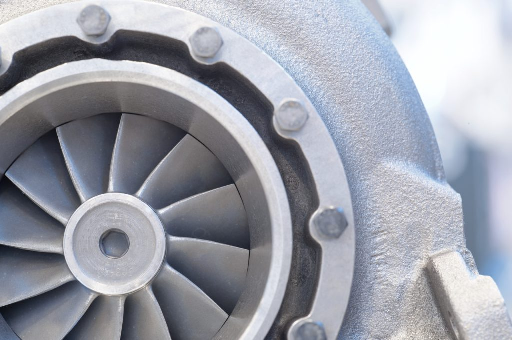
To achieve the desired level of engine performance and reduce pollutant formation, turbocharging simulation is an essential part of the design process. Turbocharging simulation involves using advanced computational fluid dynamics (CFD) tools to model the flow of air through the turbocharger and engine intake system. The simulation predicts the pressure and temperature distribution, velocity profiles, and other important parameters that affect the performance of the turbocharger.
The simulation also helps to optimize the turbocharger system design to achieve the desired performance characteristics. For example, the simulation can help to determine the best turbocharger size, blade geometry, and compressor wheel design. It can also help to optimize the air intake and exhaust systems to maximize the efficiency of the turbocharger.
In addition to improving engine performance, turbocharging simulation also plays a crucial role in ensuring component durability and minimizing NVH (noise, vibration, and harshness). By predicting the stresses and thermal loads on the turbocharger components, engineers can optimize the design to improve component life and reduce the risk of failure.
Automotive Engineering
Powertrain component development involves the design and optimization of various components such as engines, transmissions, and axles. FEA and CFD-based simulation can be used to evaluate the structural integrity, fluid dynamics, and thermal performance of these components, allowing engineers to optimize designs and improve performance.
…
Capabilities that sit beside this one
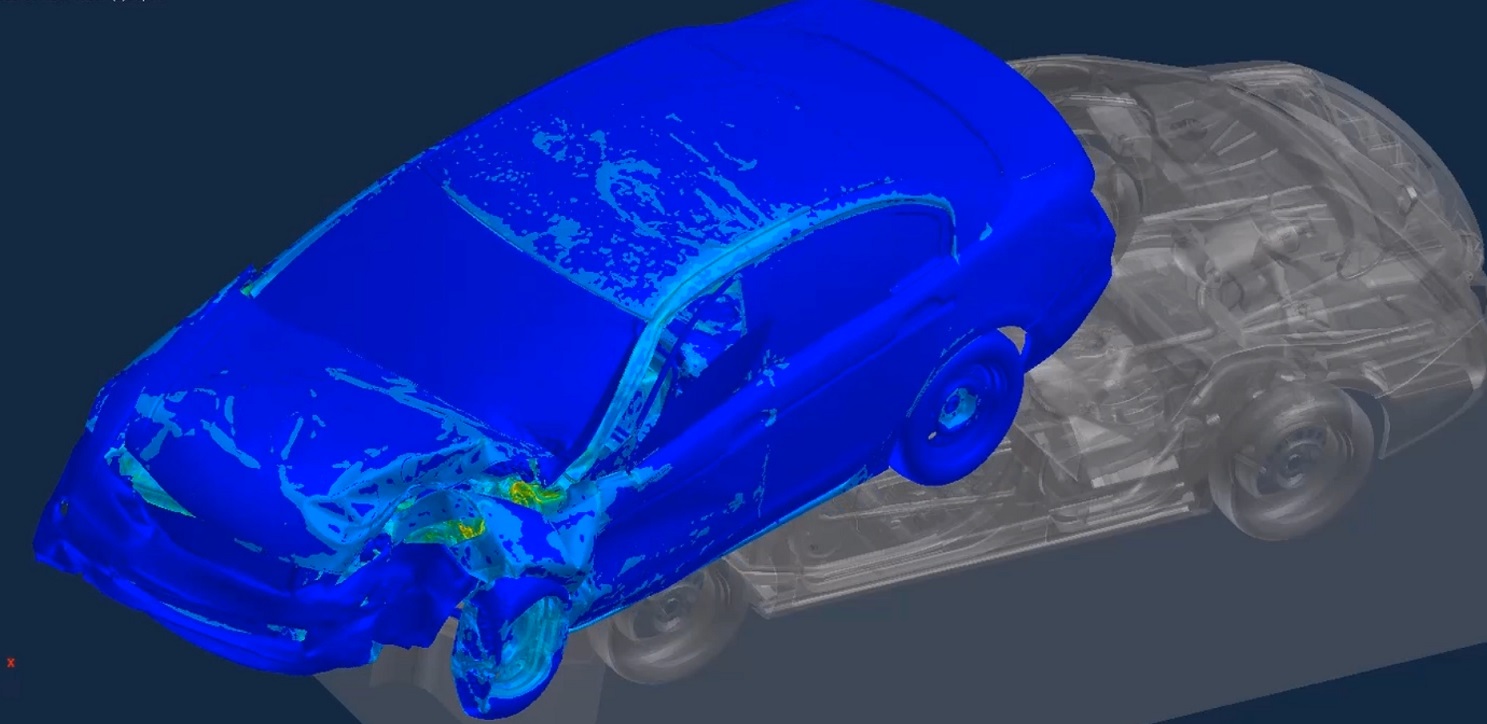 Crash Testing and Crashworthiness with LS-DYNA
Crash testing and crashworthiness are critical aspects of automotive safety engineering. Crash testing involves deliberately crashing a vehicle under controlled conditions in …
Open capability
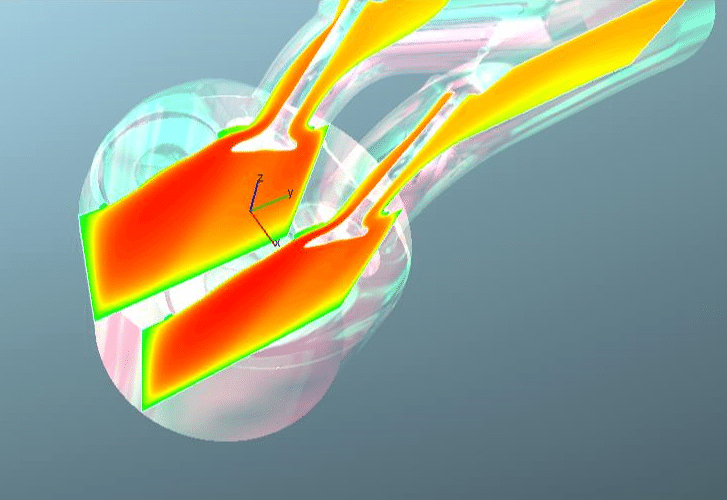 Flow, Combustion and Emission
CFD Simulation for Internal Combustion Engines CFD simulation is a powerful tool in the automotive industry for predicting and analyzing flow, combustion, …
Open capability
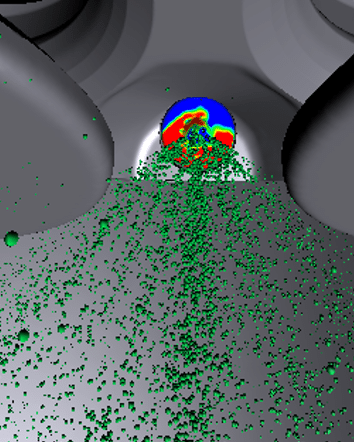 Injection Nozzle Development and Optimization
To develop and optimize injection nozzles, a combination of advanced CFD tools such as Ansys Fluent, Siemens Star-ccm+ and AVL Fire is …
Open capability
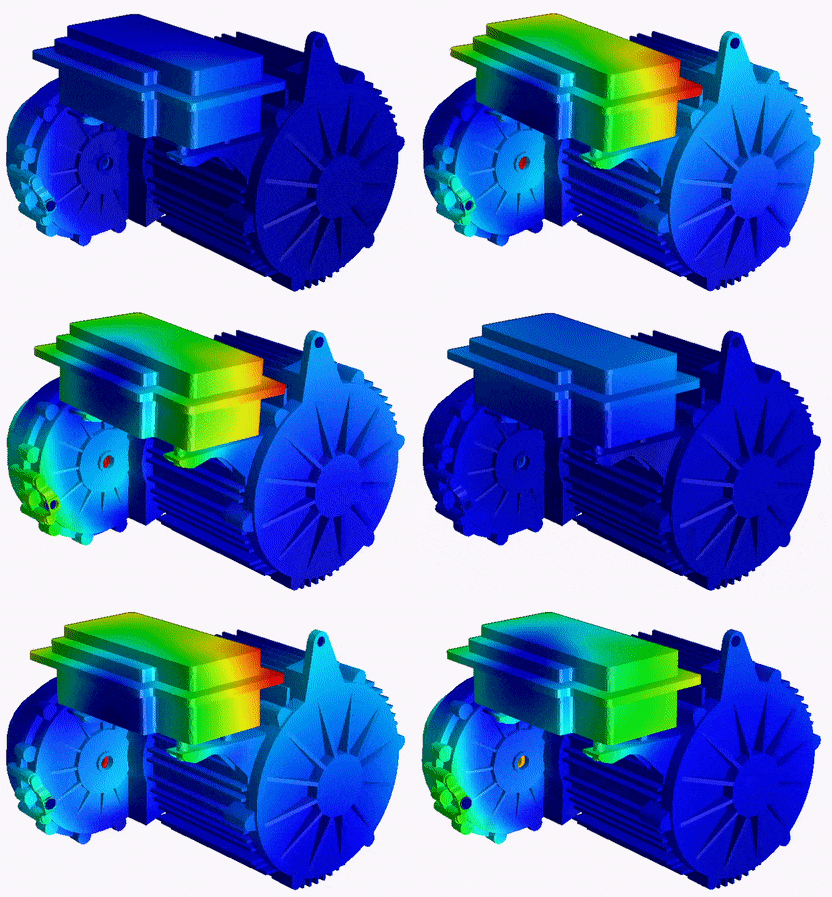 NVH and Acoustic Simulation for Powertrains
The development of fuel-efficient internal combustion engines in response to global demand for more eco-friendly vehicles has had an impact on the …
Open capability
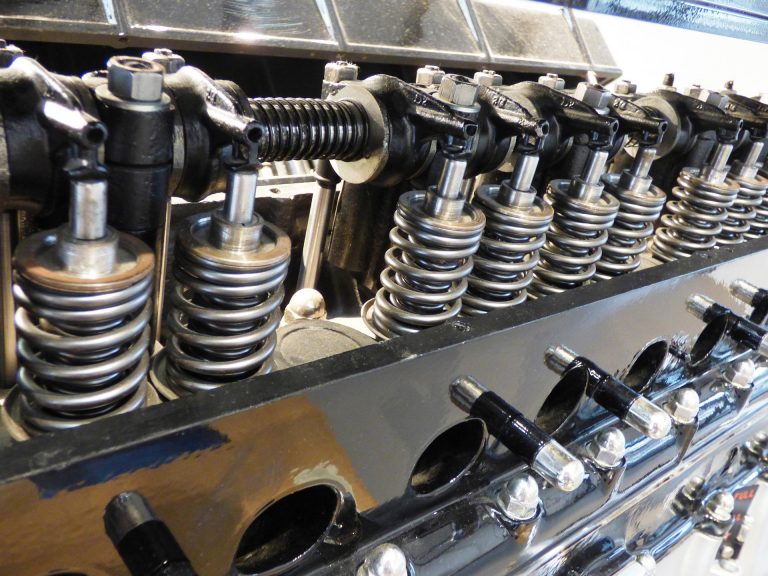 Powertrain Engineering
Powertrain engineering encompasses a wide range of technologies and processes, from diesel engines to electric drives, from alternative fuels to control, from …
Open capability
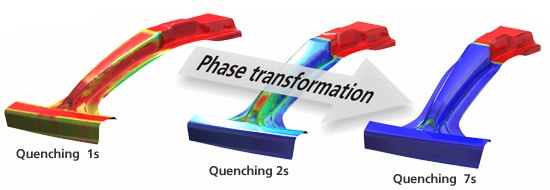 Quenching: Virtual Heat Treatment Optimization
FEA simulations can predict local temperature gradients, the overall cooling history, and the resulting material properties after quenching. This information can be …
Open capability
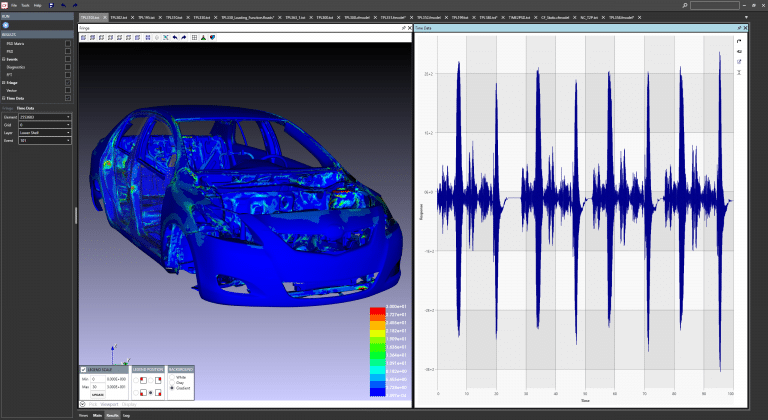 Strength and Durability Analysis
The strength analysis involves evaluating the structural integrity of components and systems, using techniques such as finite element analysis (FEA), to predict …
Open capability
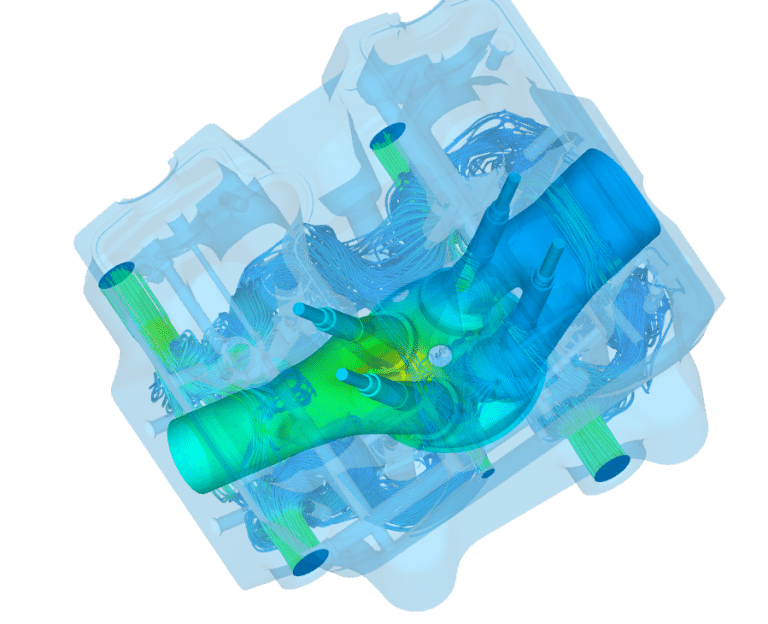 Thermal & Energy Management
Finite element and CFD simulation tools can be used to model and analyze the thermal behavior of various components such as engines, …
Open capability
Other Simulation Area
Working on turbocharging simulation?
Tell us the geometry, the physics and the decision it has to support.
Talk to an engineer