

Electromagnetics Plasma Simulation
Numerical Simulation of Dense Plasma Focus Devices
Simulation of Plasma Based Devices: Microwave Plasma & RF Plasma with Coupling Particle in Cell (PIC), MHD, CFD and FEA Solvers
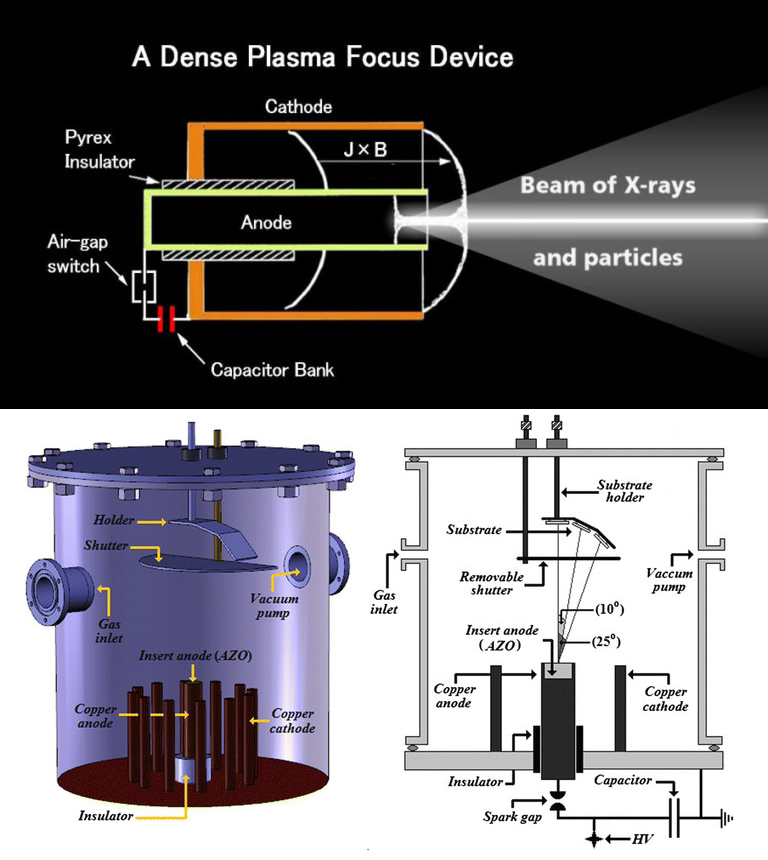
A dense plasma focus (DPF) is a plasma machine that produces, by electromagnetic acceleration and compression, short-lived plasma that is so hot and dense that it becomes a copious multi-radiation source. The DPF device has always been in the company of several alternative magnetic fusion devices as it produces intense fusion neutrons.
Several experiments conducted on many different DPF devices ranging over several order of storage energy have demonstrated that at higher storage energy the neutron production does not follow I4 scaling laws and deteriorate significantly raising concern about the device’s capability and relevance for fusion energy. On the other hand, the high energy density pinch plasma in DPF device makes it a multiple radiation source of ions, electron, soft and hard x-rays, and neutrons, making it useful for several applications in many different fields such as lithography, radiography, imaging, activation analysis, radioisotopes production etc.
A great deal of experimental research has been done into the physics of DPF reactions, and there exist mathematical models describing its behavior during the different time phases of the reaction. Two of the phases, known as the inverse pinch and the rundown, are approximately governed by magnetohydrodynamics, and there are a number of well-established codes for simulating these phases in two dimensions or in three dimensions under the assumption of axial symmetry.
our engineering and scientific team can cover and develop new packages and software to simulate most complex problems in plasma dynamics including dense plasma focus (DPF) .
The wider discipline
Plasma Simulation
We provide consulting services for the modeling and simulation of plasma and other flow systems. we combine expertise in physics, Numerical computing, big data processing, automation, and management. Our people are truly motivated experts, passionate about science. Our consulting services utilize our specialized domain expertise in plasma, reactive flows and surface chemistry mechanism development and integration with multi-dimensional flow and plasma systems.
OLTRION uses advanced electromagnetic FEA, CFD and particle-in-cell (PIC) codes, designed for executing multi-scale, plasma physics simulations. Based on the problem and its detail, we use special commercial …
OLTRION uses advanced electromagnetic FEA, CFD and particle-in-cell (PIC) codes, designed for executing multi-scale, plasma physics simulations. Based on the problem and its detail, we use special commercial …
More in Plasma Simulation
View the section →
Capabilities that sit beside this one
 Spacecraft Shielding
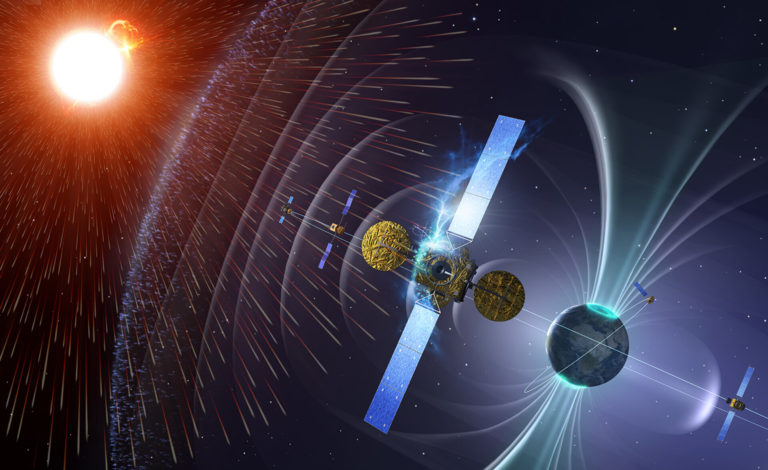
Traditional methods for protecting spacecraft and occupants from harmful radiation in the form of energetic particles from solar and galatic sources involve …
Open capability
 Nanoparticle Synthesis Simulation Based Design
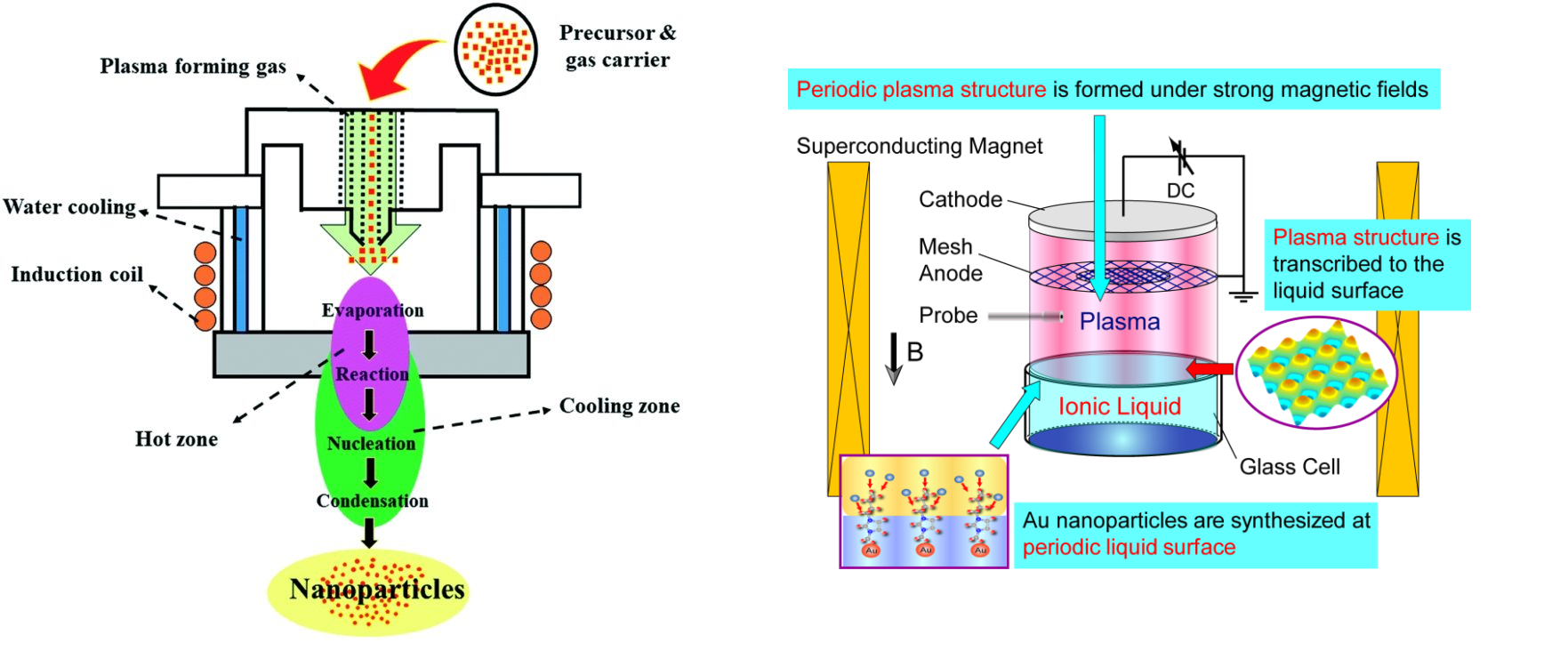
Plasma-based chemical processes are characterized by solvent-less (dry), high-purity, and low-temperature conditions that enable damage-free device fabrication. plasma tools are now essential …
Open capability
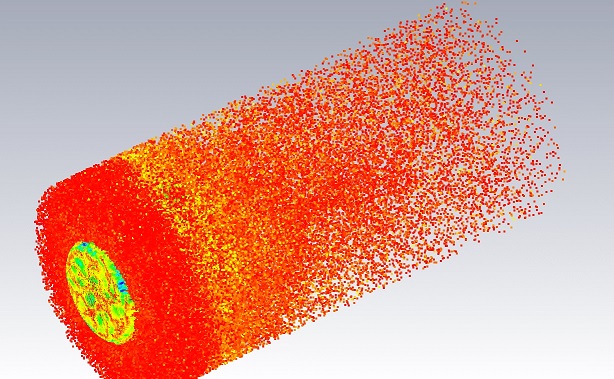 Simulation of Plasma Based Devices
We provide consulting services for the modeling and simulation of plasma and other flow systems. we combine expertise in physics, Numerical computing, …
Open capability
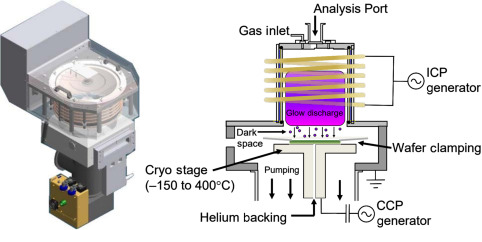 Plasma Etching Simulation
Plasma etching is an essential tool in today's world, enabling many of the technologies we take for granted. The chemical nature of …
Open capability
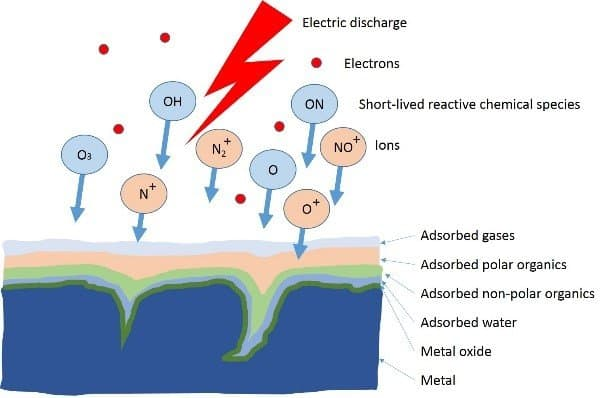 Plasma Cleaning
The operational cost of using plasma cleaning systems are low, while providing the highest quality in cleaning surfaces. Another benefit of using …
Open capability
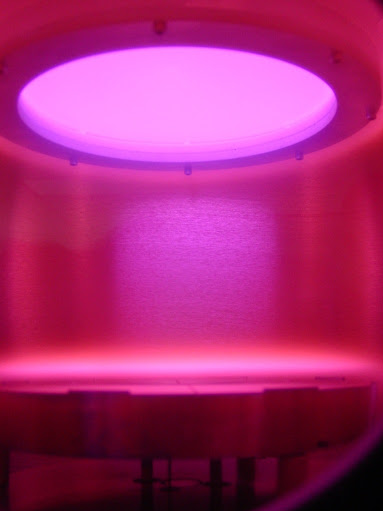 Plasma-enhanced chemical vapor deposition (PECVD)
Plasma-enhanced chemical vapor deposition coating: Plasma-enhanced chemical vapor deposition (PECVD) is a thin-film deposition technique that allows for tunable control over the …
Open capability
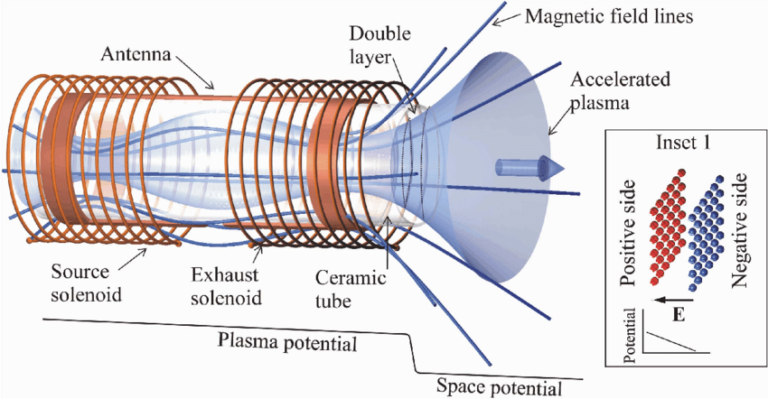 Simulation Based Design of Plasma Thrusters
Electric propulsion technology, called Hall effect or stationary plasma thrusters, offers a significant weight reduction compared with traditional chemical propulsion systems. In …
Open capability
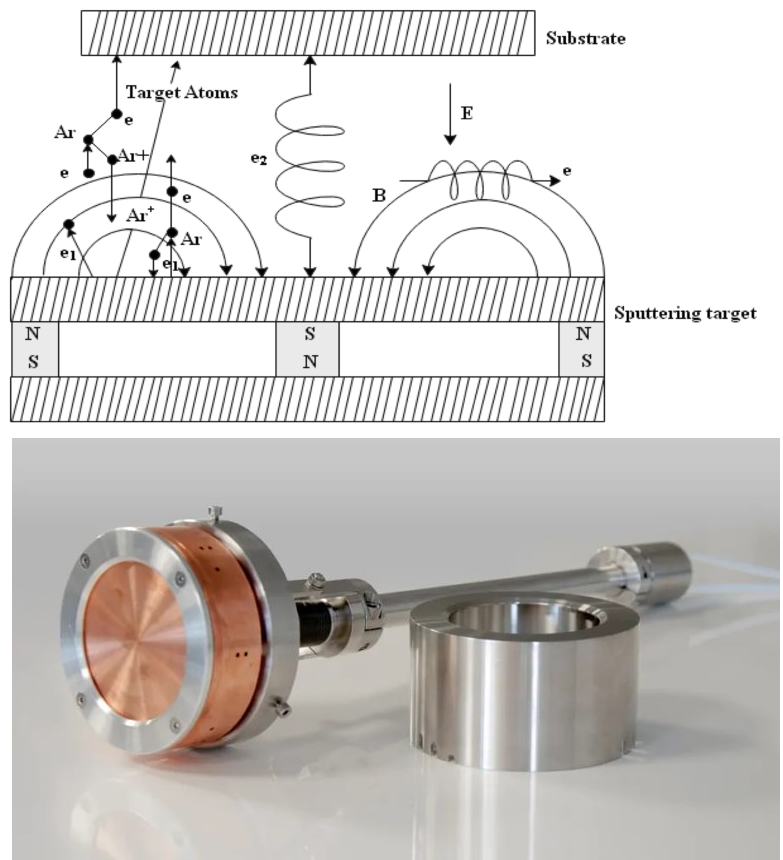 Numerical Simulation of Magnetron sputtering
Magnetron sputtering deposition is a fast technique for applying a thin layer of inorganic materials on a substrate. Magnetron sputtering is the …
Open capability
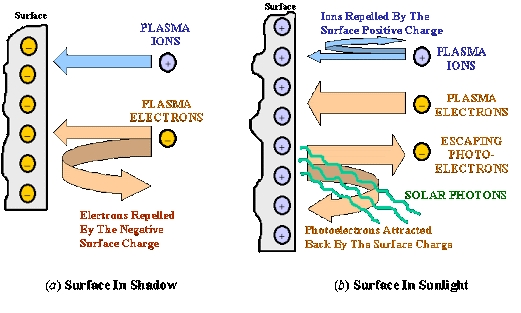 Spacecraft and Satellite charging effects Numerical Simulation
Spacecraft charging includes both surface charging and internal dielectric charging. The absolute charging of spacecraft surfaces is not generally detrimental; rather it …
Open capability
Across Electromagnetics
Other Simulation Area
Working on numerical simulation of dense plasma focus devices?
Tell us the geometry, the physics and the decision it has to support.
Talk to an engineer