

Industries Aerospace & Defense
Structural Dynamics
Advanced Multiphysics Simulation: AI-Integrated CFD & FEA for Aerospace & Defense
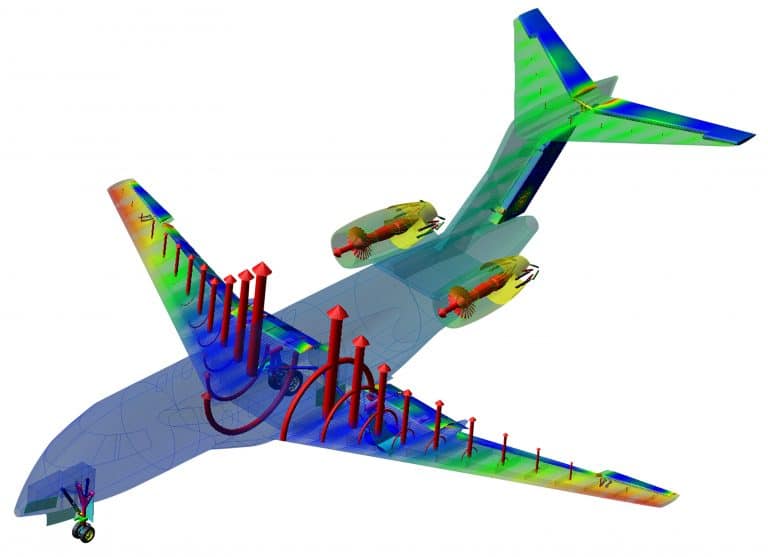
The dynamic response of structures can be affected by a range of factors, including fluid-structure interactions, vibrations, and impact loads.
Computational fluid dynamics (CFD), multi-body dynamics (MBD), finite element analysis (FEA), and one-dimensional (1D) systems simulation software are commonly used to model and analyze the behavior of structures under dynamic loading conditions.
CFD simulations are used to study fluid-structure interactions and predict the aerodynamic loads on structures, such as wings, airfoils, and fuselages. These simulations can be coupled with MBD simulations to model the dynamic behavior of the structure, taking into account factors such as vibration modes, resonance frequencies, and damping.
FEA simulations are used to model the structural behavior of components under dynamic loading conditions, such as the response of materials to shock and impact loads. These simulations can be coupled with 1D systems simulation software to model the dynamic behavior of entire systems, such as aircraft engines or landing gear.
The coupling of CFD, MBD, FEA, and 1D systems simulation software allows engineers to study the behavior of structures under a wide range of dynamic loading conditions and to optimize the design and performance of critical components. This can help to improve the safety and reliability of aerospace systems, reduce maintenance costs, and enhance the overall performance of aircraft and other aerospace systems.
The wider discipline
Aerospace & Defense
In the Aerospace and Defense industry, FEA is used to analyze the stress, deformation, and vibration of aircraft components, such as wings, fuselage, landing gears, and engine parts. FEA helps engineers optimize the design of components and reduce the weight of the structure without compromising its strength and durability.
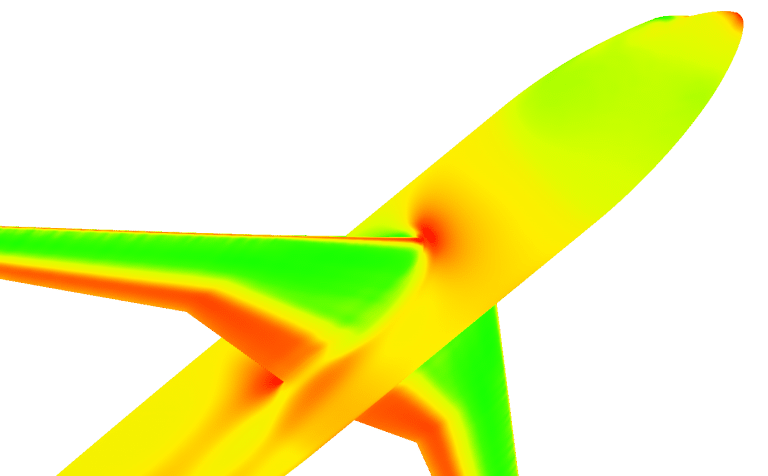
In the Aerospace and Defense industry, CFD is used to analyze the aerodynamics of aircraft, missiles, and rockets, as well as the thermal behavior of engine components. CFD helps engineers optimize the design of the airframe, wings, and propulsion system to …
In the Aerospace and Defense industry, CFD is used to analyze the aerodynamics of aircraft, missiles, and rockets, as well as the thermal behavior of engine components. CFD helps engineers optimize the design of the airframe, wings, and propulsion system to …
More in Aerospace & Defense
View the section →
Capabilities that sit beside this one
 Turbomachinery
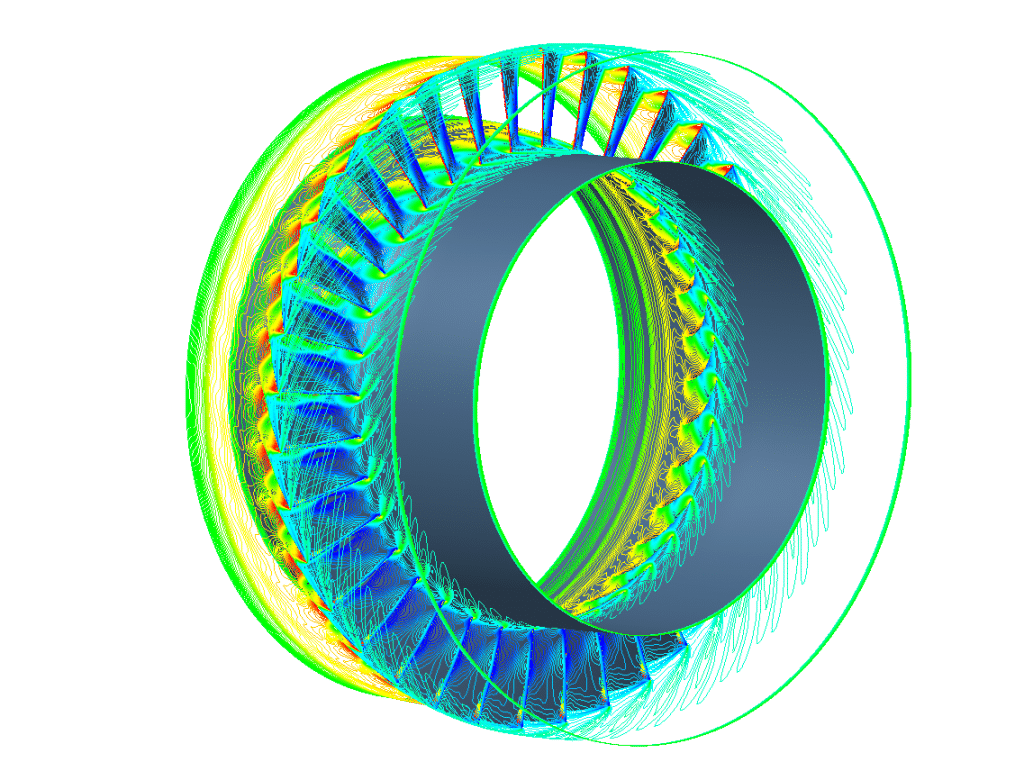
The combination of CFD and finite element simulations allows engineers to study the fluid-structure interactions in turbomachinery components, taking into account factors …
Open capability
 VTOL, e-VTOL and UAM - Urban Air Mobility
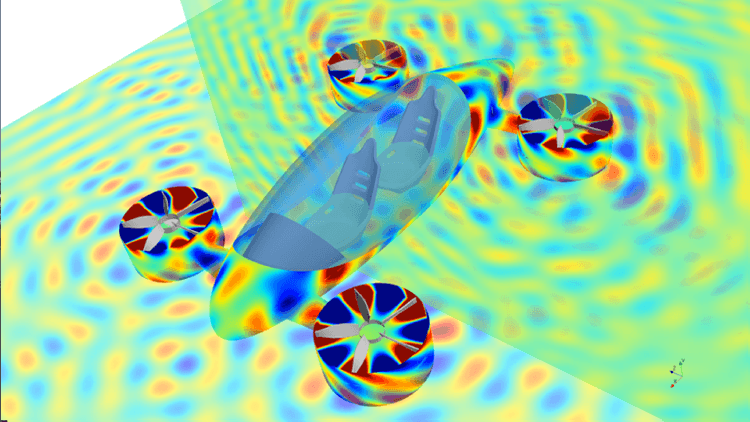
Finite Element & CFD based-Design Optimization is a key aspect in the development of Vertical Take-Off and Landing (VTOL), Electric Vertical Take-Off …
Open capability
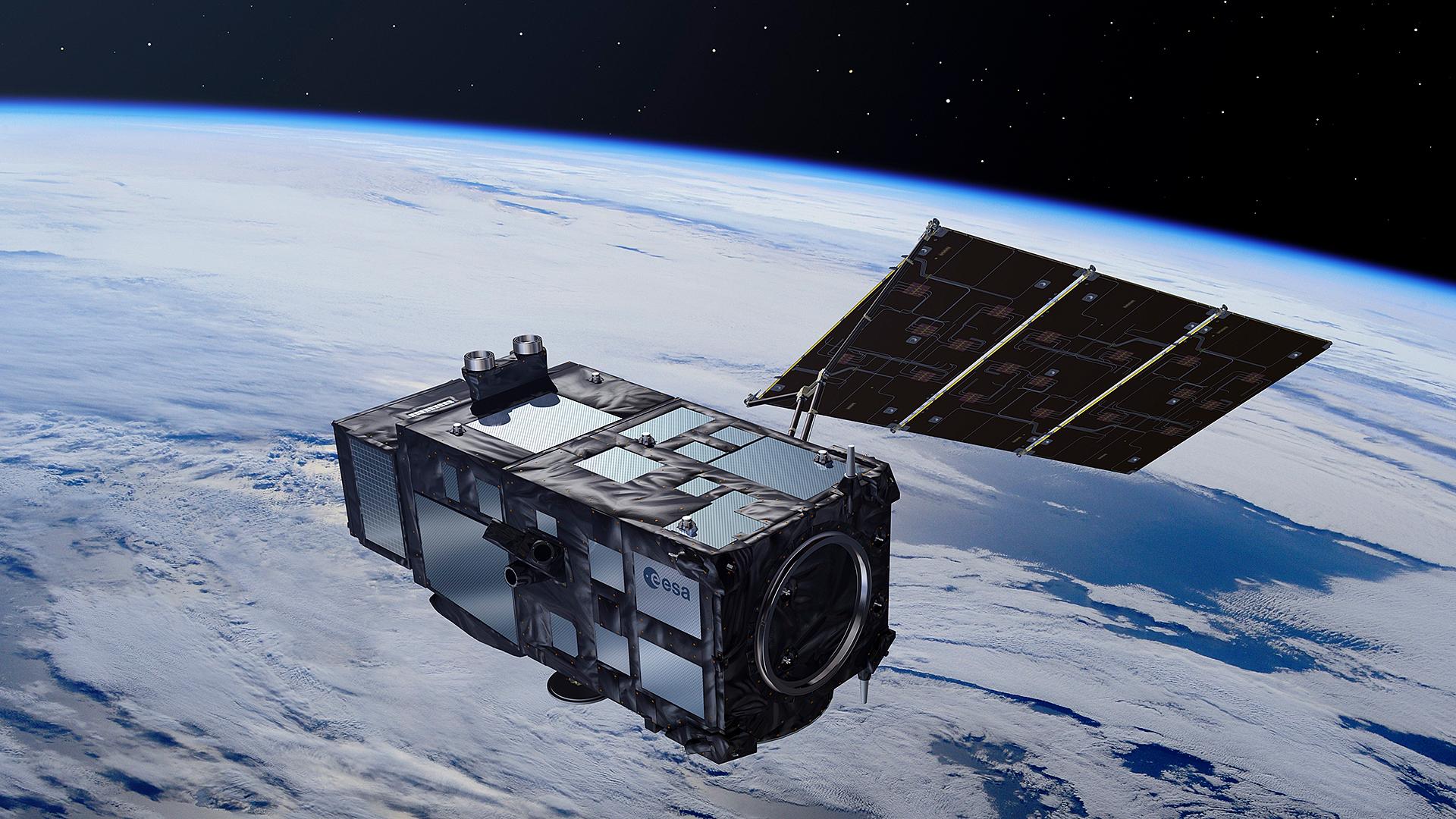 Model-based spacecraft safety and mission assurance
 is a systematic approach to ensuring the safety and reliability of a spacecraft mission using modeling …
Open capability
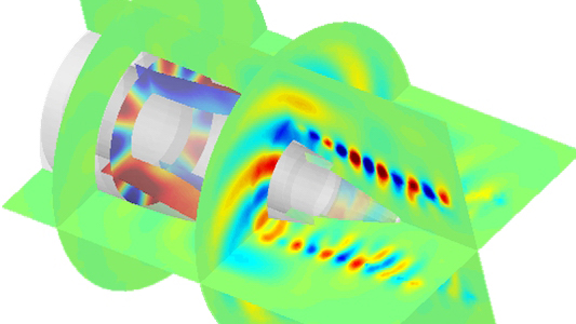 AeroAcoustics and VibroAcoustics
FEA and CFD simulations can be used in Aeroacoustics and Vibroacoustics to analyze the noise and vibration characteristics of aircraft and aerospace …
Open capability
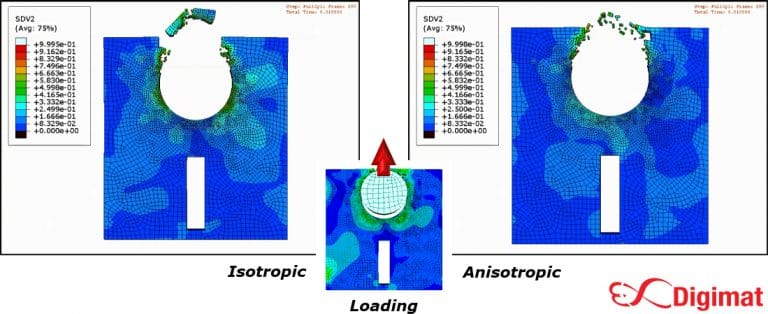 Composites Design
Composite materials are widely used in the Aerospace and Defense industry for their high strength-to-weight ratio, durability, and resistance to fatigue and …
Open capability
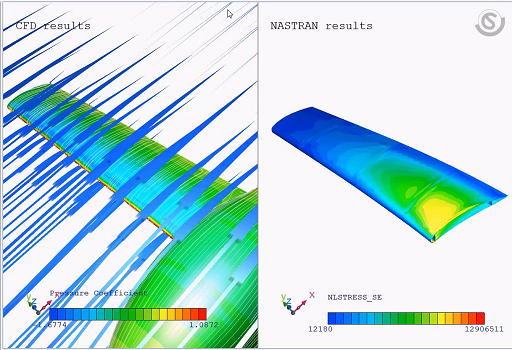 CFD Simulations for Drone Design and Analysis
CFD simulations are an essential tool in the design and analysis of drones in the Aerospace and Defense industry. CFD simulations can …
Open capability
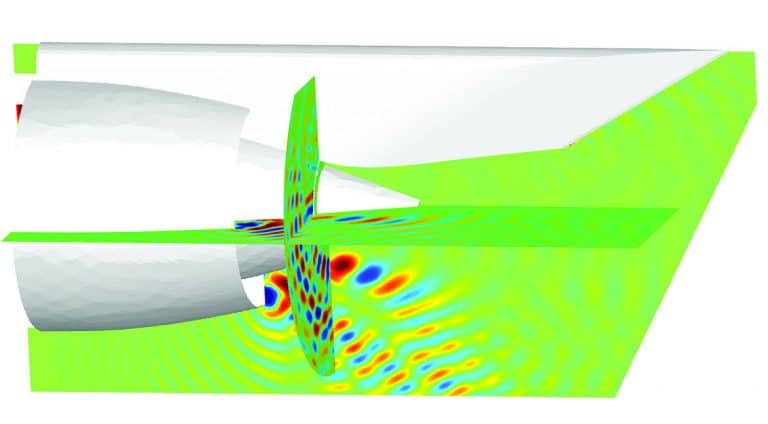 Engine Simulation in Aerospace industry
The design and analysis of aircraft engines is a critical area of focus in the Aerospace and Defense industry, as engines play …
Open capability
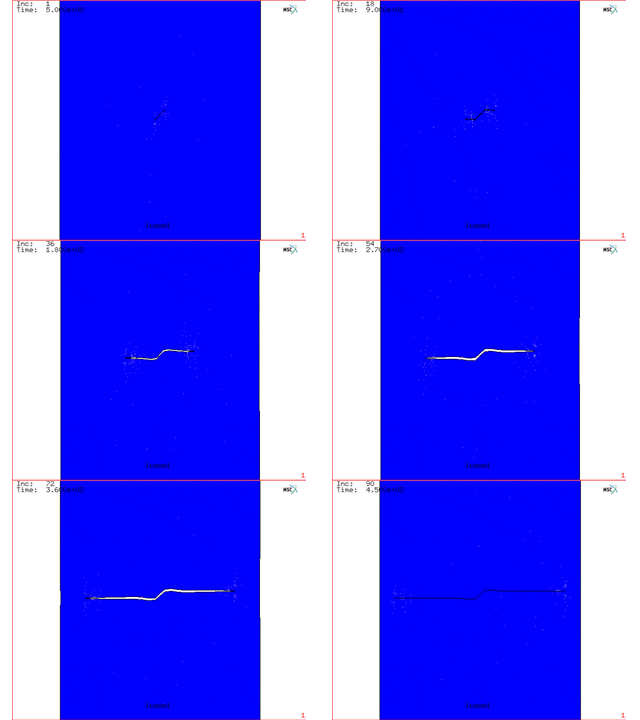 Fracture Simulation
 in Aerospace and Defense Fracture simulation is an important area of focus in the Aerospace and Defense industry, as it …
Open capability
Across Industries
Other Simulation Area
Automotive Engineering
Quenching: Virtual Heat Treatment Optimization
FEA simulations can predict local temperature gradients, the overall cooling history, and the resulting material properties after quenching. …
Chemical Processing
Filtration System Design
Designing effective filtration systems is critical in many industries, including chemical processing, food and beverage, pharmaceuticals, and water …
Civil Engineering
Reinforced Concrete
Reinforced concrete is widely used in construction due to its durability and strength. The simulation involves modeling the …
Energy & Power Industry
Hydropower, Solar Power & Biomass
Simulation and Optimization of Renewable Energy Systems Key aspects of renewable energy system simulation: ▶ Hydropower simulation: Hydropower …
Industrial Equipment & Rotating Machinery
Noise & Acoustics Analysis Consultant Services
OLTRION offers noise and acoustics analysis services to help you optimize your product designs and reduce noise levels. …
Marine & Shipbuilding
Hydrodynamic Performance of Ship Hull
The hull design can significantly impact a vessel's speed, stability, fuel consumption, and overall operating costs. Traditionally, vessels …
Medical & Biomedical Devices
Finite Element Modeling for Craniomaxillofacial and Plastic Surgery
Here at OLTRION, our engineers can develop finite element models of both craniomaxillofacial and plastic surgery reconstructive procedures. …
Seat Design
Japan NCAP, Euro NCAP and China NCAP Regulation for Seat Whiplash Assessment
Although whiplash injuries can occur in any kind of crash, an occupant’s chances of sustaining this type of …
Working on structural dynamics?
Tell us the geometry, the physics and the decision it has to support.
Talk to an engineer