

Industries Seat Design
Japan NCAP, Euro NCAP and China NCAP Regulation for Seat Whiplash Assessment
Aircraft and Automotive Seat Design: Finite Element and CFD Simulation for Static & Dynamic Comfort, Whiplash, Acoustic & Thermal Comfort, Vibration, and Crash Test
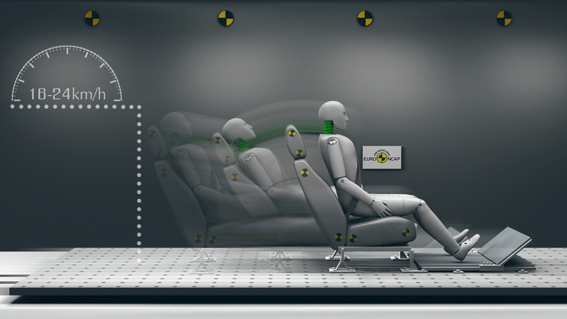
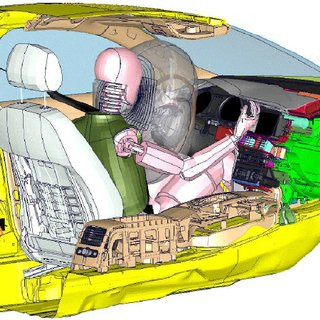
Although whiplash injuries can occur in any kind of crash, an occupant’s chances of sustaining this type of injury are greatest in rear-end collisions. When a vehicle is struck from behind, typically several things occur in quick succession to an occupant of that vehicle. First, from the occupant’s frame of reference, the back of the seat moves forward into his or her torso, straightening the spine and forcing the head to rise vertically. Second, as the seat pushes the occupant’s body forward, the unrestrained head tends to lag behind.
This causes the neck to change shape, first taking on an S-shape and then bending backward. Third, the forces on the neck accelerate the head, which catches up with — and, depending on the seat back stiffness and whether the occupant is using a shoulder belt, passes — the restrained torso. This motion of the head and neck, which is like the lash of a whip, gives the resulting neck injuries their popular name. Finite Element simulation with advanced FEA software enables us to simulate seat whiplash with the most detailed and accurate procedure to capture real-world behavior.
Euro NCAP’s whiplash testing procedure involves a rear-end collision simulation with a crash test dummy sitting in the driver’s seat. The dummy is equipped with sensors that measure the forces exerted on the neck during the crash. The resulting data is used to calculate a Whiplash Injury Criterion (WIC) score, which is used to assess the seat’s performance. Japan NCAP’s whiplash testing procedure is similar to Euro NCAP’s, but it uses a different crash test dummy and has slightly different test conditions. China NCAP’s whiplash testing procedure is also similar to Euro NCAP’s, but it includes additional test conditions to simulate different crash scenarios.
These regulatory testing procedures aim to ensure that automotive seats provide adequate protection against whiplash injuries in the event of a rear-end collision. Finite Element simulation with Ansys LS-DYNA, Simulia Abaqus, ESI Pam-Crash and Altair RADIOSS, combined with special-purpose dummies, is used by our engineers to improve the accuracy of these tests and help optimize the design of seats for better whiplash protection.
Seat Design
Finite Element and CFD-based design can help ensure the right occupant …
Capabilities that sit beside this one
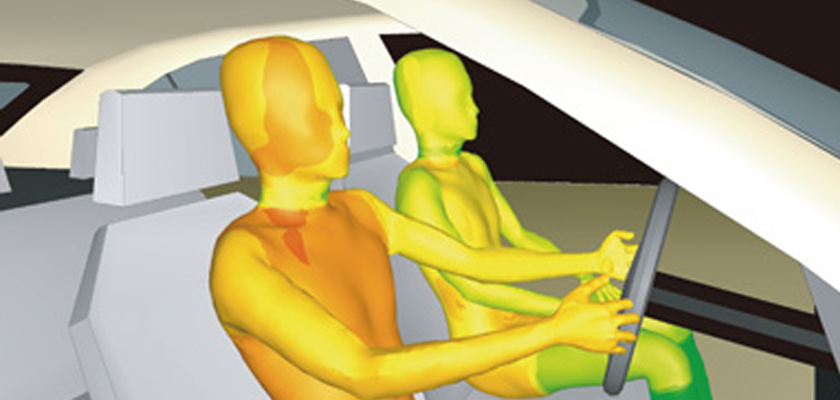 Seat Thermal Comfort Design with CFD and FEA (Finite Element) Simulation
Heated and Cooled Seat Thermal Comfort Simulation Heated and cooled seats are no longer exclusive to luxury cars, as more carmakers offer …
Open capability
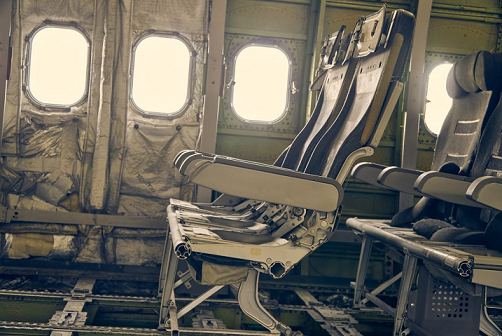 Aerospace Seat Design: Federal Aviation Administration (FAA) and European Aviation Safety Agency (EASA)
Aerospace Seat Design Regulations: FAA and EASA In the United States, the Federal Aviation Administration (FAA) sets the standards for aerospace seat …
Open capability
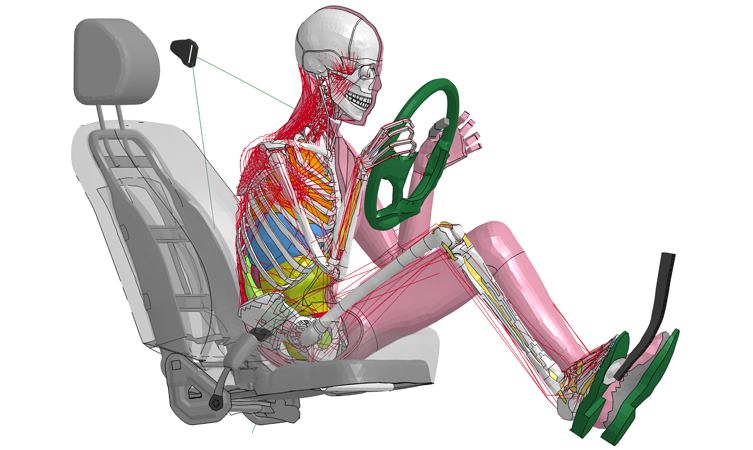 Dummies for Crash Test Simulation
Crash Test Dummies & Human Models Frontal Impact Dummies Hybrid II (50th percentile) rigid dummy for aeronautics applications Express Hybrid III 50th …
Open capability
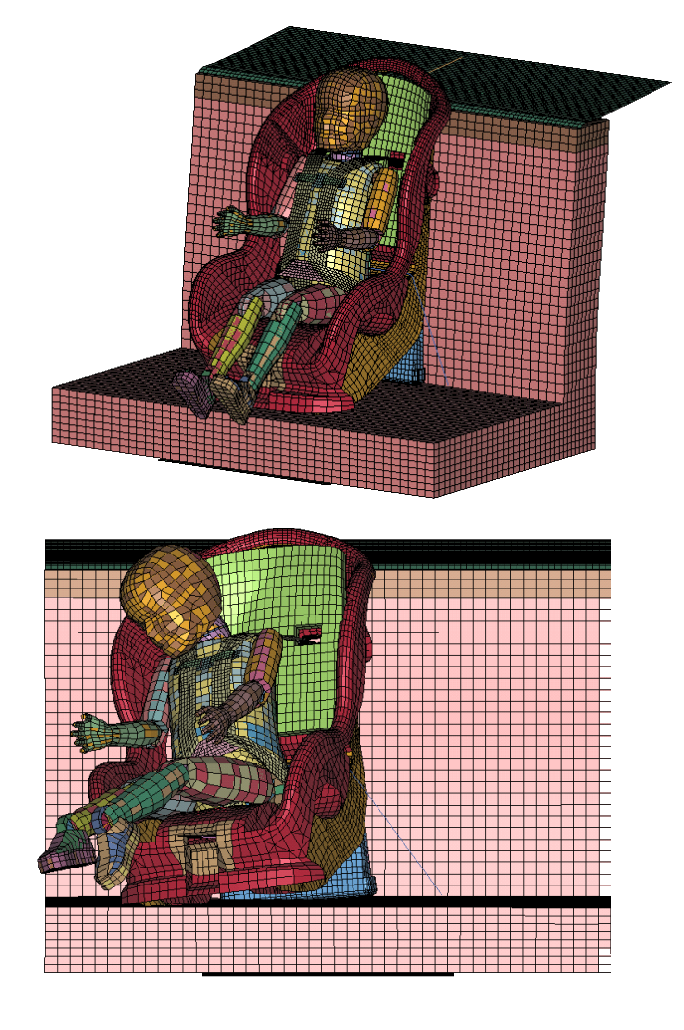 Seat Dynamic Comfort Design
The dynamic comfort design of a car seat is crucial in ensuring the comfort of the occupant and reducing driving fatigue. It …
Open capability
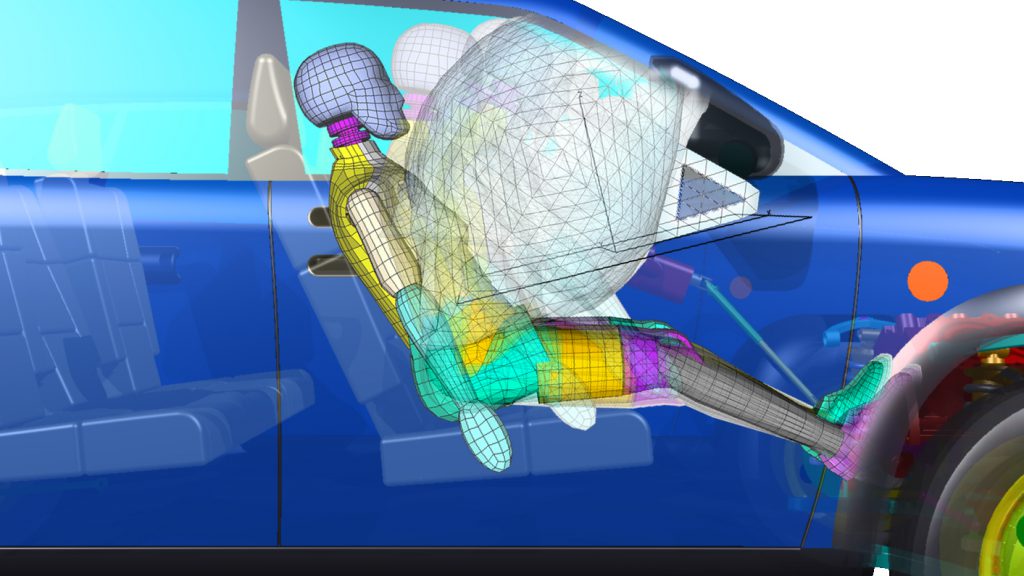 Meat-to-metal simulation
 is a method that evaluates the contact between the occupant’s body and the seat structure, taking into account the deformation …
Open capability
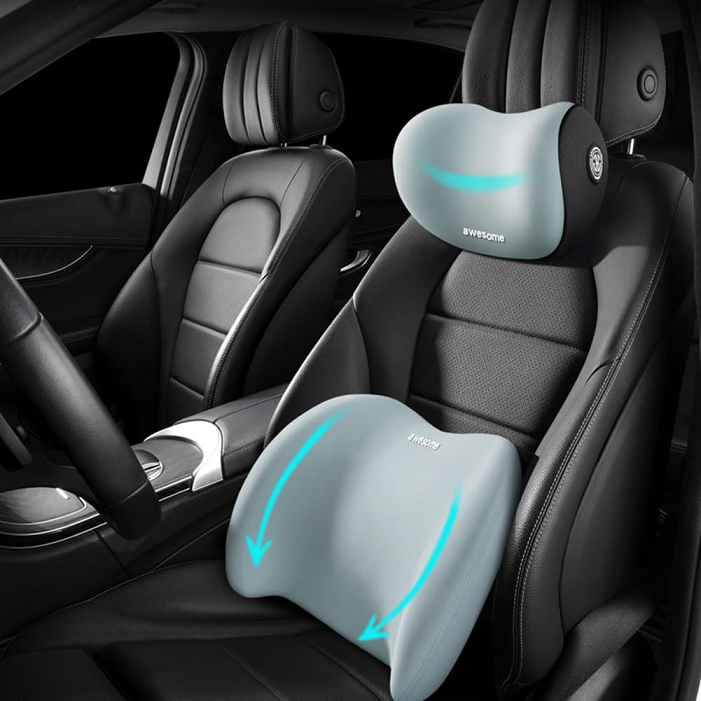 Lumbar support for Car Seat
Lumbar support is an important feature in automotive seating, as it can help reduce lower back pain and fatigue for occupants. Finite …
Open capability
 FEA Simulation for Seat Softness and Hardness Prediction
Our engineering team’s finite element simulation expertise allows us to test the softness and hardness of the seat, helping optimize the design …
Open capability
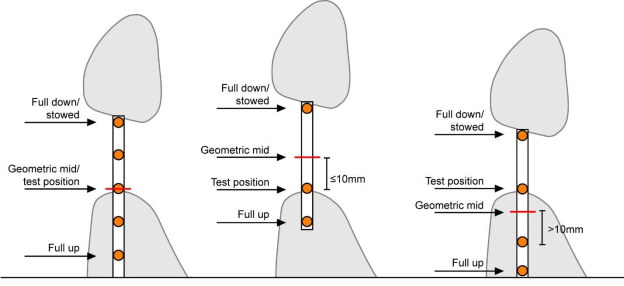 FMVSS 202a: Head Restraints – Methodology and Equipment for the Static and Dynamic Test
In the proposed FMVSS No. 202a, manufacturers were given the option of meeting either of two sets of requirements. The first set …
Open capability
Other Simulation Area
Working on japan ncap, euro ncap and china ncap regulation for seat whiplash assessment?
Tell us the geometry, the physics and the decision it has to support.
Talk to an engineer