

Industries Civil Engineering
Ventilation and Comfort
CFD and FEA in Civil Engineering: Seismic Design, Earthquake, Tunnel, Bridge, Dam, Concrete Structures and Geotechnical Multiphysics Simulation
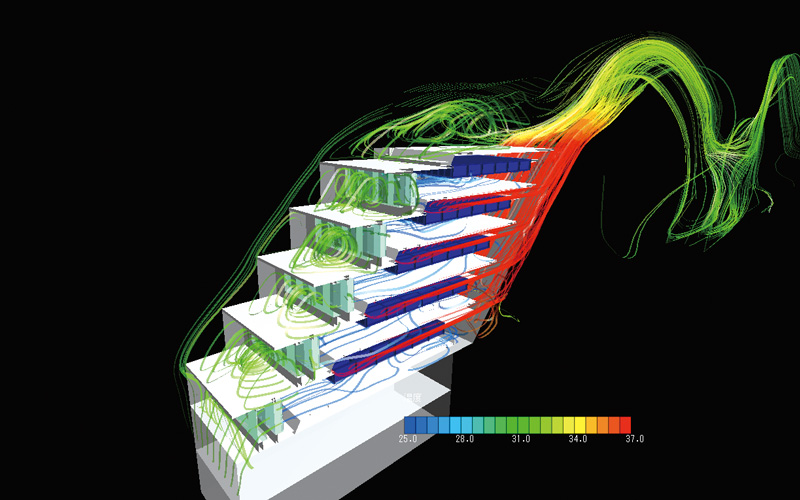
Maintaining occupant thermal comfort and indoor air quality in buildings requirs advanced HVAC (Heating, Ventilation, and Air Conditioning) design. Proper ventilation plays a key role in achieving these objectives. The amount of fresh air required for ventilation depends on the size and usage of the space, as well as the number of occupants. ASHRAE Standard 62.1 provides guidelines for minimum ventilation rates for different types of spaces.
In addition to ventilation, HVAC design also involves heating and cooling systems that can regulate temperature and humidity levels within a space and remove indoor air pollutants, such as volatile organic compounds (VOCs) and carbon dioxide (CO2). This can be achieved through various types of equipment, such as heat pumps, boilers, and air conditioning units.
Other design considerations include insulation to reduce heat loss, glazing to control solar gain, and shading systems to minimize heat gain from direct sunlight. These elements can help to improve indoor thermal conditions and reduce the need for excessive heating or cooling.
The wider discipline
Civil Engineering
OLTRION, offer a wide range of consulting services based on many years of experience using FEA and CFD softwares in Civil Engineering: Earthquake, Tunnel, Dam and Geotechnical. The Company is involved in analyses projects with advanced applications that focus on aspects of computational mechanics. In addition, we carry out research projects that lead to future extensions or enhancements to FEA and CFD package, or result in special software with C++, Python, Matlab and other high-end programming languages.
More in Civil Engineering
View the section →
Capabilities that sit beside this one
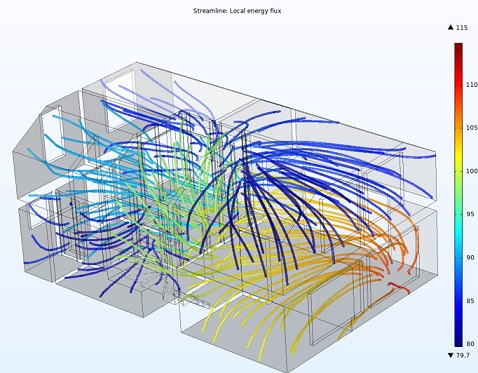 Architectural Acoustic Consulting
Our Architectural acoustic consulting involves the design and implementation of acoustic solutions for buildings and spaces to achieve optimal sound quality and …
Open capability
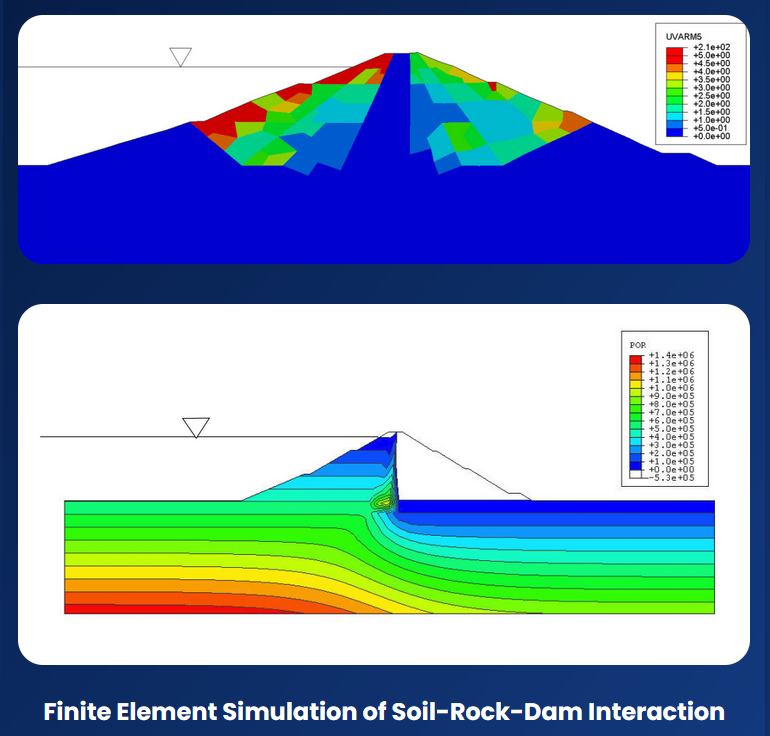 Dam Analysis
Dam analysis is a critical area of expertise within civil engineering, as the stability and safety of dams are essential for the …
Open capability
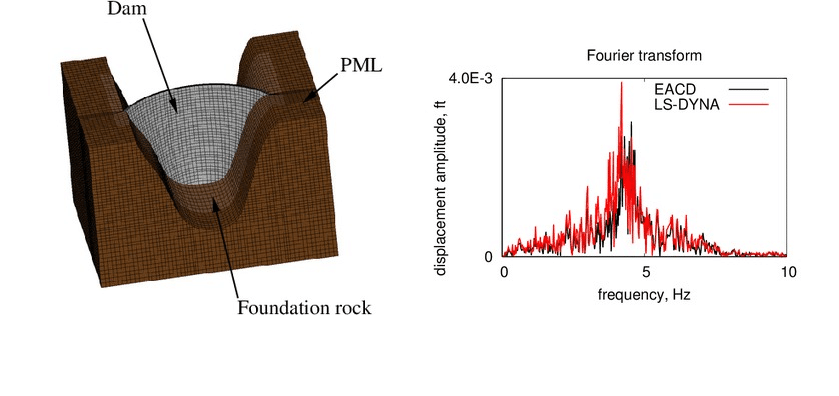 Earthquake Engineering & Seismic Design
Advanced analysis techniques are required to accurately assess the behavior of structures under seismic loading conditions. Dynamic time-domain finite element analysis is …
Open capability
 Fire, Smoke Movement and Explosions
Fire, smoke movement, and explosions pose significant risks to public safety in buildings, tunnels, and underground rail systems. Effective fire protection and …
Open capability
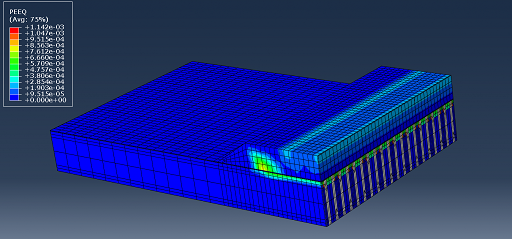 Geotechnical Simulation: Soil and Rock Mechanics
Geotechnical simulation using finite element method (FEM) is a powerful tool for analyzing soil and rock mechanics in various applications. FEM software …
Open capability
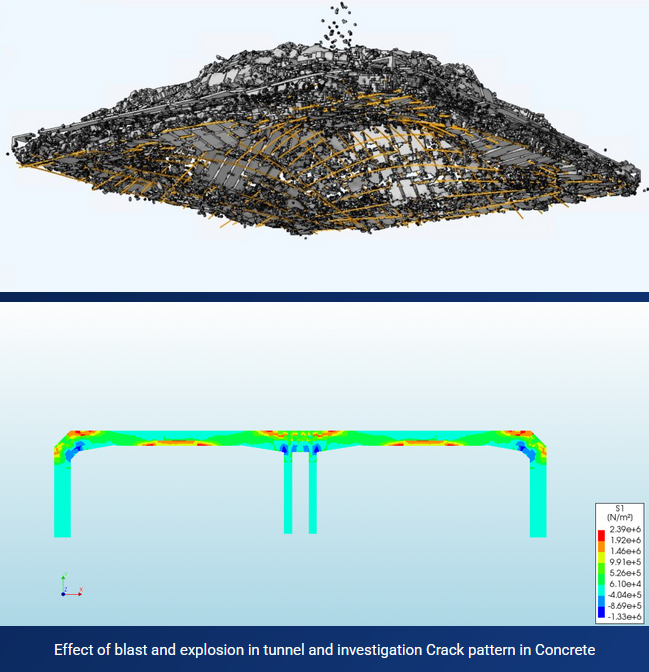 Reinforced Concrete
Reinforced concrete is widely used in construction due to its durability and strength. The simulation involves modeling the damage initiation and propagation …
Open capability
 Tunnel Design
Tunnel design involves a complex interaction between the structure, the ground, and the surrounding environment. Finite Element Method (FEM) and special purpose …
Open capability
Across Industries
Other Simulation Area
Aerospace & Defense
VTOL, e-VTOL and UAM - Urban Air Mobility
Finite Element & CFD based-Design Optimization is a key aspect in the development of Vertical Take-Off and Landing …
Automotive Engineering
Thermal & Energy Management
Finite element and CFD simulation tools can be used to model and analyze the thermal behavior of various …
Chemical Processing
Mixer Design
Mixing is a crucial step in many chemical processes, and reactor design is a key factor in ensuring …
Energy & Power Industry
FEA and CFD for Wind Turbine Industry
Wind turbines are complex systems that require careful design and testing to ensure their reliable operation. Numerical modeling …
Industrial Equipment & Rotating Machinery
Failure analysis
Failure analysis is a critical process that involves investigating and determining the root cause of a component or …
Marine & Shipbuilding
Structural Dynamics Integrity
Structural-borne noise and vibration need to be minimized for passenger comfort and reduced environmental impact. Our full suite …
Medical & Biomedical Devices
Electromagnetic compatibility (EMC) for Medical Device
Finite element (FE) analysis of biomaterials, containers and closures, drug EMC simulations can be used to evaluate the …
Seat Design
Aerospace Seat Design: Federal Aviation Administration (FAA) and European Aviation Safety Agency (EASA)
Aerospace Seat Design Regulations: FAA and EASA In the United States, the Federal Aviation Administration (FAA) sets the …
Working on ventilation and comfort?
Tell us the geometry, the physics and the decision it has to support.
Talk to an engineer