

Industries Seat Design
Aerospace Seat Design: Federal Aviation Administration (FAA) and European Aviation Safety Agency (EASA)
Aircraft and Automotive Seat Design: Finite Element and CFD Simulation for Static & Dynamic Comfort, Whiplash, Acoustic & Thermal Comfort, Vibration, and Crash Test
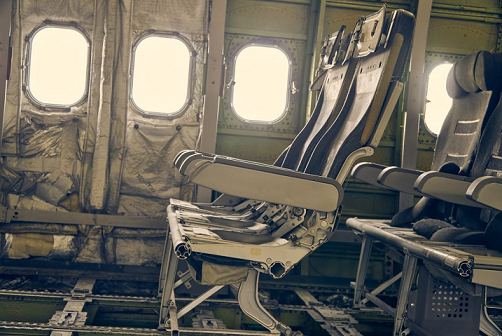
Aerospace Seat Design Regulations: FAA and EASA
In the United States, the Federal Aviation Administration (FAA) sets the standards for aerospace seat design regulations through its Technical Standard Orders (TSOs) and Federal Aviation Regulations (FARs). By using FEA according to FAA , our engineers can simulate the structural behavior of an aircraft seat and predict its response to various loading scenarios, including vibration, fatigue life, crash, and impact conditions.
In Europe, the regulations governing aerospace seats are defined by the European Aviation Safety Agency (EASA). These regulations are contained in the Certification Specifications for Large Aeroplanes CS-25, Amendment 16, which outlines the airworthiness standards that must be met for certification of large airplanes, including the design and testing of aircraft seats. The EASA regulations require that aerospace seats are designed to ensure the safety and comfort of passengers during all phases of flight. This includes requirements for seat strength and durability, flammability, crashworthiness, and emergency evacuation.
Finite Element Analysis for Aerospace Seat Design
Finite element analysis enables us to capture real-world behavior with a high degree of accuracy. Below are key applications in aerospace seat design:
- Crashworthiness & Regulatory Compliance: Simulation-based design can be used to evaluate compliance with specific aerospace seat design regulations related to crashworthiness, such as the strength and durability of the seat frame, attachment points, and materials used in construction. For example, FEA can be used to simulate crash landing scenarios and analyze the seat's ability to absorb and dissipate crash forces, as well as its ability to protect passengers from injury. The FAA has established standards for the structural integrity of seats, including the strength and durability of the seat frame, the attachment points to the aircraft structure, and the ability of the seat to absorb and dissipate crash forces.
- Design Optimization: FEA can also be used to optimize the design of aerospace seats to meet specific safety standards and regulations. By simulating different design configurations, engineers can identify the most effective design for meeting safety standards while also optimizing for other factors such as weight, cost, and passenger comfort.
- Component Performance: Simulation-based design can be used to evaluate the performance of individual components of an aerospace seat, such as seat belts and restraint systems. The FAA requires that all aircraft seats be equipped with a seat belt or restraint system that meets specific standards for strength, durability, and ease of use. These regulations ensure that passengers can be safely secured in their seats during takeoff, landing, and turbulence.
- Vibration Analysis: Vibration is also a critical design consideration for aerospace seats, as excessive vibration can lead to discomfort and fatigue for passengers. By simulating the dynamic response of the seat, our engineers can identify areas of the seat that are subject to excessive vibration and modify the seat design to reduce these vibrations. This can involve adjusting the geometry of the seat, modifying the damping characteristics of the seat structure, or using vibration-absorbing materials in the seat construction.
- Fatigue Life Prediction: Finite element simulation can be used to simulate the cyclic loading conditions that aerospace seats are subject to, and predict the potential for fatigue failure. By using FEA, engineers can simulate the structural behavior of an aerospace seat over time, considering factors such as cyclic loading, material fatigue properties, and stress concentrations.
- Military Seat Design: Finite Element can be used in military seat design procedures for aircraft survival in a crash, considering technical guides from defense organizations such as the Aircraft Crash Survival Design Guide: Aircraft Seats, Restraints, Litters and Cockpit/Cabin Delethalization.
Seat Design
Finite Element and CFD-based design can help ensure the right occupant …
Capabilities that sit beside this one
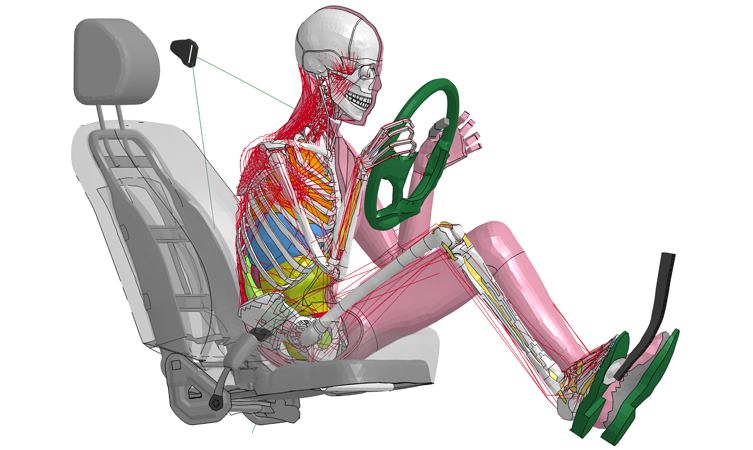 Dummies for Crash Test Simulation
Crash Test Dummies & Human Models Frontal Impact Dummies Hybrid II (50th percentile) rigid dummy for aeronautics applications Express Hybrid III 50th …
Open capability
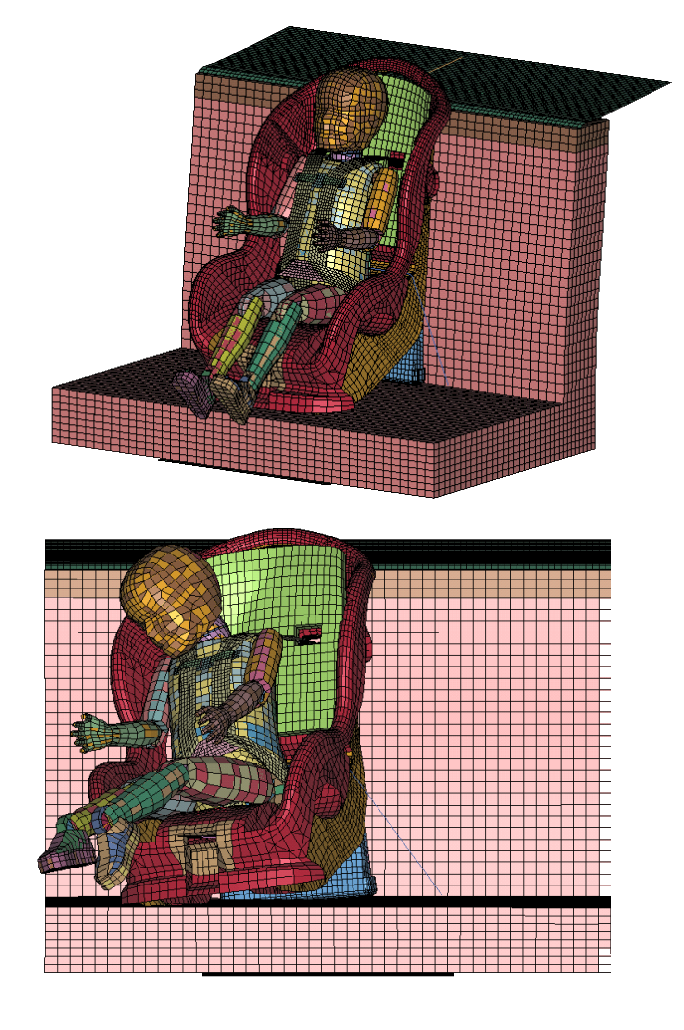 Seat Dynamic Comfort Design
The dynamic comfort design of a car seat is crucial in ensuring the comfort of the occupant and reducing driving fatigue. It …
Open capability
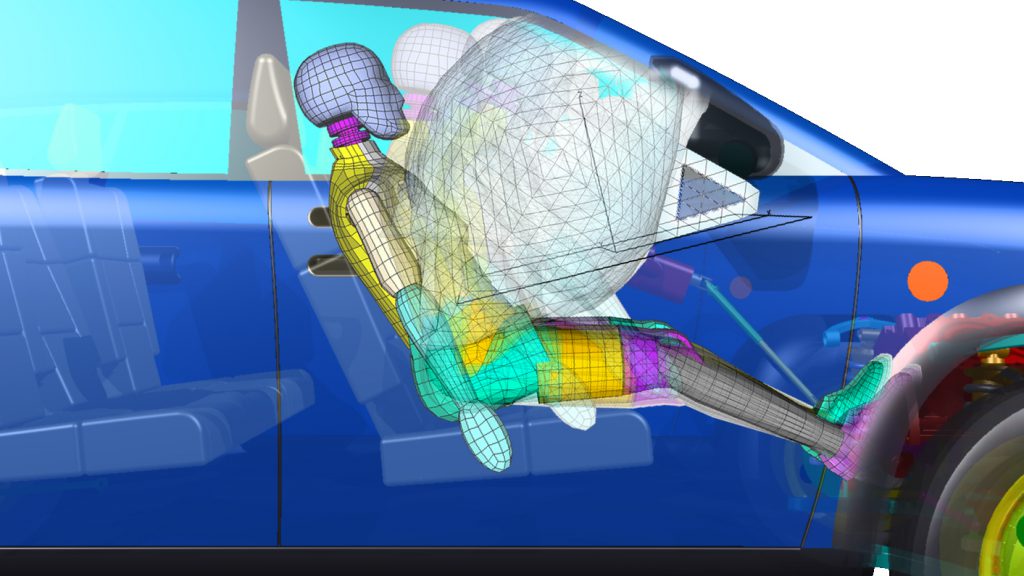 Meat-to-metal simulation
 is a method that evaluates the contact between the occupant’s body and the seat structure, taking into account the deformation …
Open capability
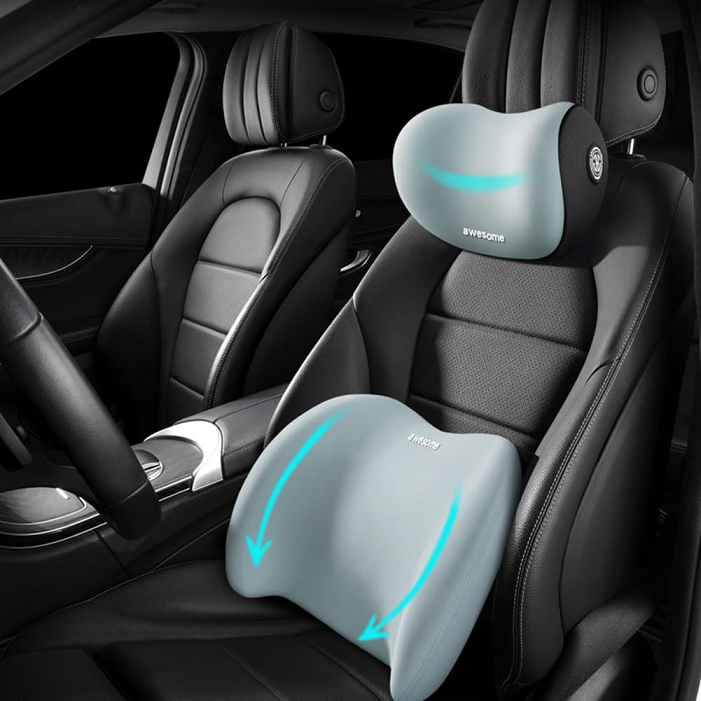 Lumbar support for Car Seat
Lumbar support is an important feature in automotive seating, as it can help reduce lower back pain and fatigue for occupants. Finite …
Open capability
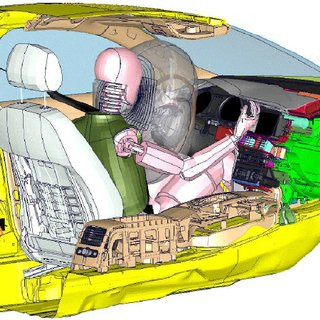 FEA Simulation for Seat Softness and Hardness Prediction
Our engineering team’s finite element simulation expertise allows us to test the softness and hardness of the seat, helping optimize the design …
Open capability
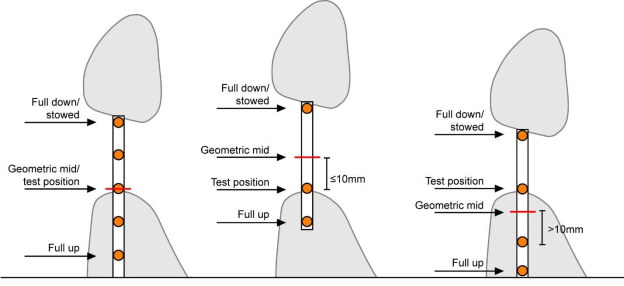 FMVSS 202a: Head Restraints – Methodology and Equipment for the Static and Dynamic Test
In the proposed FMVSS No. 202a, manufacturers were given the option of meeting either of two sets of requirements. The first set …
Open capability
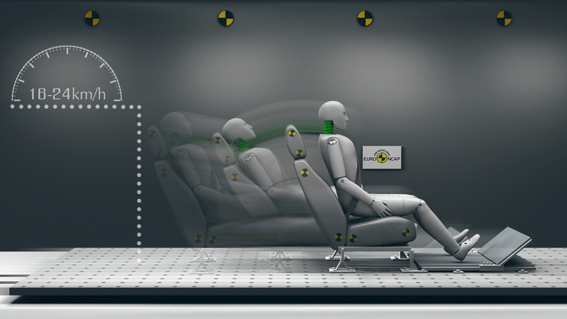 Japan NCAP, Euro NCAP and China NCAP Regulation for Seat Whiplash Assessment
Although whiplash injuries can occur in any kind of crash, an occupant’s chances of sustaining this type of injury are greatest in …
Open capability
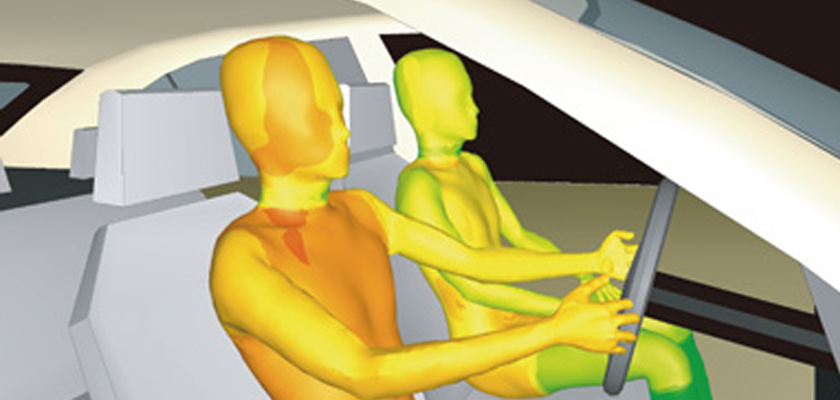 Seat Thermal Comfort Design with CFD and FEA (Finite Element) Simulation
Heated and Cooled Seat Thermal Comfort Simulation Heated and cooled seats are no longer exclusive to luxury cars, as more carmakers offer …
Open capability
Other Simulation Area
Working on aerospace seat design: federal aviation administration (faa) and european aviation safety agency (easa)?
Tell us the geometry, the physics and the decision it has to support.
Talk to an engineer