

Finite Element Additive Manufacturing
Powder Bed Fusion
Additive Manufacturing and 3D Printing : FEA Based Design and Optimization with Simufact, Abaqus, ANSYS
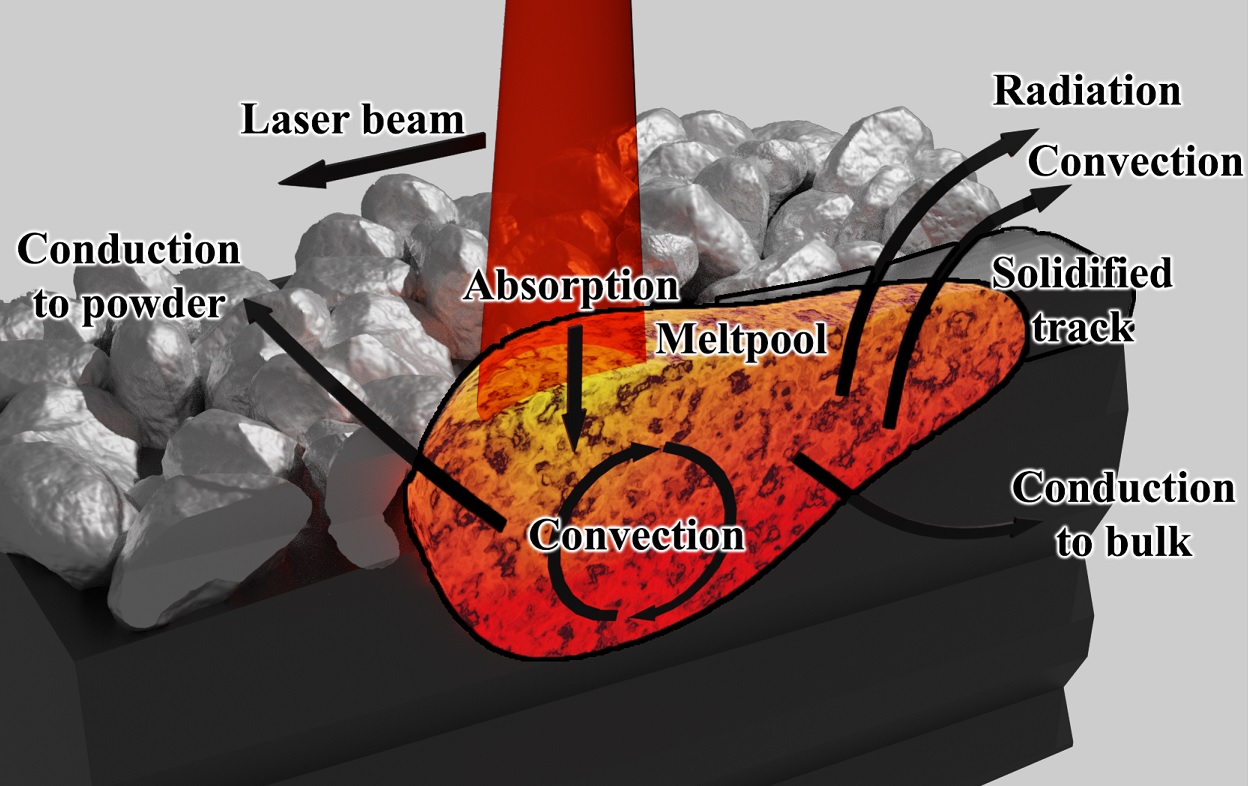
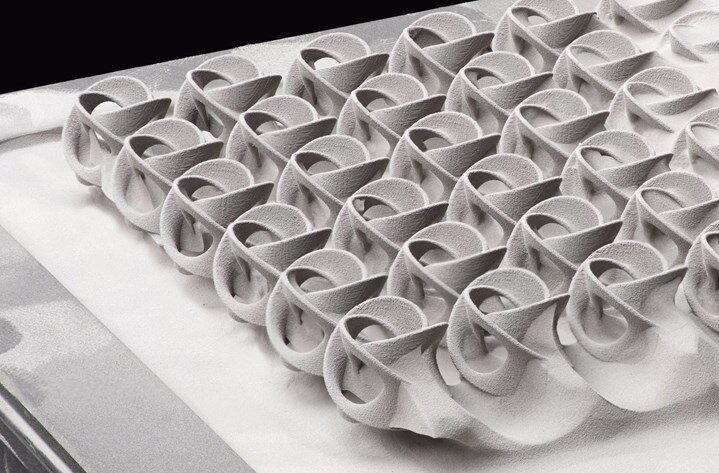
Powder Bed Fusion (PBF) is an additive manufacturing technique that uses a heat source, typically a laser or electron beam, to fuse powder particles layer-by-layer, forming a solid part. PBF enables the production of geometrically complex parts that would be difficult or impossible to produce with traditional manufacturing techniques.
One of the main advantages of PBF is its flexibility in terms of materials and technology. PBF can be used with a wide range of materials, including metals, polymers, and ceramics, and can be applied using several different techniques, including Selective Laser Melting (SLM), Electron Beam Melting (EBM), and Direct Energy Deposition (DED).
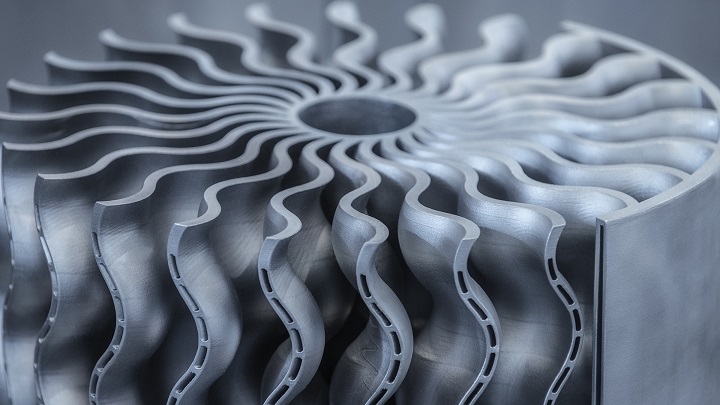
Furthermore, PBF offers a high degree of design freedom, as complex geometries can be produced without the need for complex tooling or machining processes. This allows manufacturers to create highly customized and intricate parts that would be difficult or impossible to produce with traditional manufacturing techniques.
The wider discipline
Additive Manufacturing
Nonparametric optimization techniques such as artificial intelligence (AI) can be used in conjunction with finite element analysis (FEA) to further optimize designs for AM. AI can help identify the most critical design parameters and their optimal values, while FEA can be used to simulate the performance of the design under various loading conditions. Together, these tools can help engineers create parts that are not only lighter and stronger, but also tailored to specific applications.
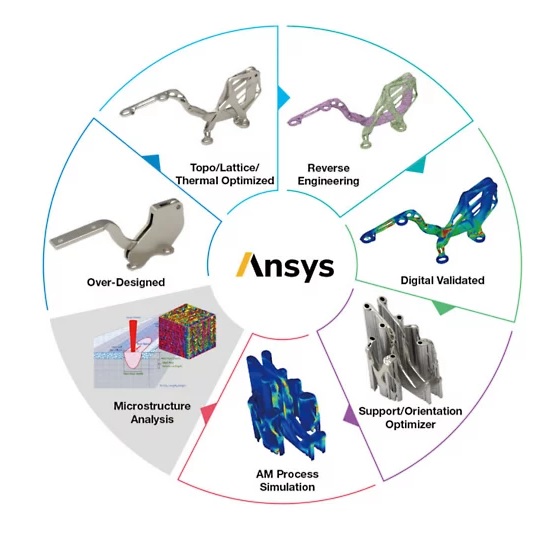
Furthermore, AM simulations with advanced package such as Ansys can be used to assess the quality …
Furthermore, AM simulations with advanced package such as Ansys can be used to assess the quality …
More in Additive Manufacturing
View the section →
Capabilities that sit beside this one
 Generative Design & Lattice Structures: Topology, Shape and Bead Optimization
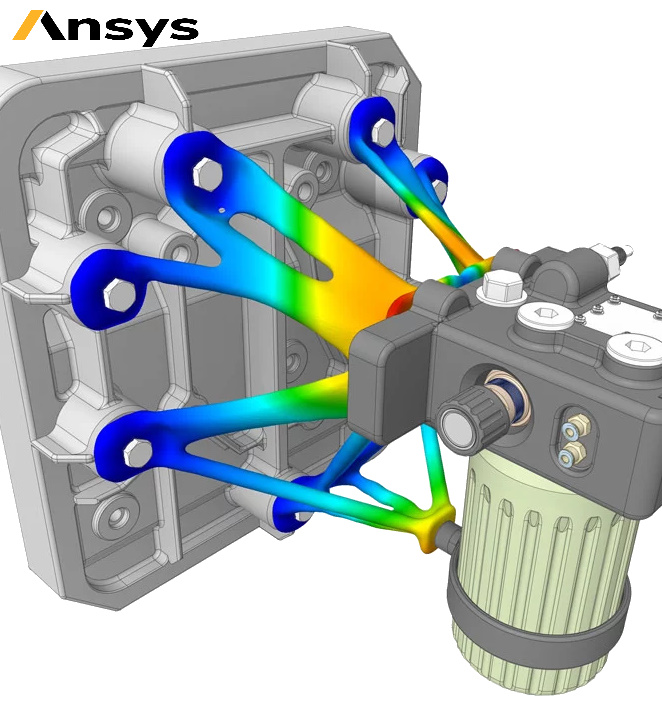
Generative Design is an innovative approach to product design that leverages topology optimization, artificial intelligence, and advanced simulation to create multiple viable …
Open capability
 Directed Energy & Laser Metal Deposition
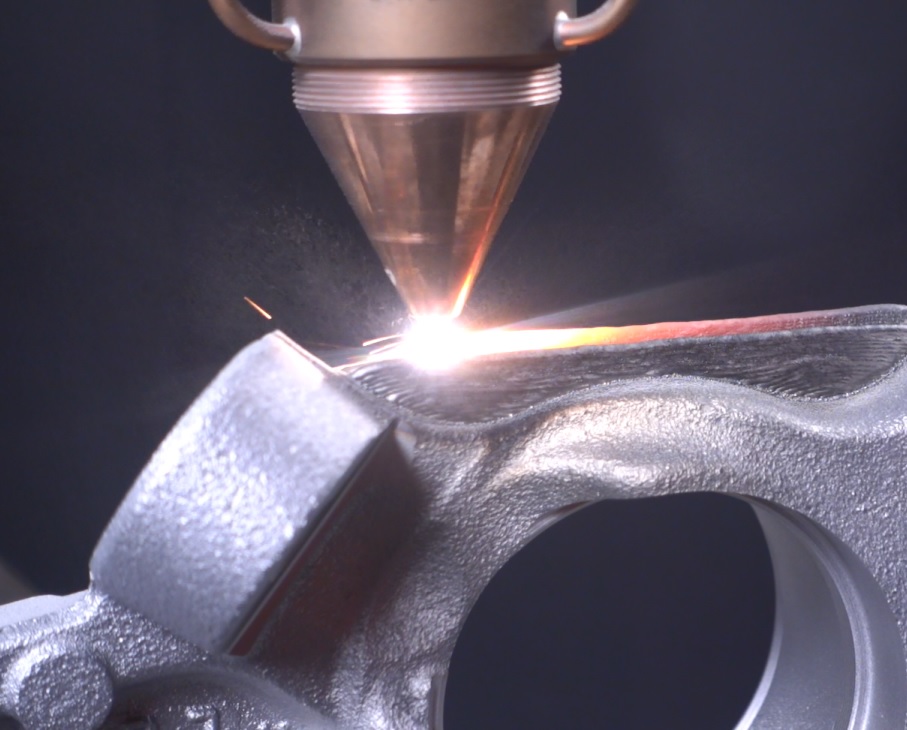
By using advanced FEA software and high-performance computing (HPC) hardware, it is possible to simulate the thermal and mechanical behavior of the …
Open capability
 Metal Binder Jetting
 (MBJ) is an emerging additive manufacturing technology that offers several key advantages over traditional Powder Bed Fusion processes. One …
Open capability
 Plastics & Reinforced Polymers
Advanced additive manufacturing simulation platforms such as MSC Digimat, Ansys, and Abaqus are powerful tools that can be used to simulate the …
Open capability
Across Finite Element
Other Simulation Area
Acoustics and Vibration
Shipbuilding Noise Engineering
Accurate noise prediction models are crucial for designing marine applications that meet customer expectations for on-board noise levels. …
Blast, Explosion & Fire
Arbitrary Lagrangian-Eulerian (ALE)
The Arbitrary Lagrangian-Eulerian (ALE) method is a numerical technique that combines the advantages of both the Lagrangian and …
Composite Materials
Hard Metal
Hard metals, also known as cemented carbides, are composite materials that are made up of a metal matrix …
Crash Test Simulation
Small Overlap - Oblique Crash Test FEA Simulation
The small overlap or oblique crash test is a type of crash test that is designed to simulate …
Durability & Fatigue Life
Vibration Fatigue Simulation
structural vibration can lead to various issues in products, such as fatigue and durability problems, adverse reactions to …
Metal Forming Simulation
Sheet Metal Forming
Advanced finite element analysis (FEA) tools such as Ansys, LS-Dyna and Abaqus can be used for sheet metal …
Multibody Dynamics
Vehicle MultiBody Dynamics Simulation: Car Ride, Driveline, Engine and Tire MBD
Multi-body dynamic (MBD) simulation is a powerful tool for analyzing and optimizing the performance of different subsystems within …
Thermal Analysis
Stress Relief Heat Treatment
Stress relieving is a heat treatment process that reduces residual stresses in an assembly after welding. This process …
Welding Simulation
Resistance Spot Welding
Resistance Spot Welding (RSW) is a pressure welding process used to join two metal sheets together. In RSW, …
VTOL, eVTOL & UAM
NVH Analysis for eVTOL & Electro-Motors
FEA-based simulation in electromagnetic multiphysics environments delivers critical insights for Noise, Vibration & Harshness (NVH) analysis of electrical …
Working on powder bed fusion?
Tell us the geometry, the physics and the decision it has to support.
Talk to an engineer