

Finite Element Multibody Dynamics
Vehicle MultiBody Dynamics Simulation: Car Ride, Driveline, Engine and Tire MBD
Multibody Dynamics & FEA: Robots Dynamics, Control Systems, Advanced Machinery, Full Vehicle MBD and NVH
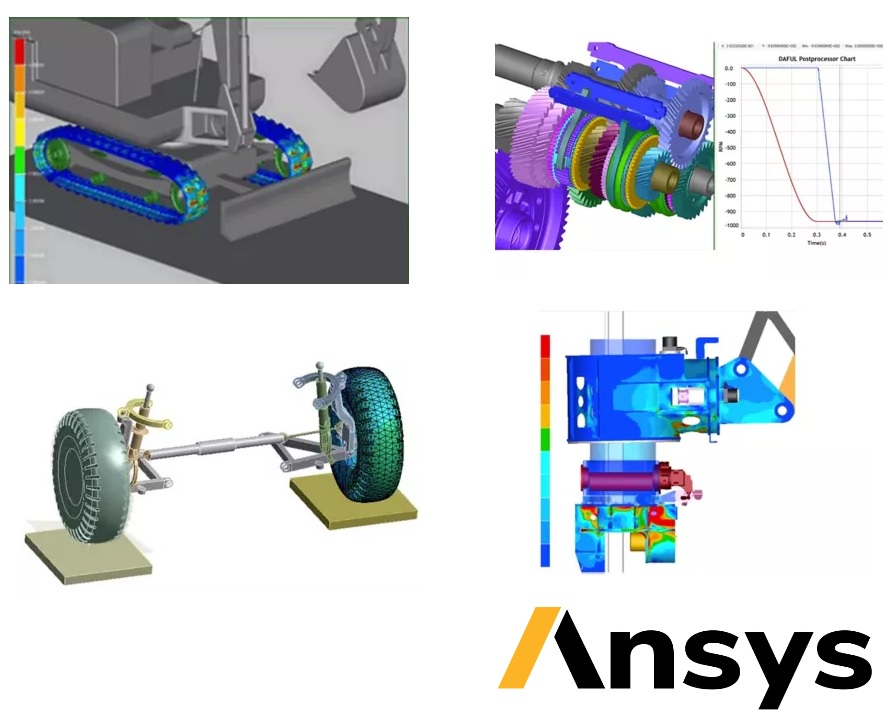
Multi-body dynamic (MBD) simulation is a powerful tool for analyzing and optimizing the performance of different subsystems within a vehicle. By simulating the motion of multiple bodies within a vehicle, MBD simulation can evaluate how different subsystems interact with each other and how they affect the overall dynamics of the vehicle.
MBD simulation can be applied to a wide range of vehicles, including on-road and off-road vehicles such as cars, trucks, motorcycles, buses, and land machinery. It can also be used to analyze different aspects of vehicle performance, including handling, ride, driveline, comfort, and noise, vibration, and harshness (NVH).
For example, MBD simulation can be used to evaluate how changes to the suspension system or steering components affect the handling and stability of a vehicle. It can also be used to simulate the behavior of the driveline, including the interaction between the engine, transmission, and wheels, to optimize the vehicle's acceleration and fuel efficiency.
MBD simulation can also be used to evaluate the comfort and NVH characteristics of a vehicle, such as the level of vibration and noise experienced by passengers. This can include simulating the interaction between the vehicle and different road surfaces, as well as evaluating the performance of different components such as tires and suspension systems.
MBD simulation is also used in real-time applications such as Hardware-in-the-Loop (HiL), Software-in-the-Loop (SiL), and Model-in-the-Loop (MiL) testing. In these applications, a virtual model of the vehicle is integrated into a real-time testing environment to evaluate its performance in a variety of scenarios, from normal driving conditions to extreme operating conditions.
The wider discipline
Multibody Dynamics
Complex mechanical assemblies present design challenges that require a dynamic system-level analysis to be met. Accurate modeling can require representations of various types of components, like electronic controls systems and compliant parts and connections, as well as complicated physical phenomena like vibration, friction and noise.
MBD analysis enables us to meet these challenges by quickly evaluating and improving designs for important characteristics like performance, safety and comfort. Traditional MBD assumes that structural members are fully rigid, but with coupled using of FEA and MBD software such as Ansys, Abaqus, Simpack …
MBD analysis enables us to meet these challenges by quickly evaluating and improving designs for important characteristics like performance, safety and comfort. Traditional MBD assumes that structural members are fully rigid, but with coupled using of FEA and MBD software such as Ansys, Abaqus, Simpack …
More in Multibody Dynamics
View the section →
Capabilities that sit beside this one
 Complicated Machinery & Mechanical Drive Systems
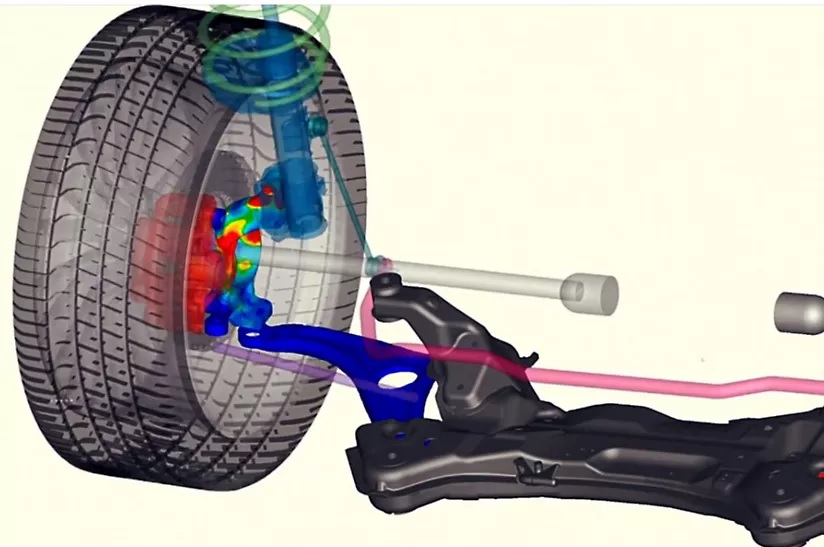
MBD simulation, or multi-body dynamics simulation, is a powerful tool used by engineers to simulate and analyze the complex interactions between components …
Open capability
 Control Systems
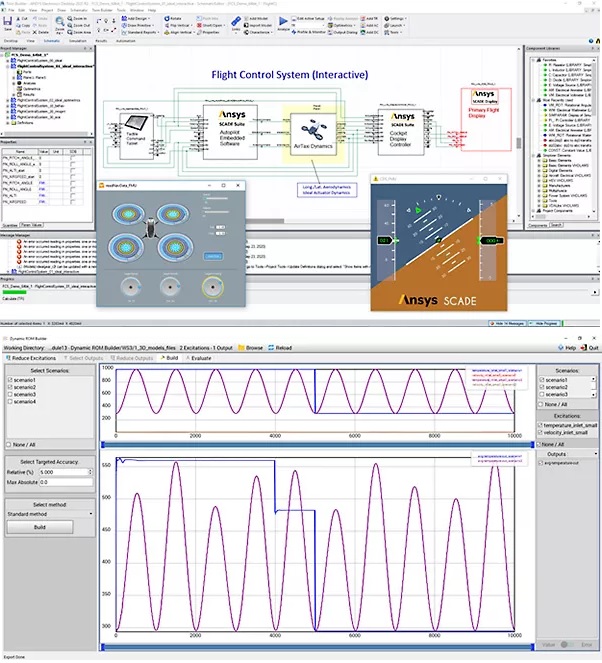
Control systems play a critical role in the performance and safety of many engineering systems, including machinery and mechanical drive systems. To …
Open capability
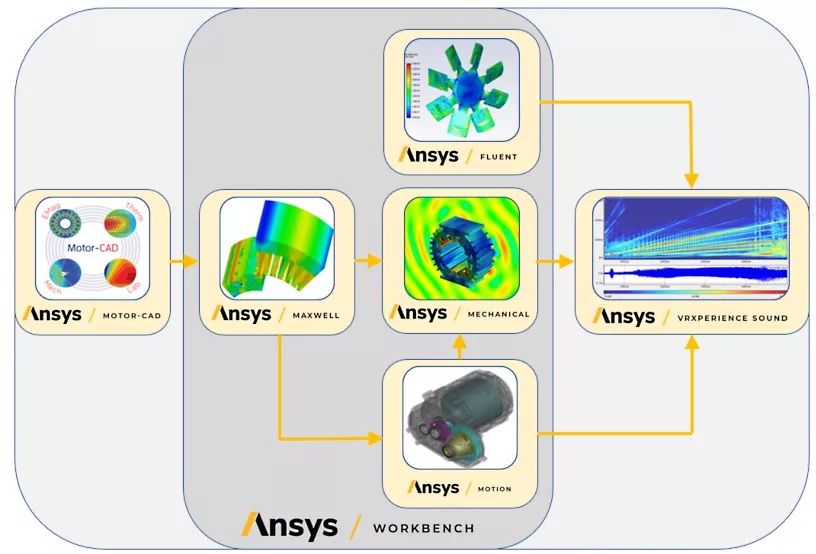 Multibody Dynamics & NVH
By combining MBD simulation and NVH finite element simulation analysis, engineers can create comprehensive models that simulate the dynamic behavior of a …
Open capability
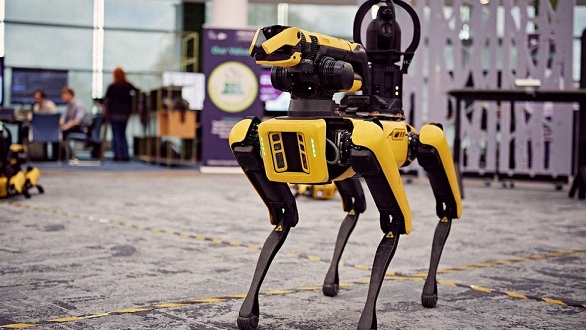 Robots Dynamics & Performance Assessment
Robots have become an increasingly important part of modern manufacturing and industrial processes. To design and optimize robot systems, engineers often use …
Open capability
Across Finite Element
Other Simulation Area
Acoustics and Vibration
Shipbuilding Noise Engineering
Accurate noise prediction models are crucial for designing marine applications that meet customer expectations for on-board noise levels. …
Additive Manufacturing
Powder Bed Fusion
Powder Bed Fusion (PBF) is an additive manufacturing technique that uses a heat source, typically a laser or …
Blast, Explosion & Fire
Arbitrary Lagrangian-Eulerian (ALE)
The Arbitrary Lagrangian-Eulerian (ALE) method is a numerical technique that combines the advantages of both the Lagrangian and …
Composite Materials
Hard Metal
Hard metals, also known as cemented carbides, are composite materials that are made up of a metal matrix …
Crash Test Simulation
Small Overlap - Oblique Crash Test FEA Simulation
The small overlap or oblique crash test is a type of crash test that is designed to simulate …
Durability & Fatigue Life
Vibration Fatigue Simulation
structural vibration can lead to various issues in products, such as fatigue and durability problems, adverse reactions to …
Metal Forming Simulation
Sheet Metal Forming
Advanced finite element analysis (FEA) tools such as Ansys, LS-Dyna and Abaqus can be used for sheet metal …
Thermal Analysis
Stress Relief Heat Treatment
Stress relieving is a heat treatment process that reduces residual stresses in an assembly after welding. This process …
Welding Simulation
Resistance Spot Welding
Resistance Spot Welding (RSW) is a pressure welding process used to join two metal sheets together. In RSW, …
VTOL, eVTOL & UAM
NVH Analysis for eVTOL & Electro-Motors
FEA-based simulation in electromagnetic multiphysics environments delivers critical insights for Noise, Vibration & Harshness (NVH) analysis of electrical …
Working on vehicle multibody dynamics simulation: car ride, driveline, engine and tire mbd?
Tell us the geometry, the physics and the decision it has to support.
Talk to an engineer